Key takeaways
- Sensor size: 1-inch sensors outperform smaller phone-style sensors in low light, which matters for evening street scenes and indoor shots at museums or markets.
- Zoom range: a versatile zoom (commonly in the 24-200mm equivalent range on premium compacts) covers landscapes through moderate close-ups of distant subjects like wildlife or architecture.
- Battery life: compacts generally have smaller batteries than mirrorless cameras, so a spare battery or power bank is worth packing for full travel days.
Choose a compact fixed-lens or 1-inch sensor point-and-shoot if packing light matters most, a mirrorless camera with a kit zoom lens for the best balance of image quality and portability, and an action camera or smartphone-gimbal combo for hiking, water sports, or any trip where durability beats control. Travel photography has three very different buyer profiles, and the right camera depends on how much weight and bulk someone is willing to carry for better image quality.
As an Amazon Associate, we earn from qualifying purchases made through links on this page.
What Matters Most for Travel Photography
Travel conditions punish gear differently than studio or home use: bags get bounced around, batteries drain faster in cold or heat, and there is rarely time to carry a tripod and multiple lenses through an airport. Reviewers at outlets like DPReview and Outdoor Photographer consistently rank size and weight, battery life, and weather sealing above raw resolution for travel-specific recommendations, since a camera left in a hotel room because it was too heavy takes zero good photos.
The three broad categories below cover most travel buyers, from someone who wants better photos than a phone with minimal learning curve, to a hobbyist who wants to change lenses, to an adventure traveler prioritizing ruggedness.
Compact and Point-and-Shoot Cameras
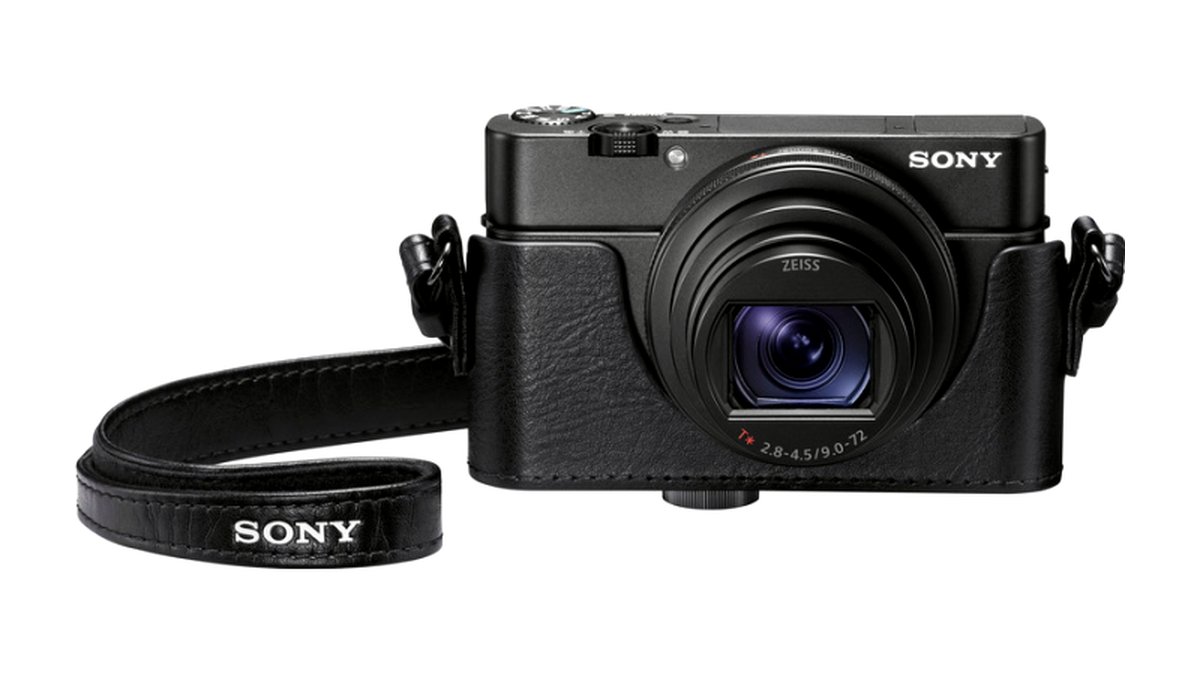
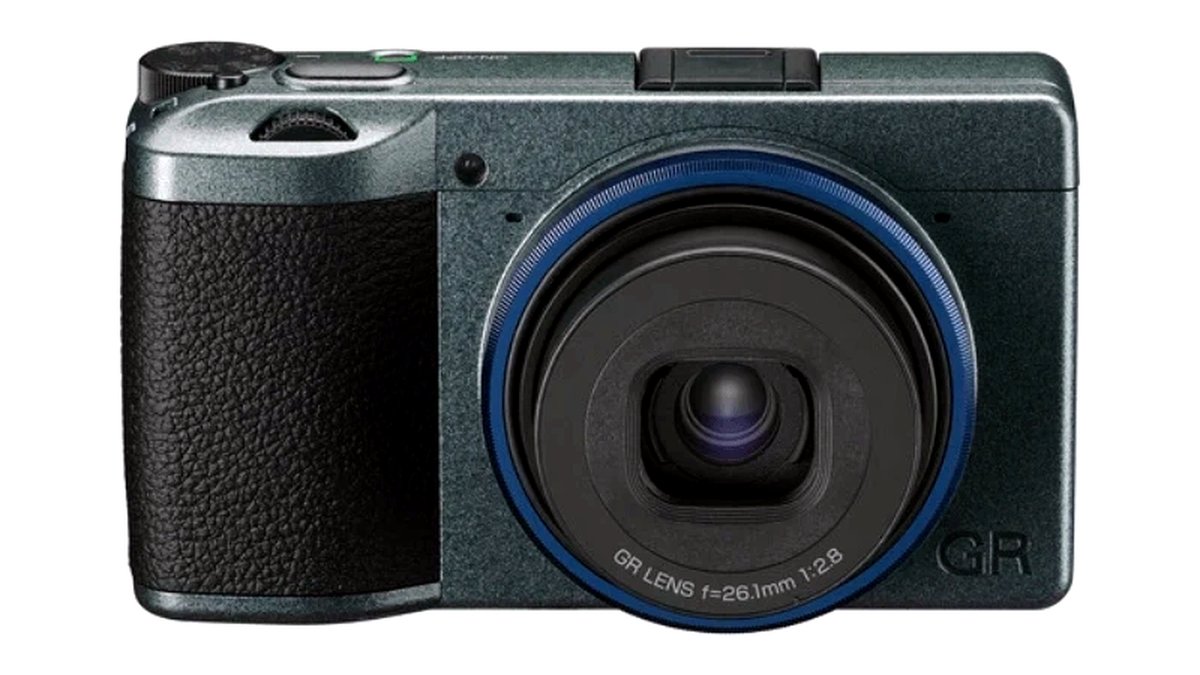
Modern compacts with larger 1-inch sensors (a size category popularized by Sony’s RX100 series and similar models from Canon and Panasonic) deliver noticeably better low-light and background-blur performance than a smartphone while still fitting in a jacket pocket. The maker on these lines typically lists a built-in zoom lens covering a useful wide-to-telephoto range, which avoids the need to pack extra lenses.
- Sensor size: 1-inch sensors outperform smaller phone-style sensors in low light, which matters for evening street scenes and indoor shots at museums or markets.
- Zoom range: a versatile zoom (commonly in the 24-200mm equivalent range on premium compacts) covers landscapes through moderate close-ups of distant subjects like wildlife or architecture.
- Battery life: compacts generally have smaller batteries than mirrorless cameras, so a spare battery or power bank is worth packing for full travel days.
Mirrorless Cameras for Travel
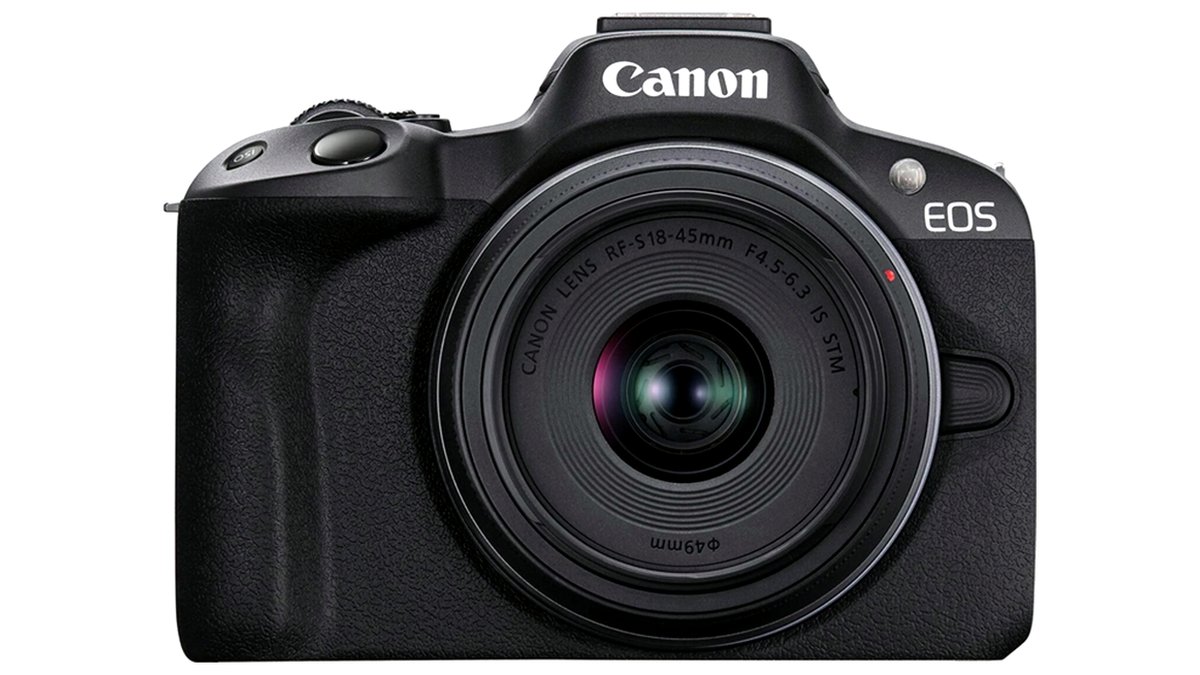
Entry and mid-range mirrorless bodies from Sony, Canon, Fujifilm, and Nikon paired with a lightweight kit zoom lens give travelers interchangeable-lens flexibility without the bulk of a full DSLR system. Reviewers note that APS-C sensor mirrorless cameras hit a strong size-to-quality balance for travel, while full-frame mirrorless bodies offer better image quality at the cost of larger, heavier lenses.
- Weight with lens attached: the total carrying weight matters more than body weight alone, since lenses often weigh more than the camera body itself.
- In-body image stabilization: helps handheld shots in low light (interiors, evening streets) without needing a tripod, a feature most current mirrorless lines in this category include.
- Weather sealing: mid-range and above mirrorless bodies often add dust and moisture resistance, useful for coastal or rainy destinations, though this is typically absent on true entry-level bodies.
Action Cameras and Rugged Options
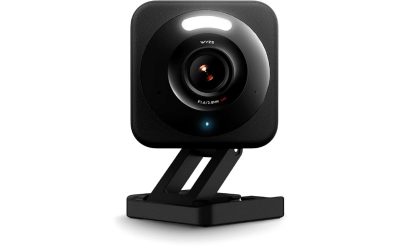
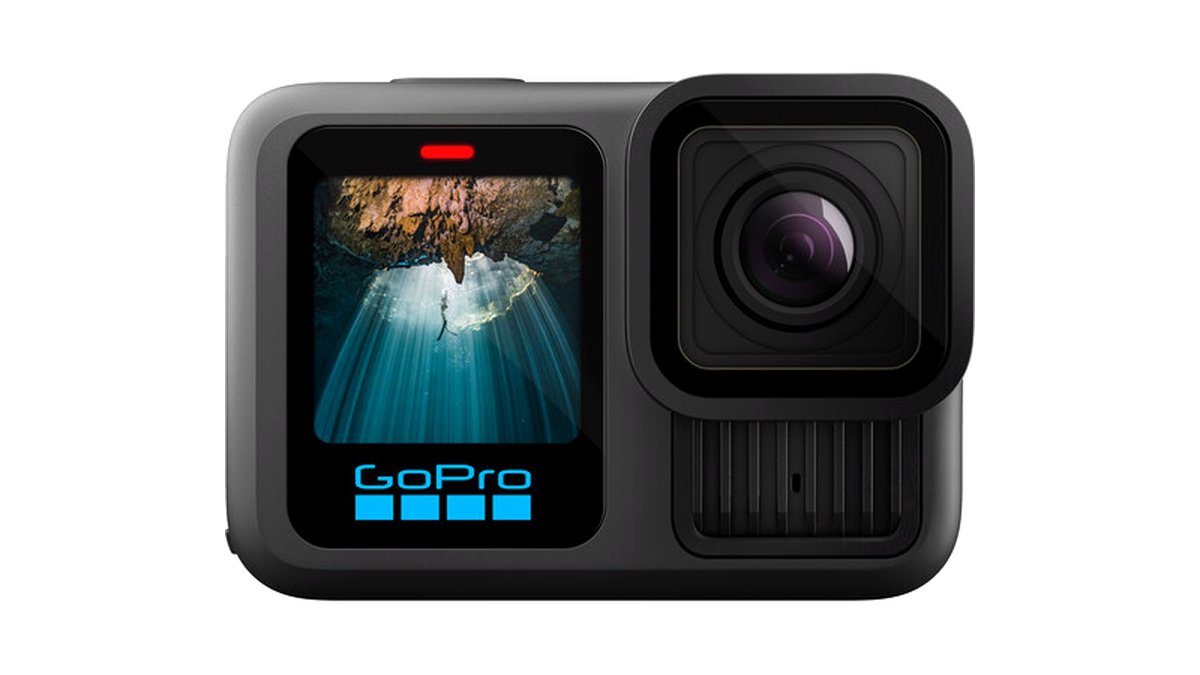
For hiking, snorkeling, skiing, or any trip centered on movement rather than composed shots, an action camera like the type made by GoPro or DJI’s action line trades manual control for durability, waterproofing, and wide-angle video. These are the only category here genuinely built to survive drops, splashes, and rough handling without a separate protective case in many cases.
At a Glance
| Camera Type | Best For | Key Stated Specs | Limits |
|---|---|---|---|
| 1-inch sensor compact | Light packers wanting better-than-phone quality | Built-in zoom, pocketable size, 1-inch sensor | Smaller battery; limited low-light vs. mirrorless |
| APS-C mirrorless + kit lens | Hobbyists wanting creative control | Interchangeable lenses, in-body stabilization | Heavier than a compact; lens changes needed for versatility |
| Full-frame mirrorless | Enthusiasts prioritizing image quality | Larger sensor, strong low-light performance | Heaviest and priciest lenses; premium price tier |
| Action camera | Hiking, water sports, adventure travel | Waterproof housing, wide-angle video, stabilization | Weaker in low light; limited zoom and manual control |
| Smartphone + clip-on lens or gimbal | Casual travelers wanting simplicity | Gimbal stabilization, no extra body to carry | Limited by phone sensor and zoom quality |
Pick X If…
| Situation | Recommended Pick |
|---|---|
| You want one small camera for an entire trip with minimal fuss | 1-inch sensor compact with a built-in zoom |
| You enjoy photography as a hobby and want lens flexibility | APS-C mirrorless with a lightweight kit lens |
| Your trip centers on hiking, diving, or skiing | Action camera with a waterproof, shockproof housing |
| You mostly shoot for social media and want easy handheld video | Smartphone paired with a gimbal |
| Image quality is the top priority and weight is secondary | Full-frame mirrorless with a versatile zoom lens |
Fit and Practical Notes
Check battery and charging compatibility before departure: many current mirrorless and compact cameras charge via USB-C, which lets a single power bank or charger serve the camera, phone, and other devices on the trip. For international travel, confirm the battery type is allowed in carry-on luggage, since airlines generally require camera batteries to travel in the cabin rather than checked bags. Memory card speed also matters for video-capable cameras; the maker usually lists a minimum card speed class required for 4K recording.
Alternatives Worth Considering
- Instant film camera: for travelers who want a physical keepsake rather than digital files, a compact instant camera adds a different kind of travel memory at the cost of image quality and per-shot expense.
- Bridge camera (superzoom): a fixed-lens camera with a very long zoom range suits travelers focused on distant subjects like wildlife or architecture who don’t want to carry multiple lenses.
- Used or previous-generation mirrorless body: buying a prior-generation mirrorless body instead of the newest release often delivers very similar image quality at a lower price tier, since sensor improvements between generations are typically incremental.
Lens Choices for Mirrorless Travel Setups
For travelers choosing a mirrorless system, the kit zoom lens that ships with the body usually covers a versatile everyday range suited to streets, interiors, and general landscapes. Reviewers often suggest adding one compact prime lens, such as a 35mm or 50mm equivalent, for low-light interiors like restaurants, markets, or evening scenes where a wider aperture helps more than a longer zoom. Carrying more than two lenses tends to work against the goal of traveling light, so many experienced travel photographers deliberately limit their kit to a single zoom plus one prime rather than a full lens bag.
Caring for Camera Gear on the Road
Humidity, sand, and sudden temperature swings are common hazards on trips, and a simple rain cover or dry bag protects a camera far more cheaply than a repair bill afterward. Reviewers covering travel gear also recommend a padded insert or a dedicated camera cube inside a regular travel bag rather than a bulky standalone camera backpack, which keeps the setup flexible for trips that mix sightseeing with camera use. Cleaning the sensor and lens periodically, especially after dusty or beach destinations, helps avoid spots showing up in photos later in the trip.
Frequently Asked Questions
Is a smartphone camera good enough for most travel photography?
For casual trips and social sharing, current smartphone cameras handle daylight and well-lit scenes well. A dedicated camera still pulls ahead in low light, zoom range, and background blur, which matters most for evening scenes, distant subjects, and portraits.
How many batteries should I pack for a mirrorless or compact camera?
Reviewers commonly suggest at least one spare battery for a full day of shooting, and two spares for multi-day trips without reliable charging access. Cold weather also reduces battery life noticeably, so travelers heading to cold climates should pack extra batteries and keep them warm in an inner pocket.
Do I need a separate memory card and backup strategy while traveling?
Carrying at least one spare memory card protects against a card failure or accidental deletion mid-trip. Many travelers also back up photos to a phone, laptop, or cloud service each evening as an added safeguard against a lost or damaged camera.
Are action cameras waterproof without a case?
Current action cameras from major makers are generally rated waterproof to a specific depth without an added housing, and the maker lists that depth rating in the product specifications. Older or budget models may require a separate waterproof case for diving or deep submersion, so checking the stated rating before a water-focused trip is worth doing.
Will airport security or X-ray scanners damage camera gear or memory cards?
Standard airport X-ray scanners used for carry-on luggage do not damage digital camera sensors or memory cards; this is different from older film cameras, which are sensitive to X-rays. Camera batteries, however, generally need to travel in carry-on rather than checked luggage under most airline rules.
Should I buy travel insurance that covers camera equipment?
For camera gear above a modest value, many travelers add it to a travel insurance policy or a separate equipment rider, since standard luggage loss coverage often caps reimbursement well below a camera’s replacement cost. Checking the specific policy’s per-item limit before travel avoids a bad surprise after a loss.