Key takeaways
- Compact (8×25, 10×25) — pocket-sized, best for travel or sporting events where bulk matters more than low-light brightness.
- Mid-size (8×32, 10×32) — a common hiking and birding compromise, lighter than full-size but brighter than compacts.
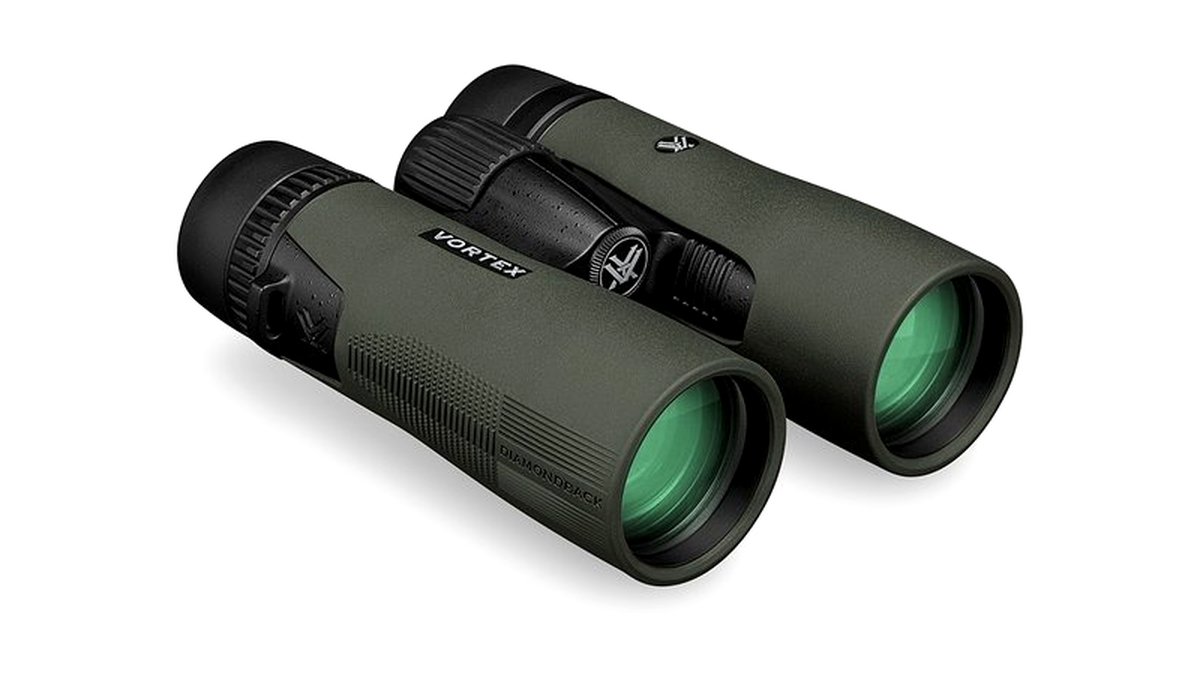
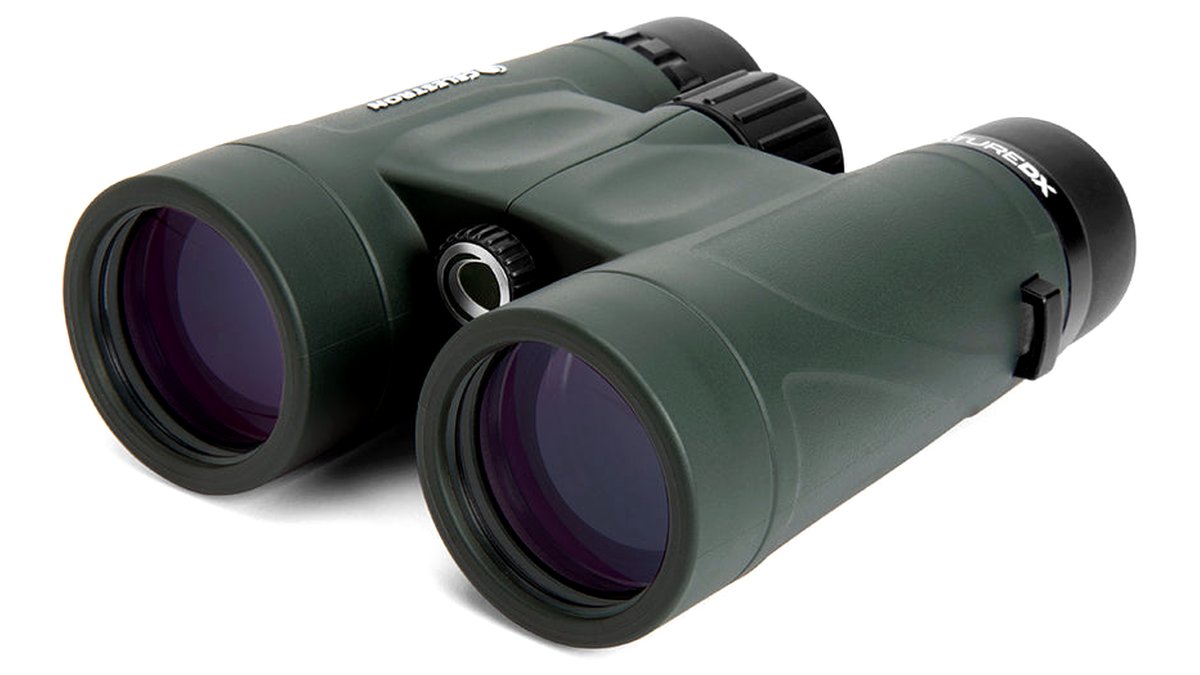
- Full-size (8×42, 10×42) — the most common all-around choice for birding, hunting, and general nature observation, balancing brightness and portability.
- Large (10×50, 12×50, 15×56) — brightest and best for astronomy or very long-range viewing, but heavy enough that many users brace against something or use a tripod adapter for extended viewing.
A compact 8×32 or 8×42 binocular suits birders and hikers who need an all-day carry, a larger 10×50 or 12×50 binocular suits stargazers and long-distance observers who can use a tripod or brace against something steady, and a spotting scope suits anyone who regularly needs more magnification than a binocular can hold steady by hand.
As an Amazon Associate, we earn from qualifying purchases made through links on this page.
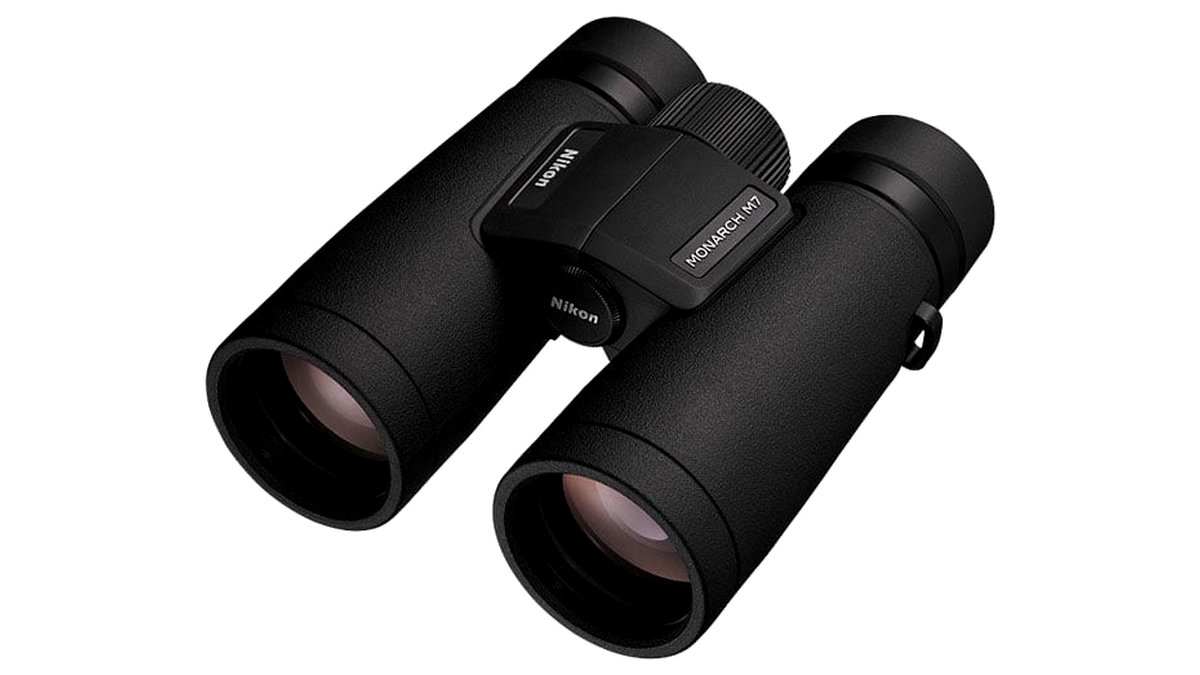
Binoculars and spotting scopes solve different problems even though they’re often shopped together. A binocular is built for comfortable two-eyed, handheld use at lower-to-moderate magnification; a spotting scope is built for high magnification where a tripod does the steadying so your hands don’t have to. This guide breaks down the specs that actually change the experience — magnification, objective lens size, and optical coatings — rather than any single product, since the right pick depends heavily on how and where you’ll use it.
Reading the numbers: what 8×42 actually means
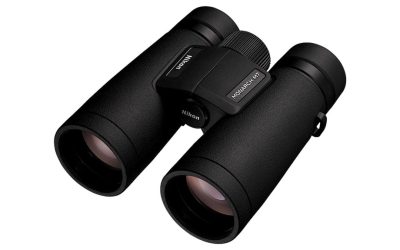
The first number is magnification (how many times closer the subject appears); the second is the objective lens diameter in millimeters (how much light the optic gathers). A larger objective lens generally means a brighter image, especially at dawn, dusk, or in shaded woods, but also a heavier, bulkier binocular. Higher magnification brings the subject closer but amplifies hand shake, narrows the field of view, and darkens the image slightly at the same objective size — which is why serious long-range viewing usually moves to a tripod-mounted spotting scope rather than simply buying a higher-magnification binocular.
Binocular sizes compared
- Compact (8×25, 10×25) — pocket-sized, best for travel or sporting events where bulk matters more than low-light brightness.
- Mid-size (8×32, 10×32) — a common hiking and birding compromise, lighter than full-size but brighter than compacts.
- Full-size (8×42, 10×42) — the most common all-around choice for birding, hunting, and general nature observation, balancing brightness and portability.
- Large (10×50, 12×50, 15×56) — brightest and best for astronomy or very long-range viewing, but heavy enough that many users brace against something or use a tripod adapter for extended viewing.
Optical coatings and glass quality
Coating terminology on binocular listings follows a fairly standard scale: “coated” means at least one lens surface is treated; “fully coated” means all air-to-glass surfaces have at least one coating layer; “multi-coated” means at least one surface has multiple layers; “fully multi-coated” (FMC) means every air-to-glass surface has multiple coating layers, which generally delivers the brightest, highest-contrast image of the four tiers. Roof-prism binoculars are typically slimmer and more rugged than porro-prism designs, while porro-prism models often deliver a slightly brighter image and wider field of view for the price, per most optics reviewers’ comparisons.
Field of view and real-world handling
Field of view — how wide a scene you see at a given distance, usually listed in feet at 1,000 yards or in degrees — matters as much as magnification for anyone tracking moving subjects like birds in flight or wildlife on the move. A wider field of view makes it easier to find and follow a subject without constantly re-aiming, which is one reason many birders choose 8x over 10x even though 10x brings the subject closer: the narrower field at 10x can make fast-moving or close subjects harder to locate in the frame. Weight matters too, since a binocular that feels fine in a store for two minutes can feel very different after three hours around your neck on a hike; a padded strap or a harness-style carry system, sold separately by most optics makers, meaningfully reduces neck fatigue on long full-size or large-binocular outings.
At a glance
| Type | Best for | Key stated specs | Limits |
|---|---|---|---|
| Compact binocular (8×25/10×25) | Travel, concerts, sporting events | Lightest class; makers typically list sub-1 lb weight | Dimmer image in low light than larger objectives |
| Mid-size binocular (8×32/10×32) | All-day hiking and birding | Balanced weight-to-brightness per most makers’ specs | Less low-light brightness than full-size |
| Full-size binocular (8×42/10×42) | General nature observation, hunting | Widely listed as the most common birding/hunting configuration | Heavier for all-day neck carry than compact/mid-size |
| Large binocular (10×50/12×50+) | Astronomy, long-range open-country viewing | Largest handheld objective sizes commonly sold | Hand shake more noticeable; many users brace or tripod-mount |
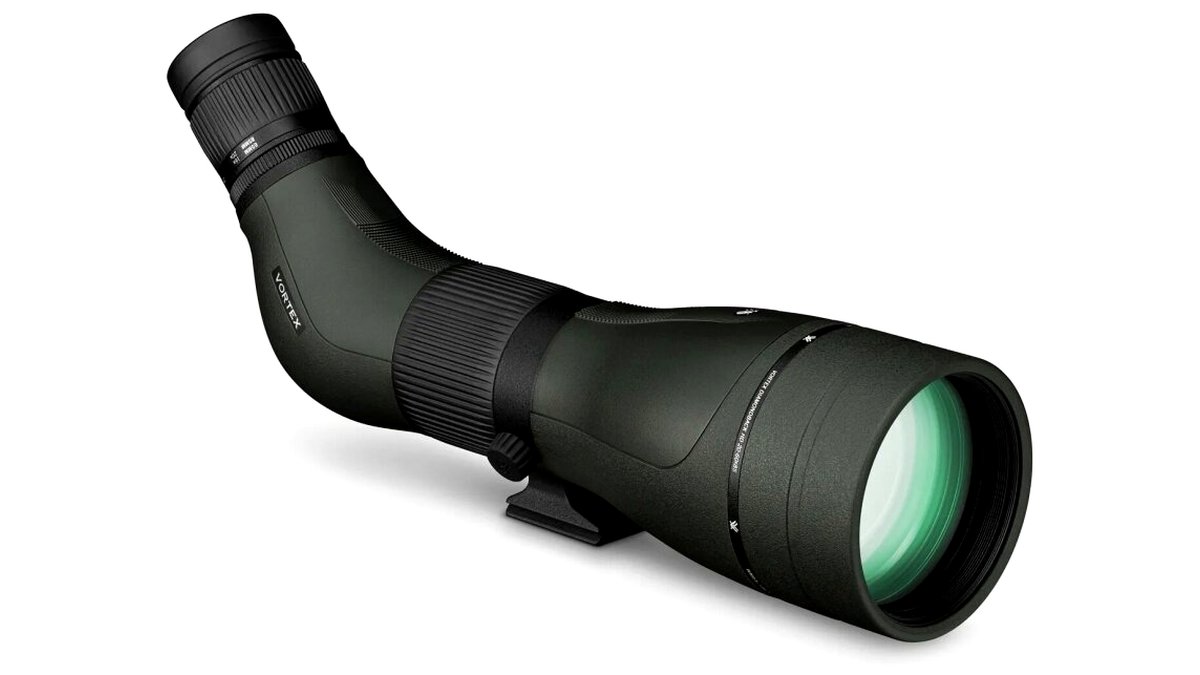
| Spotting scope (20-60x variable, 60-85mm objective) | Long-range target viewing, birding at distance, range use | Tripod-mounted; variable zoom ranges per the maker’s listing | Not handheld-practical; requires a tripod for stable use |
Fit and compatibility notes
Eye relief matters for eyeglass wearers — look for binoculars the maker lists with long eye relief (commonly stated around 15mm or more) and fold-down or twist-up eyecups, which let glasses-wearers still see the full field of view. Interpupillary distance (the spacing between your eyes) needs to match the binocular’s adjustable range, which is listed on most product specs and is rarely an issue for adults but worth checking for younger users. Spotting scopes need a compatible tripod with sufficient height and a smooth pan head; many scopes use a standard tripod mount but check the maker’s stated thread or plate compatibility before assuming an existing tripod will work. Waterproof and fog-proof (nitrogen or argon-purged) ratings, when stated by the maker, matter most for hunters, birders, and marine use where the optic will see rain, humidity, or temperature swings.
Pick this if…
| Situation | Pick |
|---|---|
| You want one travel-friendly optic for concerts and light outdoor use | Compact 8×25 or 10×25 binocular |
| You hike or bird-watch most of the day and carry your own gear | Mid-size 8×32 binocular |
| You want the most common, well-rounded nature/hunting setup | Full-size 8×42 binocular |
| You stargaze or view across open fields and can brace or tripod-mount | Large 10×50 or 12×50 binocular |
| You need more reach than any binocular for range work or distant birding | Spotting scope with a sturdy tripod |
| You wear glasses | Any option with long stated eye relief and adjustable eyecups |
Alternatives worth knowing about
- Monoculars — a single-tube alternative that’s lighter and cheaper than a binocular, trading away two-eyed depth perception for pocketability.
- Image-stabilized binoculars — some makers offer electronically stabilized binoculars that reduce hand shake at higher magnifications, useful on a boat or from a moving vehicle, at a notably higher price than non-stabilized models.
- Digital/smart binoculars with built-in cameras — combine viewing with photo or video capture, aimed at buyers who want to record what they see rather than just view it, generally at reduced optical quality compared with a dedicated optical binocular at the same price.
- A phone-scope adapter — a mount that attaches a smartphone behind a binocular or spotting scope’s eyepiece, letting you photograph or film through existing optics instead of buying a separate digital unit; results depend heavily on the base optic’s quality and how well the adapter aligns the phone’s lens.
Frequently Asked Questions
Is higher magnification always better?
No. Higher magnification narrows the field of view, darkens the image slightly at a given objective size, and amplifies hand shake, which is why most birding and hunting guides recommend 8x or 10x for handheld use rather than going higher.
What does “fully multi-coated” mean on a binocular listing?
It means every air-to-glass surface in the optic has multiple anti-reflective coating layers, which generally produces the brightest and highest-contrast image among the common coating tiers (coated, fully coated, multi-coated, fully multi-coated).
Do I need a tripod for binoculars?
Not for compact, mid-size, or most full-size binoculars used casually. Large binoculars (10×50 and up) and any extended viewing session benefit from a tripod adapter, which many makers sell separately for models that include a tripod mount socket.
What’s the difference between roof-prism and porro-prism binoculars?
Roof-prism binoculars are generally slimmer, lighter, and more weather-sealed, which is why most modern compact and mid-size binoculars use this design. Porro-prism binoculars are bulkier but often deliver a brighter image and wider field of view for the same price point, per most optics comparisons.
How do I know if a spotting scope will fit my tripod?
Check the maker’s stated mount type on the scope and compare it against your tripod’s head and plate specifications; most use a standard screw mount, but weight and height also matter since a lightweight tripod can struggle to hold a scope steady at high zoom.
Are waterproof ratings necessary for casual use?
For light use in dry climates, a waterproof rating is a nice-to-have rather than essential. For hunting, birding in wet conditions, or marine use, a maker-stated waterproof and fog-proof rating meaningfully reduces the risk of internal fogging or moisture damage.