Key takeaways
- Tripod compatibility: Larger-objective scopes need a stable, taller tripod to use the higher magnification range effectively; a lightweight photo tripod often isn’t rigid enough and will transmit vibration at full zoom.
- Eyepiece type: Straight eyepieces are easier to use from a vehicle or low glassing position, while angled eyepieces are often more comfortable for extended glassing sessions from a tripod at variable heights.
- Weatherproofing: Check the manufacturer’s stated waterproof and fog-resistant rating, since hunting optics are regularly exposed to rain, snow, and temperature swings between a warm pack and cold air.
- Digiscoping adapters: Hunters wanting to photograph or video animals through the scope should confirm the eyepiece accepts a phone or camera adapter before buying, as not every model supports this.
- Pack weight budget: Weigh the scope, tripod, and case together against the rest of a backcountry kit; many hunters underestimate how much a “compact” scope setup still adds to overall pack weight.
Hunters glassing open terrain at long range need a larger-objective scope with high magnification, those hiking into position need a compact, lighter scope that won’t weigh down a pack, and hunters mainly confirming shots at moderate range do fine with a mid-size, mid-magnification model. Spotting scope choice for hunting comes down to balancing optical reach against weight and low-light performance, since no single scope excels at all three.
As an Amazon Associate, we earn from qualifying purchases made through links on this page.
Who Needs a Hunting Spotting Scope
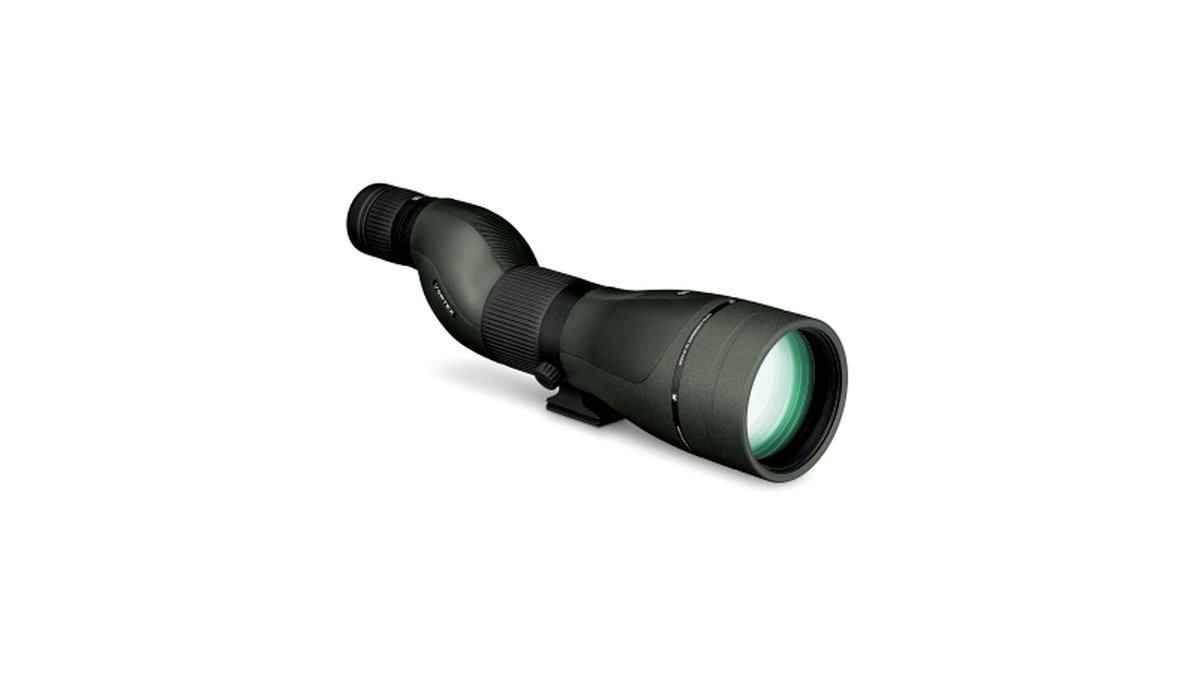
A spotting scope earns its place in a hunter’s kit when a rifle scope or binoculars aren’t enough to judge distance, confirm an animal’s age or sex, or scan a canyon or ridge line from a stationary glassing position. They matter most for open-country hunters, long-range shooters confirming hits, and anyone judging antlers or horns before deciding whether to take a shot.
Hunting Spotting Scopes at a Glance
| Category | Best for | Key stated specs | Limits |
|---|---|---|---|
| Compact/lightweight scopes | Backcountry hunters covering ground on foot | The maker lists a smaller objective lens, around 50-65mm, and reduced overall weight | Gathers less light at dusk and dawn than larger-objective scopes |
| Mid-size scopes | General glassing and shot confirmation at moderate range | The maker lists an objective lens in the 65-80mm range with moderate zoom magnification | A compromise pick; not the lightest for hiking nor the best in low light |
| Large-objective scopes | Long-range glassing in open terrain, low-light scanning | The maker lists an 80mm or larger objective lens and higher maximum magnification | Noticeably heavier and bulkier, generally requires a sturdy tripod |
Picking by Hunting Style
Open-Country and Long-Range Glassing
Hunters glassing mountainsides, canyons, or wide-open plains benefit most from a large-objective scope, since more glass gathers more light and supports higher usable magnification at distance. This matters especially during the low-light hours around dawn and dusk when animals are most active.
Backcountry and Spot-and-Stalk Hunts
When the scope has to ride in a pack for miles, a compact model is the more practical choice even though it gives up some light-gathering ability. Reviewers covering backcountry optics routinely note that a scope left at camp because it was too heavy to carry provides zero value in the field.
Shot Confirmation and General Use
Hunters mainly using a spotting scope to verify a hit, check an animal’s position after a shot, or scan a known hunting area don’t always need the largest glass. A mid-size scope keeps weight manageable while still outperforming binoculars for fine detail at distance.
Fit, Mounting and Compatibility Notes
- Tripod compatibility: Larger-objective scopes need a stable, taller tripod to use the higher magnification range effectively; a lightweight photo tripod often isn’t rigid enough and will transmit vibration at full zoom.
- Eyepiece type: Straight eyepieces are easier to use from a vehicle or low glassing position, while angled eyepieces are often more comfortable for extended glassing sessions from a tripod at variable heights.
- Weatherproofing: Check the manufacturer’s stated waterproof and fog-resistant rating, since hunting optics are regularly exposed to rain, snow, and temperature swings between a warm pack and cold air.
- Digiscoping adapters: Hunters wanting to photograph or video animals through the scope should confirm the eyepiece accepts a phone or camera adapter before buying, as not every model supports this.
- Pack weight budget: Weigh the scope, tripod, and case together against the rest of a backcountry kit; many hunters underestimate how much a “compact” scope setup still adds to overall pack weight.
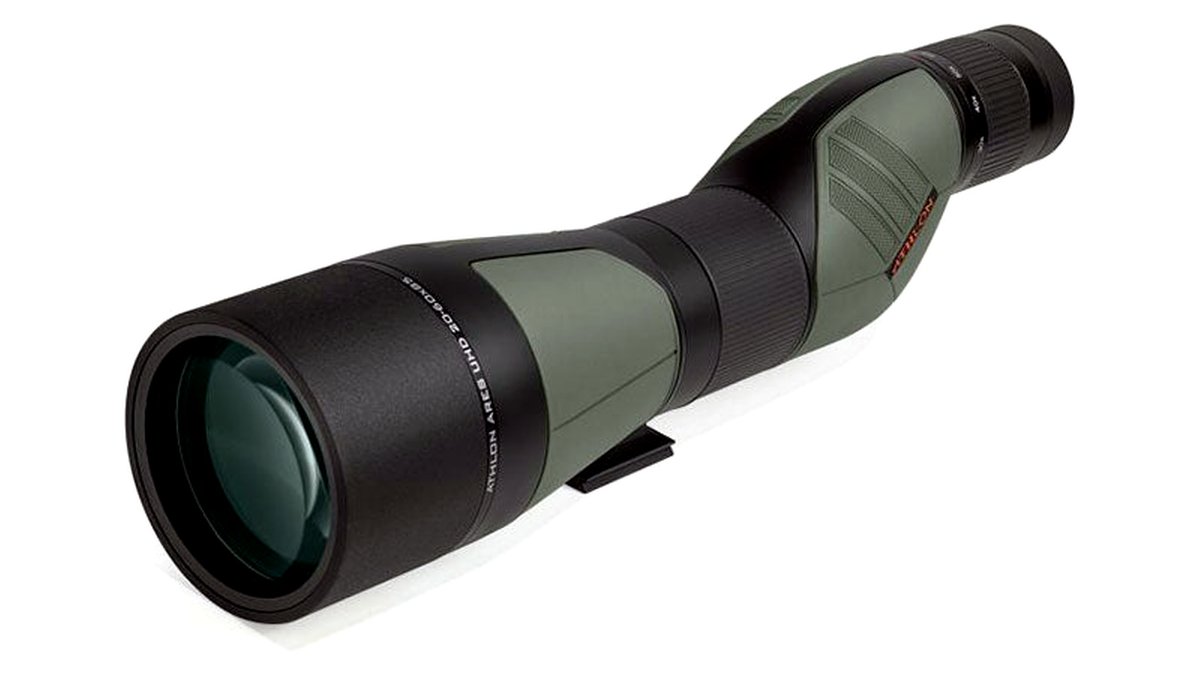
Pick This One If…
| Situation | Recommended category |
|---|---|
| You hike several miles into remote glassing spots | Compact/lightweight scope |
| You glass open plains or canyons at long range | Large-objective scope |
| You mostly confirm shots near a vehicle or stand | Mid-size scope |
| You hunt primarily at dawn and dusk in low light | Large-objective scope with a higher-quality lens coating |
Alternatives Worth Comparing
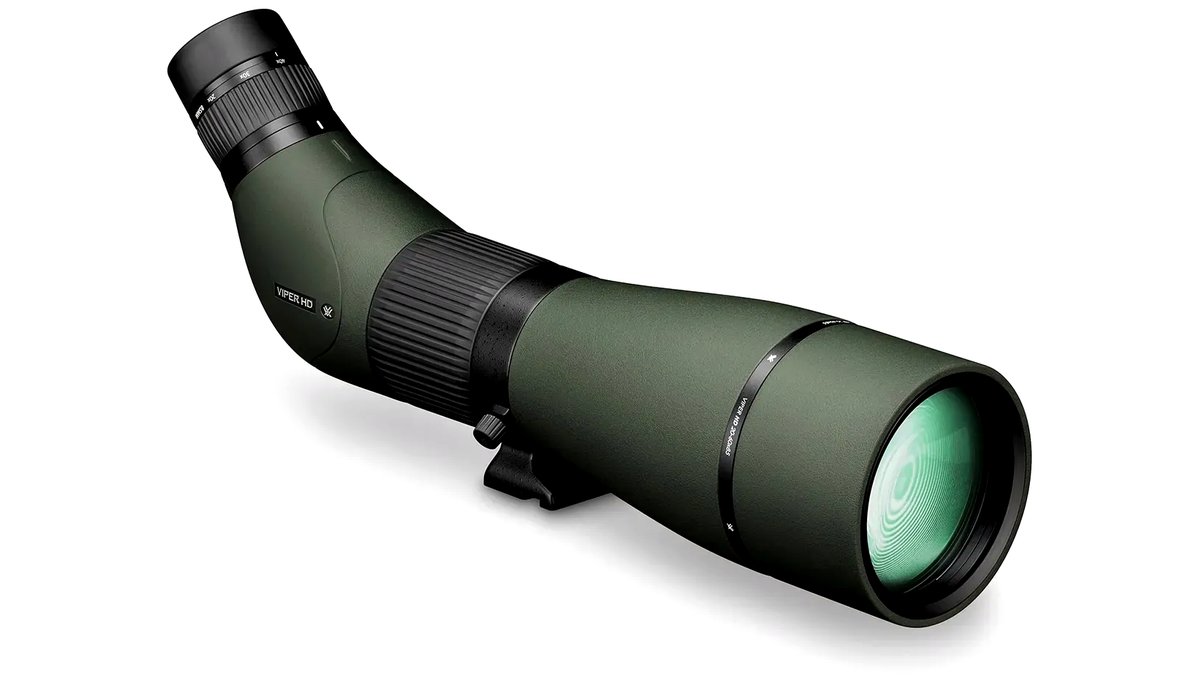
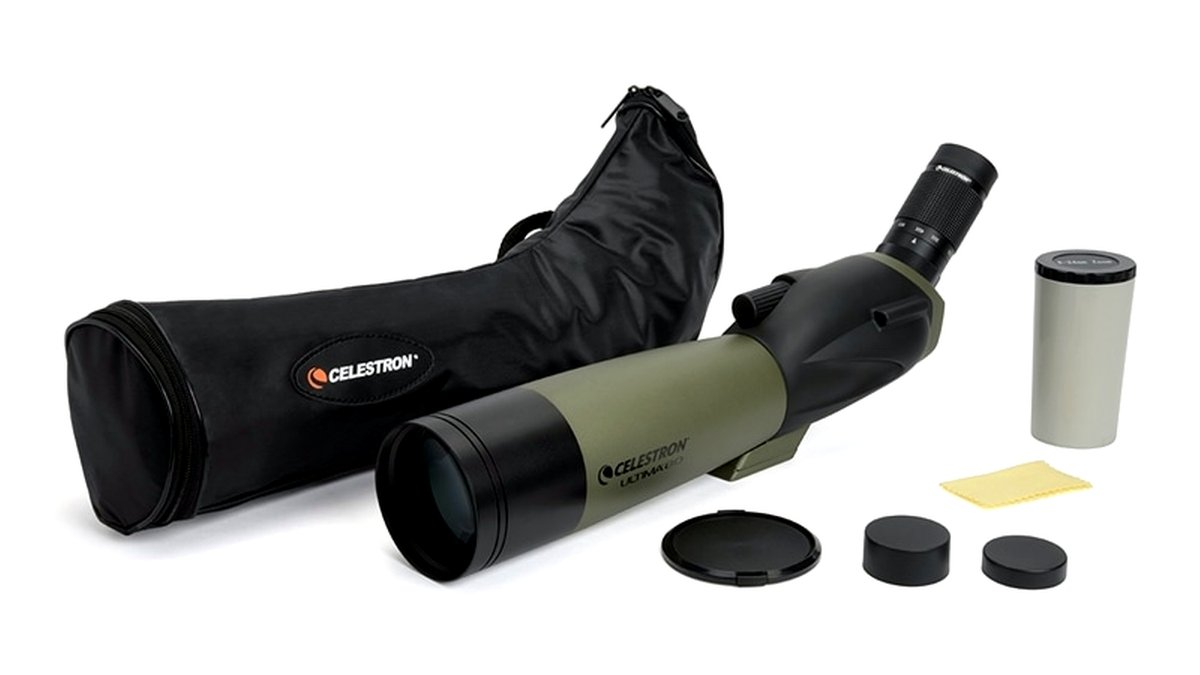
Hunters comparing spotting scope brands commonly cross-shop Vortex’s hunting-focused line, known for a strong warranty and a wide range of objective sizes. Celestron’s hunting and nature-observation scopes are a frequent budget-tier comparison, particularly for hunters who also use the scope for casual wildlife watching. Bushnell’s hunting scopes round out a common three-way comparison, often chosen by hunters wanting a recognizable brand at a mid-range price tier.
Common Buying Mistakes to Avoid
A common mistake is buying the largest-objective scope available without accounting for how far it will actually need to travel on foot, which leads to a heavy scope that stays in the truck instead of making it to a glassing spot. Weighing the full setup, including the scope, tripod, and case together, against a realistic hike distance helps avoid this trap before spending on the biggest glass available.
Another frequent error is pairing a high-magnification scope with an undersized or unstable tripod, which wastes much of the scope’s resolving power through vibration and shake at full zoom. Matching tripod weight rating and stability to the scope’s size, rather than reusing a lightweight tripod meant for a camera or smaller optic, makes a noticeable difference in usable image quality.
Buyers also sometimes overlook eyepiece orientation, assuming a straight eyepiece will work fine for all situations, when an angled eyepiece is often more comfortable for long glassing sessions at a tripod height that changes between standing and sitting positions. Testing both orientations, in a store or with a return-friendly purchase, helps settle personal preference before committing.
Frequently Asked Questions
What magnification range is actually useful for hunting?
Most hunting spotting scopes offer a zoom range, and reviewers generally note that atmospheric heat shimmer and hand or tripod shake limit how often the highest end of that range is usable in the field. A scope’s mid-range magnification is where most real-world glassing happens, with the top end reserved for calm, cool, early-morning conditions.
Do I need a tripod to use a spotting scope effectively?
Yes, a stable mounting point is essential once magnification climbs past what can be comfortably hand-held, which is true of nearly every hunting spotting scope. A sturdy tripod rated for the scope’s weight makes the difference between a usable image and a shaky, hard-to-focus view at higher zoom settings.
How much does objective lens size actually matter?
A larger objective lens gathers more light, which improves image brightness and clarity in low-light conditions like early morning or late evening glassing. The tradeoff is weight and bulk, so the right size depends on whether the scope will be carried far or used mainly from a vehicle or fixed position.
Can a spotting scope replace a good pair of binoculars?
No, the two tools serve different purposes: binoculars are faster to use for scanning wide areas and tracking movement, while a spotting scope excels at examining a single distant point in fine detail once something interesting has been spotted. Most serious hunters carry both rather than relying on one alone.
Will a spotting scope hold up in rain, snow, and cold temperatures?
Most hunting-grade spotting scopes are built with weatherproofing and fog resistance, but the exact rating varies by model, so checking the manufacturer’s specifications is important before relying on a scope in harsh weather. Following the maker’s guidance on temperature range and moisture exposure helps avoid internal fogging or seal damage over time. Storing a scope in a padded case while in transit, rather than loose in a pack or vehicle, also reduces the risk of lens or housing damage over repeated trips into the field.
Is a more expensive spotting scope always worth it for hunting?
Higher-tier scopes generally offer better glass clarity, lens coatings, and low-light performance, which matters most to hunters who glass frequently at dawn and dusk or at long range. Occasional or close-range hunters often get adequate performance from a mid-range model and may not notice the full benefit of premium glass. Hunters on a tighter budget are generally better served putting extra money toward a sturdier tripod rather than the priciest scope available, since an unstable mount undermines even the best optics at long range.