Key takeaways
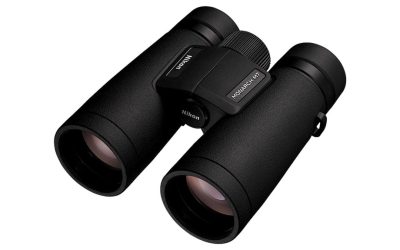
- Nikon Monarch series: A frequently cited competitor at similar price points, often compared directly against Vortex’s Viper line for glass quality and value.
- Leupold’s mid-tier hunting binoculars: Another well-regarded hunting-focused brand offering comparable waterproof, fogproof construction at competitive price tiers.
- Celestron Nature series: Generally positioned at a more budget-friendly price point, useful for casual or occasional users not ready to invest in a hunting-grade pair.
Budget-conscious beginners get the most value from Vortex’s entry-level Crossfire or Diamondback-class binoculars, serious birders and hunters who want a noticeable step up in glass clarity should look at the mid-tier Viper line, and anyone who needs the sharpest possible image in low light at a premium price should consider the flagship Razor line. Vortex Optics built its reputation across hunting, birding, and general outdoor optics on a tiered lineup that scales glass quality, coatings, and build features with price, plus an unconditional warranty policy that reviewers consistently cite as a major reason buyers trust the brand even at entry-level price points.
As an Amazon Associate, we earn from qualifying purchases made through links on this page.
Understanding Vortex’s Tiered Lineup
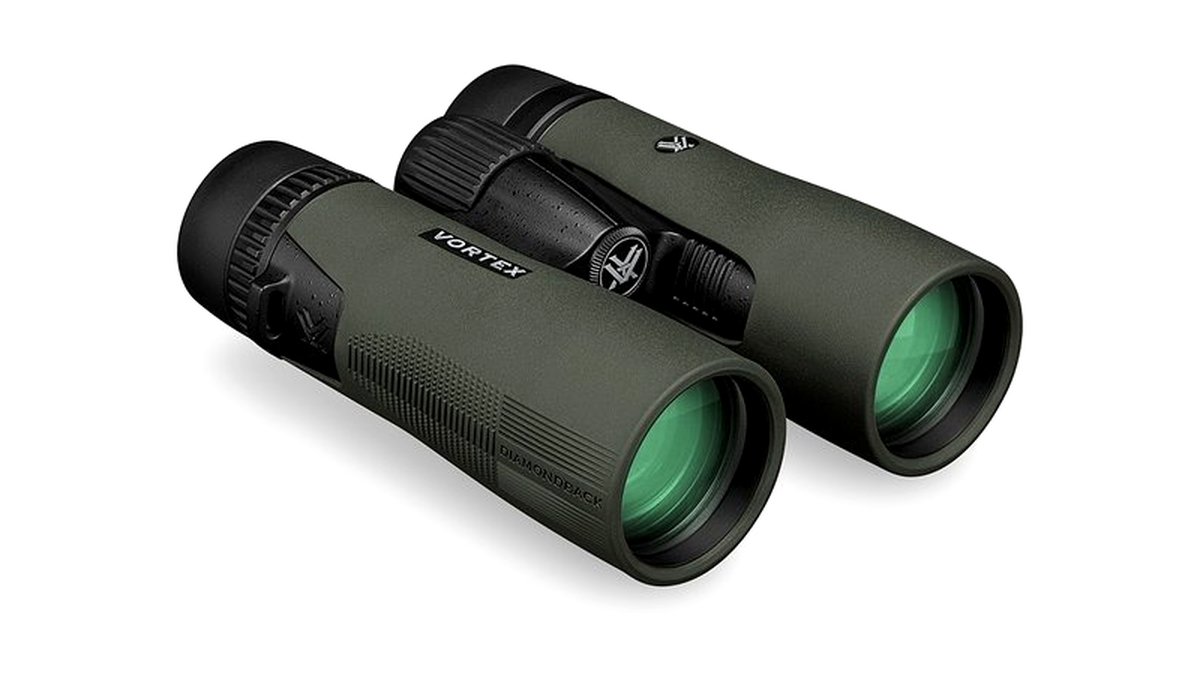
Vortex organizes its binocular range into clear tiers rather than one flagship product, which makes comparison shopping easier once the tiers are understood. Entry-level models prioritize affordability and durability for casual outdoor use. Mid-tier models add better glass, lens coatings, and often a wider field of view or closer minimum focus distance. Flagship models push optical clarity, light transmission, and edge-to-edge sharpness as far as the brand’s engineering allows, at a correspondingly higher price. Within each tier, magnification and objective lens size (written as, for example, 8×42 or 10×50) still need to be matched to the intended use, since tier alone does not determine whether a pair suits birding versus big-game hunting versus marine use.
Magnification and Objective Lens Size
The two numbers in a binocular’s name describe magnification power and objective lens diameter in millimeters. Higher magnification (10x or above) brings distant subjects closer but narrows the field of view and amplifies hand shake, making a steady hold or a tripod more important. Lower magnification (7x or 8x) offers a wider field of view and a brighter, steadier image, which many birders and reviewers prefer for finding and tracking moving subjects. A larger objective lens gathers more light, improving low-light and dawn/dusk performance, but also adds size and weight, so the right combination depends on balancing brightness against portability for the planned use.
Glass Quality, Coatings, and Light Transmission
The biggest practical difference between Vortex’s tiers comes down to glass quality and lens coatings rather than magnification numbers. Fully multi-coated lenses, found across most of the lineup, reduce glare and improve light transmission compared to basic coated lenses. Higher tiers add extra-low dispersion glass and more advanced coatings that the maker lists as improving color accuracy, contrast, and brightness, particularly noticeable in low-light conditions like early morning or deep forest canopy. Reviewers consistently note that the jump from entry-level to mid-tier glass is the most noticeable upgrade for the money, with diminishing returns (though still real improvements) moving from mid-tier to flagship.
Waterproofing, Fogproofing, and Durability
Most of Vortex’s binoculars, including entry-level models, are built with rubber-armored housings and are both waterproof and fogproof via nitrogen or argon purging, which the maker lists as preventing internal fogging across a range of temperatures. This matters for anyone using binoculars in rain, humidity, or significant temperature swings between morning and midday, which covers most outdoor hunting and birding use. Build ruggedness, including resistance to drops and rough handling, tends to improve at higher tiers, though even entry-level models are generally built for typical field use rather than delicate handling only.
Eye Relief and Eyeglass Compatibility
Binocular users who wear eyeglasses need sufficient eye relief (the distance the eye can be from the eyepiece while still seeing the full field of view) and twist-up eyecups that can be adjusted to compensate. Vortex lists eye relief figures for each model, and reviewers who wear glasses generally recommend checking this spec specifically rather than assuming all models in a lineup perform the same, since eye relief can vary between models even within the same tier.
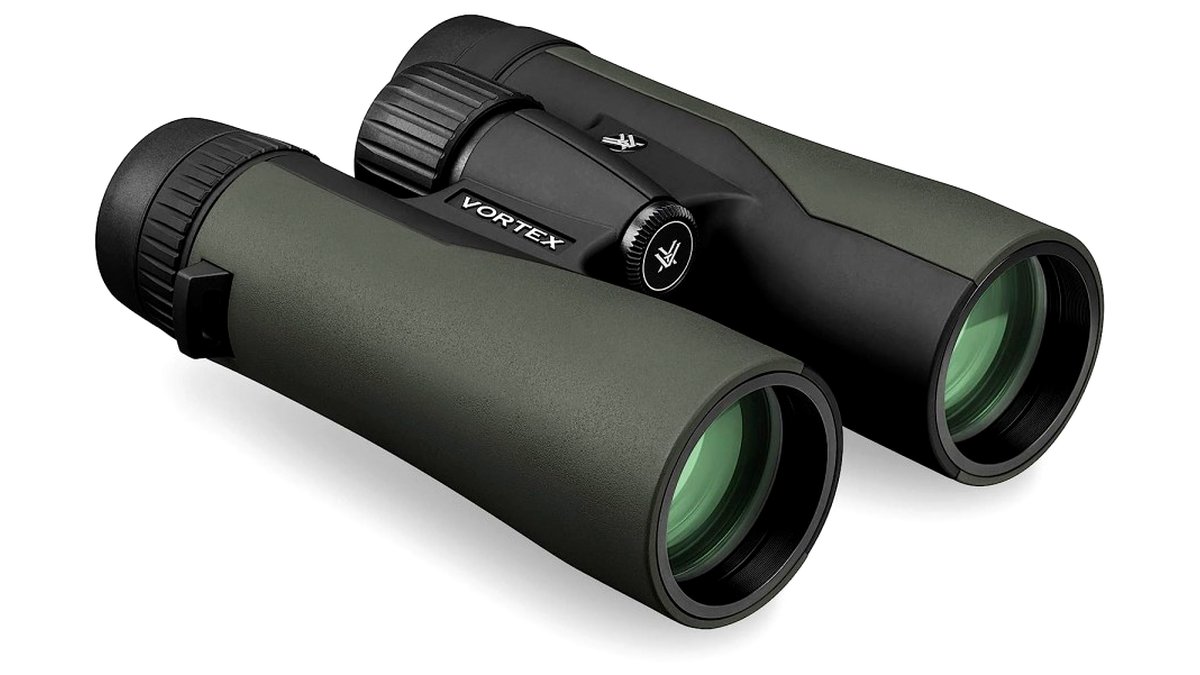
At a Glance Comparison
| Tier/Line | Best For | Key Stated Specs | Limits |
|---|---|---|---|
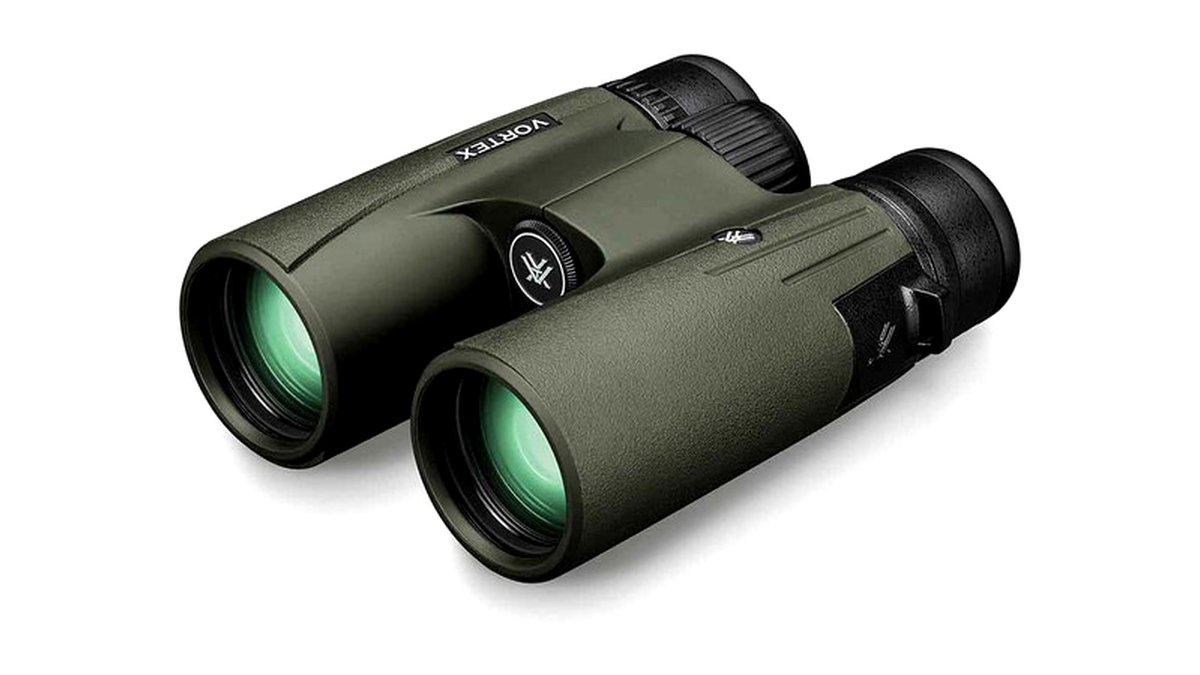
| Entry-level (Crossfire/Diamondback-class) | Beginners, casual outdoor use, backup pair | Fully multi-coated lenses, waterproof/fogproof housing, Vortex’s warranty coverage | Less edge-to-edge sharpness and lower light transmission than higher tiers |
| Mid-tier (Viper-class) | Serious birders and hunters wanting a clear step up in glass quality | Improved coatings, wider field of view or closer focus on many models | Noticeably higher price than entry-level without flagship-level glass |
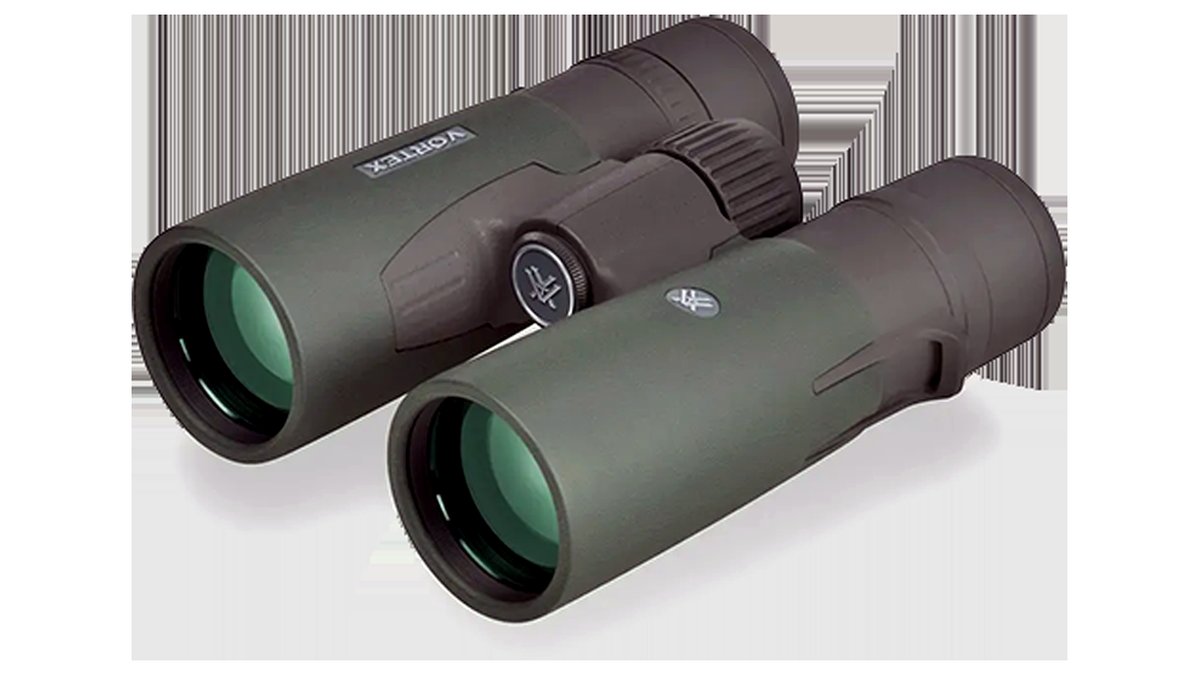
| Flagship (Razor-class) | Buyers prioritizing the sharpest image and best low-light performance | Extra-low dispersion glass, advanced coatings, premium build | Highest price point in the lineup; heavier in some configurations |
Pick the Right Binoculars If…
| Situation | Recommended Line/Spec |
|---|---|
| You are buying your first pair and are not sure how often you’ll use them | Entry-level tier, 8×42 configuration |
| You bird-watch frequently and want a wide field of view | Mid-tier, 8x magnification for a wider, steadier view |
| You hunt big game at longer distances in open terrain | Mid-tier or flagship, 10x magnification with a larger objective lens |
| You need the best possible low-light performance for dawn/dusk hunting | Flagship tier with the largest objective lens you can comfortably carry |
| You wear eyeglasses while glassing | Any model with generous stated eye relief and adjustable eyecups |
| You need a lightweight pair for all-day hiking | Compact models with smaller objective lenses, even if that means less low-light brightness |
Fit and Compatibility Notes
Binoculars are not one-size-fits-all in the way a camera accessory might be; interpupillary distance (the spacing between a user’s eyes) needs to fall within a given model’s adjustable hinge range, which is rarely an issue for adults but worth checking for younger users. Anyone planning to mount binoculars on a tripod for extended glassing sessions should check whether a given model includes a tripod adapter thread or requires a separate adapter accessory, since not every model in the lineup supports the same mounting hardware.
A Few Alternatives Worth Considering
- Nikon Monarch series: A frequently cited competitor at similar price points, often compared directly against Vortex’s Viper line for glass quality and value.
- Leupold’s mid-tier hunting binoculars: Another well-regarded hunting-focused brand offering comparable waterproof, fogproof construction at competitive price tiers.
- Celestron Nature series: Generally positioned at a more budget-friendly price point, useful for casual or occasional users not ready to invest in a hunting-grade pair.
Frequently Asked Questions
What does the warranty actually cover on Vortex binoculars?
Vortex is widely known for an unconditional, transferable warranty policy that the maker states covers damage regardless of cause, excluding loss or theft, across most of its optics line. Specific terms can change, so checking the maker’s current warranty page for the exact model purchased is the most reliable way to confirm coverage.
Is 8x or 10x magnification better for most uses?
Neither is universally better; 8x generally offers a wider field of view and a steadier handheld image, which many birders and generalist users prefer, while 10x brings distant subjects closer at the cost of a narrower view and more noticeable hand shake, often preferred by hunters glassing open terrain at longer range.
Do more expensive Vortex binoculars really look that much better than entry-level ones?
Reviewers consistently report a noticeable improvement in brightness, contrast, and edge sharpness moving from entry-level to mid-tier glass, with further but smaller improvements moving up to flagship tiers. Whether the upgrade is worth the price depends on how often and in what lighting conditions the binoculars will be used.
Can I use Vortex binoculars in the rain?
Most current Vortex binocular models, including entry-level ones, are built waterproof and fogproof, which the maker states protects the internal optics from moisture and condensation. Checking the specific model’s stated waterproofing rating is still worthwhile before heavy exposure to sustained rain or submersion.
How do I know if a binocular pair will work well with my eyeglasses?
Check the model’s stated eye relief figure and confirm it has twist-up, lockable eyecups that can be adjusted down for eyeglass use. Longer eye relief generally makes it easier to see the full field of view while wearing glasses.
Are compact binoculars as good as full-size ones for hunting?
Compact models trade some low-light brightness and field of view for significantly reduced weight and bulk, which matters for all-day carry on foot. For dawn and dusk hunting specifically, where light gathering matters most, many hunters still prefer a full-size pair with a larger objective lens despite the added weight.