Key takeaways
- Sensor size. APS-C (“crop”) bodies are lighter, cheaper, and pair with a wide range of EF-S lenses. Full-frame bodies give a wider field of view per lens, better low-light performance, and shallower depth of field, but both the body and compatible EF lenses cost more and weigh more.
- Autofocus system. Entry bodies typically use a basic phase-detection array with a handful of focus points active through the optical viewfinder, plus a slower but more flexible Dual Pixel CMOS AF when shooting through the rear screen in live view. Enthusiast and pro bodies add far more cross-type points, faster tracking, and better performance in dim light.
- Burst speed and buffer. Casual shooters rarely need more than a few frames per second. Sports and wildlife shooters should prioritize both a high burst rate and a buffer deep enough to hold a long sequence of full-resolution raw files before the camera slows down.
- Weather sealing and build. Entry DSLRs use mostly polycarbonate shells with light sealing. Mid-tier and professional bodies add magnesium-alloy chassis and gasket sealing around dials and doors, which matters for anyone shooting outdoors in rain, dust or cold.
- Lens compatibility. EF-S lenses only mount on crop-sensor bodies. EF lenses mount on both crop and full-frame bodies, so buyers who expect to upgrade to full frame later should favor EF glass from the start even on a crop body.
- Video needs. If 4K recording matters, check the specific body: some crop-sensor models apply a sensor crop or line-skipping in 4K mode, which affects field of view and detail compared with their 1080p output.
Photographers who want full manual control and an optical viewfinder should look at a crop-sensor Canon DSLR with a kit zoom for general use, while anyone shooting sports, wildlife or low light will do better with a higher-tier body that has a faster sensor and tougher build. Canon has shifted most of its new-camera development to the mirrorless EOS R system, so the DSLR line is now a mature, mostly unchanged catalog rather than a yearly-refreshed one; that is good news for buyers because prices on existing stock and used units have settled and the lens ecosystem is enormous.
As an Amazon Associate, we earn from qualifying purchases made through links on this page.
Because Canon is not releasing new DSLR bodies, this guide groups cameras by sensor size and intended use rather than by model year. Within each tier, the maker’s own spec sheets are the source for resolution, autofocus points and video limits; where a claim could not be independently confirmed it is described only in general terms.
How to choose a Canon DSLR
- Sensor size. APS-C (“crop”) bodies are lighter, cheaper, and pair with a wide range of EF-S lenses. Full-frame bodies give a wider field of view per lens, better low-light performance, and shallower depth of field, but both the body and compatible EF lenses cost more and weigh more.
- Autofocus system. Entry bodies typically use a basic phase-detection array with a handful of focus points active through the optical viewfinder, plus a slower but more flexible Dual Pixel CMOS AF when shooting through the rear screen in live view. Enthusiast and pro bodies add far more cross-type points, faster tracking, and better performance in dim light.
- Burst speed and buffer. Casual shooters rarely need more than a few frames per second. Sports and wildlife shooters should prioritize both a high burst rate and a buffer deep enough to hold a long sequence of full-resolution raw files before the camera slows down.
- Weather sealing and build. Entry DSLRs use mostly polycarbonate shells with light sealing. Mid-tier and professional bodies add magnesium-alloy chassis and gasket sealing around dials and doors, which matters for anyone shooting outdoors in rain, dust or cold.
- Lens compatibility. EF-S lenses only mount on crop-sensor bodies. EF lenses mount on both crop and full-frame bodies, so buyers who expect to upgrade to full frame later should favor EF glass from the start even on a crop body.
- Video needs. If 4K recording matters, check the specific body: some crop-sensor models apply a sensor crop or line-skipping in 4K mode, which affects field of view and detail compared with their 1080p output.
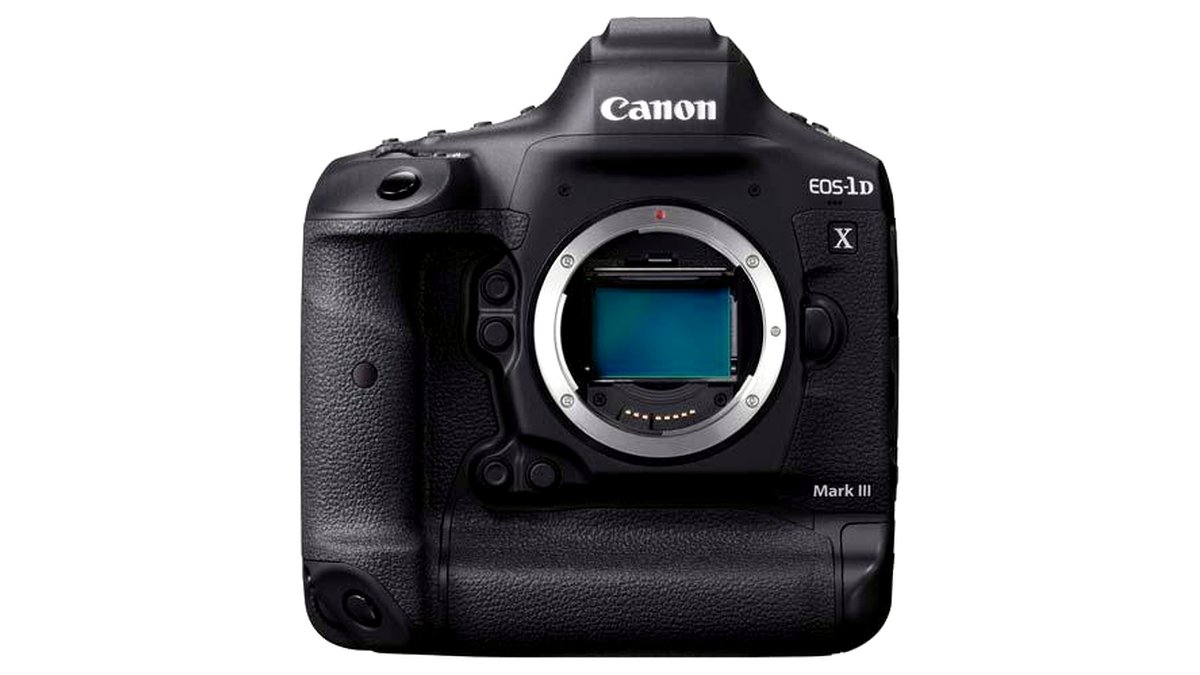
At a glance: Canon DSLR tiers
| Tier | Best for | Key stated specs | Limits |
|---|---|---|---|
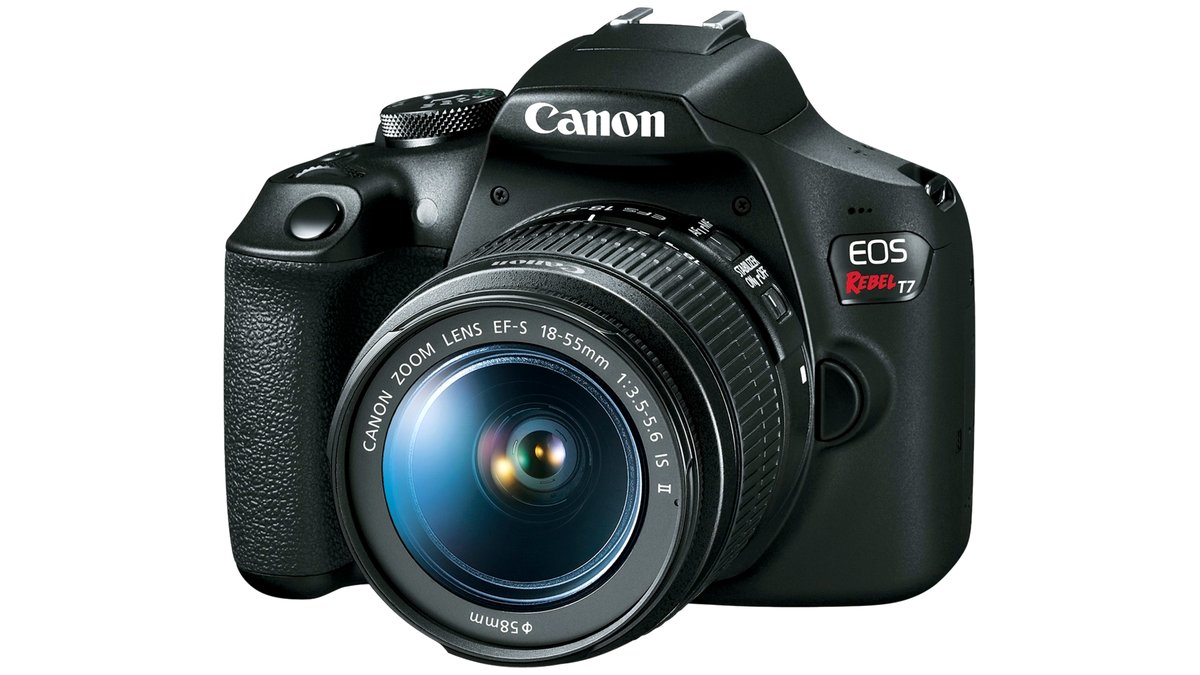
| Entry APS-C | First-time DSLR buyers, family and travel photos | Mid-20-megapixel class sensor, basic optical-viewfinder AF array, Dual Pixel AF in live view, built-in Wi-Fi/Bluetooth on recent models | Fewer AF points through the viewfinder, modest burst rate, light weather sealing |
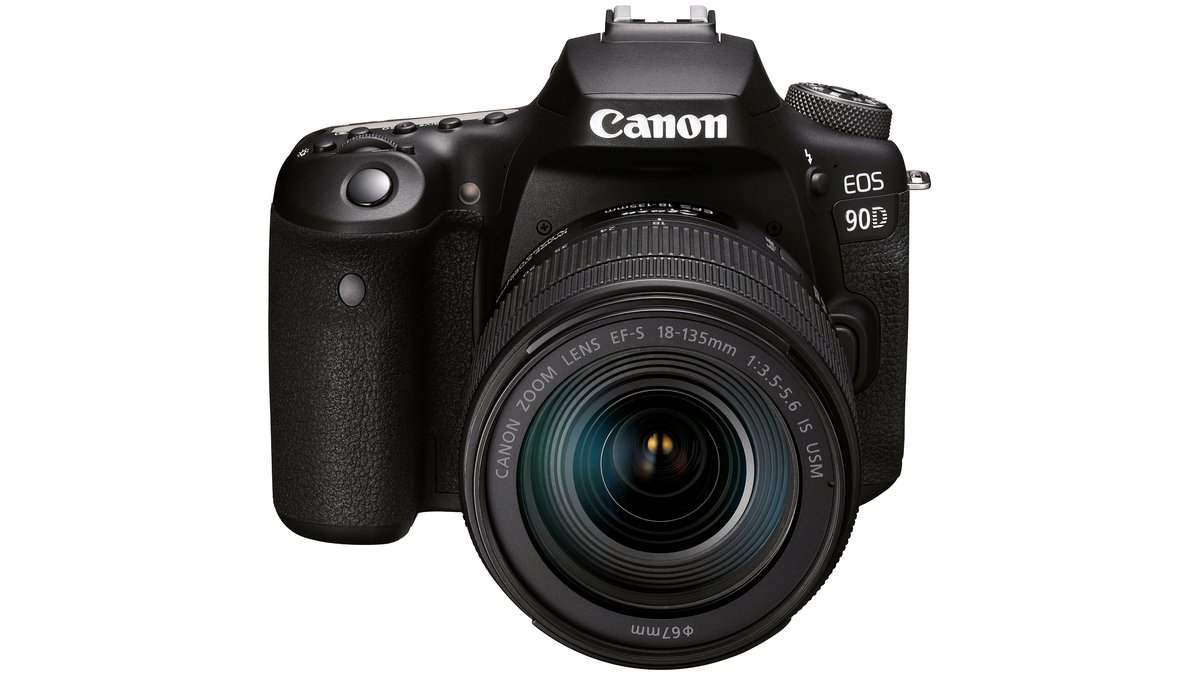
| Enthusiast APS-C | Hobbyists who shoot action, wildlife or events on a crop body | Higher-resolution sensor, larger and brighter viewfinder, faster burst shooting, twin control dials | Heavier and pricier than entry bodies; still APS-C depth-of-field characteristics |
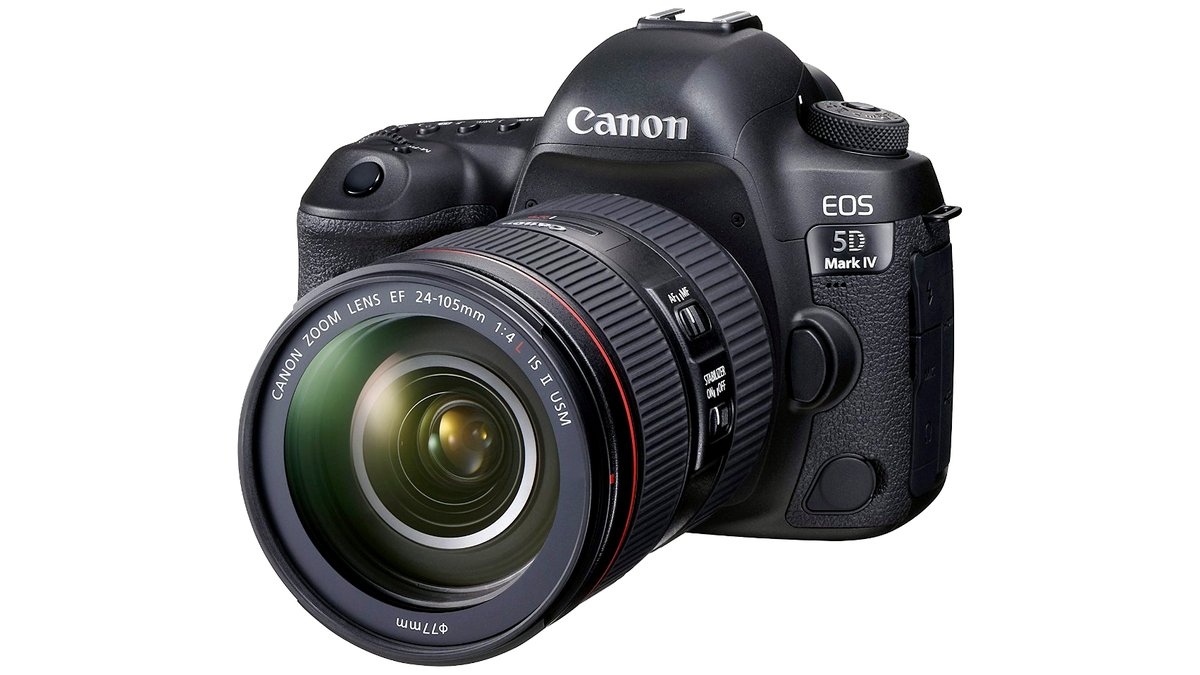
| Full-frame enthusiast/prosumer | Portrait, landscape and low-light shooters who want full-frame image quality without a flagship price | Full-frame sensor, dual card slots on some models, improved dynamic range reported by independent reviewers | EF lenses needed for best results, larger body and lens kit, higher cost of entry |
| Professional full-frame | Working photographers who need speed and ruggedness | Fast continuous shooting, extensive cross-type AF array, magnesium-alloy weather-sealed body | Large and heavy, steep learning curve, premium tier pricing |
Pick X if…
| If you… | Choose |
|---|---|
| Are buying your first interchangeable-lens camera | An entry APS-C body with the kit zoom lens |
| Shoot youth sports or birds and need faster, more reliable tracking | An enthusiast APS-C body with a telephoto zoom |
| Want full-frame image quality for portraits or landscapes | A full-frame enthusiast body paired with EF prime or zoom lenses |
| Already own EF-S lenses and don’t want to replace them | Stay on APS-C and move up within that line rather than switching to full frame |
| Need video more than stills | Consider a mirrorless EOS R body instead, since Canon’s newest autofocus and video features are concentrated there |
Entry APS-C: the practical starting point
For a first DSLR, Canon’s entry-level Rebel-series bodies remain a sensible choice because they are simple to operate, light enough to carry daily, and compatible with a deep catalog of affordable EF-S lenses, extension tubes, and flashes built up over more than a decade. The maker lists a mid-20-megapixel sensor on recent entry models, which is more than enough resolution for prints, social media, and cropping. The optical viewfinder uses a modest autofocus array, so tracking fast-moving subjects through the viewfinder is not this tier’s strength; switching to live view engages Dual Pixel CMOS AF, which focuses more smoothly for video and casual stills. Built-in Wi-Fi and Bluetooth on current models make transferring photos to a phone straightforward, which matters for buyers who want to share images without touching a computer.
Enthusiast APS-C: more speed, more control
One step up, enthusiast-tier crop bodies add a brighter and larger optical viewfinder, a more capable autofocus array with more points usable through the viewfinder, and a quicker continuous shooting rate. Independent reviewers have generally praised this tier’s balance of handling and value, noting the added second control dial speeds up manual exposure adjustments compared with entry bodies. This tier suits hobbyists photographing youth sports, dance recitals, or local wildlife who have outgrown an entry body’s autofocus and buffer limits but do not want to commit to full-frame cost and weight. Pairing one of these bodies with a mid-range telephoto zoom covers most action-photography needs without requiring professional glass.
Full-frame options: image quality for portraits and landscapes
Full-frame Canon DSLRs use a larger sensor that generally produces better low-light performance and shallower depth of field at a given aperture, both of which matter for portrait and event photographers. The maker’s spec sheets show these bodies typically add dual memory card slots, more robust bodies, and broader ISO ranges than APS-C models. Reviewers have noted the dynamic range and color rendering on these sensors hold up well when editing raw files, though actual results vary by lens and lighting. Because EF lenses are required to get the most from a full-frame body, buyers moving up from an APS-C kit lens should budget for new glass, since EF-S lenses from a crop-sensor kit will not mount on full-frame bodies at all.
Professional bodies: speed and durability for working photographers
At the top of the DSLR range, professional full-frame bodies emphasize continuous shooting speed, a dense array of cross-type autofocus points, and a magnesium-alloy chassis with extensive weather sealing. These are built for photographers who shoot in demanding conditions daily, such as sports and photojournalism, and the price and weight reflect that durability and speed. Casual or even enthusiast shooters are unlikely to need this tier; the learning curve and bulk outweigh the benefits unless the work genuinely calls for rapid-fire bursts and all-weather reliability.
Fit and compatibility notes
Check the lens mount before buying any lens: EF-S lenses only fit APS-C bodies, while EF lenses fit both APS-C and full-frame bodies, giving EF a size advantage for anyone who might upgrade later. Battery grips, remote releases and flash units are typically body-specific or at least tier-specific, so confirm compatibility with the exact model rather than assuming parts carry over across Canon’s DSLR lineup. Memory card requirements also vary: most APS-C bodies use a single SD card slot, while some full-frame and professional bodies add a second slot, often in a different card format, for backup or overflow recording.
Alternatives worth considering
- Canon EOS R-series mirrorless bodies. Canon’s current engineering investment is in the mirrorless R mount, so buyers who want the newest autofocus tracking, in-body stabilization on some models, and the best video specs should compare an entry R-series body against a DSLR before deciding.
- Used or refurbished DSLR bodies. Because the DSLR line is mature rather than actively refreshed, previous-generation bodies in good condition can offer most of the same capability at a lower cost; buy from a seller who states a return window and verify shutter count or visible wear where possible.
- A different brand’s APS-C mirrorless system. Shooters not already invested in Canon EF/EF-S lenses may find a comparably priced mirrorless APS-C camera from another maker offers newer autofocus technology for similar money.
Frequently Asked Questions
Is Canon still making new DSLR cameras?
Canon has not introduced significant new DSLR models in recent years and has concentrated new development on its mirrorless EOS R system. Existing DSLR bodies remain available through retail and used channels, and Canon continues to support them with service and accessories, but buyers should not expect new DSLR announcements going forward.
Can I use my existing Canon lenses on a new DSLR body?
EF lenses work on any EF-mount Canon DSLR, crop or full frame, so they carry forward across an upgrade. EF-S lenses only work on APS-C (crop-sensor) bodies and cannot be mounted on full-frame DSLRs, which is an important limit to check before buying a full-frame body.
Do I need a full-frame camera to get good portraits?
No. Many professional and enthusiast portraits are shot on APS-C bodies with a suitable lens; full frame simply makes certain effects, like very shallow background blur and low-light performance, easier to achieve. Lens choice and lighting generally matter more to portrait quality than sensor size alone.
Why would I choose a DSLR over a mirrorless camera today?
Some photographers prefer a DSLR’s optical viewfinder, which shows a direct, lag-free view of the scene, and the long-established lens and accessory ecosystem built up over the format’s history. Battery life on DSLRs is also often longer, since the optical viewfinder does not draw power the way an electronic viewfinder does.
What lens should come with a first Canon DSLR?
A standard kit zoom covering a moderate wide-to-telephoto range is the typical starting lens and suits general photography, travel and family use. Buyers with a specific interest, such as portraits or wildlife, should budget for a second lens such as a fast prime or longer telephoto zoom once they know their preferred subjects.
How much maintenance does a DSLR need?
Routine care includes keeping the sensor and lens contacts clean, storing the camera away from humidity and extreme temperatures, and having the sensor professionally cleaned if dust spots appear in images that a rubber air blower cannot clear. Following the maker’s manual for firmware updates and battery care also helps the body last longer.