Key takeaways
- Wide primes (roughly 13mm-24mm equivalent): Best for landscapes, astrophotography, interiors, and vlogging where a wider field of view is needed.
- Standard primes (roughly 33mm-35mm equivalent): The most versatile everyday focal length, suited to street photography, general walk-around use, and video work where a natural-looking perspective matters.
- Portrait primes (roughly 56mm-85mm equivalent): Favored for headshots and portraits where background blur and subject compression are priorities, often paired with a wide maximum aperture for shallow depth of field.
Mirrorless shooters who want a single affordable everyday prime should start with one of Viltrox’s standard autofocus primes in the 33mm to 35mm range (full-frame equivalent), portrait-focused buyers get the most value from the brand’s 56mm or 75mm-class options, and anyone needing a faster low-light lens on a tight budget should look at the wider-aperture f1.4 or f1.2-class primes in the lineup. Viltrox has built its reputation specifically on offering autofocus prime lenses for mirrorless mounts (Sony E, Fujifilm X, Nikon Z, and Canon RF among them) at prices well below the equivalent first-party lenses, without fully matching first-party build quality or autofocus speed in every case.
As an Amazon Associate, we earn from qualifying purchases made through links on this page.
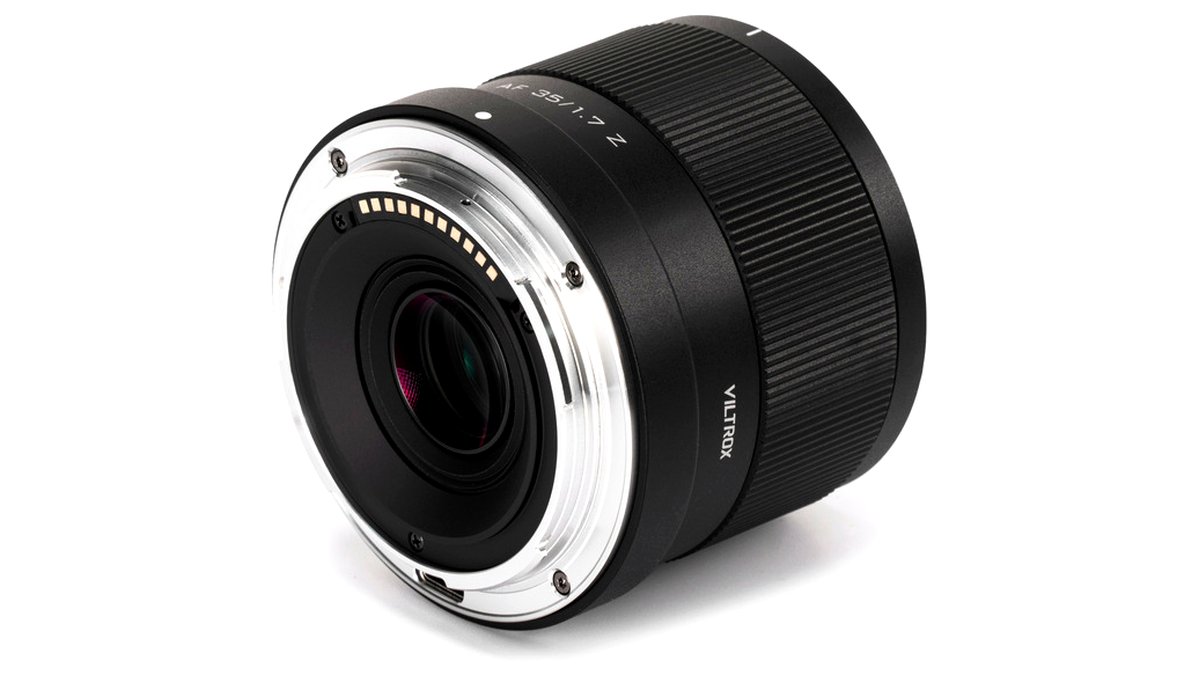
Why Viltrox Has Become a Go-To Budget Lens Brand
Before third-party autofocus primes like Viltrox’s became widely available, mirrorless shooters on a budget were mostly limited to manual-focus lenses or whatever first-party options existed at a given focal length. Viltrox’s lenses add working autofocus, often paired with reasonably fast maximum apertures, at a price point that opened up primes to buyers who previously would have stuck with a kit zoom. Reviewers generally describe the tradeoff as solid optical performance for the price with some compromises in autofocus speed, weather sealing, and build materials compared to first-party glass, which is a fair tradeoff for many hobbyists and content creators but a bigger consideration for professionals shooting paid, time-sensitive work.
Mount Compatibility Matters More Than the Lens Itself
Because Viltrox makes versions of many of its lenses across multiple mounts, the single most important spec to check before buying is mount compatibility with the specific camera body in use. A lens built for Sony E-mount will not physically or electronically work on a Fujifilm X-mount body, and even within compatible mounts, firmware updates matter: the maker periodically releases firmware updates for autofocus performance, and checking that a purchased lens has current firmware (or applying an update after purchase) can resolve some early autofocus quirks reported by early reviewers of a given lens.
Focal Length Choices and What Each Is Best For
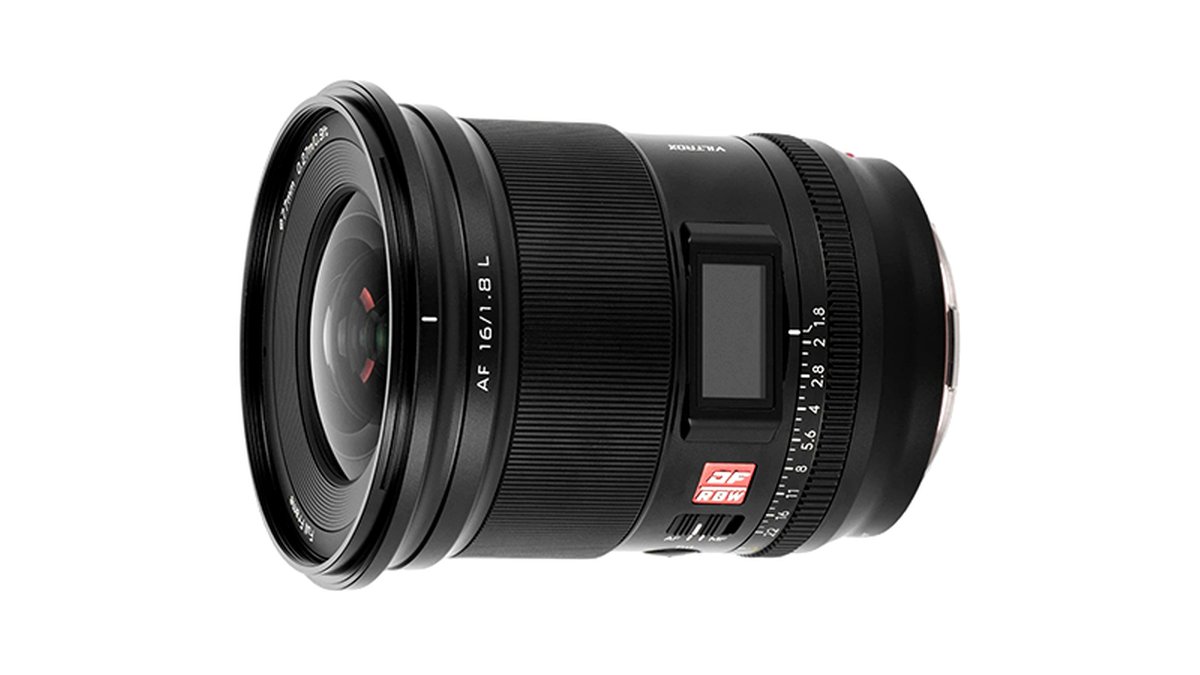
Viltrox’s lineup covers wide, standard, and portrait-length primes, each suited to different shooting styles:
- Wide primes (roughly 13mm-24mm equivalent): Best for landscapes, astrophotography, interiors, and vlogging where a wider field of view is needed.
- Standard primes (roughly 33mm-35mm equivalent): The most versatile everyday focal length, suited to street photography, general walk-around use, and video work where a natural-looking perspective matters.
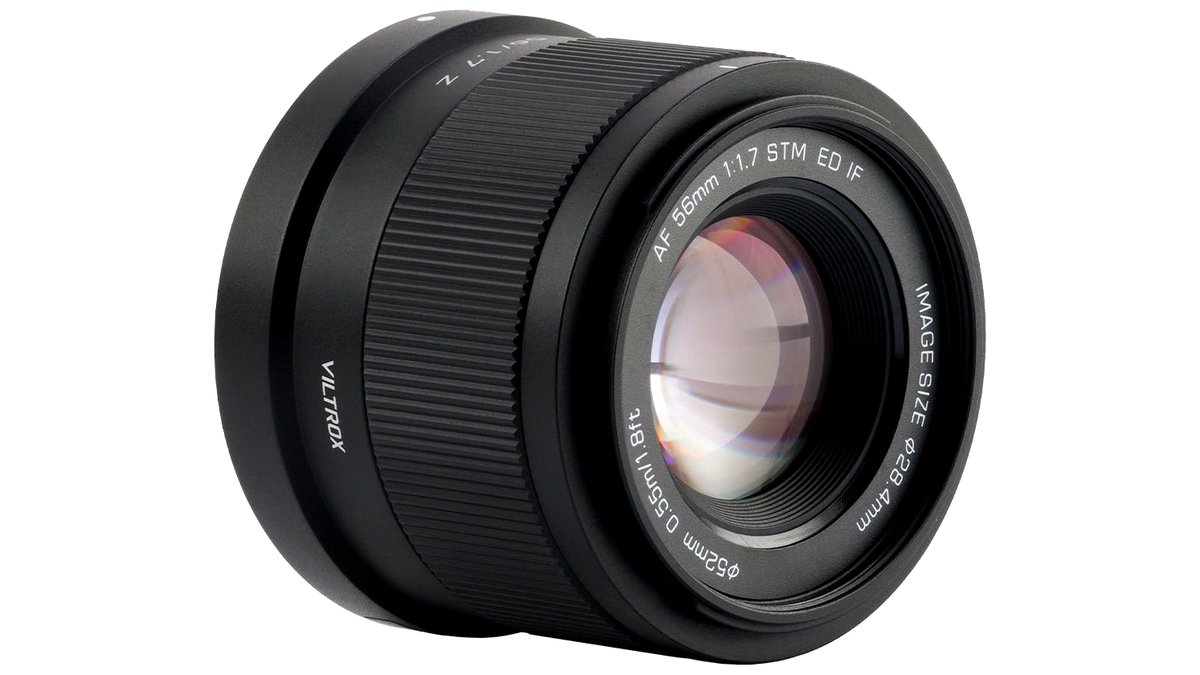
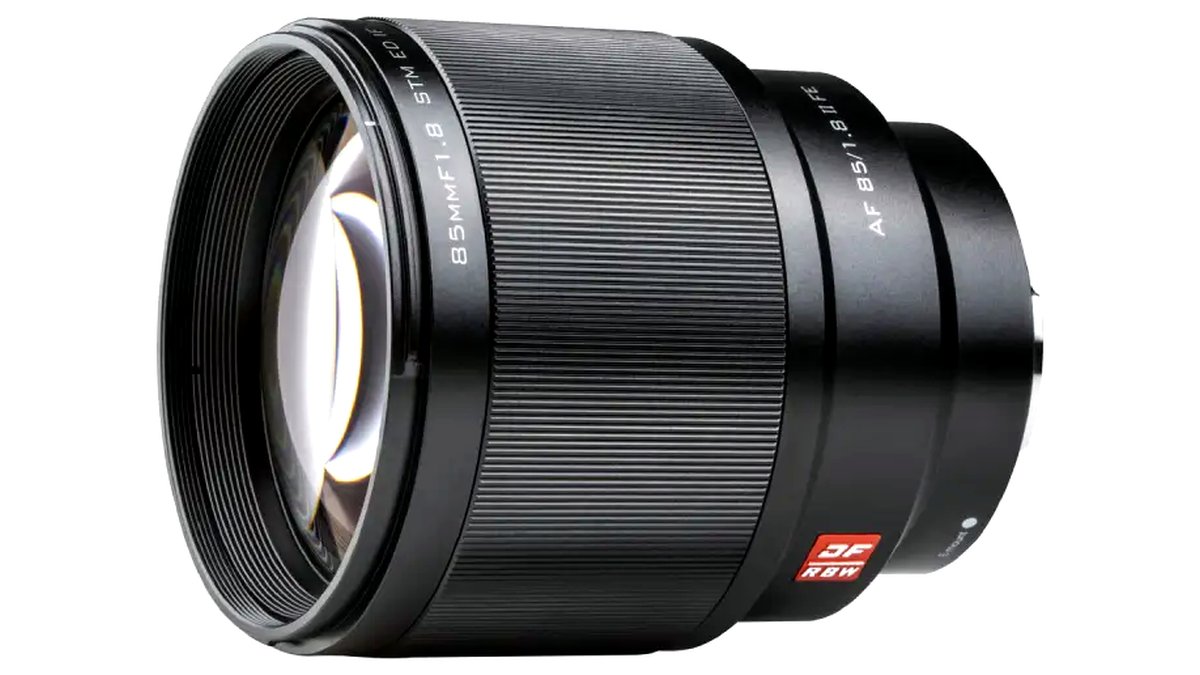
- Portrait primes (roughly 56mm-85mm equivalent): Favored for headshots and portraits where background blur and subject compression are priorities, often paired with a wide maximum aperture for shallow depth of field.
Aperture and Low-Light Performance
Many of Viltrox’s budget primes are built around wide maximum apertures, commonly f1.4 or faster in some models, which the maker lists as a key selling point against pricier first-party alternatives that may only reach f1.8 at a similar focal length. A wider aperture helps in dim venues, indoor events, and any situation calling for a faster shutter speed without raising ISO excessively, and also produces a shallower depth of field for background separation in portraits. Reviewers do note that image quality at the very widest aperture setting on budget primes can show softer corners or more noticeable aberrations compared to stopping down one or two stops, a common characteristic across budget glass generally and not unique to this brand.
Autofocus Performance and Video Use
Autofocus speed and tracking reliability are where budget third-party lenses most commonly trail first-party options, particularly for fast action or animal-eye autofocus tracking on camera bodies with advanced subject-tracking systems. For portrait, street, and general content creation work, reviewers generally find Viltrox’s autofocus adequate to good, while sports, wildlife, or other fast-action shooters may notice more hunting or missed focus compared to a first-party professional lens. For video, a lens with a stepping motor designed for smooth, quiet focus pulls is preferable to older designs with more audible focus motor noise, so checking a specific lens’s reviews for focus motor type and noise level is worthwhile for anyone shooting with on-camera audio.
Build Quality and Handling
Viltrox’s budget lenses commonly use a mix of metal and polycarbonate construction, and weather sealing, when present, is typically more limited than on professional-grade first-party lenses. For casual outdoor use this is rarely an issue, but anyone shooting regularly in rain, dust, or harsh environments should check the maker’s specific sealing claims for a given lens rather than assuming full weather resistance across the whole lineup.
At a Glance Comparison
| Lens Category | Best For | Key Stated Specs | Limits |
|---|---|---|---|
| Wide prime | Landscape, interiors, vlogging, astro | Wide field of view, often moderate maximum aperture | Less suited to portrait background blur |
| Standard prime (33-35mm equivalent) | Everyday walk-around, street photography, general video | Natural field of view, wide aperture options available | Not specialized for either extreme wide or tight portrait framing |
| Portrait prime (56-85mm equivalent) | Headshots, portraits, subject-isolation video | Fast maximum aperture for background blur, flattering compression | Narrower field of view limits use in tight spaces |
| Fast-aperture (f1.4/f1.2-class) options | Low-light, indoor, shallow depth-of-field work | Wide maximum aperture across the lineup | Some softness/aberration at widest aperture, typical of budget glass |
Pick the Right Lens If…
| Situation | Recommended Lens Category |
|---|---|
| You want one affordable lens that covers most everyday shooting | Standard prime around 33-35mm equivalent |
| You mainly shoot portraits or want strong background blur | Portrait-length prime (56mm or 75mm-class) |
| You shoot landscapes, architecture, or vlog in tight spaces | Wide prime |
| You shoot frequently in low light or indoor venues | Any lens with a fast f1.4-class or wider maximum aperture |
| You shoot fast action or wildlife needing top-tier autofocus tracking | Consider a first-party lens instead, or test reviews closely for the specific Viltrox model’s autofocus reports |
| You shoot video with on-camera audio | A lens specifically reviewed as having a quiet stepping-motor focus system |
Fit and Compatibility Notes
Beyond mount compatibility, buyers should check filter thread size if they already own filters they want to reuse, and physical lens size and weight relative to their camera body, since a larger, heavier lens can feel front-heavy on smaller mirrorless bodies. Some Viltrox lenses also ship in both an “Air” or lighter-weight variant and a standard build in the same focal length, so checking which specific variant is listed matters since specs and weight can differ meaningfully between them even at the same focal length and aperture.
A Few Alternatives Worth Considering
- 7Artisans and TTArtisan lenses: Other budget-focused third-party brands, though many of their lenses are manual-focus only rather than autofocus, which matters for anyone who relies on autofocus for most shooting.
- Sigma’s budget-tier autofocus primes: Priced above Viltrox in many cases but often cited by reviewers as a step up in build quality and autofocus consistency for buyers willing to spend a bit more.
- First-party kit or budget primes from the camera maker itself: Usually priced higher than Viltrox equivalents but with the benefit of guaranteed full compatibility and typically faster firmware support for new camera bodies.
Frequently Asked Questions
Are Viltrox lenses compatible with any mirrorless camera?
No, each Viltrox lens is manufactured for a specific mount (such as Sony E, Fujifilm X, Nikon Z, or Canon RF), and a lens for one mount will not work on a camera using a different mount. Always check the exact mount listed for the specific lens against the camera body before buying.
How does Viltrox autofocus compare to first-party lenses?
Reviewers generally describe Viltrox autofocus as adequate to good for everyday, portrait, and casual video use, but often a step behind first-party professional lenses for fast action, sports, or advanced subject tracking. The gap varies by specific lens and by firmware version, so checking recent reviews of the exact model is worthwhile.
Do Viltrox lenses need firmware updates?
Some models do receive firmware updates from the maker that improve autofocus behavior or fix compatibility issues with newer camera bodies. Checking the maker’s support page for the specific lens and camera combination before and after purchase can help resolve early autofocus quirks some reviewers reported on initial releases.
Is a wider maximum aperture always better for portraits?
A wider aperture allows more background blur and better low-light performance, but reviewers note that image quality at the very widest setting on budget lenses can be softer than at a slightly stopped-down aperture. Many photographers shoot a stop or two down from the widest setting for a better balance of sharpness and blur.
Can I use Viltrox lenses for professional paid work?
Many photographers and videographers do use these lenses professionally, particularly for portrait and content creation work, but the build quality, weather sealing, and autofocus consistency are generally considered a step below premium first-party professional lenses. Time-sensitive or weather-exposed professional work may be better served by a first-party lens with guaranteed service support.
What filter size do Viltrox lenses use?
Filter thread size varies by specific lens and focal length rather than being standardized across the whole brand, so the exact filter size needs to be checked against the specific lens model rather than assumed from another Viltrox lens already owned.