Key takeaways
- Wired or PoE (Power over Ethernet): Continuous power means continuous recording is possible without battery drain, and PoE cameras in particular tend to hold a more stable connection than Wi-Fi-only models over longer distances. The tradeoff is an installer or a comfort running cable, especially if the driveway entrance is far from the house.
- Plug-in (wired to an existing outlet or light fixture): A good middle ground when there is already a porch light, lamppost, or garage outlet near the driveway. No battery to manage, but placement is limited to where power already exists.
- Battery or solar-assisted: The most flexible for mounting almost anywhere, including posts, fences, or trees at the edge of a long driveway. The maker of most solar-panel accessories lists them as sufficient to maintain charge in average sun exposure, but heavy snow cover, deep shade, or very frequent recording events can still drain the battery faster than the panel replenishes it.
A long driveway with no nearby outlet calls for a solar-assisted battery camera, a driveway next to an existing light fixture or garage does best with a wired or plug-in camera that never needs charging, and anyone who wants zero monthly fees should look at a model built around local storage. Driveway cameras differ from porch or doorbell cameras mainly in the distance they need to see, the amount of motion they have to filter out, and how they hold up through weather extremes, so matching the camera type to the layout of the driveway matters more than chasing the highest resolution number.
As an Amazon Associate, we earn from qualifying purchases made through links on this page.
Why Driveway Cameras Are a Different Category
A camera mounted at a front door mostly watches a porch a few feet away. A driveway camera has to cover tens of feet, catch a car or person approaching at an angle, and avoid being triggered constantly by passing traffic, blowing leaves, or neighborhood animals. That means detection range and field of view matter more for a driveway than raw megapixel count. A camera that reports a wide field of view but a short reliable detection range will miss activity at the far end of a long driveway, while a narrow lens with strong zoom may miss anything approaching from the side.
Placement height and angle also change what the camera can actually resolve. A camera mounted too high to deter tampering often loses the ability to read a license plate or clearly see a face, so some households add a second, lower-mounted camera purely for plate capture while keeping a high-mounted camera for the wide overview.
Power and Installation Options
Three basic power approaches cover almost every driveway setup:
- Wired or PoE (Power over Ethernet): Continuous power means continuous recording is possible without battery drain, and PoE cameras in particular tend to hold a more stable connection than Wi-Fi-only models over longer distances. The tradeoff is an installer or a comfort running cable, especially if the driveway entrance is far from the house.
- Plug-in (wired to an existing outlet or light fixture): A good middle ground when there is already a porch light, lamppost, or garage outlet near the driveway. No battery to manage, but placement is limited to where power already exists.
- Battery or solar-assisted: The most flexible for mounting almost anywhere, including posts, fences, or trees at the edge of a long driveway. The maker of most solar-panel accessories lists them as sufficient to maintain charge in average sun exposure, but heavy snow cover, deep shade, or very frequent recording events can still drain the battery faster than the panel replenishes it.
Detection Range, Field of View, and Smart Alerts
Reviewers consistently note that marketing figures for detection range are measured in ideal, unobstructed conditions, so a camera rated for a long detection distance in daylight will usually perform at a shorter effective range at night or in rain. For a driveway, a camera that supports zone-based detection (ignoring the sidewalk or street while watching only the driveway itself) cuts down dramatically on false alerts compared to a basic motion sensor that triggers on anything that moves in frame.
Person and vehicle detection, where the camera uses on-device processing to tell the difference between a car, a person, and an animal, is now common across mid-range and premium models and is one of the more useful upgrades over older PIR-only motion sensors, since it is the single biggest factor in reducing notification fatigue on a camera that watches a driveway all day.
Night Vision and Weather Resistance
Most driveway cameras advertise either infrared night vision (black-and-white detail without visible light) or color night vision that relies on a built-in spotlight or strong ambient light. Infrared tends to give a cleaner, longer-range picture in true darkness, while color night vision can help identify clothing color or a vehicle’s color but usually needs a closer subject and a working light source to stay useful. For a driveway, where subjects may be at a distance, a strong infrared range is often more reliable than a color-only spotlight camera.
An IP65 or better weather rating is the baseline reviewers look for in any outdoor-rated camera, since driveway cameras face direct rain, temperature swings, and in colder climates, snow and ice buildup around the lens housing. Checking the maker’s stated operating temperature range matters in climates with hard winters or very hot summers, since battery performance and recording reliability both drop outside the rated range.
Local Storage vs. Cloud Subscription
Cloud-based storage plans add convenience, remote clip access from anywhere, and usually longer rolling history, but they come with an ongoing subscription. Cameras built around a local hub or built-in storage slot avoid the subscription but usually require the household to manage its own storage media and accept that footage may be harder to access remotely without the brand’s own subscription tier for advanced features. A growing number of brands now offer a free tier with short clip storage and a paid tier for continuous recording or longer history, so checking exactly what the free tier includes before buying is worth the extra few minutes.
At a Glance: Camera Types for Driveway Use
| Camera Type | Best For | Key Stated Specs | Limits |
|---|---|---|---|
| Wired/PoE fixed camera | Driveways near existing wiring or garage, continuous recording | Always-on power, stable wired connection, often supports higher continuous resolution | Needs cable run or professional install; less flexible mounting |
| Plug-in outdoor camera | Driveways with a nearby outlet, lamppost, or porch light | No battery maintenance, usually simple DIY mount | Mounting limited to where power already exists |
| Battery/solar camera | Long driveways, posts, fences, gate entrances far from the house | Flexible placement, solar accessory extends runtime | Battery drain in high-traffic areas or deep shade; periodic recharge/swap |
| Local-storage/hub camera | Buyers who want to avoid ongoing subscriptions | On-device or hub-based storage, no required monthly fee for basic clips | Remote access and advanced AI alerts often still gated behind an optional plan |
Pick the Right Camera If…
| Situation | Recommended Type |
|---|---|
| Driveway entrance is far from the house with no outlet nearby | Battery camera with a solar panel accessory |
| You already have a porch light or lamppost at the driveway edge | Plug-in or wired camera |
| You want 24/7 recording without relying on motion triggers | Wired/PoE camera with continuous recording support |
| You want to avoid a monthly subscription entirely | Local-storage or hub-based camera system |
| Your main goal is reading plates or faces at the street end of the driveway | A second, lower-mounted camera focused narrowly on that zone |
| You get frequent false alerts from cars passing on the street | A model with adjustable detection zones and person/vehicle recognition |
Fit, Mounting, and Compatibility Notes
Before buying, it helps to check three things against the actual driveway: mounting surface (brick, vinyl siding, wood post, or stucco each need different anchors, and some kits only include anchors for one or two surface types), existing Wi-Fi signal strength at the mounting point (a camera at the far end of a long driveway may sit outside reliable Wi-Fi range without a mesh extender or a dedicated outdoor access point), and whether the household already uses a smart home ecosystem, since cameras that integrate with an existing hub or voice assistant are usually simpler to manage alongside doorbells, lights, and other sensors already installed.
Cable-based systems should also account for the distance between the camera position and the nearest power or network point; exterior-rated cable and proper conduit matter for any run exposed to weather over multiple seasons.
A Few Alternatives Worth Considering
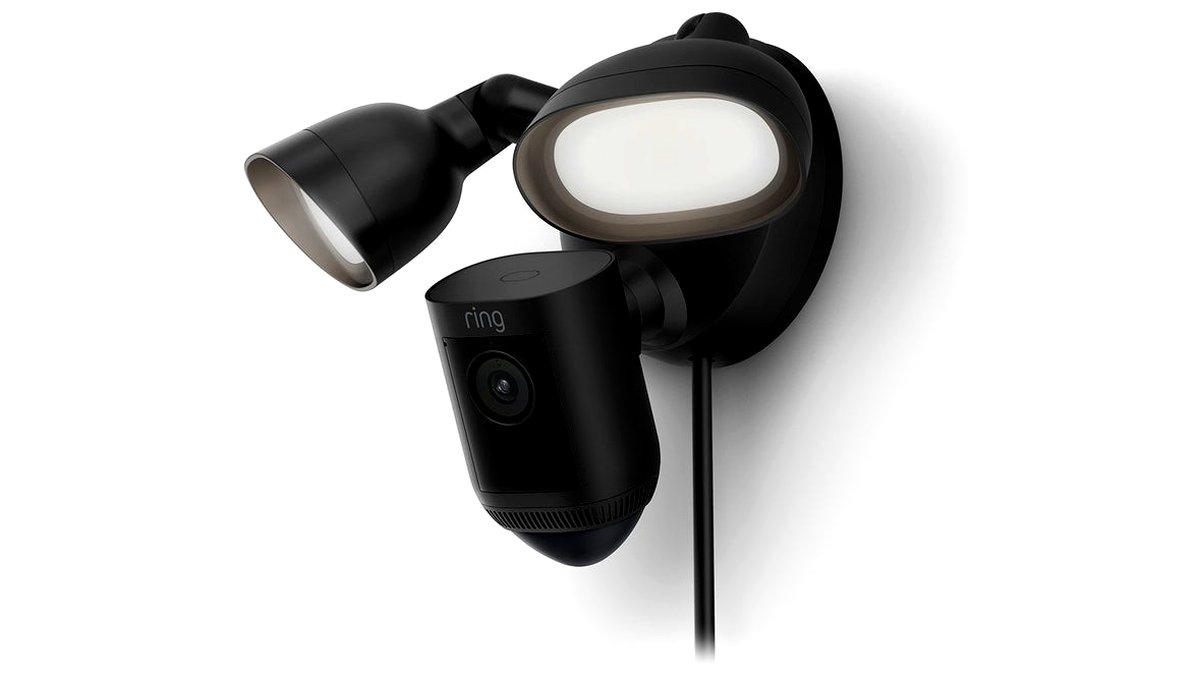
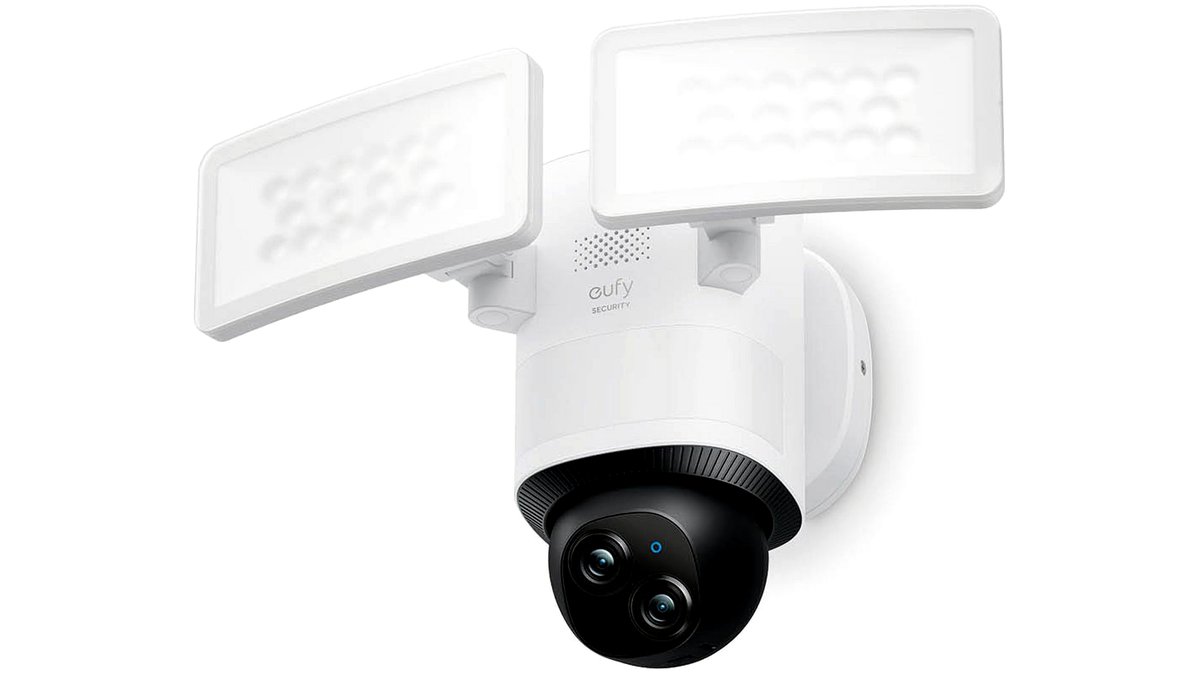
- Floodlight camera combos: Pairing a motion-activated floodlight with the camera in one fixture adds visible deterrence at night, which some reviewers find more effective against casual trespassing than a camera alone, though it typically requires wired power.
- Driveway alarm sensors paired with an existing camera: A simple motion or beam sensor at the driveway entrance can trigger an alert or a connected camera to start recording, useful for households that already have a camera watching the house but want an earlier warning at the property line.
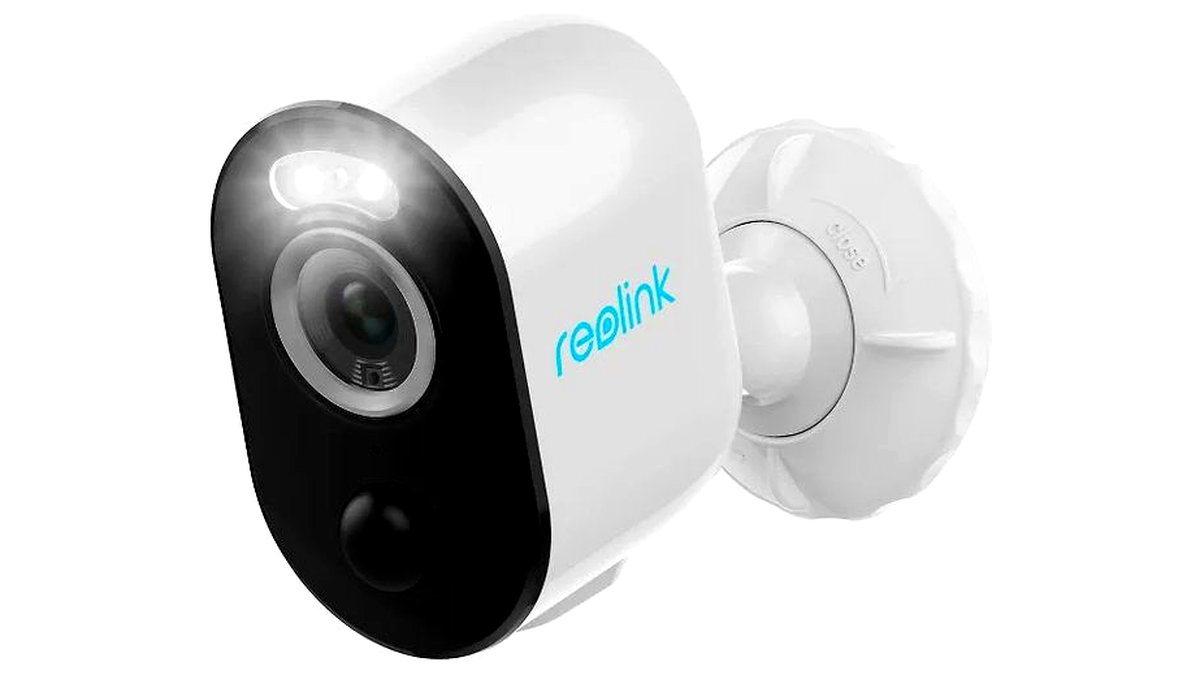
- Multi-camera kits from brands like Reolink or Lorex: For longer driveways or properties with multiple entry points, a kit sold as a set with a shared base station or NVR can be more cost-efficient per camera than buying several standalone units separately.
Frequently Asked Questions
Do I need a wired camera for a long driveway, or will battery power reach that far?
Distance from the house affects Wi-Fi signal more than it affects battery life directly. A battery camera can work well at the far end of a long driveway as long as it has a strong enough connection back to the router, often helped by a mesh Wi-Fi extender placed partway down the driveway. Wired options avoid the signal concern entirely but require running cable that distance.
How do I stop my driveway camera from sending constant alerts about passing cars?
Most current camera apps let the owner draw a custom detection zone that excludes the street and sidewalk, combined with person or vehicle-only alert filters instead of generic motion alerts. Narrowing the zone to just the driveway itself is usually the single biggest fix for notification fatigue.
Will a driveway camera work well in a cold winter climate?
The maker’s stated operating temperature range and weather rating are the best guide here, since very cold temperatures reduce battery capacity and can slow a camera’s response time. Households in cold climates often lean toward wired cameras for that reason, or place battery units where they get some shelter from direct snow and wind.
Can a driveway camera read license plates clearly?
Reading a plate reliably usually needs a camera mounted lower and closer to the driveway path than a typical wide-overview camera, since distance and angle both reduce legible detail. Some households add a dedicated, narrower-angle second camera aimed specifically at the spot where cars slow down or stop.
Is a subscription required to use a driveway security camera?
It depends on the brand and plan. Many offer a free tier that stores short clips for a few days, while continuous recording, longer history, and some AI-based alerts are usually reserved for a paid tier. Cameras with local storage or a hub can avoid the subscription for basic clip access, though some advanced features may still require an optional plan.
What is the difference between PIR motion detection and person/vehicle AI detection?
PIR (passive infrared) motion sensors trigger on any heat-based movement, including animals, blowing branches, and passing cars, which can mean frequent false alerts near a driveway. Person and vehicle AI detection analyzes the shape in frame before alerting, which reviewers generally find cuts down false alerts significantly compared to PIR-only models, though it is not perfect in low light or at long range.