Key takeaways
- Field of view and mounting height: A wide-angle lens (130-160 degrees is common) and the ability to mount at floor or table height matters more for dogs than for general home security, since you’re tracking a pet that moves around at low height.
- Bark and motion alerts: Many dog cameras send a push notification when they detect barking or movement, letting you check in proactively rather than only when you remember to open the app.
- Treat dispensing or interactive extras: Some models add a treat-tossing mechanism or a laser/toy feature; these are genuinely useful for active engagement but add mechanical parts that can jam or need refilling, and are a separate consideration from audio quality.
- Night vision: Infrared night vision lets you check on a dog after dark; confirm the stated night-vision range matches your room size.
- Pan and tilt or wide-angle fixed lens: A camera that pans and tilts remotely can follow a dog around a room, while a fixed wide-angle lens covers more area at once without needing to be manually steered via the app.
Owners who mainly want to check in and talk to an anxious dog during the workday should prioritize a camera with low-latency two-way audio and a wide field of view, while those wanting to interact more actively should look at models that add treat-tossing or laser features alongside the microphone and speaker. Audio quality and viewing angle matter more for this category than resolution alone, since the main use case is hearing and calming a pet, not capturing detailed video.
As an Amazon Associate, we earn from qualifying purchases made through links on this page.
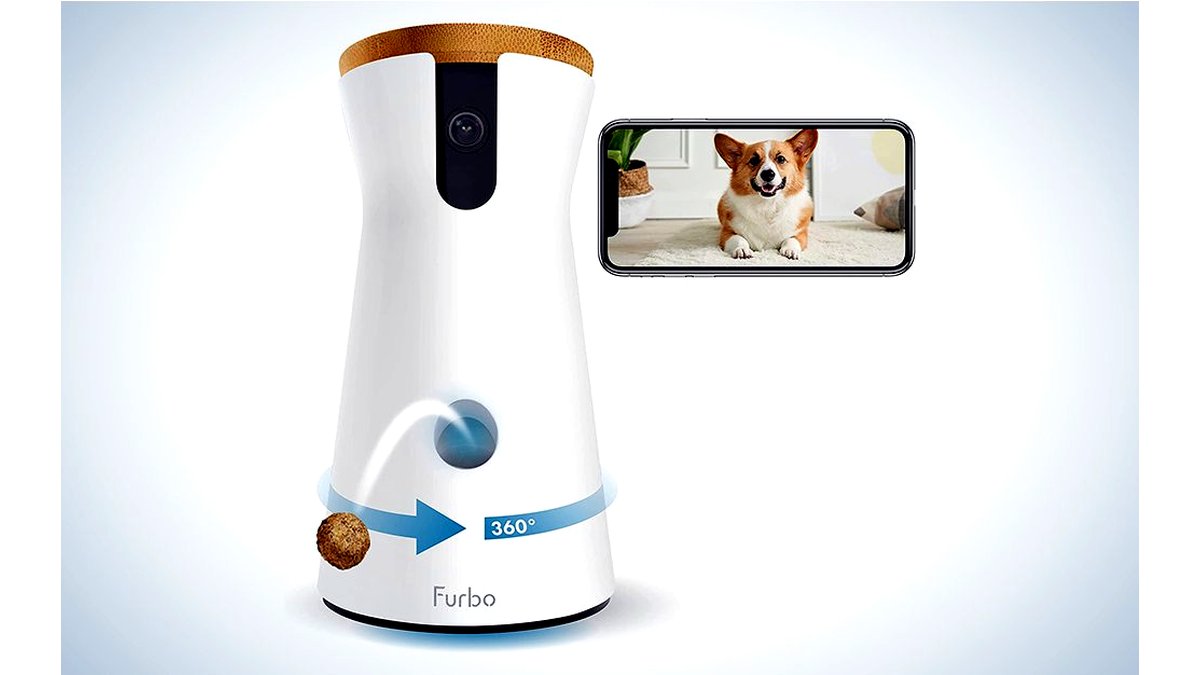
What Two-Way Audio Actually Means Here
Two-way audio lets you hear your dog through the camera’s microphone and speak back through its speaker, usually via a phone app. For dog cameras specifically, the practical test isn’t just “does it have a speaker,” but how natural the audio sounds and how much delay there is between you speaking and your dog hearing it, since a laggy or robotic voice can confuse or stress some dogs rather than reassure them.
Key Features Beyond Basic Audio
- Field of view and mounting height: A wide-angle lens (130-160 degrees is common) and the ability to mount at floor or table height matters more for dogs than for general home security, since you’re tracking a pet that moves around at low height.
- Bark and motion alerts: Many dog cameras send a push notification when they detect barking or movement, letting you check in proactively rather than only when you remember to open the app.
- Treat dispensing or interactive extras: Some models add a treat-tossing mechanism or a laser/toy feature; these are genuinely useful for active engagement but add mechanical parts that can jam or need refilling, and are a separate consideration from audio quality.
- Night vision: Infrared night vision lets you check on a dog after dark; confirm the stated night-vision range matches your room size.
- Pan and tilt or wide-angle fixed lens: A camera that pans and tilts remotely can follow a dog around a room, while a fixed wide-angle lens covers more area at once without needing to be manually steered via the app.
Comparison by Feature Focus
| Type | Best For | Key Stated Features | Limits |
|---|---|---|---|
| Basic two-way audio camera | Checking in and calming an anxious dog | Wide-angle lens, mic/speaker, bark alerts | No treat or play features; purely monitoring and voice |
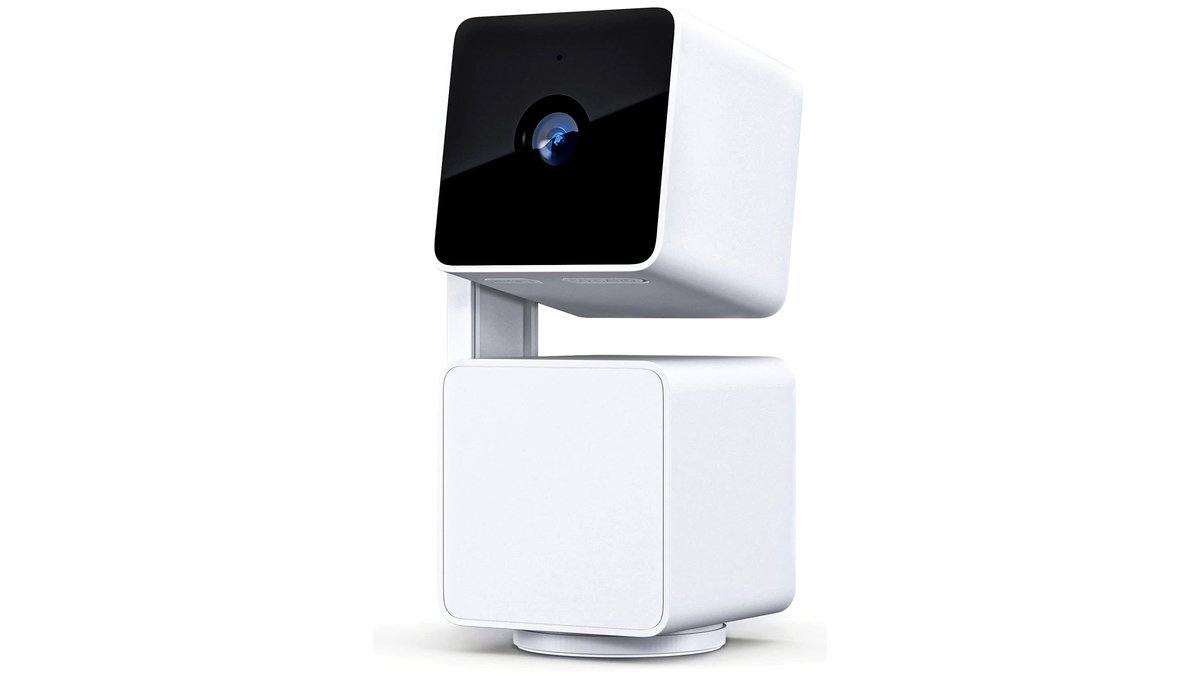
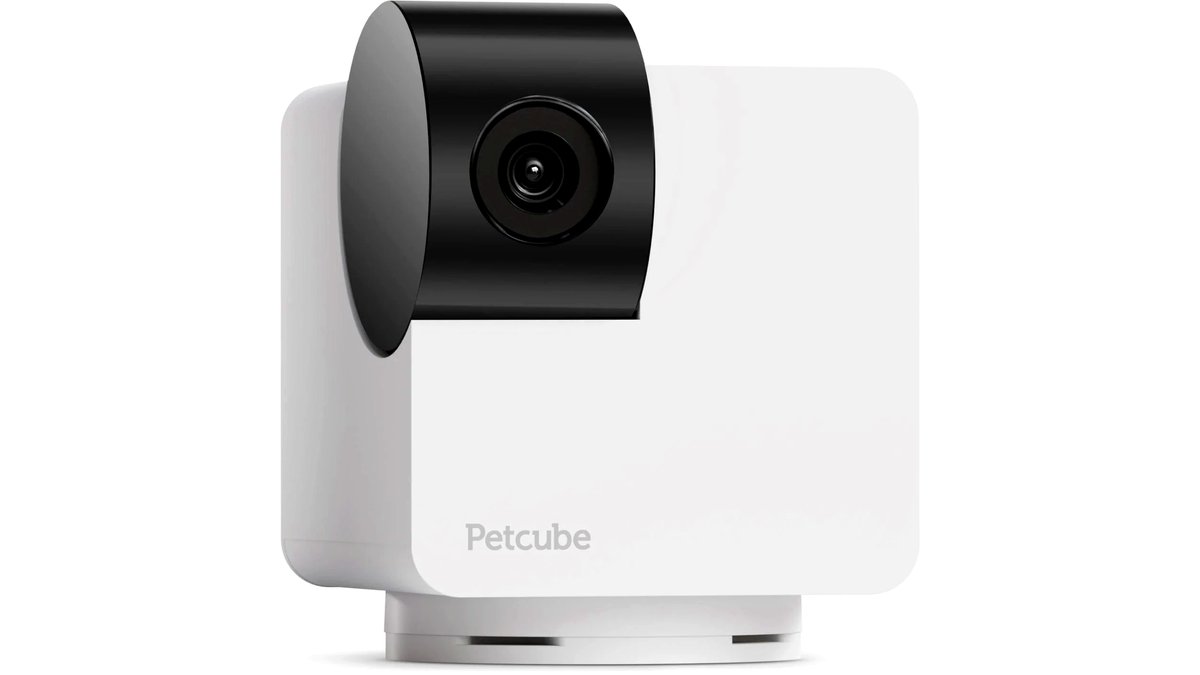
| Pan-tilt audio camera | Following a dog around a larger room | Remote pan/tilt, two-way audio, motion tracking | Can lose the dog if it leaves the room entirely; still needs decent Wi-Fi |
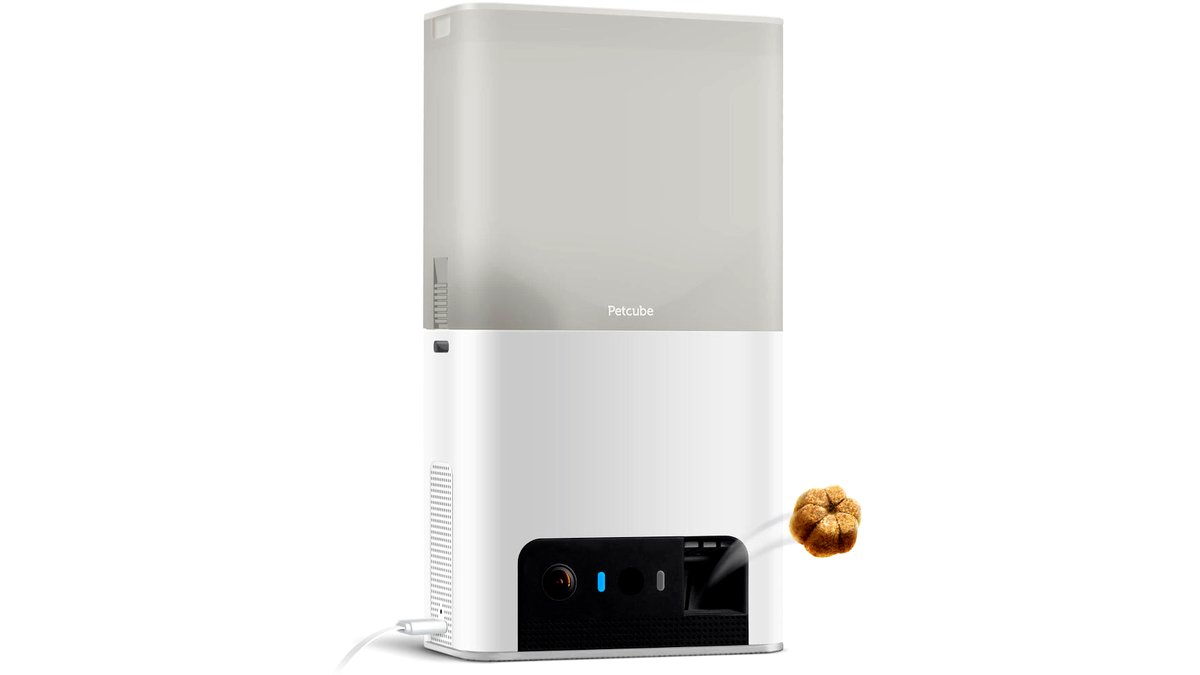
| Interactive treat/laser camera | Active engagement during the day | Audio, treat dispenser or laser, app-controlled play | Treat hopper needs refilling; more moving parts to maintain |
Audio Latency and Why It Matters for Dogs
Unlike with people, where a half-second audio delay on a video call is barely noticeable, dogs react to tone and timing, and a laggy or distorted voice can sound unfamiliar or alarming rather than reassuring. Reviewers commonly note that cameras using a dedicated app with a stable Wi-Fi connection tend to deliver clearer, lower-latency audio than cheaper models relying on weaker processors, though exact latency figures are rarely published by manufacturers, so checking independent reviews for real-world audio experience is worthwhile before buying.
Wi-Fi Reliability and Placement
Two-way audio dog cameras depend entirely on a stable home Wi-Fi connection; a weak signal causes audio dropouts, delayed video, or disconnections exactly when you most want to check on your dog. Place the camera within strong Wi-Fi range (or add a mesh extender if the room is far from your router) and confirm the camera’s stated Wi-Fi band support (2.4GHz, 5GHz, or both) matches your home network.
Pick X If…
| If you… | Choose |
|---|---|
| Mainly want to hear and calm an anxious dog during the day | Basic wide-angle two-way audio camera |
| Have a dog that roams a large living room or open floor plan | Pan-tilt audio camera with motion tracking |
| Want active engagement, not just monitoring | Treat-tossing or interactive camera with audio |
| Have unreliable Wi-Fi in the room where the dog stays | Any model, but add a Wi-Fi extender first regardless of camera choice |
Safety and Behavior Notes
If you’re using a camera partly to monitor separation anxiety or destructive behavior, treat it as an observation tool, not a training solution; persistent anxiety or destructive behavior is worth discussing with a veterinarian or certified dog trainer rather than managing solely through a camera. For treat-dispensing cameras, follow the maker’s guidance on treat size and portion control so remote treat-tossing doesn’t contribute to overfeeding over a full workday.
Alternatives Worth Considering
- General-purpose indoor security cameras with two-way audio: Standard indoor cameras often include two-way audio and cost less, though they typically lack the floor-level mounting options and wide-angle framing built specifically for pet monitoring.
- Pet monitors with activity tracking: Some pet-specific cameras pair audio and video with basic activity or sleep tracking, useful if you want behavior trends over time rather than just live check-ins.
- Baby monitor-style cameras: For a simple, no-app, low-latency audio option, a dedicated baby monitor repurposed for pet use can offer more reliable real-time audio than Wi-Fi app-based cameras, at the cost of remote access away from home.
Setup and App Reliability
Most two-way audio dog cameras rely on a companion app for live viewing, push alerts, and talking through the speaker, so check how the app has been received for reliability (frequent disconnects, slow loading, login issues) rather than assuming all apps in this category perform equally. A camera with great hardware but a poorly maintained app can be frustrating to use daily, especially if you’re checking in multiple times during a workday. Also confirm whether the app supports multiple user logins if more than one household member wants to check on the dog and talk through the camera independently.
Frequently Asked Questions
Will my dog actually respond to my voice through the camera speaker?
Many owners report dogs do respond, especially once they associate the camera’s sound with a familiar voice, but individual reactions vary widely and some dogs ignore or are confused by the audio at first. Starting with short, calm check-ins rather than lengthy one-way conversations tends to help dogs adjust faster.
Do I need pan-tilt if my dog stays in one room?
Not necessarily. A fixed wide-angle lens covering the full room is often enough if your dog has one main resting or play area; pan-tilt mainly helps when the dog moves between multiple areas the fixed lens can’t cover at once.
How reliable is bark detection, and will it create constant false alerts?
Bark and motion detection sensitivity is usually adjustable in the app, and reviewers note that default settings on some models can over-trigger from background noise like TVs or other pets. Expect to spend a few minutes tuning sensitivity after setup to cut down on false alerts.
Can treat-dispensing cameras overfeed my dog if I’m not careful?
Yes, this is a realistic risk if treats are dispensed frequently throughout the day without accounting for your dog’s regular meals. Follow the manufacturer’s portion guidance and consider using the treat feature for occasional reinforcement rather than constant snacking.
What Wi-Fi requirements should I check before buying?
Confirm the camera’s supported Wi-Fi band (2.4GHz is more common for range, 5GHz for bandwidth) matches your router, and verify your signal strength in the room where the camera will sit. Weak signal is the most common cause of audio lag or dropped connections in this camera category.
Should I be concerned about privacy with an always-on microphone in my home?
It’s worth checking the manufacturer’s privacy policy on how audio and video are stored and whether footage is processed in the cloud. Choosing a reputable brand with clear data-handling disclosures and enabling any available encryption or two-factor login settings reduces risk.
How many cameras do I need for a multi-room home?
This depends on how much of the home your dog has access to during the day; a single wide-angle camera in the dog’s main resting area is often enough for most households, while homes where the dog roams freely between several rooms may benefit from a second camera in another frequently used space. Starting with one camera in the primary area and adding more later based on observed need is a reasonable approach rather than over-buying upfront.