Key takeaways
- Lenses are mount-specific; a lens bought for one brand’s APS-C mirrorless mount will not fit another brand’s body without an adapter, and adapted lenses often lose autofocus speed.
- Check whether a kit lens is a fixed-aperture or variable-aperture zoom, since variable-aperture kit lenses get noticeably dimmer at the long end, which affects low-light and background-blur results.
- Memory card speed class matters for video; makers specify minimum card write speeds for 4K recording, and an underspec card can cause dropped frames or recording stoppages.
- Battery grips and spare batteries are body-specific; confirm the exact model match before buying.
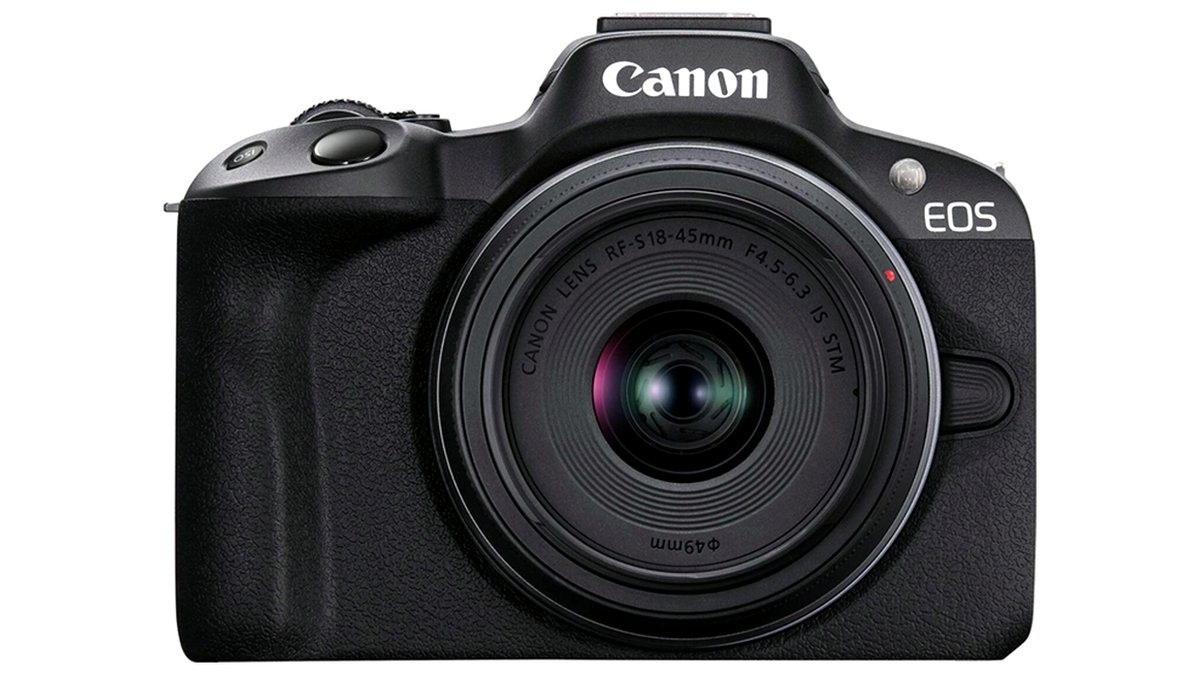
A beginner building a first full camera setup on a budget gets the most value from an entry-level APS-C mirrorless or DSLR body paired with a versatile kit zoom lens, a spare battery, and a basic tripod, rather than spending the whole budget on the camera body alone. Spreading money across body, lens, memory, and a few support accessories produces a more usable kit than a higher-end body with no lens options or storage left over.
As an Amazon Associate, we earn from qualifying purchases made through links on this page.
Why “Setup” Matters More Than the Camera Body Alone
New buyers often fixate on the camera body’s megapixel count or brand name, but a camera is only one piece of a working photography kit. The lens attached to the body has as much or more effect on image quality and versatility than the body itself, and a budget stretched too thin on the body can leave nothing for a second lens, extra memory cards, or a tripod, all of which get used constantly in practice. Reviewers who cover beginner gear consistently recommend treating the lens and the body as a combined budget rather than maximizing one and minimizing the other.
Entry-level mirrorless cameras have become the more common recommendation for new buyers over DSLRs in recent years, since mirrorless systems get the bulk of new lens development and firmware support from major makers, while DSLR lens lineups have mostly stopped expanding. That said, used or older DSLR kits can still offer strong value for buyers prioritizing lowest cost over newest features.
Core Pieces of a First Camera Setup
A workable starter kit typically includes five elements: the camera body, a kit or general-purpose zoom lens, at least one spare battery, two or more memory cards, and a simple tripod or stabilizing support. Skipping the spare battery and extra memory cards is one of the most common early mistakes, since mirrorless bodies in particular tend to have shorter battery life than older DSLRs and fill cards faster when shooting video.
A camera bag or a padded insert for an existing backpack rounds out a practical first setup, protecting the investment during transport. A basic cleaning kit, including a lens cloth and air blower, is inexpensive and prevents dust and fingerprints from affecting image quality over time.
Fit and Compatibility Notes
- Lenses are mount-specific; a lens bought for one brand’s APS-C mirrorless mount will not fit another brand’s body without an adapter, and adapted lenses often lose autofocus speed.
- Check whether a kit lens is a fixed-aperture or variable-aperture zoom, since variable-aperture kit lenses get noticeably dimmer at the long end, which affects low-light and background-blur results.
- Memory card speed class matters for video; makers specify minimum card write speeds for 4K recording, and an underspec card can cause dropped frames or recording stoppages.
- Battery grips and spare batteries are body-specific; confirm the exact model match before buying.
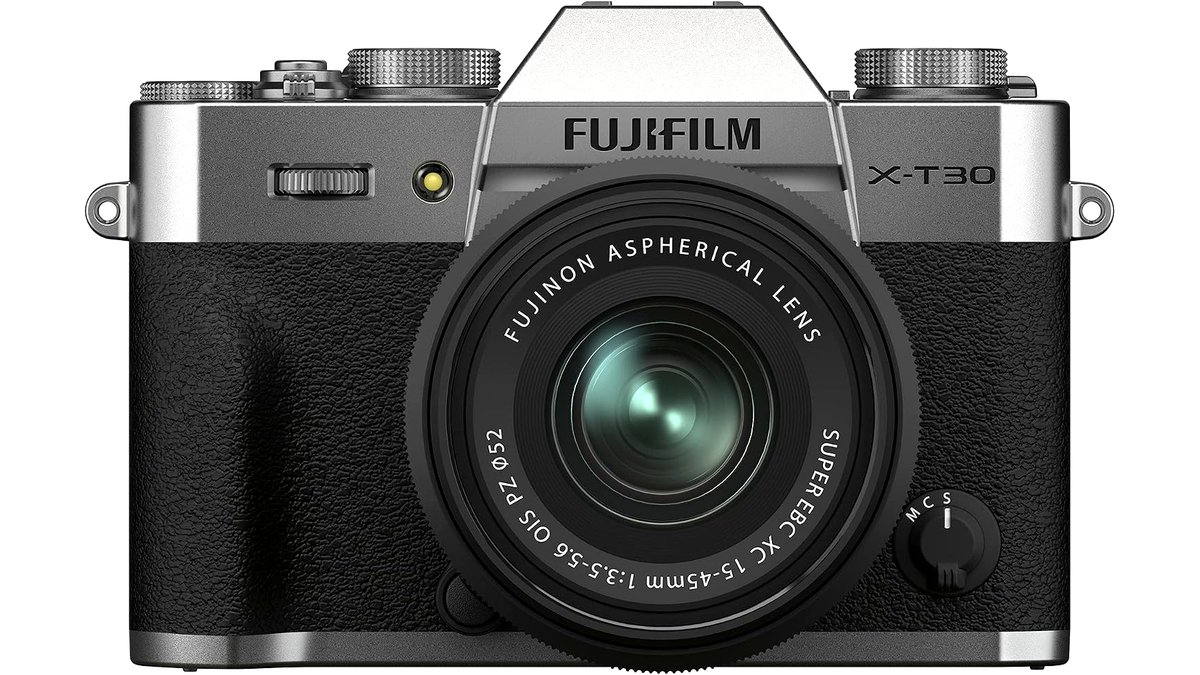
At a Glance: Budget Camera Setup Tiers
| Tier | Best for | Key stated specs | Limits |
|---|---|---|---|
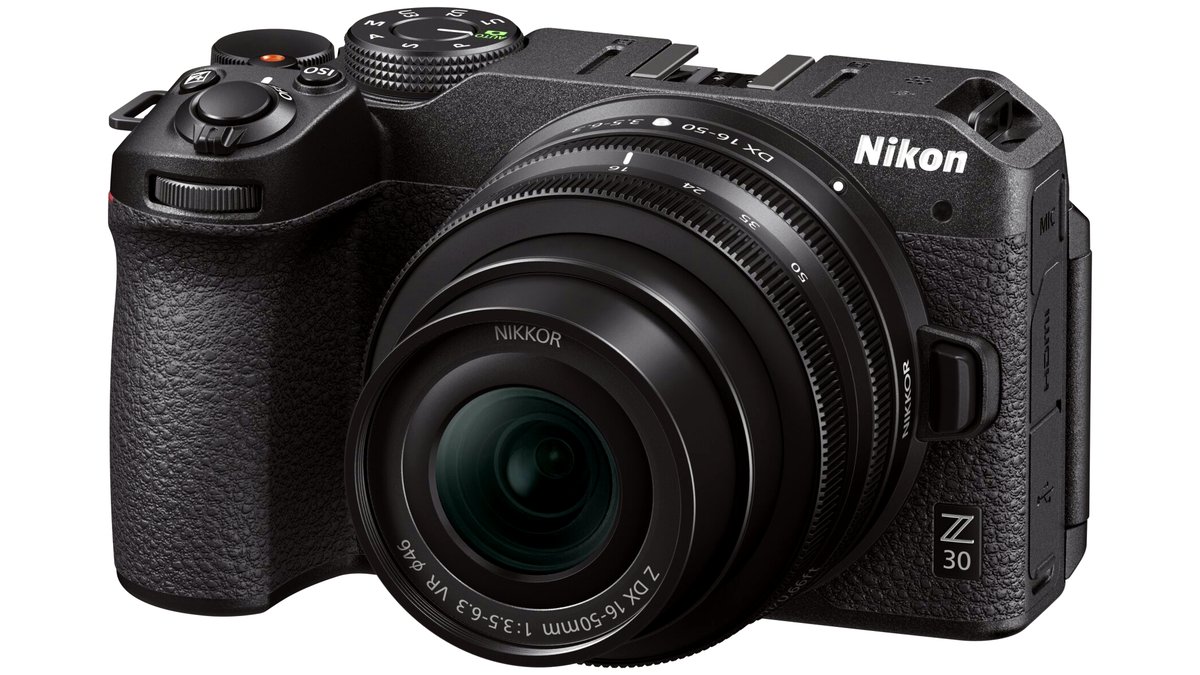
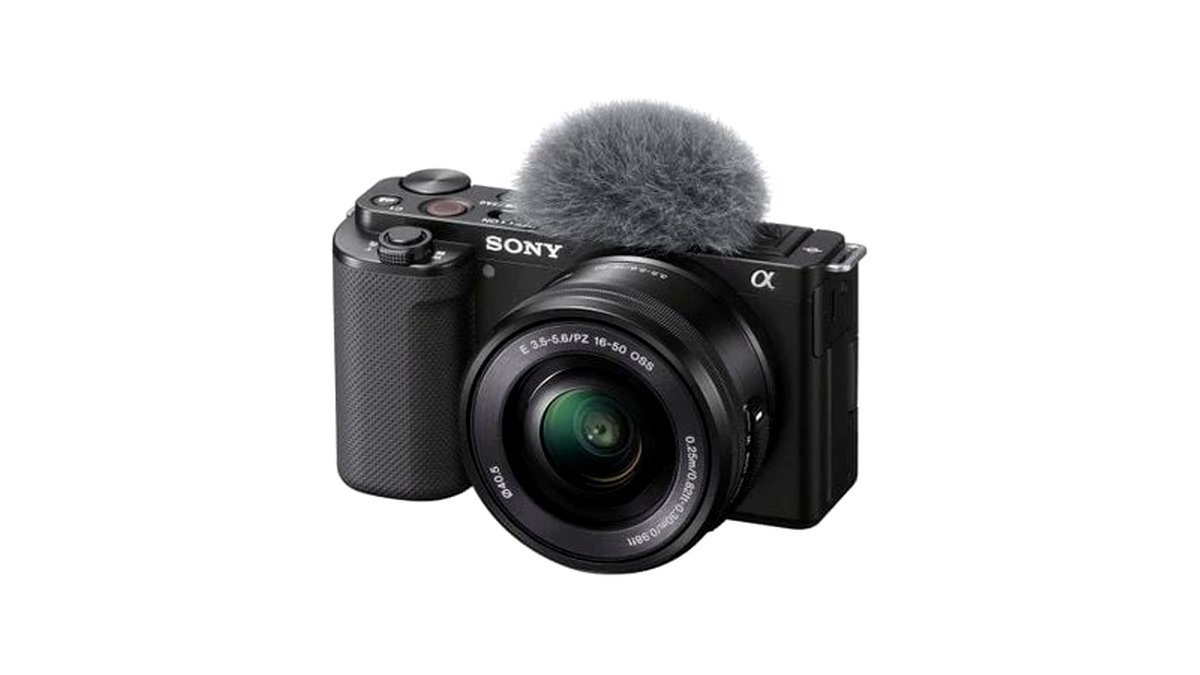
| Budget tier (entry APS-C body + kit zoom) | First-time buyers, casual family and travel photos | Makers typically list 20+ megapixel APS-C sensors and basic autofocus systems on entry bodies | Kit lenses usually have variable, slower apertures; limited low-light performance |
| Mid-range tier (enthusiast APS-C body + versatile zoom) | Hobbyists ready to grow into manual controls and faster autofocus | Makers list improved autofocus tracking and higher burst rates than entry bodies | Higher cost leaves less room for a second lens unless budgeted carefully |
| Premium tier (enthusiast body + prime lens + support gear) | Buyers prioritizing image quality and low-light results over zoom range | Prime lenses typically offer wider maximum apertures than kit zooms | Fixed focal length means no zoom; a second lens is needed for full flexibility |
| Used/secondhand DSLR tier | Lowest-cost full setup, including a body and multiple lenses | Older sensor and autofocus tech relative to current mirrorless lines | Lens lineup for most DSLR mounts has stopped actively expanding |
Pick This If…
| Situation | Recommended tier |
|---|---|
| First camera ever, mostly casual and travel shooting | Budget tier: entry APS-C body plus kit zoom |
| Already comfortable with a phone camera, ready to learn manual settings | Mid-range tier: enthusiast APS-C body plus versatile zoom |
| Priority is portraits, low light, or background blur over zoom range | Premium tier: body plus a wide-aperture prime lens |
| Absolute lowest cost for a complete two-lens kit | Used/secondhand DSLR tier |
| Video is a bigger priority than stills | Mid-range body with strong autofocus and fast memory cards |
Lenses: The Part of the Budget Buyers Underspend On
A general-purpose zoom in roughly the 18-55mm or similar range covers wide-angle to short telephoto needs and suits most beginner shooting. Buyers who know they want portraits or low-light shooting from day one often get more satisfaction from pairing the body with a fixed 35mm or 50mm-equivalent prime lens, since primes typically offer a wider maximum aperture than kit zooms at a similar price point, which improves both low-light capability and background blur.
A second lens, even an inexpensive one, extends a setup’s range far more than upgrading the body does. Reviewers covering beginner gear commonly suggest that buyers on a fixed budget get more day-to-day benefit from a body-plus-two-lenses setup than a single higher-end body with only the kit lens attached.
Alternatives Worth Considering
Buyers who mainly want convenience over full manual control might consider a premium compact camera with a fixed zoom lens built in, which trades lens flexibility for a smaller, simpler package. A second alternative is a used or refurbished previous-generation mirrorless body from a major maker, often available at a lower cost than new current-generation models while still supporting the same modern lens lineup. A third alternative for buyers mainly shooting video is an action or vlogging-style camera, which sacrifices interchangeable lenses and larger sensor image quality for compact size and simpler operation.
Frequently Asked Questions
Should I buy a DSLR or mirrorless camera for my first setup?
Mirrorless is the more future-proof choice for most new buyers since major camera makers are focusing new lens and body development there, while DSLR lens lineups have largely stopped expanding. A DSLR can still make sense for buyers prioritizing the lowest possible cost for a used body-and-lens combo over newest features.
Is the kit lens that comes with the camera good enough to start?
For most beginners, yes; kit zooms cover a practical everyday focal range and let a new photographer learn composition and settings without an immediate lens upgrade. The main limitation reviewers note is a narrower maximum aperture at the telephoto end, which shows up mainly in lower light or when trying to blur the background heavily.
How many memory cards and batteries should a beginner buy?
A common recommendation is at least two memory cards and one spare battery beyond what ships with the camera, since running out of storage or power mid-shoot is one of the most frequent beginner frustrations. Buyers planning to shoot video should prioritize a card rated fast enough for the camera’s video mode, as listed in the maker’s manual.
Do I need a tripod right away?
A basic tripod is inexpensive relative to the rest of a camera setup and solves common problems like blurry low-light shots, group photos, and longer exposures, so most guides recommend including at least a lightweight travel tripod in a first kit. It does not need to be a high-end model to be useful for a beginner.
What’s the real difference between a budget and mid-range body?
Mid-range bodies typically offer faster and more reliable autofocus tracking, higher continuous shooting speeds, and sometimes better weather sealing than entry-level bodies, according to maker specification sheets. For casual shooting these differences are less noticeable, but they matter more for action, wildlife, or fast-moving subjects.
Can I upgrade my lens later instead of my camera body?
Yes, and many photographers find this the better upgrade path; a sharper or wider-aperture lens on an entry-level body often produces a bigger visible improvement than switching to a pricier body with the same kit lens. This is also why budgeting some money for a second lens early on tends to pay off more than spending everything on the body.