Key takeaways
- Smartphone in a dedicated waterproof pouch or case: A low-cost option for shallow, casual use, though image quality and depth rating are generally more limited than a purpose-built waterproof camera.
- Underwater drones: For exploring and filming larger underwater areas without a diver physically present, though these are a different category entirely with their own learning curve and higher cost.
- Rental dive camera systems through local dive shops: Useful for travelers or occasional divers who want to try a higher-end setup without the upfront cost of buying one.
Casual snorkelers and family vacationers who just want simple, reliable clips and photos should start with a rugged, point-and-shoot waterproof action camera, serious divers who want to go deeper and control exposure manually need a dedicated underwater camera system or a mirrorless/compact camera in a rated dive housing, and anyone shooting mostly for quick social clips at the surface or in shallow water can get by with a budget action camera or even a well-housed smartphone. Underwater cameras split broadly into rugged all-in-one waterproof cameras, action cameras adapted with housings, and full camera-plus-housing setups, and the right category depends mainly on how deep the user plans to go and how much manual control they want over the image.
As an Amazon Associate, we earn from qualifying purchases made through links on this page.
Depth Rating: The Most Important Spec to Check First
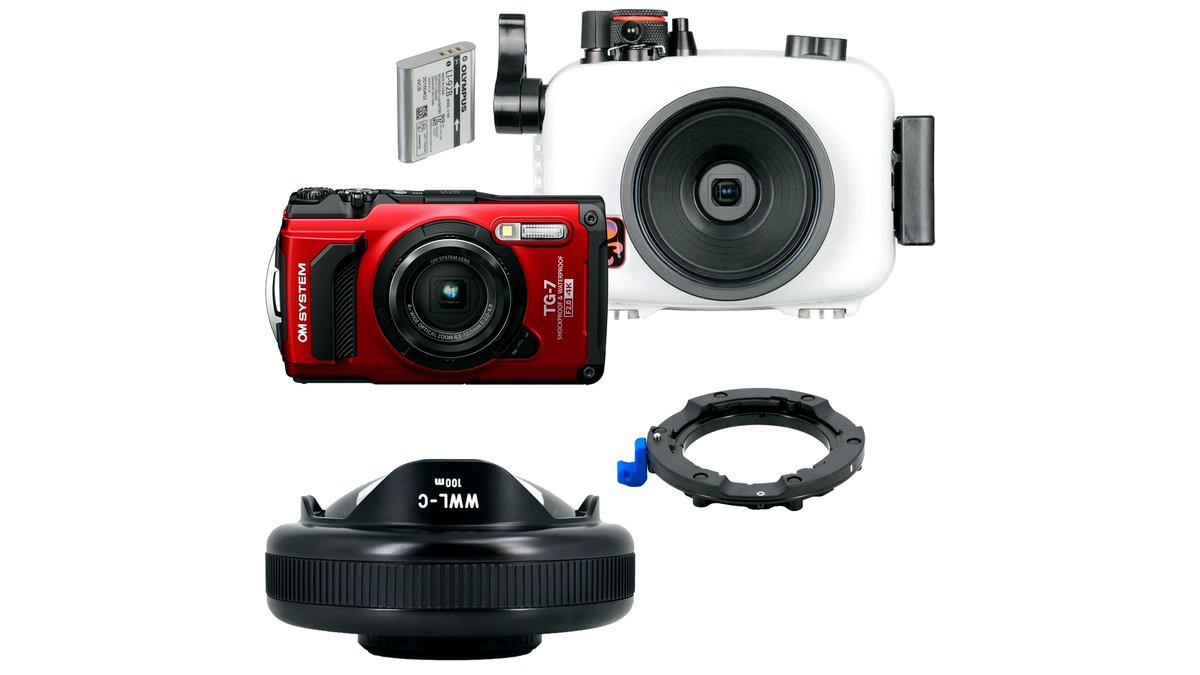
Every underwater camera or housing has a maximum depth rating stated by the maker, and this is the single most important spec to check before buying, since exceeding it risks water intrusion and permanent damage to the camera. Many rugged point-and-shoot cameras are rated for shallow use, suitable for snorkeling and pool or beach use, without a separate housing. Action cameras often need an added dive housing to reach greater depths beyond their native waterproof rating. Dedicated dive housings for compact or mirrorless cameras are built specifically to reach scuba-appropriate depths and are tested by the maker to a stated pressure limit that should always be respected with margin, not treated as a hard ceiling to push against.
Built-In Waterproofing vs. Separate Housings
Cameras built with native waterproofing (no separate housing needed) are simpler to use and typically lighter and smaller, which suits casual use in shallow water, rain, snow, or around pools. Their depth rating is usually shallower than a dedicated housing setup. Cameras paired with a separate waterproof housing can reach much greater depths and often give better handling (bigger grips, external buttons), but add bulk, cost, and the responsibility of correctly sealing the housing before every dive, since a housing seal failure is one of the most common causes of water damage reported by divers.
Image Quality and Manual Controls
Action cameras and basic waterproof point-and-shoots generally prioritize simplicity, wide-angle footage, and automatic exposure, which works well in bright, clear shallow water but can struggle in low light or when a scene has both bright and dark areas, a common challenge underwater as depth increases and natural light fades. Cameras or housings that support manual white balance, exposure, and sometimes RAW photo capture give divers more control to correct for the blue or green color cast that water adds with depth, which is especially useful for anyone planning to edit footage afterward rather than share it straight off the camera.
Lighting and Color Correction
Water absorbs red light first as depth increases, which is why underwater footage often looks increasingly blue or green without correction. Many dedicated underwater shooters add a color-correcting filter (commonly red or magenta-toned, matched to the water type) or external lighting such as a dive light or strobe to restore natural color and improve clarity, particularly past the shallow depths where ambient sunlight still provides reasonably balanced light. Reviewers generally note that external lighting makes a bigger visible difference in image quality than almost any other single accessory for underwater video and photography.
Stabilization and Handling Underwater
Water resistance to movement affects stabilization differently than on land; built-in electronic or mechanical stabilization still helps smooth out fin kicks and current-induced movement, but handling also depends on the physical grip and buoyancy of the camera or housing setup. Some housings are closer to neutrally buoyant, which divers often find easier to hold steady underwater, while others are noticeably heavy or buoyant in one direction, which can tire out a diver’s grip over a longer dive.
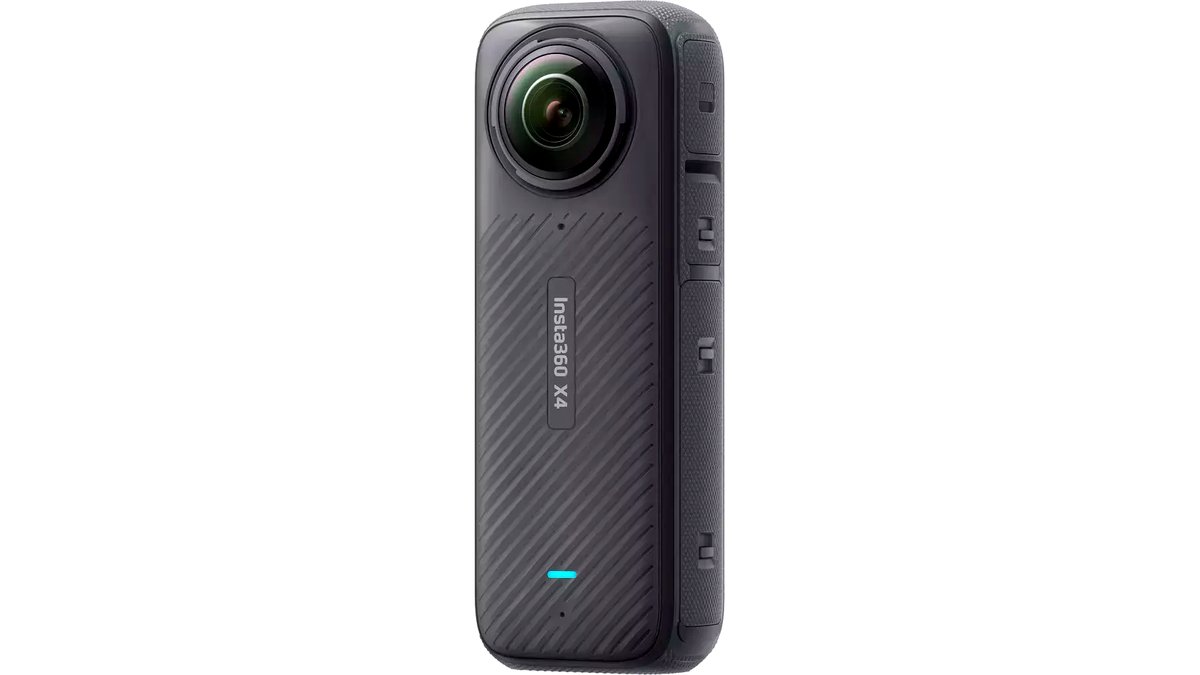
At a Glance Comparison
| Camera Type | Best For | Key Stated Specs | Limits |
|---|---|---|---|
| Rugged waterproof point-and-shoot (no housing needed) | Snorkeling, pool, beach, casual family use | Native waterproof rating for shallow depths, simple point-and-shoot operation | Shallower depth rating; limited manual controls |
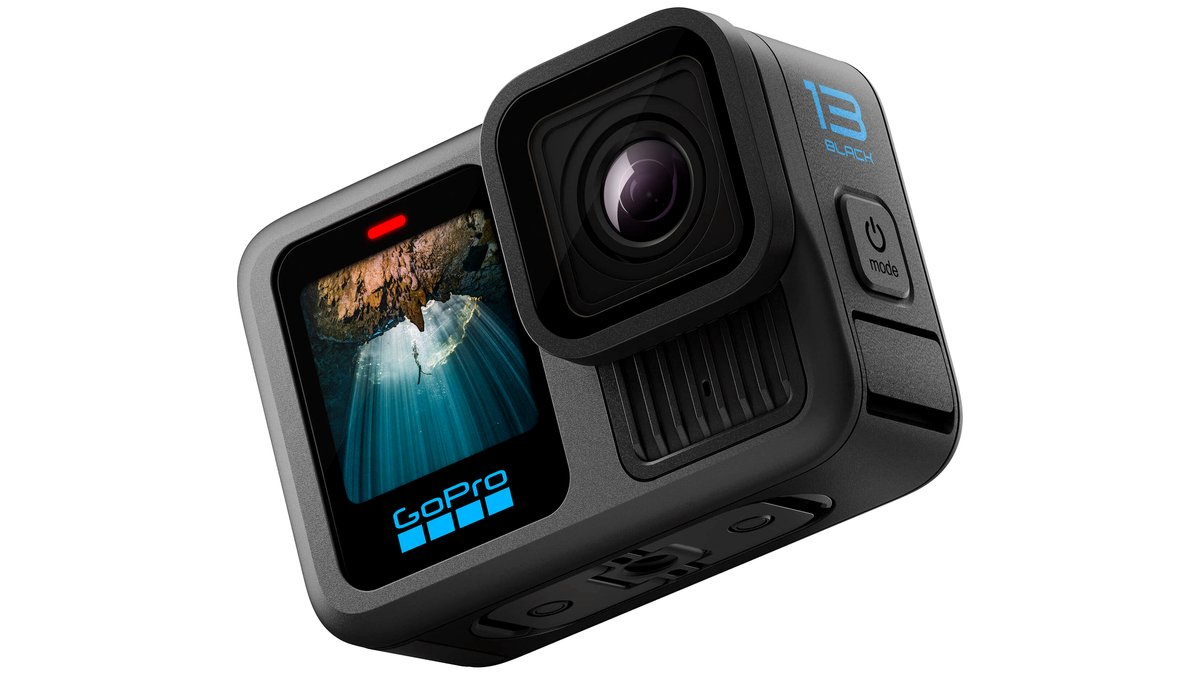
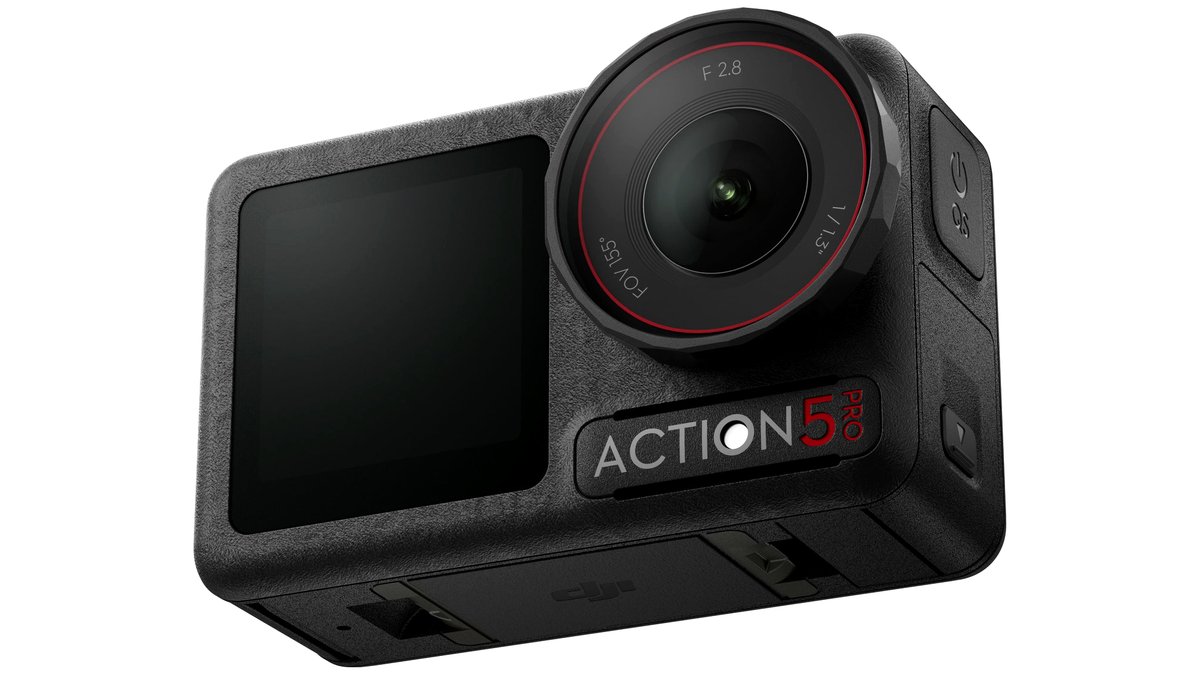
| Action camera (with or without added dive housing) | Active sports, shallow-to-moderate depth diving, wide-angle clips | Compact size, wide field of view, housing accessories available for deeper use | Smaller sensor limits low-light and detail performance versus larger cameras |
| Compact/mirrorless camera in a dedicated dive housing | Serious divers wanting manual control and higher image quality | Full manual exposure control, larger sensor, housing rated for scuba depths | Higher cost, bulkier setup, requires careful housing maintenance and sealing |
Pick the Right Underwater Camera If…
| Situation | Recommended Type |
|---|---|
| You snorkel occasionally or want simple vacation clips | Rugged waterproof point-and-shoot, no housing needed |
| You surf, kayak, or do other active water sports | Action camera with its native waterproof rating or a matched housing |
| You scuba dive regularly and want control over exposure and color | Compact/mirrorless camera in a dedicated dive housing |
| You dive past the shallow, well-lit zone | A setup with an external dive light or strobe and a color-correction filter |
| You want the lightest, simplest possible setup | Native waterproof point-and-shoot or action camera without an added housing |
Fit and Compatibility Notes
Dive housings are generally model-specific, built to match the exact camera body’s button and port layout, so a housing bought for one camera model will not fit a different model even from the same brand, and confirming exact model compatibility before buying is essential. O-ring seals on housings need regular inspection, cleaning, and occasional replacement as part of normal maintenance, since a worn or dirty O-ring is one of the most common causes of a flooded housing. Memory card and battery capacity also matter more for extended dive sessions than for typical land use, since there is no convenient way to swap cards or batteries mid-dive.
A Few Alternatives Worth Considering
- Smartphone in a dedicated waterproof pouch or case: A low-cost option for shallow, casual use, though image quality and depth rating are generally more limited than a purpose-built waterproof camera.
- Underwater drones: For exploring and filming larger underwater areas without a diver physically present, though these are a different category entirely with their own learning curve and higher cost.
- Rental dive camera systems through local dive shops: Useful for travelers or occasional divers who want to try a higher-end setup without the upfront cost of buying one.
Frequently Asked Questions
How deep can I take a typical waterproof point-and-shoot camera?
This varies by specific model, and the maker’s stated depth rating should always be checked and respected with a safety margin rather than tested to its exact limit. Many native waterproof point-and-shoots are built for shallow snorkeling depths rather than scuba-level depths.
Do I need an external light for underwater photography?
Not for shallow, sunlit water, but as depth increases, ambient light fades and color shifts toward blue and green, so an external dive light or strobe, along with a color-correcting filter, makes a noticeable difference in image quality for most divers shooting below the shallow, well-lit zone.
Can I use my regular camera underwater with just any waterproof case?
No, dive housings are generally built to match a specific camera model’s exact body shape and button layout, so a housing needs to be matched precisely to the camera it will hold rather than assumed to fit a similar-looking model.
How do I maintain a dive housing to prevent leaks?
Regularly inspect and clean the O-ring seal, avoid sand or grit contact with the sealing surface, and follow the housing maker’s specific maintenance schedule, since a compromised seal is one of the most common causes of water damage to underwater camera gear.
Why does my underwater footage look so blue or green?
Water absorbs red wavelengths of light first as depth increases, which shifts the natural color balance toward blue or green the deeper you go. Color-correcting filters, external lighting, or correcting white balance in editing afterward can all help restore more natural-looking color.
Is an action camera good enough for scuba diving, or do I need a dedicated dive camera?
An action camera paired with a properly rated dive housing can work well for many recreational divers, especially for wide-angle clips in reasonably lit water. Divers wanting manual exposure control, better low-light performance, or higher overall image quality typically move up to a compact or mirrorless camera in a dedicated housing instead.