Key takeaways
- Indoor vs. outdoor rating. Indoor-only models are not weatherproof and are meant for use inside a home, while outdoor-rated models list a weather-resistance rating suited to rain and temperature swings.
- Power source. Battery-powered models offer flexible, cable-free placement but need periodic battery changes or recharging, while wired or plug-in models stay powered continuously but need an outlet nearby.
- Video resolution and field of view. Newer models in the lineup list higher resolution and wider fields of view than older entries, which affects how much detail is visible at the edges of the frame.
- Subscription requirements. Cloud video storage, person detection, and some advanced features typically require an ongoing subscription plan; local storage options may be available on certain models or with an add-on hub device, so checking what is included free versus what requires a plan matters.
- Two-way audio and motion detection. Most current models include two-way talk and motion-triggered alerts, but detection zone customization and sensitivity settings vary by model generation.
- Hub or app-only operation. Some Blink cameras work directly over Wi-Fi through the app, while others are designed to pair with a separate Sync Module or hub for local storage and expanded features.
Renters and first-time smart home buyers who want a simple indoor camera fit best with the compact Mini-series model, while anyone covering a porch, driveway, or yard needs a battery or wired outdoor model built for weather exposure. Which Blink camera makes sense depends on indoor vs. outdoor placement, whether a wired power source is available, and how much video history a buyer wants to keep.
As an Amazon Associate, we earn from qualifying purchases made through links on this page.

What to look for in a Blink camera
- Indoor vs. outdoor rating. Indoor-only models are not weatherproof and are meant for use inside a home, while outdoor-rated models list a weather-resistance rating suited to rain and temperature swings.
- Power source. Battery-powered models offer flexible, cable-free placement but need periodic battery changes or recharging, while wired or plug-in models stay powered continuously but need an outlet nearby.
- Video resolution and field of view. Newer models in the lineup list higher resolution and wider fields of view than older entries, which affects how much detail is visible at the edges of the frame.
- Subscription requirements. Cloud video storage, person detection, and some advanced features typically require an ongoing subscription plan; local storage options may be available on certain models or with an add-on hub device, so checking what is included free versus what requires a plan matters.
- Two-way audio and motion detection. Most current models include two-way talk and motion-triggered alerts, but detection zone customization and sensitivity settings vary by model generation.
- Hub or app-only operation. Some Blink cameras work directly over Wi-Fi through the app, while others are designed to pair with a separate Sync Module or hub for local storage and expanded features.
At a glance
| Camera type | Best for | Key stated specs | Limits |
|---|---|---|---|
| Compact indoor plug-in model (Mini series) | Watching a room, nursery, or entryway indoors | Continuous power, night vision, two-way audio | Not weatherproof, needs a nearby outlet |
| Battery-powered outdoor model (Outdoor series) | Doors, driveways, and yards without easy wiring | Weather-resistant housing, long battery life per maker’s listing | Battery changes needed periodically; depends on activity level |
| Video doorbell model | Front-door package and visitor monitoring | Motion alerts, two-way audio, wired or battery options depending on model | Field of view limited to doorway area |
| Indoor battery model | Flexible indoor placement without an outlet nearby | Battery-powered, wire-free setup | Shorter runtime than wired indoor models |
Top picks by category
Blink Mini / Mini 2 (compact indoor)
The Mini series is Blink’s smallest and most affordable indoor camera, designed to plug directly into an outlet, with the maker listing night vision and two-way audio as standard features. It suits buyers watching a single room, nursery, or entry point and who do not need battery-powered placement flexibility. The limit is that it is indoor-only and not rated for outdoor weather exposure.
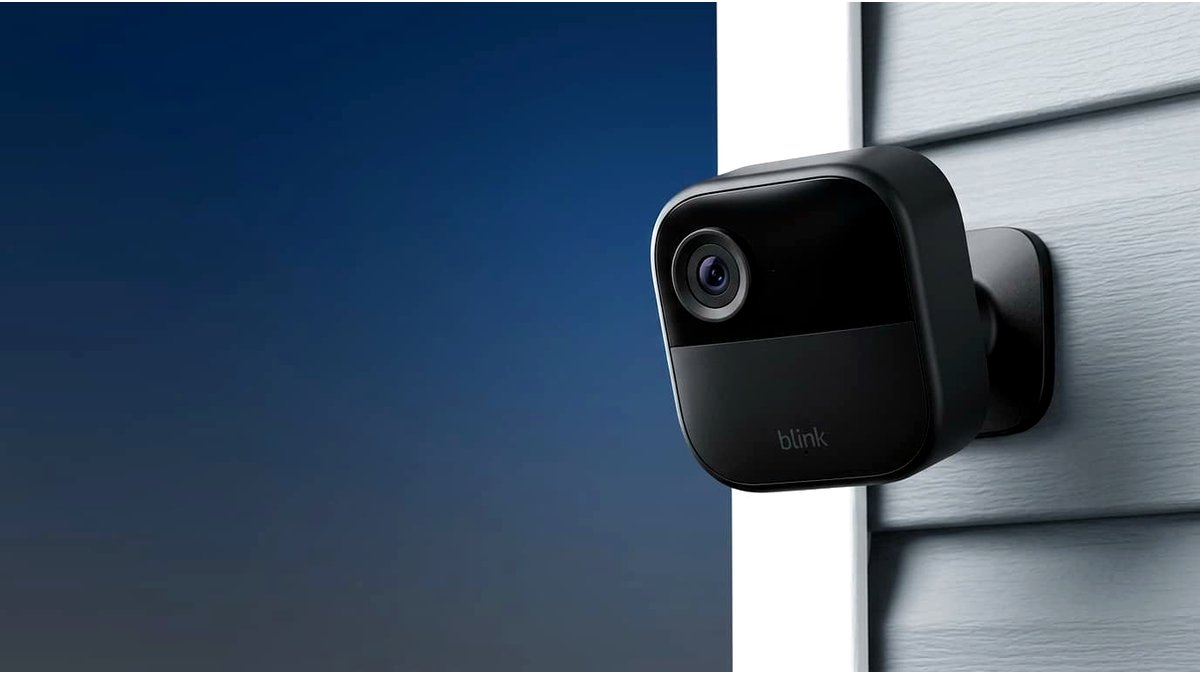
Blink Outdoor (battery-powered outdoor model)
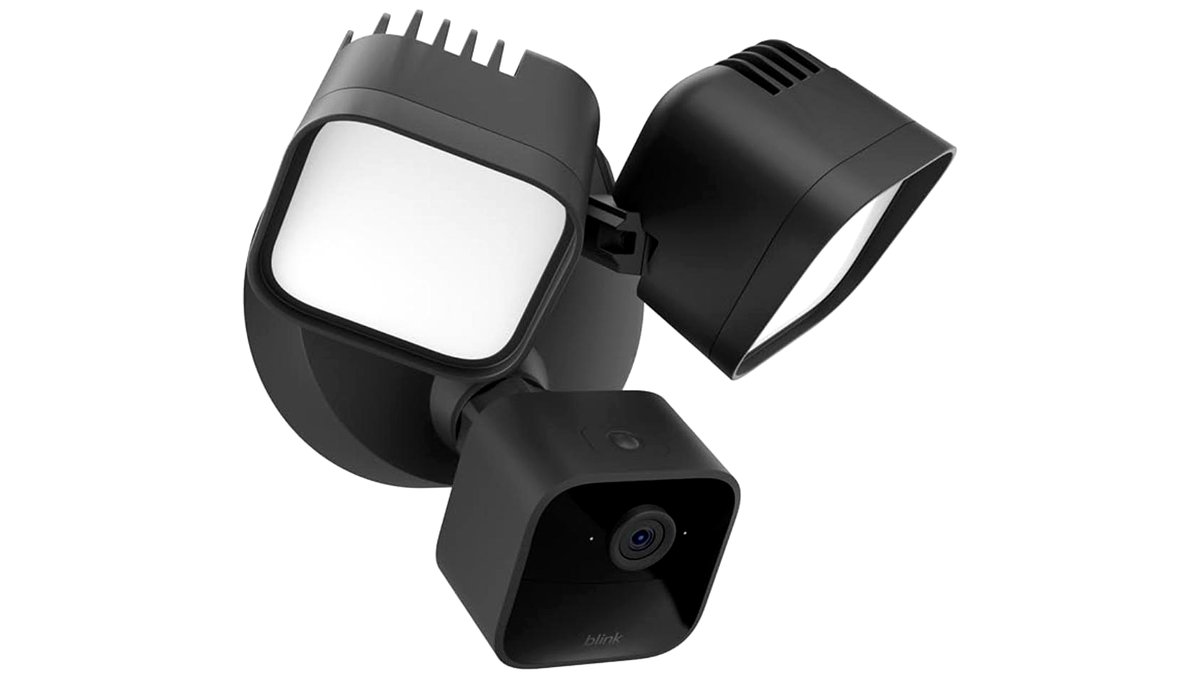
The Outdoor series is built with a weather-resistant housing and runs on batteries, which the maker lists as lasting many months under typical use, though actual runtime depends heavily on how much motion activity triggers recording. It suits buyers covering a porch, driveway, or backyard where running a power cable is impractical. The limit is the need to periodically check and replace or recharge batteries, with higher-traffic areas draining them faster.
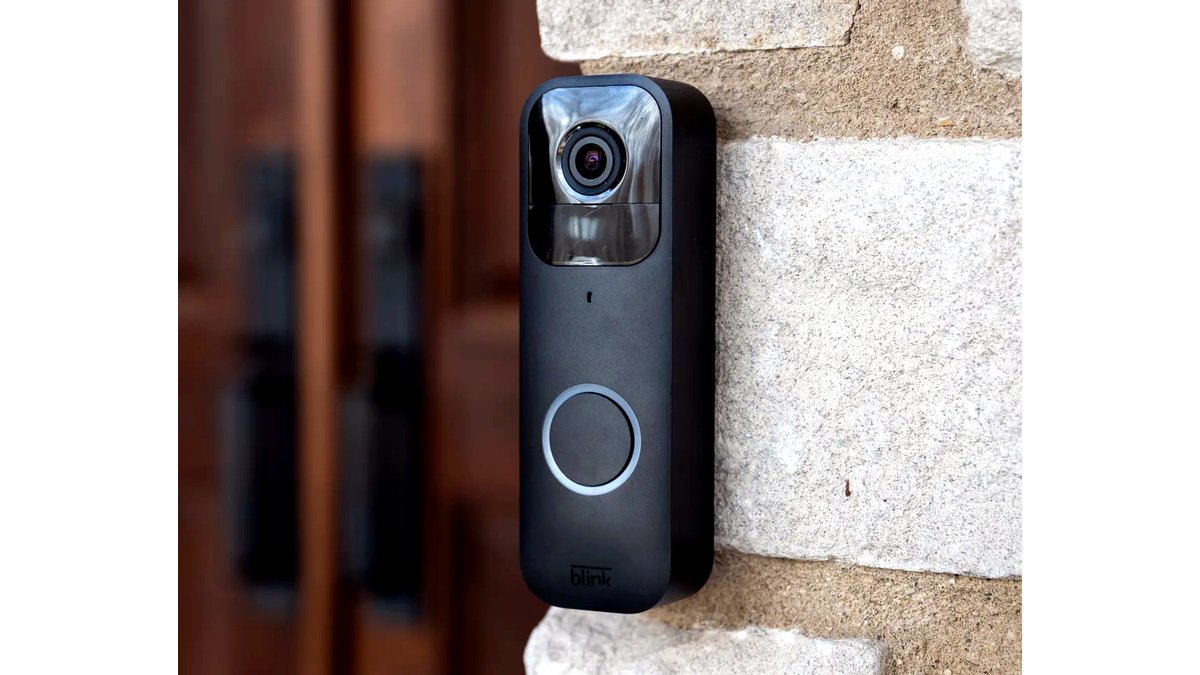
Blink Video Doorbell
Blink’s video doorbell is built specifically for the front-door use case, combining a doorbell button with a camera and the maker’s listed motion and two-way audio features, available in both wired and battery configurations depending on the model year. It suits buyers focused on package deliveries and visitor monitoring at a single entry point. The limit is a narrower field of view than a general-purpose outdoor camera, since it is angled and positioned specifically for a doorway.
Blink Indoor (battery-powered indoor model)
This model offers the same core indoor monitoring features as the Mini series but runs on batteries instead of a continuous plug-in connection, which the maker lists as useful for placement away from outlets. It suits buyers who want to monitor a room where running a cable is inconvenient. The limit is a battery that needs periodic replacement, unlike the continuously powered Mini series.
Fit and compatibility notes
Most current Blink cameras connect directly to home Wi-Fi, though some setups benefit from or require a Sync Module for local USB storage and to group multiple cameras under one hub; checking whether a specific camera model needs a separate hub for the features a buyer wants (such as local storage instead of cloud) is worth doing before purchase. Outdoor models still need a reasonably strong Wi-Fi signal at the mounting location, so placement near the edge of a home’s Wi-Fi range may need a range extender or a mesh network node nearby. Battery life claims from the maker assume a certain number of daily motion events; homes with high foot or vehicle traffic near the camera should expect shorter real-world battery life than the stated maximum.
Pick one if…
| If you… | Pick this type |
|---|---|
| Want the cheapest way to watch one indoor room with constant power | Blink Mini / Mini 2 |
| Need to cover a porch, driveway, or yard without wiring | Blink Outdoor |
| Want to see and talk to visitors at the front door | Blink Video Doorbell |
| Need wire-free indoor placement away from an outlet | Blink Indoor |
Alternatives worth considering
A wired security camera system with continuous power and local recording suits buyers who want to avoid subscription costs and do not mind a more involved installation. A different wire-free outdoor camera brand with solar panel accessories may suit buyers who want to avoid battery changes entirely in sunny climates. A standalone video doorbell from a different brand built with a larger field of view may be worth considering for buyers whose main priority is wide package and porch coverage rather than a compact, budget-friendly system.
Frequently Asked Questions
Do Blink cameras require a subscription?
Basic motion alerts and live view typically work without a paid plan, but cloud video storage, video history, and some advanced detection features generally require a subscription, which varies by plan tier. Buyers should check the current plan details for the specific features they want before assuming everything is included free.
How long do Blink camera batteries last?
The maker lists an estimated battery life for its battery-powered models based on a typical number of daily motion events, often stated in months rather than weeks. Actual battery life depends on how much motion activity the camera detects, temperature, and Wi-Fi signal strength at the mounting location.
Can Blink cameras work without internet or Wi-Fi?
Blink cameras are designed to connect to home Wi-Fi for live view, alerts, and cloud or local storage, so a working internet connection is generally needed for full functionality. Some local recording to a Sync Module may continue during a brief internet outage, but remote viewing and alerts require connectivity.
Are Blink outdoor cameras weatherproof?
Outdoor-rated Blink models list a weather-resistance rating intended for rain and typical outdoor temperature ranges, but this is not the same as being submersible or rated for extreme conditions. Following the manufacturer’s placement guidance, such as avoiding direct exposure to standing water, is recommended.
How many Blink cameras can I run on one account?
Blink’s system is designed to support multiple cameras grouped under one account and, for some setups, one or more Sync Modules, with the exact limits depending on the current app and hardware generation. Checking the manufacturer’s current app documentation for the specific limit is the most reliable way to confirm this for a given setup.
Can I use Blink cameras for a home office or business?
Blink cameras are marketed primarily for home use, and buyers considering them for a small office or business setting should check the product’s stated intended use and any local laws about recording audio and video in a workplace. A system designed for commercial use may be more appropriate for larger or regulated business environments.