Key takeaways
- Fujifilm X-H2S or similar hybrid mirrorless cameras: Worth considering for filmmakers who also need a strong photography tool in the same body, trading some dedicated cinema features for stills versatility.
- Sony FX6: A step up from the FX3 with a built-in handle and additional physical controls, aimed at crews wanting more traditional cinema camera ergonomics than the FX3’s smaller body.
- Blackmagic URSA Mini Pro line: A larger, more traditional cinema camera body from the same maker as the Pocket Cinema Camera, suited to productions wanting a full-size cinema body rather than a compact one.
Independent filmmakers who need the most flexible dynamic range and color in a compact body generally fit best with a Blackmagic Pocket Cinema Camera, run-and-gun documentary and online-video shooters often prefer a Sony FX3 for its small size and strong low-light performance, and crews needing a fully modular cinema camera for larger productions should look at the Canon EOS C70 or a RED Komodo. Choosing among 4K cinema cameras depends mainly on body size and ergonomics, the color science and dynamic range a project needs, and whether the camera must integrate with an existing lens and accessory ecosystem.
As an Amazon Associate, we earn from qualifying purchases made through links on this page.
What Separates a “Cinema Camera” From a Mirrorless Hybrid
Cinema cameras are built primarily around video workflows, which typically means features like built-in neutral density (ND) filters, more extensive XLR audio inputs, and recording formats designed for color grading, such as RAW or high-bitrate intraframe codecs. Mirrorless hybrids, by contrast, are built primarily for photography with strong video capability added on. The cameras in this guide sit on the cinema-camera side of that line, prioritizing video-first ergonomics and workflow over photo functions, though several still retain some stills capability.
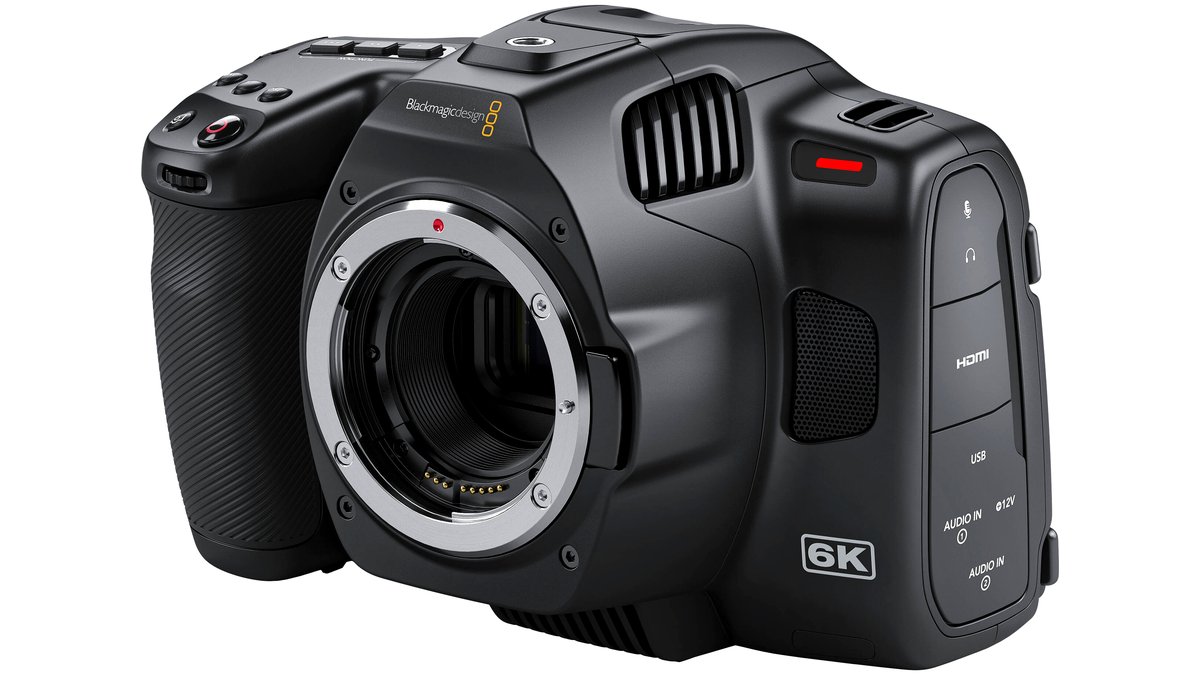
Blackmagic Pocket Cinema Camera: Dynamic Range in a Compact Body
The Blackmagic Pocket Cinema Camera line, including the 6K and 4K models, packs a large sensor and the maker’s Blackmagic RAW recording format into a notably compact body compared with traditional cinema cameras. Blackmagic states its sensors deliver wide dynamic range suited to color grading, and independent reviewers commonly praise the image quality relative to the camera’s price point. The tradeoff is battery life, which reviewers frequently note as shorter than competing cameras, making external power or spare batteries a near-necessity for longer shooting days.
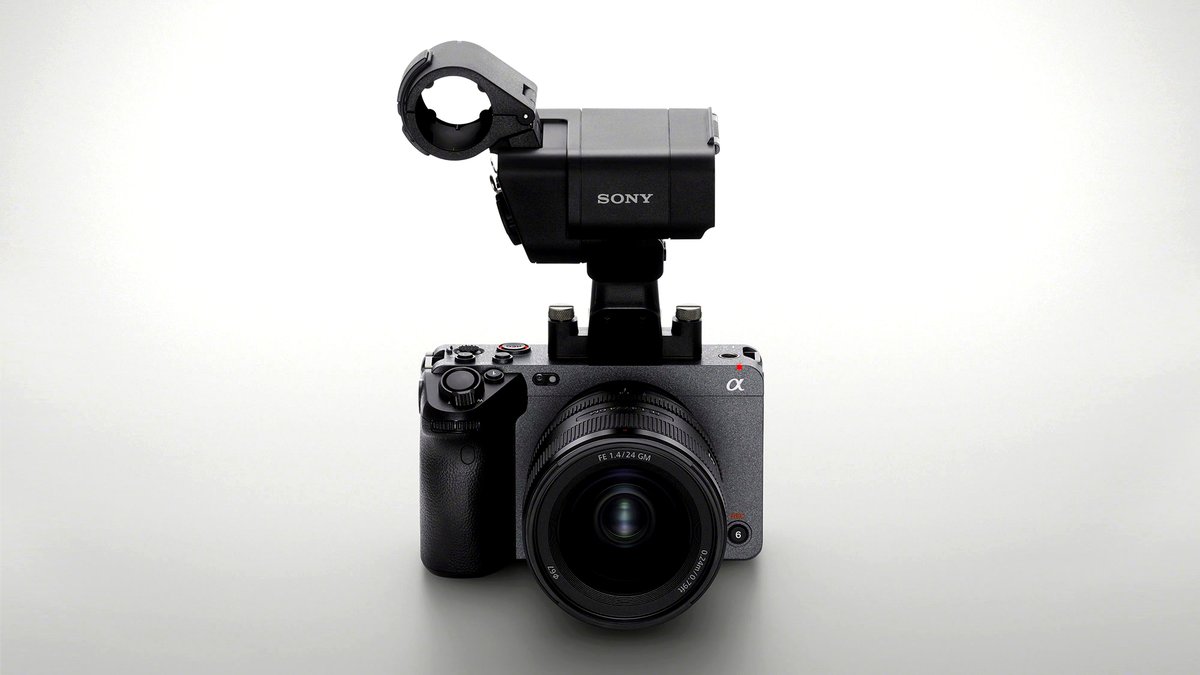
Sony FX3: Compact Body for Run-and-Gun Work
The Sony FX3 shares its sensor lineage with Sony’s acclaimed mirrorless cinema line but is built in a boxier, cinema-oriented body with a built-in cooling fan intended to support longer continuous recording without overheating. Reviewers highlight its low-light performance and compatibility with Sony’s extensive E-mount lens ecosystem as strengths for solo shooters and small crews who value portability. Its smaller body means less room for physical controls than larger cinema cameras, so some operators add a cage and external monitor to restore a more traditional cinema camera handling experience.
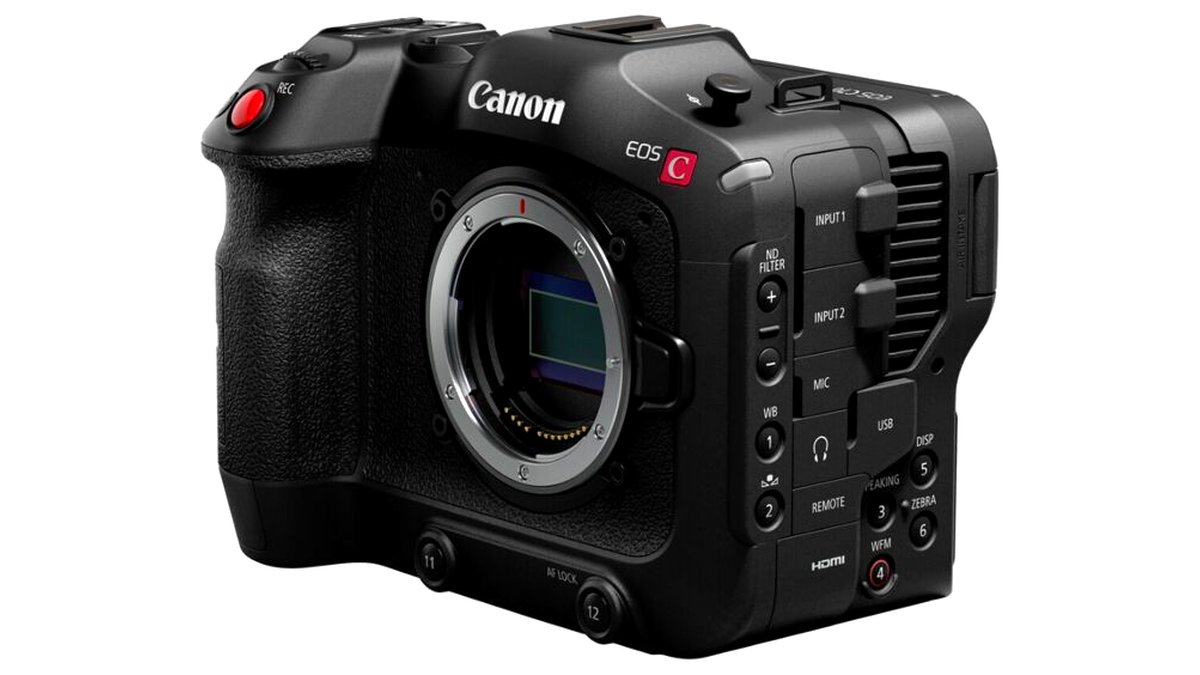
Canon EOS C70: Modular Design With RF-Mount Flexibility
The Canon EOS C70 brings Canon’s Cinema EOS sensor and color science into a lighter, more modular body than the company’s larger C300 and C500 cameras, built around Canon’s RF lens mount. The maker lists dual pixel autofocus as a feature carried over from Canon’s mirrorless line, which reviewers note as a meaningful advantage for solo operators who need reliable autofocus without a dedicated focus puller. This camera suits productions wanting Canon’s established color rendering in a body light enough for handheld or gimbal work.
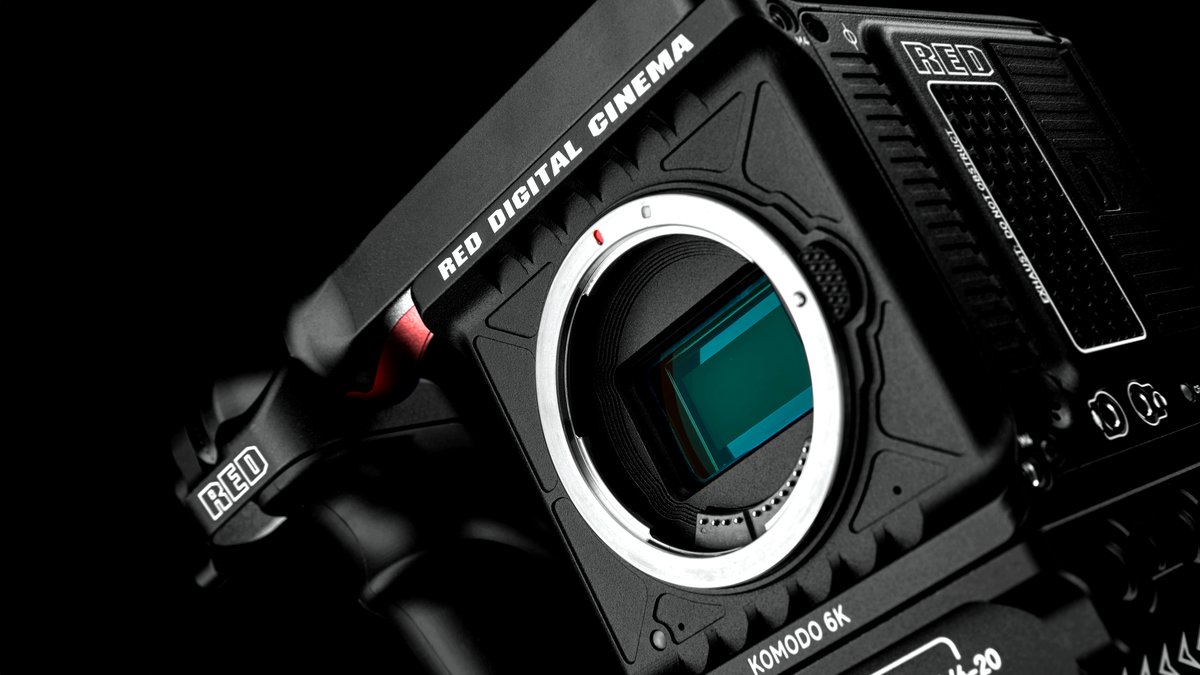
RED Komodo: Compact Entry Into RED’s Workflow
The RED Komodo brought RED’s RAW recording workflow, long associated with high-end feature and commercial production, into a smaller and comparatively more accessible body than the company’s larger cinema cameras. The company states the Komodo records RED’s RAW format internally without an external recorder, which simplifies a workflow that traditionally required additional hardware. Productions choosing the Komodo are typically already planning around RED’s color workflow and post-production pipeline, which has its own learning curve and software ecosystem compared with other brands.
Panasonic Lumix S1H and GH-series: Hybrid Cinema Options
Panasonic’s S1H and GH-series cameras blend mirrorless-style bodies with cinema-oriented features like unlimited recording time and V-Log profiles intended for color grading flexibility. These cameras suit filmmakers who also need strong stills capability from the same body or who are building a kit around Panasonic’s lens mounts. They generally offer less extensive professional audio and ND filtering than dedicated cinema bodies like the C70, so productions with heavy audio needs often add external recorders and filtration.
At a Glance: 4K Cinema Cameras Compared
| Camera | Best For | Key Stated Traits | Limits |
|---|---|---|---|
| Blackmagic Pocket Cinema Camera 6K/4K | Color grading flexibility on a budget | Large sensor, Blackmagic RAW, compact body | Shorter battery life noted by reviewers |
| Sony FX3 | Run-and-gun, low-light work | Compact cinema body, built-in fan, broad E-mount lens support | Fewer physical controls than larger cinema bodies |
| Canon EOS C70 | Solo operators needing reliable autofocus | Modular RF-mount body, dual pixel autofocus | Smaller sensor format than some full-frame competitors |
| RED Komodo | Productions built around RED’s RAW workflow | Internal RAW recording, compact for a RED camera | RED-specific post-production learning curve |
| Panasonic S1H / GH-series | Hybrid stills-and-video kits | Unlimited recording time, V-Log color profiles | Less extensive audio and ND options than dedicated cinema bodies |
Pick X If…
| If You… | Choose |
|---|---|
| Want the most dynamic range for grading at the lowest cost of entry | Blackmagic Pocket Cinema Camera |
| Shoot solo, handheld, or in low light often | Sony FX3 |
| Need reliable autofocus without a dedicated focus puller | Canon EOS C70 |
| Are building a production around RED’s color workflow | RED Komodo |
| Need one camera for both stills and unlimited-length video | Panasonic S1H or GH-series |
Fit, Mount, and Compatibility Notes
Lens mount determines which lenses a camera can use natively: Sony and Panasonic bodies here use their respective E-mount and L-mount systems, Canon’s C70 uses RF mount, and Blackmagic and RED models vary by specific camera, with some supporting interchangeable mounts via an adapter. Buyers with an existing lens collection should confirm native mount compatibility or check whether a reputable adapter supports their specific lenses without losing autofocus or aperture control. Media and storage requirements also vary significantly, since RAW-capable cameras generally need faster, more expensive storage media than cameras recording compressed codecs, which affects total system cost beyond the camera body itself.
Alternatives Worth Considering
- Fujifilm X-H2S or similar hybrid mirrorless cameras: Worth considering for filmmakers who also need a strong photography tool in the same body, trading some dedicated cinema features for stills versatility.
- Sony FX6: A step up from the FX3 with a built-in handle and additional physical controls, aimed at crews wanting more traditional cinema camera ergonomics than the FX3’s smaller body.
- Blackmagic URSA Mini Pro line: A larger, more traditional cinema camera body from the same maker as the Pocket Cinema Camera, suited to productions wanting a full-size cinema body rather than a compact one.
Frequently Asked Questions
Do these cameras need special storage cards or drives?
Cameras recording RAW formats, such as the RED Komodo or Blackmagic models in certain modes, generally need faster, higher-capacity media than cameras recording standard compressed codecs. Buyers should check the specific card or SSD speed and capacity the manufacturer states as required for their chosen recording format before purchase, since using unsupported media can cause dropped frames or recording failures.
Is a full cinema camera necessary, or would a mirrorless hybrid be enough?
For short-form content, social video, and many documentary projects, a capable mirrorless hybrid can produce comparable image quality to an entry-level cinema camera. Dedicated cinema cameras generally offer advantages in continuous recording reliability, built-in ND filtering, and professional audio inputs that become more valuable as production complexity and shoot length increase.
How much does lens choice affect the final image compared to the camera body?
Lens choice significantly affects image character, including depth of field, sharpness, and how the image renders highlights and out-of-focus areas, often as much as or more than the camera body itself. Filmmakers choosing a camera system should factor in the lens ecosystem available for that mount, since a camera with excellent sensor performance paired with a limited lens selection can still constrain creative options.
What is dynamic range and why does it matter for color grading?
Dynamic range describes how much detail a sensor can capture across both bright highlights and dark shadows in a single shot, and higher dynamic range generally gives colorists more flexibility when adjusting exposure and contrast in post-production. Manufacturers typically state a stops figure for dynamic range, and cameras recording RAW or high-bitrate log formats generally preserve more of that captured range for grading than cameras recording more compressed, ready-to-view footage.
Can these cameras record usable audio without external equipment?
Most dedicated cinema cameras include built-in microphones and at least basic XLR or mini-XLR inputs, which can work for simple interviews or reference audio. For professional production sound, filmmakers typically still use external microphones and often a separate audio recorder, since built-in camera audio is generally considered a backup rather than a primary source for finished projects.
Do 4K cinema cameras require more powerful editing computers than standard video?
4K footage, especially in RAW or high-bitrate formats, generally requires more processing power, storage bandwidth, and memory to edit smoothly than standard HD footage. Editors working with RAW footage from cameras like the RED Komodo or Blackmagic Pocket Cinema Camera often rely on proxy workflows, which use lower-resolution copies for editing before reconnecting to full-resolution footage for final color and export, to keep editing responsive on less powerful systems.