Key takeaways
- Polar pattern tightness — shotgun mics use a supercardioid or lobar pattern to reject off-axis sound; tighter patterns isolate dialogue better in noisy environments but pick up more off-axis coloration if the subject moves.
- Self-noise — makers list this in dB(A); lower numbers mean cleaner audio in quiet rooms and better performance when gain has to be pushed up for a quiet subject.
- Power source — some run on plug-in power from the camera, others need a battery or a 48V phantom supply from an external recorder or mixer.
- Output options — 3.5mm minijack for direct camera use, XLR for mixers and recorders, and increasingly USB-C for direct computer or phone use.
- Shock mount and windscreen quality — handling noise and wind noise are the two most common complaints reviewers raise about cheaper mics in this category.
A compact camera-top shotgun microphone suits run-and-gun video and vlogging where gear has to stay light and quick to set up, while a larger shotgun with a bigger capsule and more robust shock mount suits dedicated video shoots, interviews, and documentary work where audio quality matters more than size and weight.
As an Amazon Associate, we earn from qualifying purchases made through links on this page.
What Separates a Good On-Camera Shotgun Mic From a Mediocre One
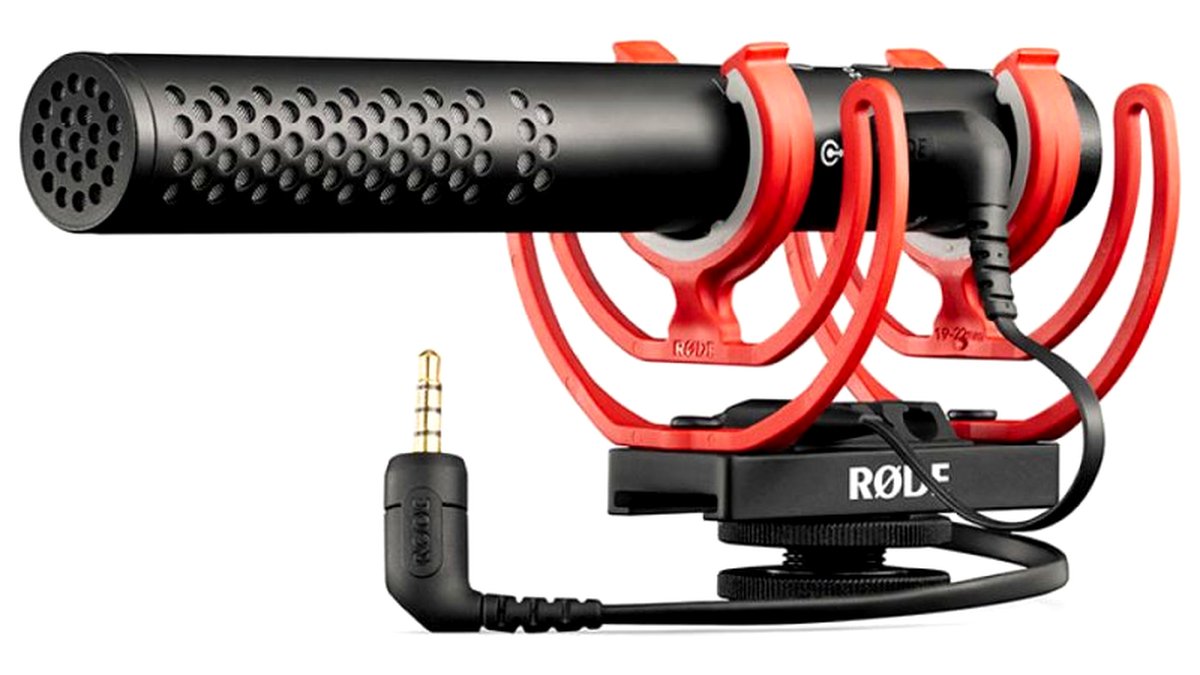
On-camera shotgun mics all look similar — a shock-mounted capsule in a foam windscreen, sitting in a cold-shoe mount — but the specs behind that shape vary a lot.
- Polar pattern tightness — shotgun mics use a supercardioid or lobar pattern to reject off-axis sound; tighter patterns isolate dialogue better in noisy environments but pick up more off-axis coloration if the subject moves.
- Self-noise — makers list this in dB(A); lower numbers mean cleaner audio in quiet rooms and better performance when gain has to be pushed up for a quiet subject.
- Power source — some run on plug-in power from the camera, others need a battery or a 48V phantom supply from an external recorder or mixer.
- Output options — 3.5mm minijack for direct camera use, XLR for mixers and recorders, and increasingly USB-C for direct computer or phone use.
- Shock mount and windscreen quality — handling noise and wind noise are the two most common complaints reviewers raise about cheaper mics in this category.
Top Picks at a Glance
| Model / tier | Best for | Key stated specs | Limits |
|---|---|---|---|
| RODE VideoMic series (compact on-camera shotgun) | Vlogging, run-and-gun video, mirrorless hybrid shooters | The maker lists plug-in power from the camera, built-in shock mounting, and a supercardioid capsule; some versions add onboard gain and safety-channel recording | Smaller capsule than full-size shotguns; less isolation in loud environments |
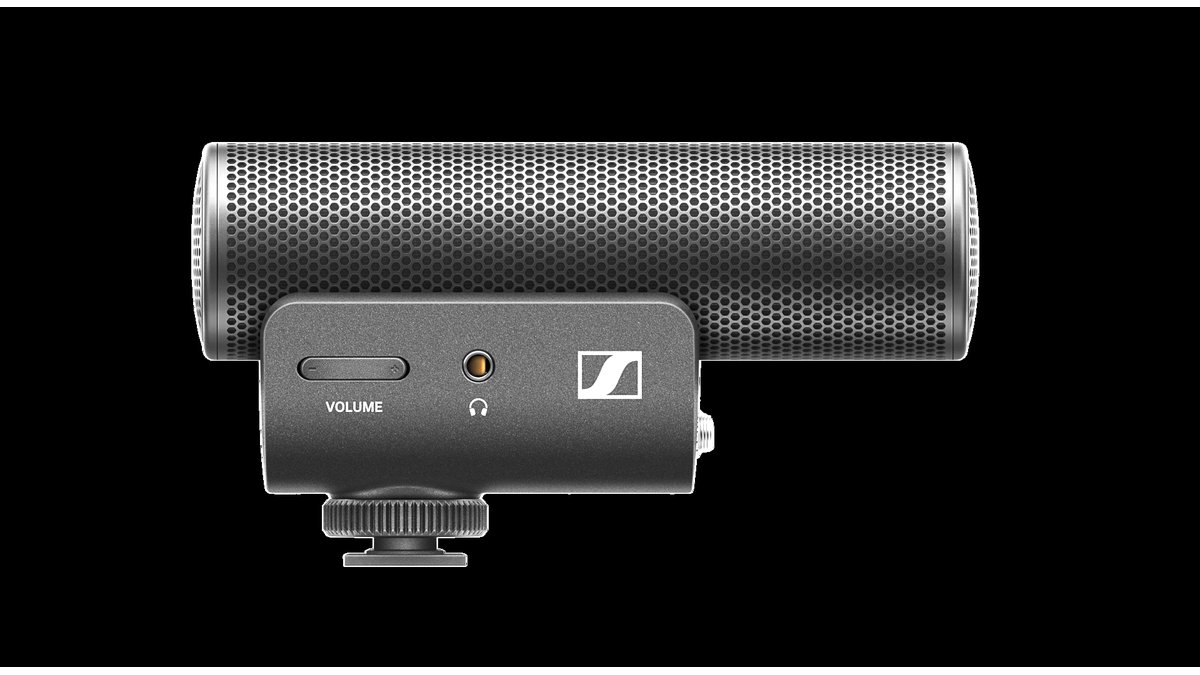
| Sennheiser MKE 400-class compact shotgun | DSLR/mirrorless hybrid shooters wanting simple plug-and-play audio | Sennheiser lists a directional pickup pattern, onboard battery or plug-in power depending on version, and multiple gain stages on later generations | 3.5mm-only on most versions; not intended for boom-pole interview work |
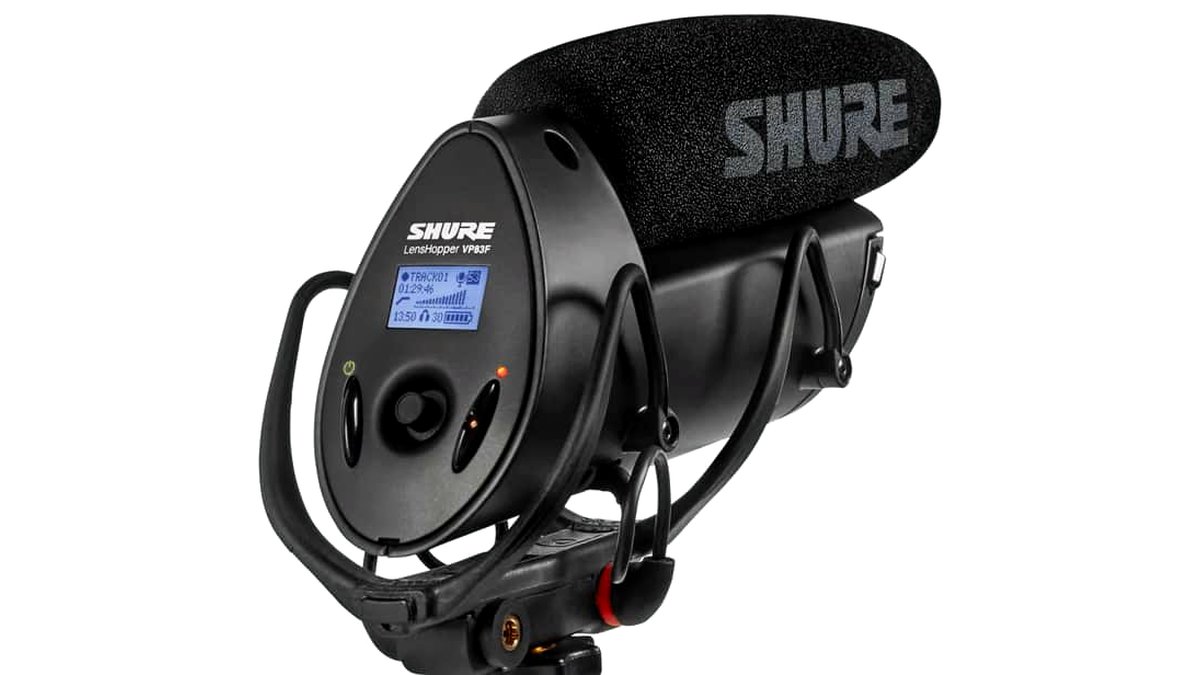
| Shure VP83F-class shotgun with recorder | Hybrid shooters who want a built-in backup recording and flash memory | Shure lists an integrated flash recorder, adjustable high-pass filter, and a supercardioid capsule | Bulkier than minimalist compacts; battery-powered, so battery life needs monitoring on long shoots |
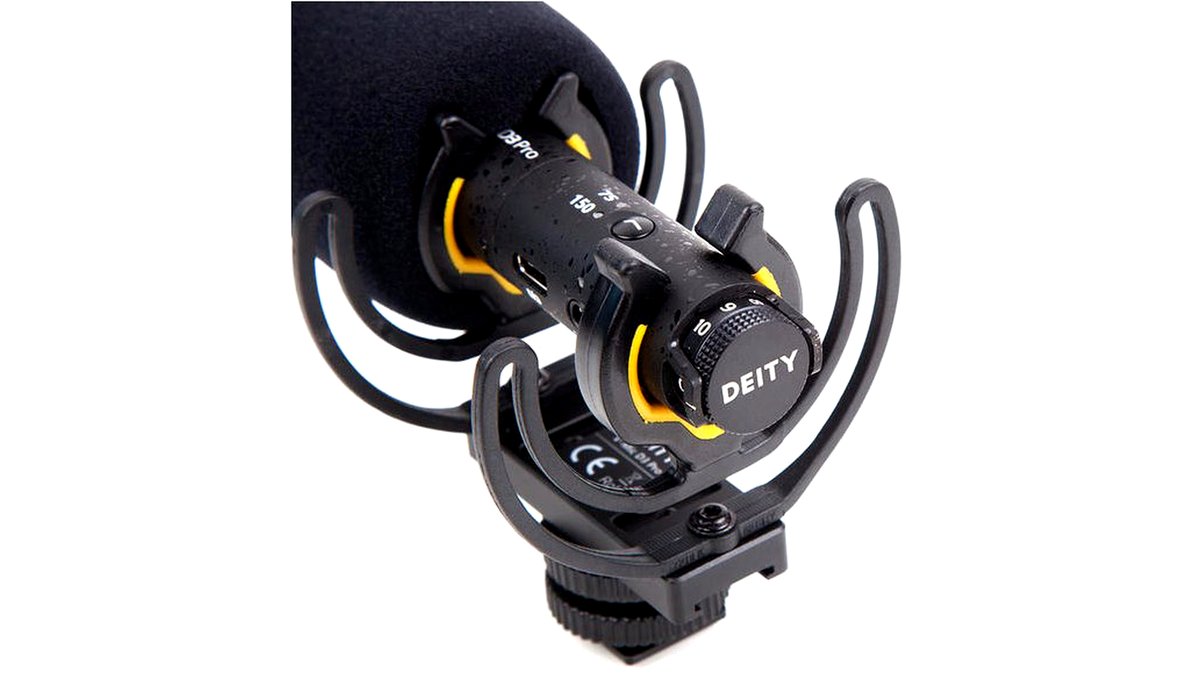
| Deity V-Mic D3-class compact shotgun | Budget-conscious creators wanting a step up from built-in camera mics | The maker lists a rechargeable battery, multiple output level settings, and a supercardioid capsule | Smaller shock mount than premium models; wind handling is more basic |
Compatibility and Fit Notes
Before buying, it’s worth checking three things against the camera being used: the output jack (3.5mm TRS mic input versus USB-C versus XLR), the power requirement (plug-in power, internal battery, or phantom power), and the cold-shoe/hot-shoe mount on the camera body. Many mirrorless cameras supply plug-in power on their mic input, which lets some compact shotguns skip a battery entirely — but not all cameras do, so a battery-powered mic is the safer universal choice if the exact camera isn’t confirmed to supply plug-in power.
Cage or rig setups with a camera lower on a handle grip may put the mic further from the subject’s mouth than a top-mounted setup, which matters more for a tight supercardioid pattern than a wider one. A boom arm or short extension bar is a common fix when the mic ends up too far below eye level.
Pick X If…
| Pick this if… | Recommended type |
|---|---|
| You want the simplest possible setup with no battery to manage | Plug-in-powered compact shotgun (camera-powered) |
| You shoot in loud or echoey environments and need better isolation | Larger shotgun with a tighter supercardioid/lobar pattern and bigger shock mount |
| You want a safety backup in case the camera’s audio fails | Shotgun with built-in flash recorder |
| Budget matters most and the use case is casual or occasional | Budget compact shotgun with basic shock mount |
A Few Alternatives Worth Knowing About
Dual-capsule or stereo-capable compacts from several makers let the shooter switch between a tight mono shotgun pattern and a wider stereo mode, useful for creators who alternate between talking-head and ambient B-roll audio.
USB-C native shotgun mics aimed at phone and tablet video skip the camera-audio chain entirely, which suits creators shooting primarily on a phone rather than a dedicated camera.
Lavalier mics are worth considering instead of a shotgun for any setup where the subject moves around or turns away from the camera, since a lav stays consistent regardless of camera angle while a shotgun’s quality depends on staying pointed at the source.
Getting the Most Out of an On-Camera Shotgun Mic
Positioning makes a bigger difference than most buyers expect once a mic is already a reasonable match for the shooting style. Angling the shotgun slightly downward toward the subject’s mouth, rather than leaving it pointed straight ahead parallel to the lens, tends to capture clearer dialogue since it follows the subject’s voice rather than the general direction of the camera. Distance matters too — a supercardioid pattern starts to lose clarity and pick up more room tone as the gap between mic and subject grows, so keeping the mic as close as the shot allows pays off even with a capable mic.
Monitoring audio while recording, through headphones plugged into the camera or the mic itself where supported, catches problems in the moment rather than after a shoot wraps — wind noise, a loose cable connection, or an accidental low-gain setting are all much easier to fix on the spot than to try to repair afterward. Reviewers consistently flag that even a well-regarded mic can produce a disappointing result if gain staging is off, since clipping from too much gain is harder to fix in post than audio that’s merely a bit quiet.
For battery-powered models, starting a shoot day with a fresh charge and carrying a spare set of batteries where applicable avoids losing audio mid-session, which is a more common and more preventable failure than most mic-specific audio problems.
Frequently Asked Questions
Do I need an external shotgun mic if my camera already has a built-in microphone?
Built-in camera microphones are omnidirectional and sit close to the lens, so they pick up handling noise, lens motor sound, and ambient room noise along with the subject’s voice. An external shotgun mic, mounted further from the lens and more directional, generally gives a noticeably cleaner result for anything beyond casual clips.
Will a shotgun mic eliminate background noise entirely?
No — a shotgun mic reduces off-axis sound but doesn’t remove it. Reviewers consistently note that physical distance from noise sources and basic room treatment matter as much as mic choice for a genuinely quiet recording.
What’s the difference between plug-in power and phantom power?
Plug-in power is a low-voltage (typically around 3-5V) supply sent through a 3.5mm jack by cameras and recorders that support it, common on consumer gear. Phantom power is a higher-voltage (usually 48V) supply sent through XLR, standard on professional mixers and recorders. The two aren’t interchangeable, so a mic built for one won’t necessarily work on a device supplying the other.
How do I reduce wind noise outdoors?
A foam windscreen handles light breeze, but for anything beyond that, reviewers and makers both point to a furry “dead cat” style windscreen as the more effective option, since it breaks up airflow further from the capsule. Positioning the mic off-axis from the wind direction when possible also helps.
Can I use a shotgun mic for interviews instead of a lavalier?
Yes, with a boom operator or boom stand keeping the mic consistently aimed at whoever is speaking — this is standard practice in documentary and narrative production. For solo or run-and-gun interviews without a second person to operate a boom, a lavalier is usually more forgiving.
Does a more expensive shotgun mic always sound better?
Not automatically — price often reflects build quality, extra features (onboard recording, multiple gain stages, better shock mounting), and brand reputation as much as raw audio quality. Matching the mic’s pattern and power requirements to the actual shooting environment tends to matter more than spending more within a reasonable range.