Key takeaways
- Buyers who want a huge screen without ceiling-mounting a projector or dealing with hardwired runs should look at an ultra short throw (UST) laser projector, while anyone who mainly watches in a fully dark room and wants the cheapest big-screen…
Buyers who want a huge screen without ceiling-mounting a projector or dealing with hardwired runs should look at an ultra short throw (UST) laser projector, while anyone who mainly watches in a fully dark room and wants the cheapest big-screen setup may be better served by a standard throw laser or lamp projector instead. UST models sit on a low cabinet just inches from the wall or screen and throw a large image upward, which makes them a practical swap for a flat-panel TV in a living room.
As an Amazon Associate, we earn from qualifying purchases made through links on this page.
What makes a UST laser projector different
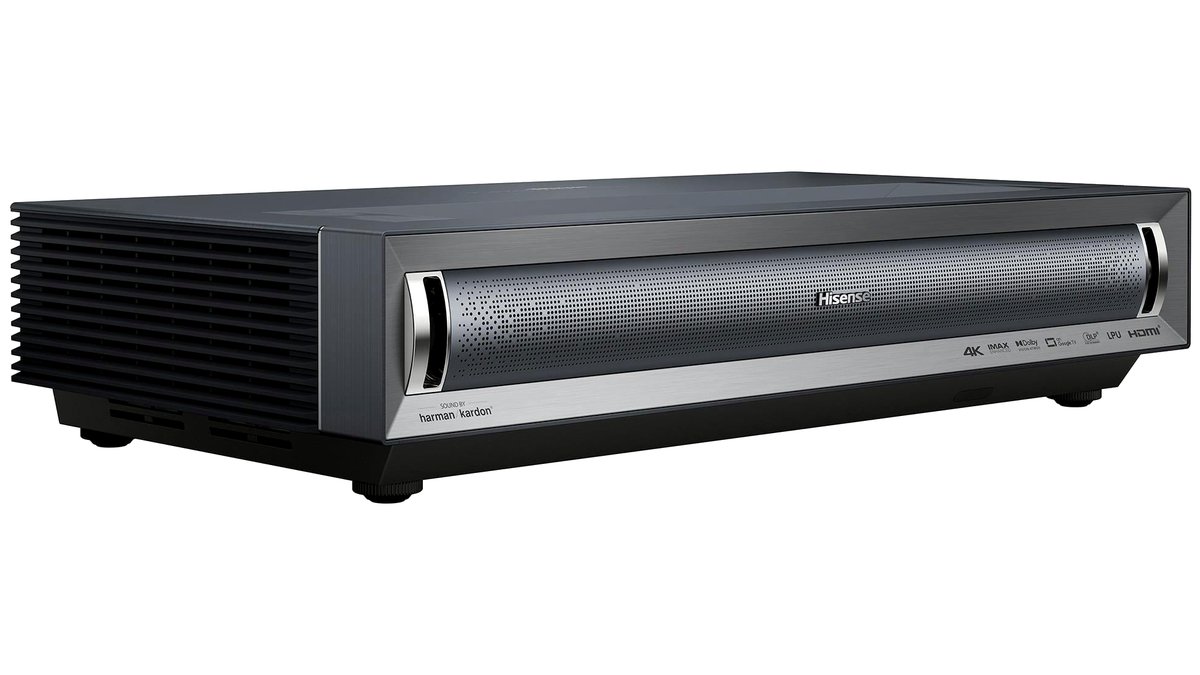
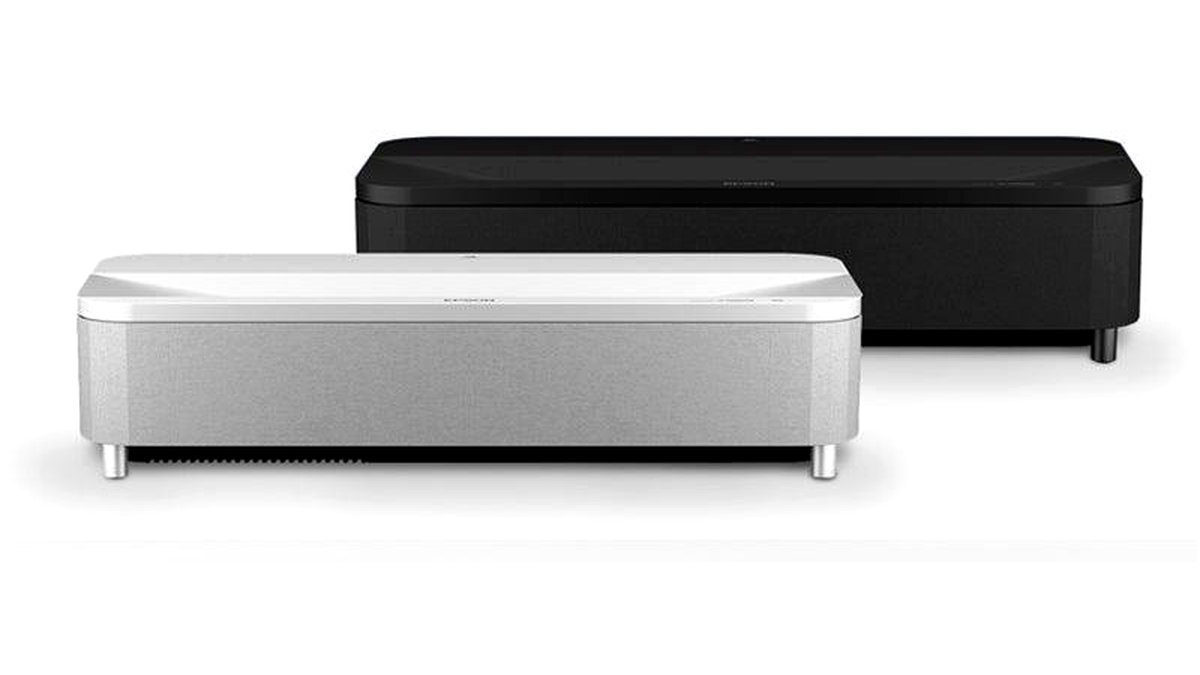
A UST unit uses a sharply angled mirror and lens assembly so it can sit 4 to 18 inches from the wall and still fill a 90 to 120 inch image. That short distance avoids the shadow problem of walking in front of a normal projector’s beam, since the light path stays low and close to the furniture. The “laser” part refers to the light source: a laser or laser-phosphor module instead of a traditional lamp, which the makers generally rate for 20,000 to 30,000 hours of use and which reaches full brightness almost instantly rather than needing a warm-up period.
Because the optics are doing more work at a steep angle, picture geometry is more sensitive to the surface underneath the unit and to the screen or wall surface than with a standard projector. A perfectly level, vibration-free stand matters more here than with a ceiling-mounted unit, since any tilt shows up as keystone distortion that menus can only partly correct.
Brightness, contrast, and screen choice
Reviewers consistently point out that a UST projector’s real-world picture depends heavily on the screen or wall paired with it. A standard matte white wall works but washes out in any ambient light, so many buyers pair UST units with an ambient-light-rejecting (ALR) screen designed for the steep projection angle; these screens have a textured or micro-lens structure that bounces the UST beam toward the seating area while absorbing light coming from windows and ceiling fixtures above. Outlets that review home theater gear note the ALR screen can matter as much as the projector itself for daytime watchability.
Lumens figures (measured in ANSI lumens when a maker states it that way) give a rough sense of how well a unit copes with a partially lit room, but two units with similar lumens ratings can look different in color saturation depending on whether they use a single-laser, dual-laser (RGB), or laser-phosphor light engine. Tri-color RGB laser engines tend to show wider, more accurate color because each primary color comes from its own laser rather than being filtered from white light, which several display-focused outlets have highlighted as the biggest visible difference between entry and flagship UST lines.
Smart features, audio, and connections
Most current UST models bundle a smart TV platform (Google TV, the maker’s own OS, or a licensed smart interface) so the projector can act as a complete living-room display rather than needing a separate streaming box, though buyers who already own a streaming stick or game console mainly need to confirm enough HDMI inputs, ideally with at least one supporting the bandwidth needed for 4K at 60Hz with HDR and, for gaming-focused households, a low-latency input mode. Built-in speaker systems range from modest stereo drivers to multi-speaker soundbar-style arrays tuned with an audio brand’s name on the badge; reviewers generally agree that even the better built-in sound benefits from an added soundbar or AV receiver once the room is larger than a bedroom.
Placement, sizing, and the room itself
Before buying, measure the distance from the intended wall to the front edge of the cabinet or stand where the projector will sit, then check the maker’s throw-ratio chart for the screen size that distance produces; most UST units offer a fairly narrow range of workable screen sizes rather than full zoom flexibility. Ceiling height and nearby light fixtures matter too, since a pendant light or recessed can directly above the screen area will bounce UST light back at the audience more than it would with a standard projector mounted at the back of the room. Carpet or a rug under the stand helps dampen vibration that a hard floor can transmit into the optical path.
| Tier | Best for | Light engine | Typical strengths | Watch for |
|---|---|---|---|---|
| Entry UST laser | First-time buyers wanting a big screen on a budget | Single-laser or laser-phosphor | Large image, instant-on, modest footprint | Lower peak brightness, narrower color volume in bright rooms |
| Mid-range UST laser | Most living rooms used for mixed streaming and casual gaming | Laser-phosphor with wider color filter | Better contrast, built-in smart platform, decent built-in audio | Still benefits from an ALR screen in daytime |
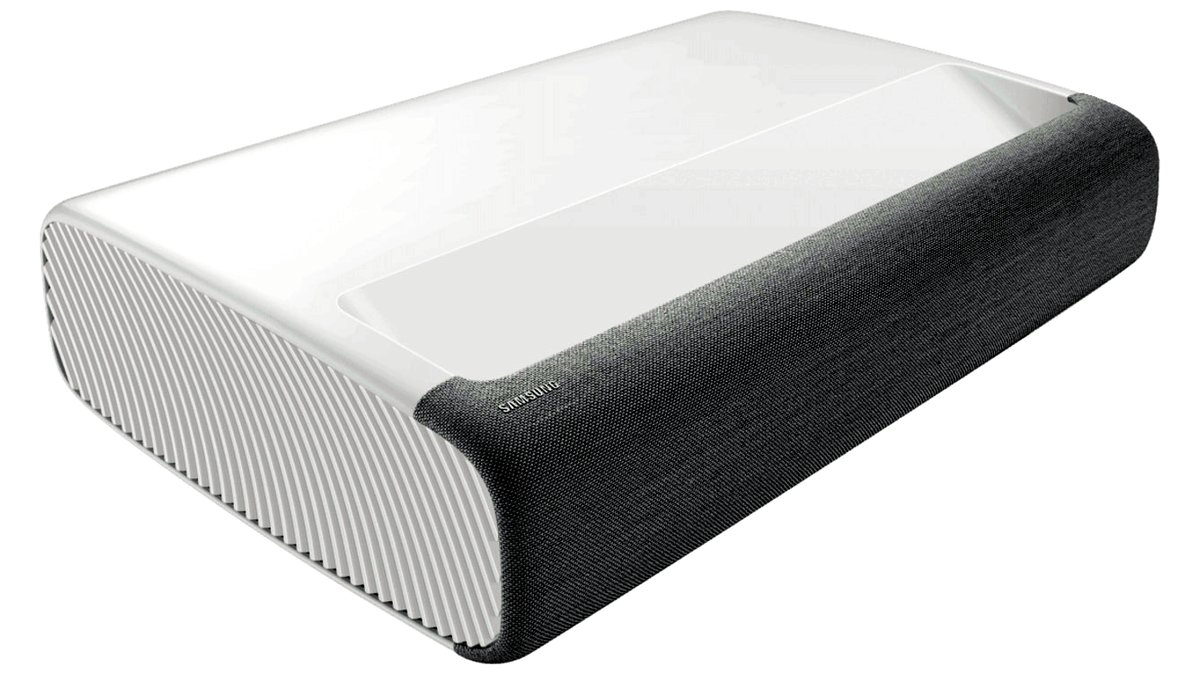
| Premium RGB tri-laser UST | Dedicated home theater rooms and serious movie/gaming setups | Dual or tri-laser RGB | Widest color gamut, highest brightness, best HDR handling | Higher cabinet footprint and heavier unit; pickier about level stands |
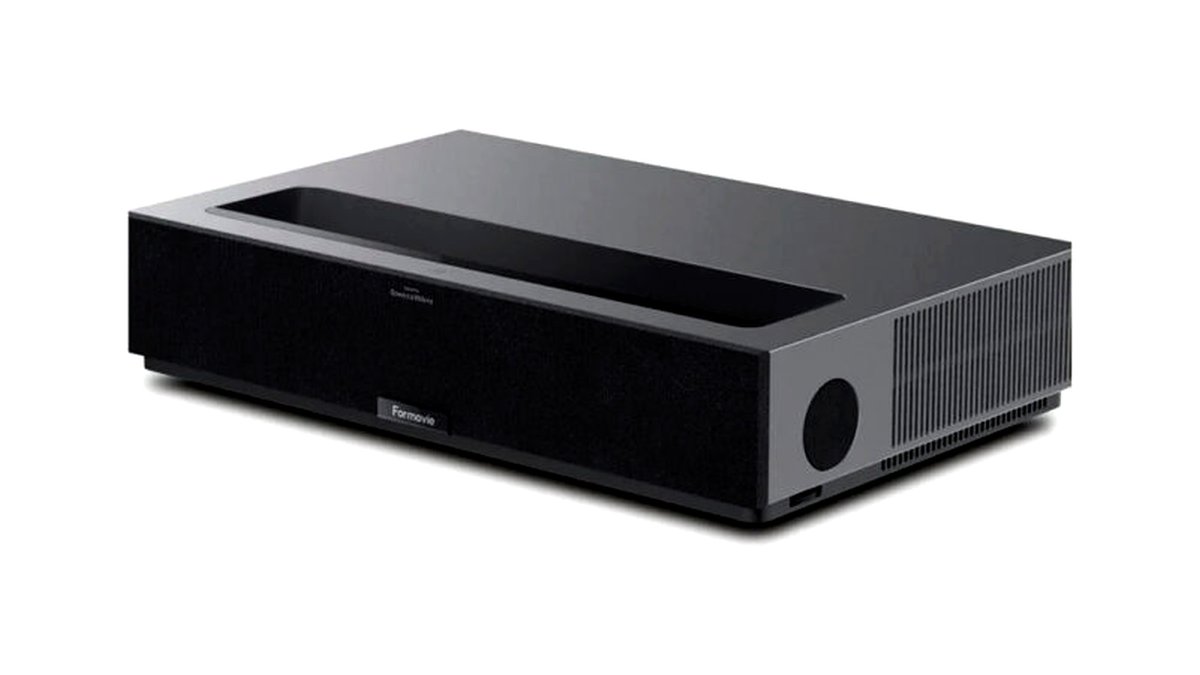
| Compact/portable-leaning UST | Smaller rooms or apartments with limited wall space | Single-laser | Smaller cabinet, easier to tuck under a shorter stand | Smaller maximum screen size range |
Pick this if…
| If you… | Choose |
|---|---|
| Watch mostly at night or can dim the room fully | Entry or mid-range UST laser with a matte or basic ALR screen |
| Watch sports and shows with lamps or daylight on | A higher-lumen mid-range or premium UST paired with an ALR screen made for UST angles |
| Want the most accurate color for movies and photography review | A premium tri-laser RGB UST model |
| Have a shallow cabinet or narrow console | A compact UST model with a shorter minimum throw distance |
| Game competitively on the big screen | A model whose maker states a dedicated low-latency or game mode |
Alternatives worth a look
A long-throw 4K laser projector ceiling-mounted at the back of the room can often undercut a UST model on brightness-per-tier and gives more flexible zoom range, at the cost of visible cabling and a drilled ceiling mount. A large-format flat-panel TV (85 inches and up) avoids ambient-light issues entirely and needs no special screen, though it costs more per inch of diagonal size at the largest sizes and cannot easily grow past what the panel supports. For renters or anyone who moves often, a portable short-throw or standard-throw LED projector gives up brightness and color volume but sidesteps a built-in cabinet setup altogether.
Frequently Asked Questions
Do I need a special screen for a UST laser projector, or will any wall work?
A clean, flat, light-colored wall can work for a first setup, especially in rooms that get dark easily. Most reviewers recommend an ALR screen built for the steep UST throw angle once the room has any daytime light or overhead fixtures, since it noticeably improves contrast and color pop compared to bare drywall.
How far from the wall does a UST projector need to sit?
This varies by model and target screen size, and each maker publishes a throw-distance chart in the manual or on the product page. As a general pattern, larger screen sizes need the cabinet a little farther from the wall, so it’s worth measuring the intended spot before buying rather than after.
Is laser light safe to have in a room with kids or pets?
Consumer UST projectors are enclosed systems where the laser module is sealed inside the housing and the light only exits through the lens as a projected image, not as a visible beam someone could look directly into at close range the way a laser pointer works. Manufacturers still include standard eye-safety guidance in the manual, and it is worth following it, particularly about not placing reflective objects directly in the light path.
Will a UST projector work well for daytime sports watching?
It depends more on the room’s ambient light and the screen than on the projector alone. A higher-brightness model paired with an ALR screen designed for UST angles handles daytime sports noticeably better than an entry-level unit on a plain wall, but even the brightest consumer UST units are still dimmer in direct daylight than a flat-panel TV.
How long do the laser light sources last compared to lamp projectors?
Makers commonly rate UST laser light engines in the tens of thousands of hours, which is well beyond the lamp life of older bulb-based projectors that often needed replacement every one to a few thousand hours. In practice that means most households won’t need to think about the light source wearing out during the years they own the unit, though brightness can gradually decline over very long-term use the way any laser or LED light source does.
Can I use a UST laser projector for video games?
Yes, and many current models market a dedicated low-latency or game mode for this reason. Competitive players should still check the maker’s stated input lag figures where published, since UST models vary more in this spec than flat-panel gaming monitors do.