Key takeaways
- Check lens mount compatibility carefully if building a two-body kit; many camera makers’ full-frame and APS-C bodies share the same lens mount, which lets both bodies use the same lenses, but this is not universal across every brand and lineup.
- Battery life claims from manufacturers are typically based on standardized testing that does not match real wedding-day shooting patterns; most professionals carry multiple spare batteries regardless of a body’s stated rating.
- Memory card speed class matters for burst shooting and video; confirm the card type and speed a given body requires to actually achieve its stated burst rate and buffer depth.
- Weather sealing varies by model even within the same maker’s full-frame lineup; outdoor ceremony photographers should check a specific body’s sealing rating rather than assuming all professional-tier bodies are equally sealed.
A working wedding photographer who needs dependable autofocus, dual card slots, and solid low-light performance should look at a full-frame mid-to-professional mirrorless body, a second-shooter or backup-camera buyer should prioritize a cheaper full-frame or strong APS-C body that shares lenses with the main system, and a guest or hobbyist photographing a friend’s wedding casually should focus on a capable enthusiast-level body rather than professional gear, since the demands of being the responsible primary photographer are very different from taking supplemental photos.
As an Amazon Associate, we earn from qualifying purchases made through links on this page.
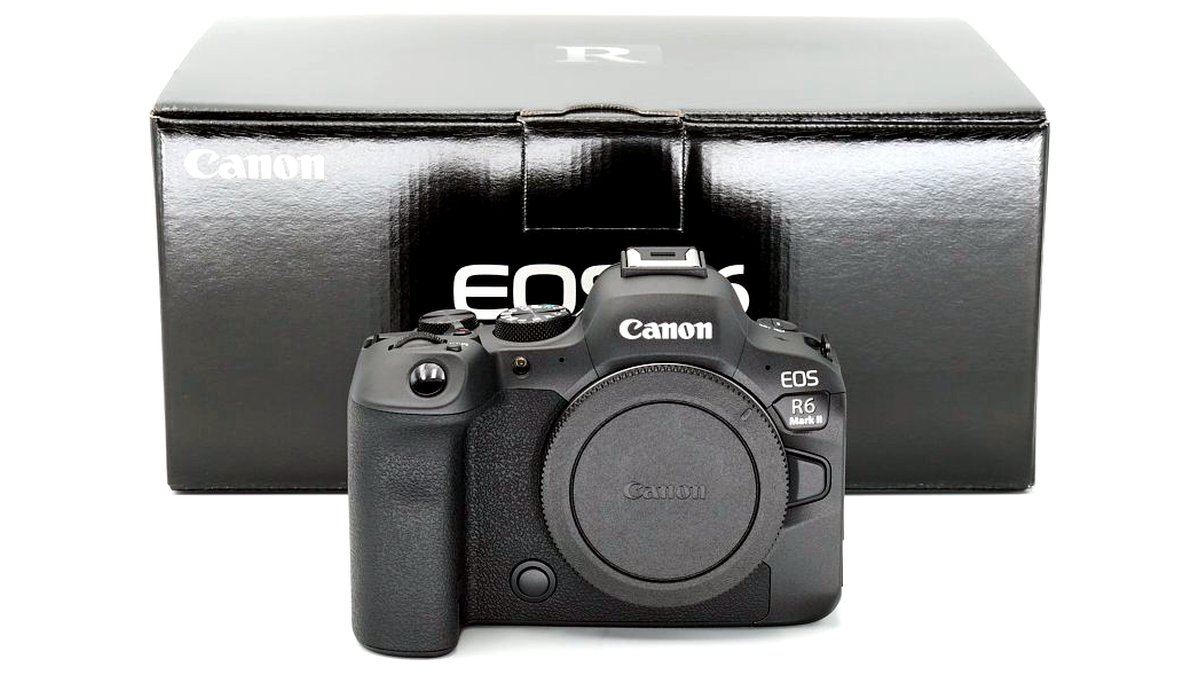
Wedding photography puts specific demands on a camera that differ from general portrait or event work: near-silent or fully silent shutter operation for ceremony moments, reliable autofocus tracking in a mix of bright outdoor light and dim reception venues, dual memory card slots for immediate backup of irreplaceable images, and battery life that can handle a full day without multiple charging breaks. These requirements are why most professional wedding photographers converge on full-frame mirrorless systems from a small number of major makers rather than experimenting broadly across brands.
Quick picks at a glance
| Camera class | Best for | Key stated specs | Limits |
|---|---|---|---|
| Professional full-frame mirrorless body | Primary photographer, full-day coverage, low light reception shooting | Dual card slots, extensive autofocus subject tracking, silent shutter mode, strong battery life | Highest cost tier; heavier body and lenses |
| Mid-range full-frame mirrorless body | Primary photographer on a tighter budget, or dedicated second shooter | Dual card slots on most models, strong autofocus, full-frame sensor | Slightly slower burst rates and buffer depth than flagship bodies |
| Strong APS-C mirrorless body | Second shooter, detail/candid shots, budget-conscious backup | Fast autofocus, often strong burst rates, smaller and lighter than full-frame | Weaker low-light performance than full-frame equivalents |
| Fast wide-aperture prime lens (35mm/50mm-class) | Ceremony and reception shots in low light | Wide maximum aperture for low-light and background blur | No zoom flexibility; requires lens changes or a second body |
| Telephoto zoom (70-200mm-class) | Ceremony shots from a respectful distance, candid reception coverage | Constant wide aperture across the zoom range on professional-grade versions | Larger and heavier than standard zooms |
What separates wedding-capable bodies from general-purpose cameras
Dual card slots are close to a non-negotiable feature for professional wedding work, since they allow simultaneous backup recording so that a single card failure does not mean lost, unrepeatable images from a ceremony. Silent or near-silent shutter modes matter specifically for ceremony moments like vow exchanges, where a loud mechanical shutter can be distracting or audible on nearby audio or video recordings. Autofocus subject tracking that reliably holds focus on a moving bride, groom, or officiant in changing light is another area where current-generation professional and mid-range mirrorless bodies have made large strides, with the maker’s documentation for most current full-frame systems describing eye and face tracking that follows a specific subject through a crowd, which reviewers covering wedding and event work frequently cite as a major workflow improvement over older autofocus systems.
Full-frame versus APS-C for wedding work
Full-frame sensors generally outperform APS-C in low light, which matters heavily for dim reception venues, evening ceremonies, and indoor lighting typical of many wedding venues. This is the main reason primary wedding photographers lean toward full-frame bodies despite the higher cost and weight. APS-C bodies remain a reasonable choice for a second shooter covering daylight ceremony details, getting-ready candids, or reception dancing under adequate lighting, where the low-light gap matters less and the smaller, lighter body is easier to carry alongside a full-frame primary kit.
Fit and compatibility notes
- Check lens mount compatibility carefully if building a two-body kit; many camera makers’ full-frame and APS-C bodies share the same lens mount, which lets both bodies use the same lenses, but this is not universal across every brand and lineup.
- Battery life claims from manufacturers are typically based on standardized testing that does not match real wedding-day shooting patterns; most professionals carry multiple spare batteries regardless of a body’s stated rating.
- Memory card speed class matters for burst shooting and video; confirm the card type and speed a given body requires to actually achieve its stated burst rate and buffer depth.
- Weather sealing varies by model even within the same maker’s full-frame lineup; outdoor ceremony photographers should check a specific body’s sealing rating rather than assuming all professional-tier bodies are equally sealed.
Pick this if…
| Situation | Recommended option |
|---|---|
| Primary photographer, full-time or frequent paid wedding work | Professional full-frame mirrorless body |
| Primary photographer on a tighter equipment budget | Mid-range full-frame mirrorless body |
| Second shooter or backup body | Strong APS-C mirrorless body sharing lenses with the main kit |
| Need best low-light ceremony and reception shots | Full-frame body paired with a fast wide-aperture prime lens |
| Need discreet ceremony coverage from a distance | Full-frame body paired with a professional-grade telephoto zoom |
Alternatives worth considering
Photographers building a kit gradually rather than all at once sometimes start with a single versatile full-frame body and a standard zoom lens, adding a fast prime and telephoto zoom as budget allows, which is a reasonable sequencing since the body and primary zoom cover the widest range of moments. Some wedding photographers also keep a compact camera or a second manufacturer’s mirrorless body purely as an emergency backup in case a primary body fails mid-event, prioritizing reliability over matching the main system’s lens mount for that specific use. For photographers who also shoot video coverage of the ceremony or reception, checking a body’s video autofocus and recording time limits separately from its still-photography specs is worth doing, since the two capabilities do not always scale together on the same model.
Reliability and backup planning
Because wedding moments cannot be reshot, reliability planning matters as much as the camera’s feature list. Dual card slots set to simultaneous backup recording, at least one fully charged spare battery per body carried at all times, and ideally a second camera body available as backup are standard practice among professional wedding photographers, regardless of which specific brand or model is chosen. Reviewers and working photographers consistently describe equipment failure during a wedding as a when-not-if risk over a long career, which is the practical reasoning behind carrying backup gear rather than relying on a single body’s reliability alone.
Frequently Asked Questions
Do I need a full-frame camera to shoot weddings professionally?
It is not strictly required, but full-frame sensors generally handle the low-light conditions common at wedding ceremonies and receptions better than APS-C sensors, which is why most full-time wedding photographers use full-frame as their primary body. APS-C remains a reasonable choice for second-shooter or daylight-focused coverage.
How important are dual card slots for wedding photography?
Very important for any photographer being paid or trusted as the primary coverage, since simultaneous backup recording protects against a single card failure losing irreplaceable images. Many professionals consider this close to a required feature rather than a nice-to-have.
What lenses should I prioritize alongside the camera body?
A fast wide-aperture prime in the 35mm to 50mm range for low-light ceremony and reception shots, and a professional-grade telephoto zoom for discreet ceremony coverage from a distance, are commonly cited as the two highest-priority lens purchases after the body itself. A standard zoom covering a versatile everyday range is also a practical starting lens for photographers building a kit gradually.
Should I bring a backup camera body to every wedding?
Most working wedding photographers treat a backup body as standard practice rather than optional, given that equipment failure cannot be fixed mid-ceremony and the moments cannot be reshot. The backup does not need to match the primary body exactly, though sharing a lens mount is convenient.
Is silent shutter mode necessary, or just a nice feature?
It is highly valued for ceremony moments specifically, where a loud mechanical shutter can be distracting during vows or readings. Outside the ceremony itself, a standard mechanical shutter is generally fine for most reception and candid shooting.
How many batteries and memory cards should I carry for a full wedding day?
This varies by shooting style and camera model, but carrying multiple fully charged spare batteries per body and more memory card capacity than seems strictly necessary is standard professional practice, since manufacturer battery life estimates rarely match the shooting pace and screen use typical of a full wedding day.