Key takeaways
- Pole count — single-pole (120V, typical lighting and outlet circuits) versus double-pole (240V, for ranges, dryers, sub panel feeds themselves, and large shop tools).
- Protection type — standard thermal-magnetic breakers, GFCI breakers (ground-fault protection for wet or outdoor locations), AFCI breakers (arc-fault protection required by code in many living spaces), and dual-function breakers that combine both.
- Physical width — full-size single breakers versus tandem (twin/duplex) breakers that fit two circuits into one slot’s physical space, useful when a panel is full but the panel is rated for tandems.
- Amperage rating — must match the wire gauge feeding the circuit, never upsized to “stop nuisance tripping.”
The right sub panel breaker is the one that matches your existing panel’s busbar and brand family exactly — a Square D QO-type breaker for a QO panel, a Homeline-type for a Homeline panel, an Eaton BR or CH breaker for the matching Eaton panel, and so on; breaker brand compatibility matters far more than any feature list, and mismatching brands is the single most common and most dangerous mistake homeowners make when adding circuits to a sub panel.
As an Amazon Associate, we earn from qualifying purchases made through links on this page.
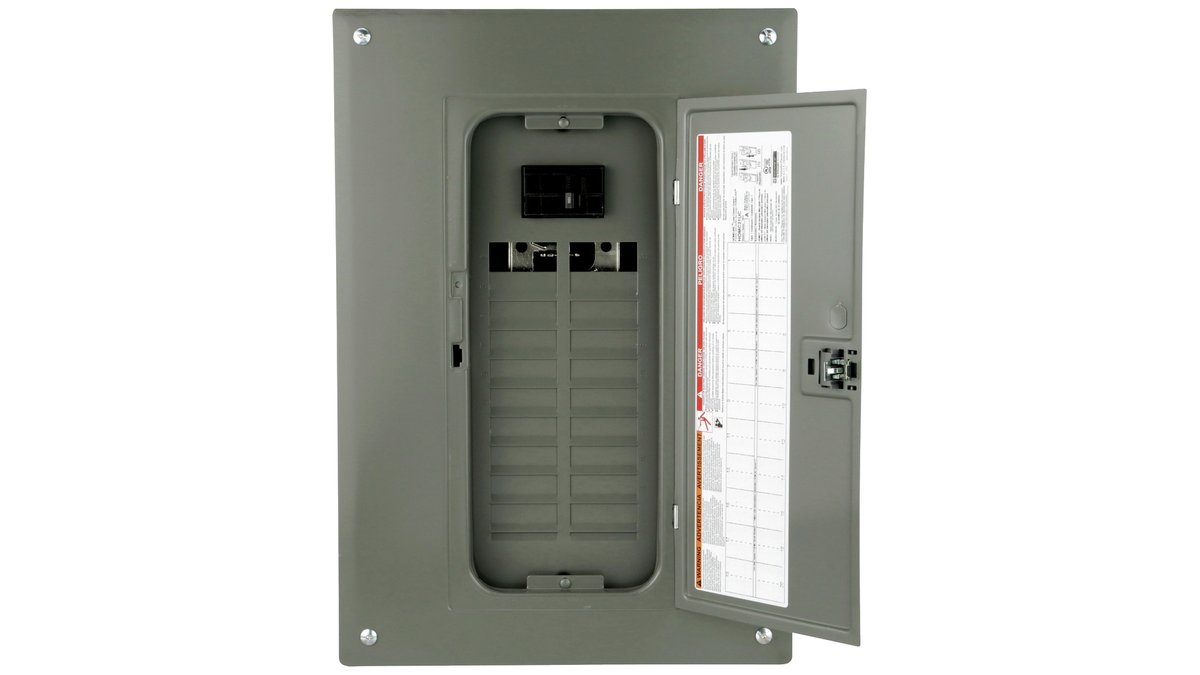
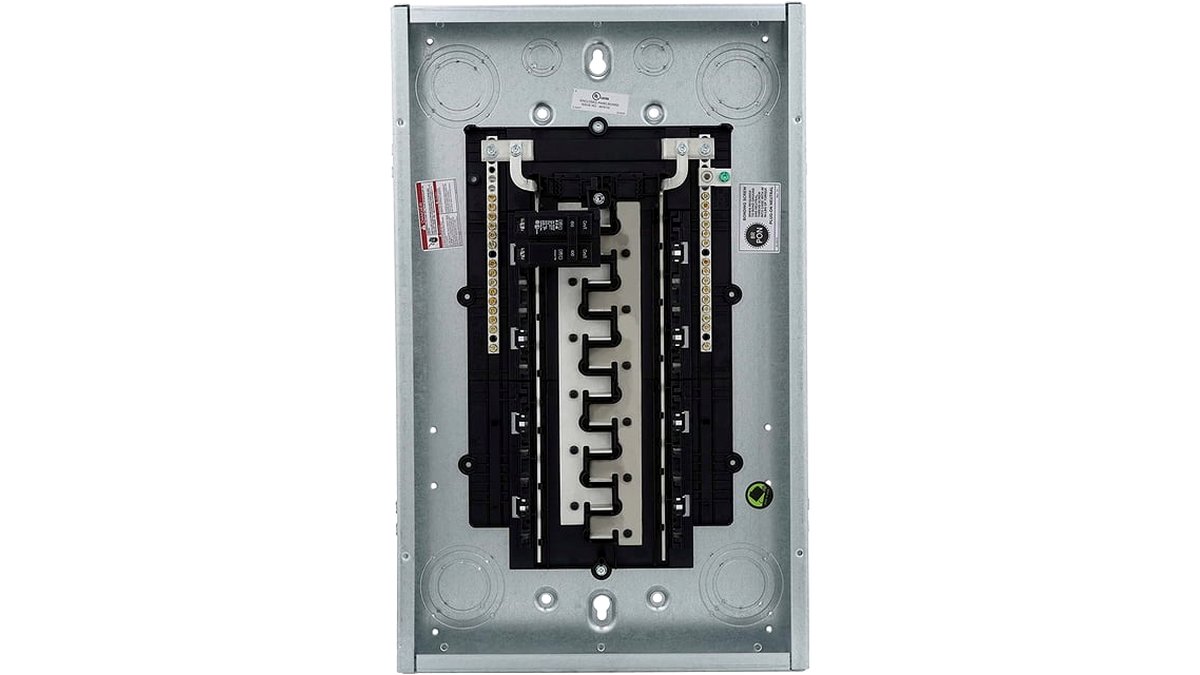
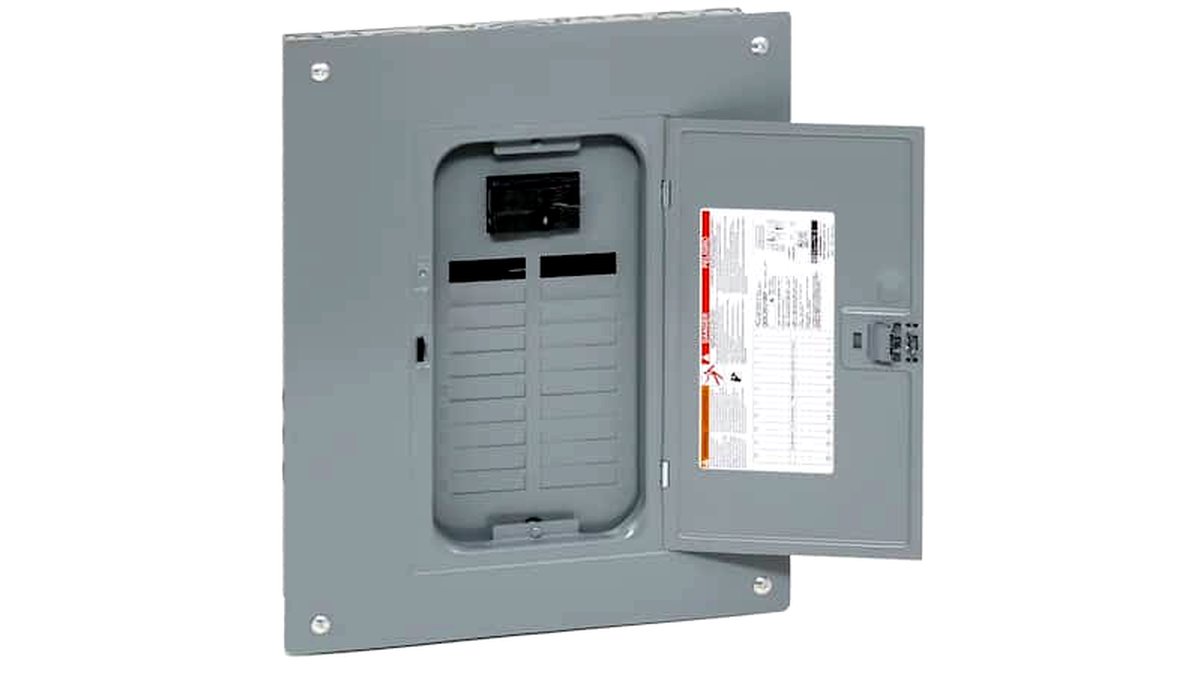
A sub panel is simply a smaller distribution panel fed from the main service panel, used to add capacity for a garage, workshop, finished basement, addition, or detached structure. The breakers that go into it are not interchangeable across manufacturers the way a lot of people assume. Panel makers design their bus stabs with brand-specific geometry, and a breaker that physically snaps into the wrong bus can fail to make a secure connection, overheat, or simply not trip correctly when it should. This guide focuses on what actually differs between breaker families, how to size and fit them correctly, and when to stop and call a licensed electrician.
What actually varies between breaker lines
Within a compatible family, the differences that matter for buyers are:
- Pole count — single-pole (120V, typical lighting and outlet circuits) versus double-pole (240V, for ranges, dryers, sub panel feeds themselves, and large shop tools).
- Protection type — standard thermal-magnetic breakers, GFCI breakers (ground-fault protection for wet or outdoor locations), AFCI breakers (arc-fault protection required by code in many living spaces), and dual-function breakers that combine both.
- Physical width — full-size single breakers versus tandem (twin/duplex) breakers that fit two circuits into one slot’s physical space, useful when a panel is full but the panel is rated for tandems.
- Amperage rating — must match the wire gauge feeding the circuit, never upsized to “stop nuisance tripping.”
Matching the breaker to your panel
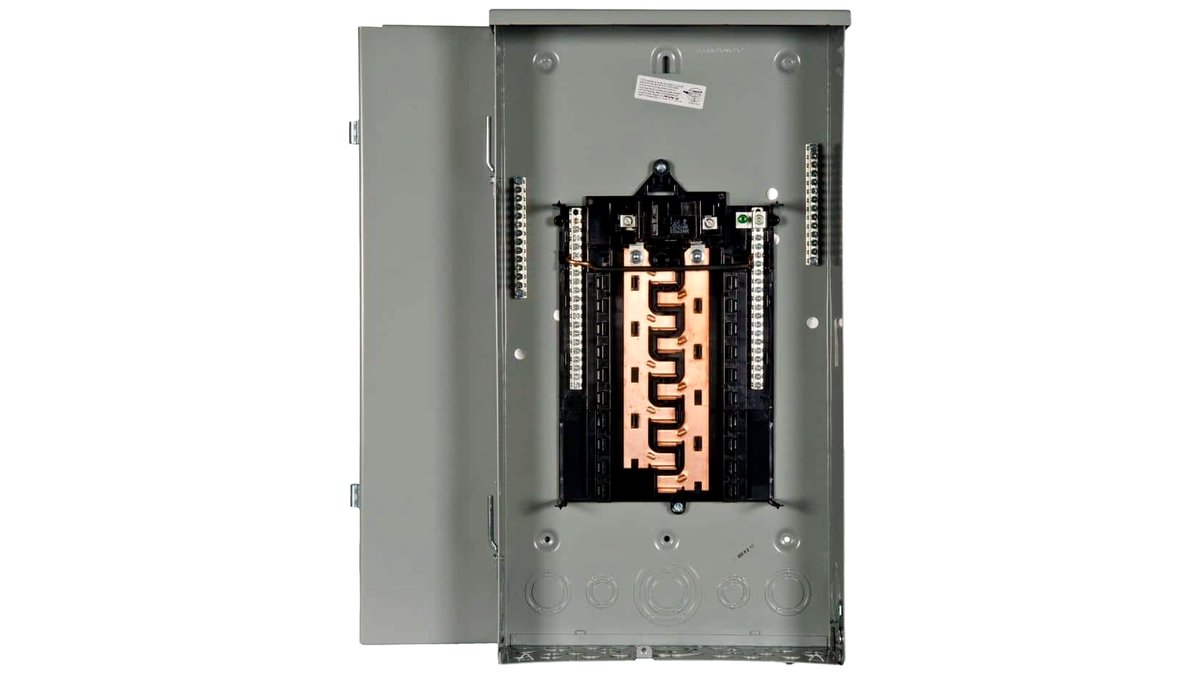
Before comparing anything else, identify the panel’s label (inside the door) for the exact breaker type it’s listed to accept. Panel manufacturers typically maintain one or two breaker families compatible with a given panel generation:
- Square D — QO-series (bolt-on style, broader three-way compatibility list) and Homeline-series (clip-in, lower cost, common in production housing).
- Eaton — BR-series (clip-in, common in retail big-box panels) and CH-series (bolt-on, used in many commercial and some residential panels).
- Siemens / Murray — share a compatible bus design across a wide breaker lineup, both clip-in style.
- GE / ABB legacy panels — GE’s own breaker line, now produced under the ABB brand after GE exited the breaker business; panels already installed with GE breakers generally still take ABB-branded replacements built to the same spec.
“Classified” breakers — third-party breakers UL-Listed specifically for use in another manufacturer’s panel — exist for some combinations and are a legitimate way to get GFCI or AFCI protection in an older panel whose original maker no longer sells that function. Classified breakers always carry their own listing sticker; if a breaker doesn’t show that classification for your panel, treat it as incompatible.
At a glance
| Breaker family | Best for | Key stated specs | Limits |
|---|---|---|---|
| Square D QO-type | Homes with a QO panel; buyers who want a wide range of available specialty breakers | Bolt-on connection; GFCI, AFCI, dual-function and surge-protective versions in the line, per the maker’s catalog | Costs more than Homeline-type in the same amperage |
| Square D Homeline-type | Homes with a Homeline panel; budget-focused additions | Clip-in connection; standard, GFCI, AFCI and tandem options listed by the maker | Fewer specialty variants than QO-type |
| Eaton BR-type | Common big-box-sourced panels | Clip-in; standard, GFCI, AFCI, dual-function versions per Eaton’s catalog | Not interchangeable with Eaton CH-type |
| Eaton CH-type | Panels originally built for CH breakers, including many commercial-style boards | Bolt-on; broader amperage range listed by the maker | Pricier than BR-type |
| Siemens / Murray-type | Panels from either brand, since the bus is shared | Clip-in; standard, GFCI, AFCI and tandem versions per the maker | Specialty versions (surge, smart) less common than Square D’s lineup |
| Classified/third-party breakers | Older panels needing GFCI or AFCI upgrades the original maker no longer supplies | UL-Listed for a specific named panel brand and series only | Must check the listing label for your exact panel; not a universal fix |
Fit and sizing notes
Amperage on a new breaker must match the wire gauge already run to that circuit, never the other way around — a 20A breaker needs 12-gauge copper conductor at minimum, a 15A breaker can use 14-gauge, and oversizing the breaker to compensate for an undersized wire is a fire-safety violation, not a fix. For a sub panel feed itself, the feeder breaker in the main panel and the wire gauge between the two panels both need sizing to the sub panel’s total expected load, which is a calculation best left to an electrician rather than guessed from a spec sheet. Tandem breakers only belong in slots the panel’s labeling explicitly marks as tandem-rated; forcing a tandem into a non-rated slot is unsafe and typically unlistable for inspection.
Pick this if…
| Situation | Pick |
|---|---|
| You have a Square D QO panel and want AFCI/GFCI dual-function protection | Square D QO-type dual-function breaker |
| You have a Homeline, BR-type, or Siemens/Murray panel on a tight budget | The matching clip-in standard breaker for that line |
| Your panel is full and the manual allows tandem breakers in specific slots | A listed tandem breaker for your panel brand, installed only in marked slots |
| You’re adding an outdoor, garage, or bathroom circuit | A GFCI breaker matched to your panel brand |
| You’re wiring a bedroom or living area circuit where code requires it | An AFCI or dual-function breaker matched to your panel brand |
| Your panel brand no longer makes a GFCI/AFCI version for your board | A classified third-party breaker specifically listed for your exact panel |
Alternatives worth knowing about
- Whole-panel surge protective devices (SPDs) — instead of a single surge breaker, a dedicated SPD module mounted in the panel protects every circuit at once and is what many electricians install for whole-home surge protection.
- Smart or monitoring breakers — some manufacturers now list breakers that report circuit-level usage or remote trip status to an app; useful for workshops or rental properties where remote visibility is valued, though they cost more and add a layer of electronics to maintain.
- A dedicated sub panel load center kit — rather than buying breakers piecemeal, some buyers are better served by a panel/breaker bundle sized for the exact circuit count needed, which keeps everything in one compatible family from the start.
Safety notes
Work inside any panel carries a risk of severe shock or burns even with the main breaker off, because the main lugs stay energized unless the utility meter is pulled or the service is otherwise de-energized. Most jurisdictions require a permit and inspection for a new sub panel and for adding circuits that didn’t exist before, and many require the work be done or signed off by a licensed electrician regardless of skill level. Follow the panel manufacturer’s installation manual for torque specs, breaker seating, and any brand-specific warnings, and when in doubt about code requirements, local permitting rules, or whether a circuit is sized correctly, consult a licensed electrician rather than relying on general guidance.
Frequently Asked Questions
Can I use any brand of breaker in any panel?
No. Breakers must be listed as compatible with the specific panel’s bus design, and manufacturers do not design their breakers to be interchangeable across brands. The exception is a “classified” breaker that carries its own UL listing specifically naming the other manufacturer’s panel.
What’s the difference between GFCI and AFCI breakers?
GFCI breakers protect against ground faults, the kind of leakage that causes shock, and are typically required for outdoor, garage, bathroom, and other wet-adjacent circuits. AFCI breakers detect arc faults, a common cause of electrical fires, and are typically required in bedrooms and other living spaces under current code. Dual-function breakers combine both protections in one device.
Can I put two circuits in one breaker slot to save space?
Only with a tandem breaker that the panel manufacturer specifically lists as rated for that slot, usually marked on the panel’s interior label. Forcing a tandem breaker into an unrated slot is not a safe workaround and will typically fail inspection.
Do I need a permit to add a sub panel?
Most jurisdictions require a permit and inspection for a new sub panel, and often for adding new circuits to an existing one. Requirements vary by location, so check with the local building department before starting work.
Is it safe to upsize a breaker if it keeps tripping?
No. A breaker trips to protect the wire gauge behind it; if it trips repeatedly, the cause is an overloaded circuit, a wiring fault, or a failing device on that circuit, not an undersized breaker. Upsizing the breaker without upsizing the wire removes the protection the wire needs and is a fire-safety risk.
Should I install a sub panel myself?
Many jurisdictions allow homeowners to do their own electrical work on their own residence, but a sub panel install involves sizing the feeder, selecting the right breaker in the main panel, and often a permit and inspection. If there’s any uncertainty about sizing, local code, or safe de-energizing procedure, hire a licensed electrician.