Key takeaways
- Kitchens with frequent smoke/steam: a heat detector avoids the nuisance tripping that photoelectric or ionization smoke alarms suffer from near stoves and toasters.
- Garages and workshops: exhaust fumes, sawdust and welding smoke make smoke alarms unreliable; heat detection is less sensitive to airborne particulate.
- Attics and lofts: dust buildup and temperature swings make these spaces poor candidates for smoke sensing but fine for heat sensing, particularly near wiring runs or storage of flammable materials.
- Boiler rooms and utility spaces: similar dust and combustion byproduct concerns apply.
Choose a hard-wired heat detector for kitchens, garages, attics and lofts where smoke alarms false-alarm on steam or dust, and reserve interconnected multi-sensor units for rooms near escape routes. Heat detectors sense a rise in temperature rather than smoke particles, so they are the right tool for spaces that regularly fill with cooking fumes, exhaust, or airborne dust but still need fire protection.
As an Amazon Associate, we earn from qualifying purchases made through links on this page.
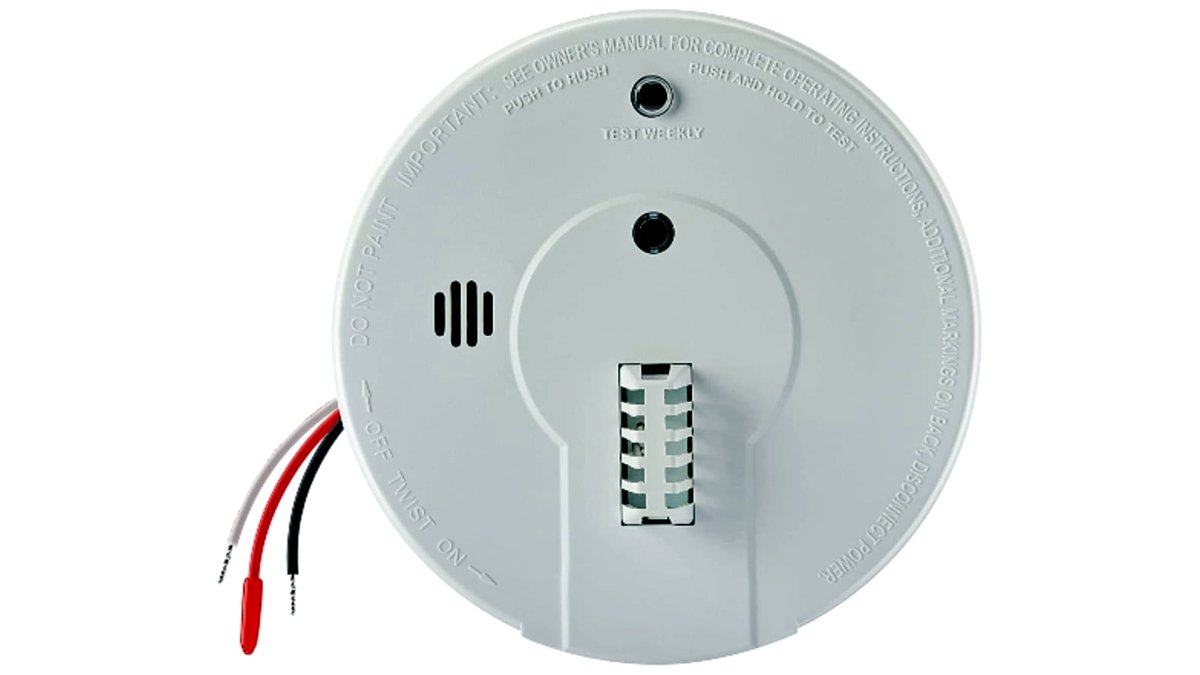
A heat detector is not a substitute for a smoke alarm anywhere code requires one. It is a complement, placed in locations where smoke alarms are impractical. Always check local fire code and the manufacturer’s manual before choosing placement, and have a qualified electrician handle any mains wiring.
How Hard-Wired Heat Detectors Work
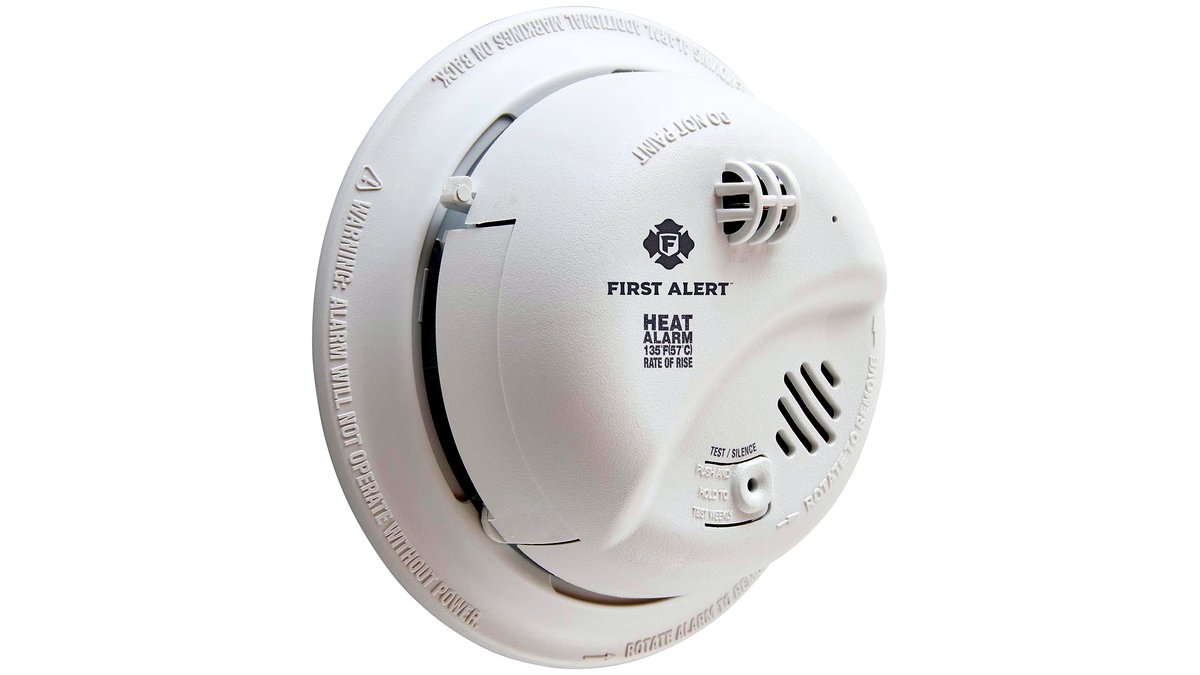
Most residential heat detectors use a fixed-temperature sensing element that trips an alarm once the surrounding air reaches a set threshold, commonly in the 57-58°C (135°F) range for standard-rated units. Some models add a rate-of-rise sensor, which triggers earlier if the temperature climbs quickly even before the fixed threshold is reached. Hard-wired units draw power from household mains wiring and typically include a battery backup so they keep working through a power cut. Interconnection means that when one unit in the circuit trips, every linked detector and alarm in the home sounds, which matters most in larger houses where a fire may start far from where people sleep.
Who Needs One
- Kitchens with frequent smoke/steam: a heat detector avoids the nuisance tripping that photoelectric or ionization smoke alarms suffer from near stoves and toasters.
- Garages and workshops: exhaust fumes, sawdust and welding smoke make smoke alarms unreliable; heat detection is less sensitive to airborne particulate.
- Attics and lofts: dust buildup and temperature swings make these spaces poor candidates for smoke sensing but fine for heat sensing, particularly near wiring runs or storage of flammable materials.
- Boiler rooms and utility spaces: similar dust and combustion byproduct concerns apply.
Key Features to Compare
Fixed vs. combined fixed/rate-of-rise sensing
Fixed-temperature-only detectors are simpler and cheaper, and they suit rooms with stable ambient temperatures. Combined units add rate-of-rise detection, which reacts faster to a rapidly developing fire and is generally preferred by reviewers for garages and workshops where a fire can spread quickly among stored materials.
Interconnection method
Hard-wired interconnection uses a dedicated interconnect wire between units on the same circuit, so when any one alarm trips, all connected units sound. Some newer ranges also support wireless interconnection as a supplement to the physical wiring, useful when extending coverage to a detached garage or outbuilding without pulling new cable.
Backup power
Nearly all hard-wired detectors intended for residential use carry a backup battery, either replaceable or sealed for the life of the unit (commonly marketed as a 10-year sealed cell). Sealed-battery units reduce maintenance but mean the whole unit is replaced at end of life rather than just the battery.
Certification
Look for a recognized safety listing appropriate to your region (for example, a UL or EN certification mark) and confirm the maker states compliance with local building and fire code for the room type you plan to install in. Follow the manufacturer’s manual for spacing and ceiling-mount height.
At a Glance
| Detector Type | Best For | Key Stated Specs | Limits |
|---|---|---|---|
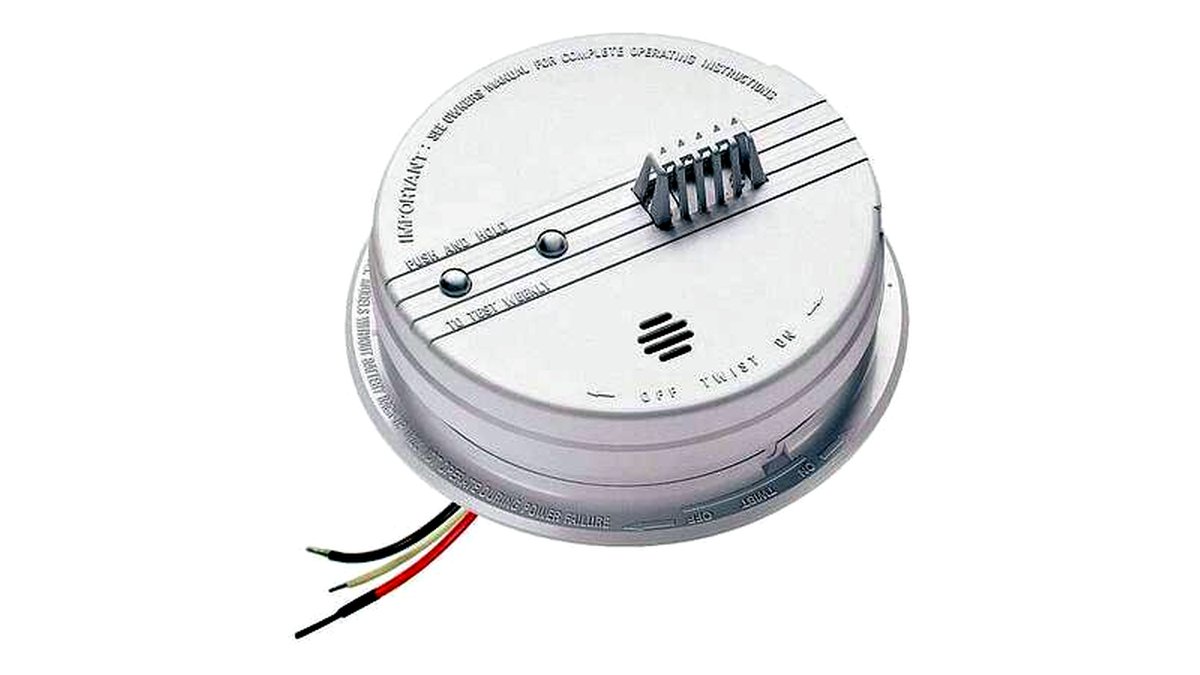
| Fixed-temperature, hard-wired, interconnect | Kitchens, boiler rooms | Fixed threshold around 57-58°C; sealed or replaceable backup battery; hard-wire interconnect | Slower to trip than rate-of-rise models in fast-developing fires |
| Combined fixed + rate-of-rise, hard-wired | Garages, workshops, attics | Dual sensing method; interconnect wiring; some add wireless interconnect option | Costs more than fixed-only units; still not a smoke alarm substitute |
| Multi-sensor hard-wired alarm (heat + smoke modes) | Mixed-use utility rooms | Switchable or combined sensing; mains powered with battery backup | More complex setup; check which detection mode is active in each space |
Fit, Wiring and Compatibility Notes
Confirm the detector matches your home’s existing interconnect wiring standard before buying, since hard-wired smoke and heat detectors from different product generations are not always cross-compatible on the same interconnect loop. Ceiling height and mounting position affect response time: the maker’s manual usually specifies a maximum ceiling height and minimum distance from walls, light fittings and HVAC vents. In rooms with high ceilings or sloped ceilings, ask an electrician whether additional units or different placement is needed. Mains wiring work should be done by a licensed electrician and should pass any required inspection.
Pick X If…
| If you… | Choose… |
|---|---|
| Have a kitchen with constant cooking smoke/steam | A fixed-temperature hard-wired heat detector interconnected with your existing smoke alarm circuit |
| Are protecting a garage or workshop with flammable materials | A combined fixed/rate-of-rise hard-wired detector for faster response |
| Need to extend coverage to a detached structure without new cable runs | A hard-wired unit that also supports wireless interconnection |
| Want one device to cover a utility room that sometimes has dust and sometimes needs smoke sensing | A multi-sensor alarm with a selectable or combined heat/smoke mode, installed per the manual |
Alternatives to Consider
- Battery-only heat detectors: easier to retrofit without wiring work, useful for sheds or outbuildings without mains access, but lack the whole-home interconnection that hard-wired systems provide.
- Combination smoke/heat/CO alarms: useful in utility rooms near fuel-burning appliances, where carbon monoxide risk is also a concern; check the maker’s placement guidance for CO sensing separately from heat sensing.
- Wireless mesh heat sensors tied into a smart home hub: convenient for monitoring and app alerts, but confirm the hub and sensor both carry an appropriate safety certification rather than treating connectivity features as a substitute for one.
Installation and Maintenance Notes
Have mains wiring connected by a qualified electrician and have the finished installation checked against local code. After installation, test each unit using its test button on the schedule stated in the manual, typically monthly, and replace backup batteries on the maker’s recommended interval if the unit does not use a sealed 10-year cell. Clean dust from vents on the detector housing periodically in workshop or garage settings, since heavy dust buildup can slow response even on heat-only sensors. Replace the entire unit at the end of its stated service life, generally printed on the back of the housing or in the manual, rather than assuming cleaning alone restores full sensitivity.
Frequently Asked Questions
Can a heat detector replace a smoke alarm in a bedroom or hallway?
No. Heat detectors are intended for spaces like kitchens, garages and attics where smoke alarms nuisance-trip, and most fire codes still require smoke alarms in sleeping areas and escape routes. Check local code requirements and the manufacturer’s manual before substituting one detection type for another.
How many heat detectors does a garage or attic need?
Coverage depends on room size, ceiling height and layout; the manufacturer’s manual states the maximum coverage area and spacing per unit. For irregularly shaped spaces or rooms with partitions, consult an electrician or fire-safety professional for a placement plan rather than guessing.
Do hard-wired heat detectors still work during a power outage?
Most hard-wired residential models include a backup battery specifically so they continue operating if mains power is lost. Confirm the backup battery type (replaceable or sealed) and its stated runtime in the product documentation.
What temperature triggers a typical heat detector?
Many fixed-temperature residential heat detectors are rated to trip around 57-58°C (135°F), though this varies by model and class; always refer to the specific maker’s stated threshold rather than assuming a universal figure.
Can I mix heat detectors from one brand with smoke alarms from another on the same interconnect circuit?
Not reliably. Interconnect signaling protocols differ between manufacturers and sometimes between product generations from the same manufacturer. Confirm compatibility with the manufacturer or an electrician before combining brands on one interconnect loop.
Who should I call if a hard-wired heat detector keeps false-alarming?
First check the manual for common causes such as dust buildup, incorrect placement near heat sources, or an aging sensor nearing end of life. If the issue persists after basic troubleshooting, contact a licensed electrician or the manufacturer’s support line rather than disabling the unit.