Key takeaways
- Ski goggles: better for very cold, windy or low-visibility conditions, and for skiers who overheat less; less breathable than sunglasses for sustained aerobic cross country effort.
- Clear or yellow low-light lenses: useful for overcast days, dawn or dusk sessions, or dense forest trails where contrast matters more than glare reduction.
- Polarized sport sunglasses: reduce glare off flat, open snowfields effectively, though some skiers find polarization affects depth perception on icy or uneven terrain; try before committing if terrain reading matters to your skiing style.
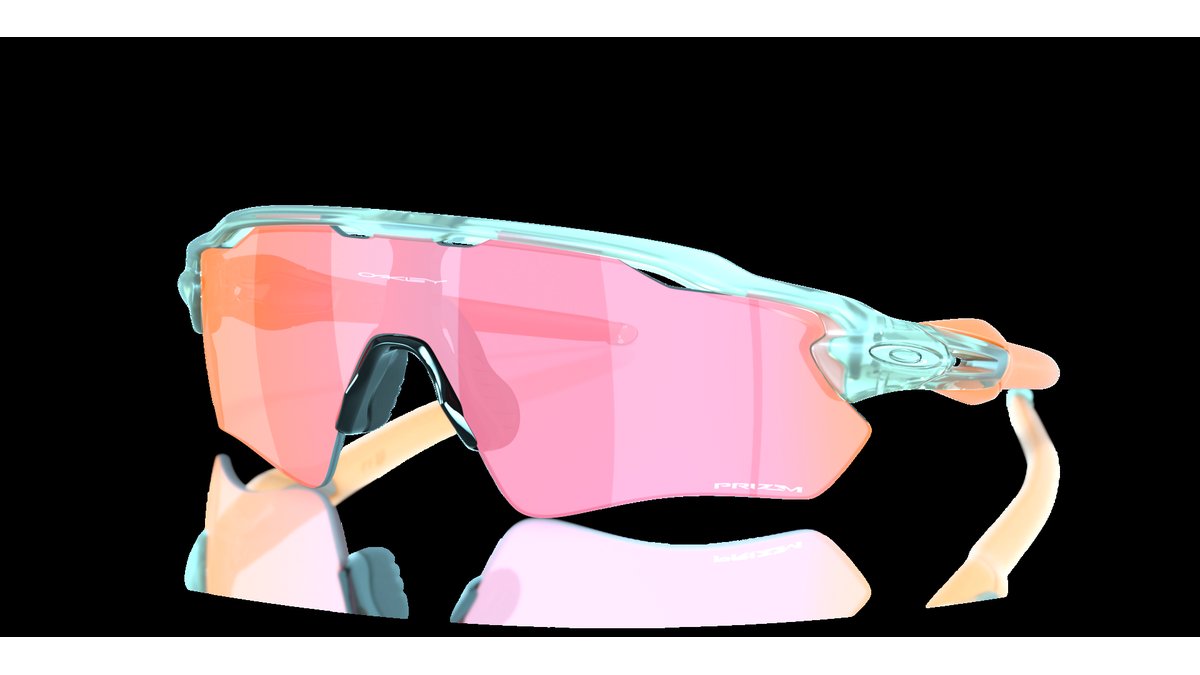
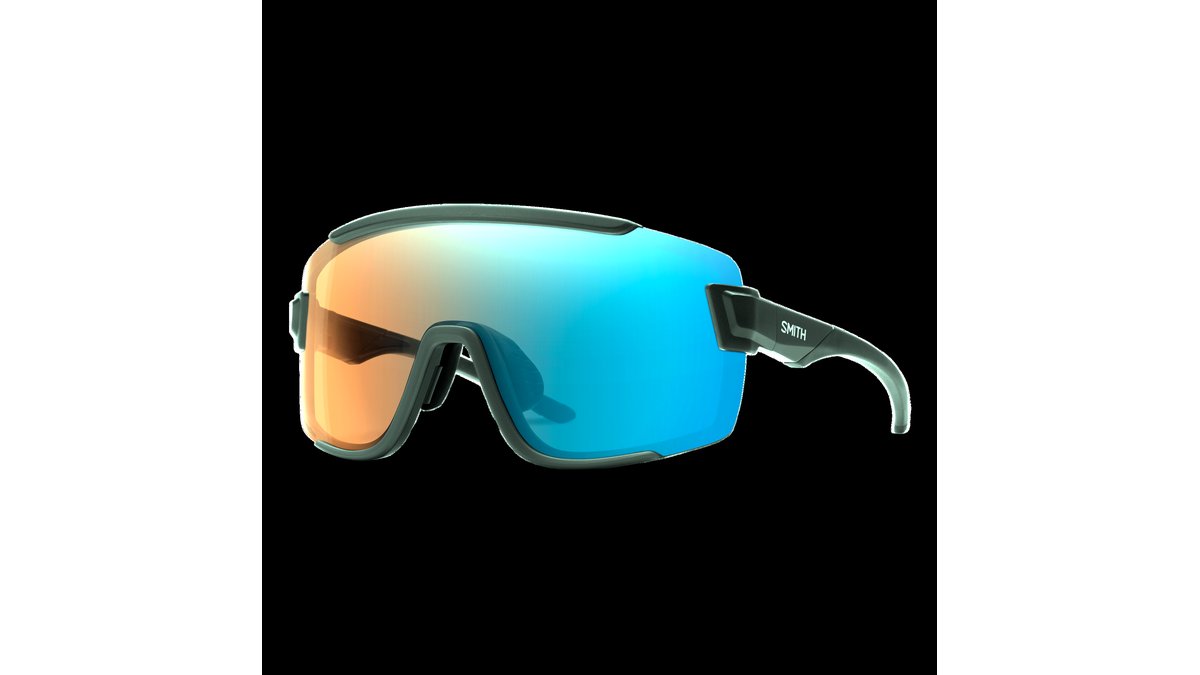
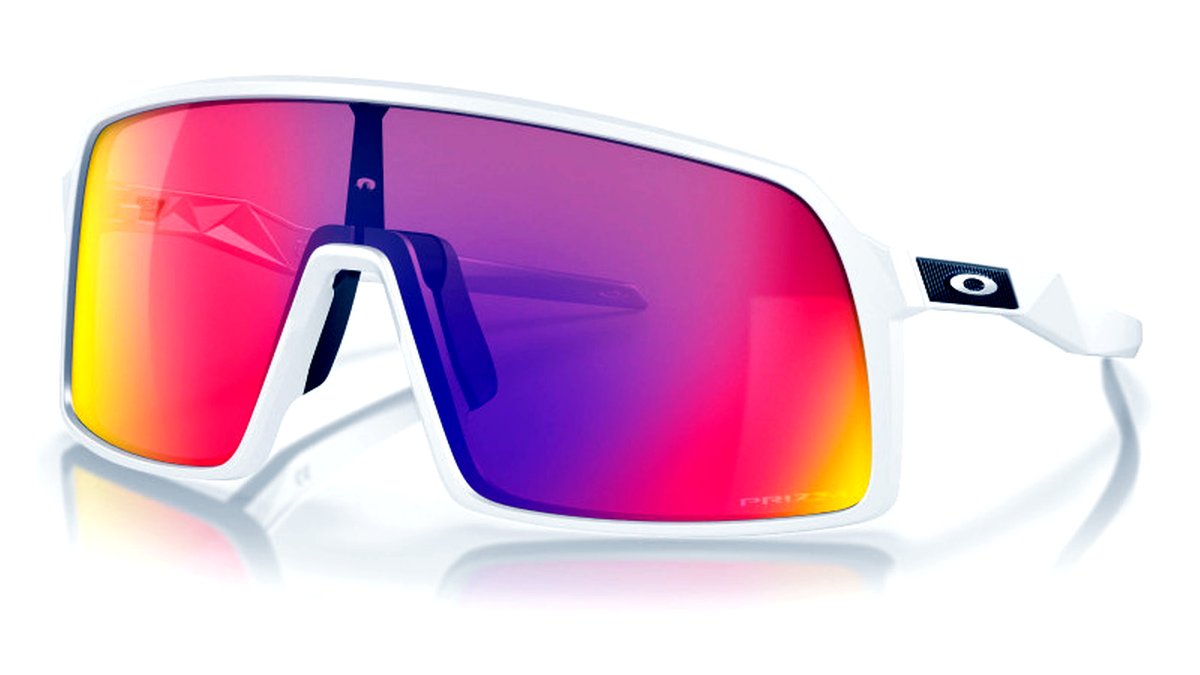
Pick wraparound sport sunglasses with a photochromic or rose/brown-tinted lens for variable-light cross country skiing, and switch to a mirrored or category-3 dark lens only for consistently bright, sunny trail days above the treeline. Cross country skiing’s steady aerobic effort and changing light (shade, open fields, overcast stretches) make lens versatility more important than for alpine skiing, where goggles and consistent high-glare conditions dominate.
As an Amazon Associate, we earn from qualifying purchases made through links on this page.
Why Sunglasses Instead of Goggles for Cross Country
Cross country skiers generate more body heat and sweat than alpine skiers because of the sustained aerobic motion, which makes goggles prone to fogging and overheating on the face. Sport sunglasses offer better ventilation and breathability while still blocking glare and wind-driven debris, which is why most cross country skiers and biathletes favor glasses over goggles except in the coldest, windiest conditions.
Key Features to Compare
Lens tint and light transmission
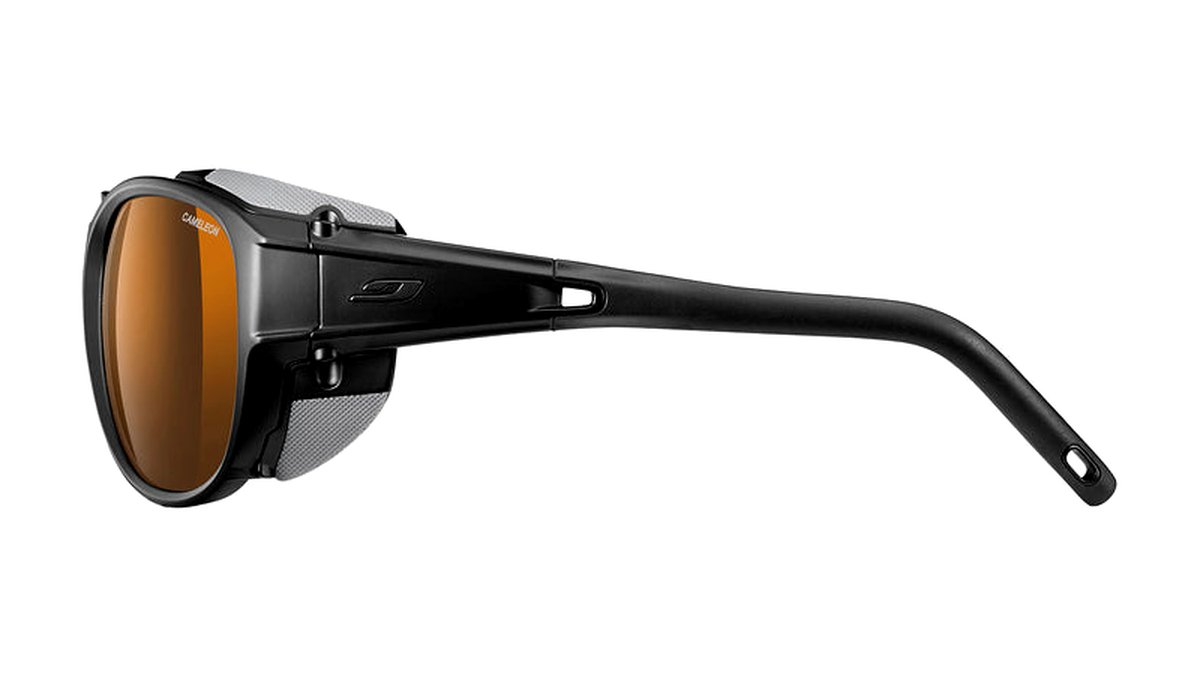
Lens category ratings run from 0 (clear, minimal tint) to 4 (very dark, reserved for glacier or high-altitude glare); most cross country skiing conditions call for category 2 or 3 lenses. Photochromic lenses automatically darken or lighten based on ambient brightness, which suits trail sections that move between open sun and tree-shaded stretches without needing a lens swap.
Frame coverage and ventilation
A wraparound frame shape blocks peripheral wind and glare better than a flatter sport frame, which matters at the speeds and wind-chill cross country skiing generates. Look for stated venting, either through frame gaps or small lens perforations, to reduce fogging during high-exertion efforts; fully sealed goggle-style frames are more prone to fogging in this sport than vented sunglasses.
Fit and retention
A secure, non-slip nose bridge and temple grip matter more here than in casual sunglasses, since sweat and motion can loosen a poor-fitting frame mid-stride. Many sport models add an adjustable or interchangeable nose piece and temple tips rated for grip when wet. A retention strap is worth adding for backcountry or ungroomed-trail skiing where a dropped pair of glasses is harder to recover.
Interchangeable lenses
Some sport sunglasses ship with or offer additional lenses sold separately, letting one frame cover both bright-sun and low-light/overcast conditions without buying a second pair. This is useful for skiers who ski regularly across a season with variable weather rather than only on consistently sunny days.
UV protection
Confirm the lens is stated to block 100% of UVA and UVB rays regardless of tint darkness, since UV protection is independent of how dark a lens looks. Snow glare significantly increases UV exposure to the eyes compared to flat ground, making this a non-negotiable spec rather than a nice-to-have.
At a Glance
| Lens/Frame Type | Best For | Key Stated Specs | Limits |
|---|---|---|---|
| Photochromic wraparound | Variable light, mixed sun/shade trails | Auto-adjusting tint; wraparound coverage; 100% UV protection stated | Costs more than fixed-tint models; adjustment speed varies by model |
| Category 2-3 fixed-tint wraparound | Consistently sunny, open trail skiing | Fixed medium-to-dark tint; wraparound coverage; vented frame | Too dark for shaded or overcast stretches |
| Interchangeable-lens sport frame | Skiers facing variable weather across a season | Multiple lens tints for one frame; swap system varies by brand | Extra lenses may be sold separately; swapping mid-ski is impractical |
Fit and Compatibility Notes
If you wear prescription glasses, check whether the frame accepts a prescription insert/clip system or offers a direct prescription-lens option from the manufacturer, since not all sport sunglasses support this. For skiers who also wear a buff, balaclava or helmet with ear coverage, check that the temple arms sit comfortably over or alongside that gear without pinching, since fit problems compound when layering winter headwear with sunglasses.
Pick X If…
| If you… | Choose… |
|---|---|
| Ski varied light conditions across a season | A photochromic wraparound lens |
| Mostly ski open, sunny trails above the treeline | A fixed category 2-3 dark wraparound lens |
| Want one frame to cover all conditions without buying two pairs | An interchangeable-lens sport frame |
| Need corrective lenses | A frame with a prescription insert system or direct prescription-lens option |
Alternatives to Consider
- Ski goggles: better for very cold, windy or low-visibility conditions, and for skiers who overheat less; less breathable than sunglasses for sustained aerobic cross country effort.
- Clear or yellow low-light lenses: useful for overcast days, dawn or dusk sessions, or dense forest trails where contrast matters more than glare reduction.
- Polarized sport sunglasses: reduce glare off flat, open snowfields effectively, though some skiers find polarization affects depth perception on icy or uneven terrain; try before committing if terrain reading matters to your skiing style.
Lens Color and Terrain Considerations
Lens color affects contrast perception as much as overall darkness. Rose, brown and copper tints tend to boost contrast on snow in flat or variable light, which helps a skier pick out subtle terrain changes like icy patches or soft drifts. Gray and green-gray tints preserve the most natural color perception and suit consistently bright days where contrast enhancement matters less than simple glare reduction. Mirrored coatings add an extra glare-cutting layer on top of the base tint and work well for high-altitude or above-treeline sections, but they can make a lens feel darker than its stated category number, something worth checking before committing to a mirrored finish for mixed-light touring.
Caring for Sport Sunglasses in Winter Conditions
Rinse or wipe lenses with the cloth or cleaning method the manufacturer recommends rather than a glove or jacket sleeve, since grit from snow and trail dust can scratch coatings over a season of use. Store glasses in a hard or semi-rigid case between outings to protect against crushing in a pack, and let photochromic lenses acclimate briefly when moving between a warm car or lodge and freezing outdoor air, since manufacturers note that rapid temperature swings can temporarily affect tint-adjustment speed. If a frame’s nose pads or temple grips lose their tackiness over time, check whether the manufacturer sells replacement parts before assuming the whole frame needs replacing.
Frequently Asked Questions
Do I need polarized lenses for cross country skiing?
Polarized lenses cut glare well on open, flat snow but some skiers report reduced ability to read subtle terrain changes like icy patches, since polarization can flatten contrast cues. Decide based on the terrain you typically ski and consider trying a pair before buying if terrain reading is important to you.
Why do my sunglasses fog up while cross country skiing?
Fogging usually comes from insufficient ventilation combined with the high body heat and sweat cross country skiing generates. Choosing a frame with stated venting or lens perforations and keeping the lens clean of residue generally reduces fogging more than switching tint color.
What lens category is best for a sunny day on open trails?
Category 2 or 3 lenses suit most sunny cross country conditions; category 4 is generally reserved for glacier travel or extreme high-altitude glare and can be too dark for typical trail skiing, reducing visibility in shaded sections.
Can I wear regular sunglasses instead of sport-specific ones for cross country skiing?
Regular sunglasses often lack the wraparound coverage, ventilation and secure fit that sport-specific frames provide, which matters more at skiing speeds and in wind-chill conditions. A dedicated sport frame generally performs better for stability and fog resistance during sustained aerobic activity.
How do photochromic lenses work, and are they reliable in freezing temperatures?
Photochromic lenses contain compounds that react to UV light intensity, darkening in bright conditions and lightening in low light. Reviewers note that transition speed can vary by brand and that very cold temperatures sometimes slow the adjustment slightly, so check maker-stated performance in cold weather if this matters for your climate.
Do I need a retention strap for cross country ski sunglasses?
A strap isn’t essential for groomed-trail skiing but is worth adding for backcountry, ungroomed, or high-speed descent sections where a dropped pair of glasses is harder to retrieve from snow. It’s a low-cost addition that prevents losing or damaging the glasses mid-session.