Key takeaways
- Wet-rated vs. damp-rated — wet-rated fixtures are sealed against direct water exposure (rain, snow, sprinklers) and are the right choice for an open porch ceiling or soffit edge; damp-rated fixtures tolerate humidity and occasional moisture but not direct water contact, so they belong under full roof coverage only.
- IC rating — “insulation contact” rated housings can safely sit in direct contact with insulation in the ceiling cavity above, which matters for porches with an insulated roof above the soffit.
- Trim and housing material — outdoor-rated trims are typically a sealed, corrosion-resistant finish (often a composite, stainless, or powder-coated metal) rather than the plain painted trims common on cheaper indoor cans.
- Color temperature — porch lighting is commonly chosen in the 2700-3000K warm white range for a welcoming entry look, though cooler 4000K+ options exist for a brighter, more security-oriented look.
- Dimmability and smart compatibility — many current LED recessed lights list dimmer compatibility and some include smart/app control, which is worth checking against the existing switch if dimming matters.
A wet-rated LED recessed light built for sealed, damp-to-wet outdoor locations suits an open or partially covered front porch, while a damp-rated unit is only appropriate under a fully covered, well-protected soffit where direct rain, sprinklers, and snow never reach the fixture.
As an Amazon Associate, we earn from qualifying purchases made through links on this page.
What Makes a Recessed Light Suitable for a Porch
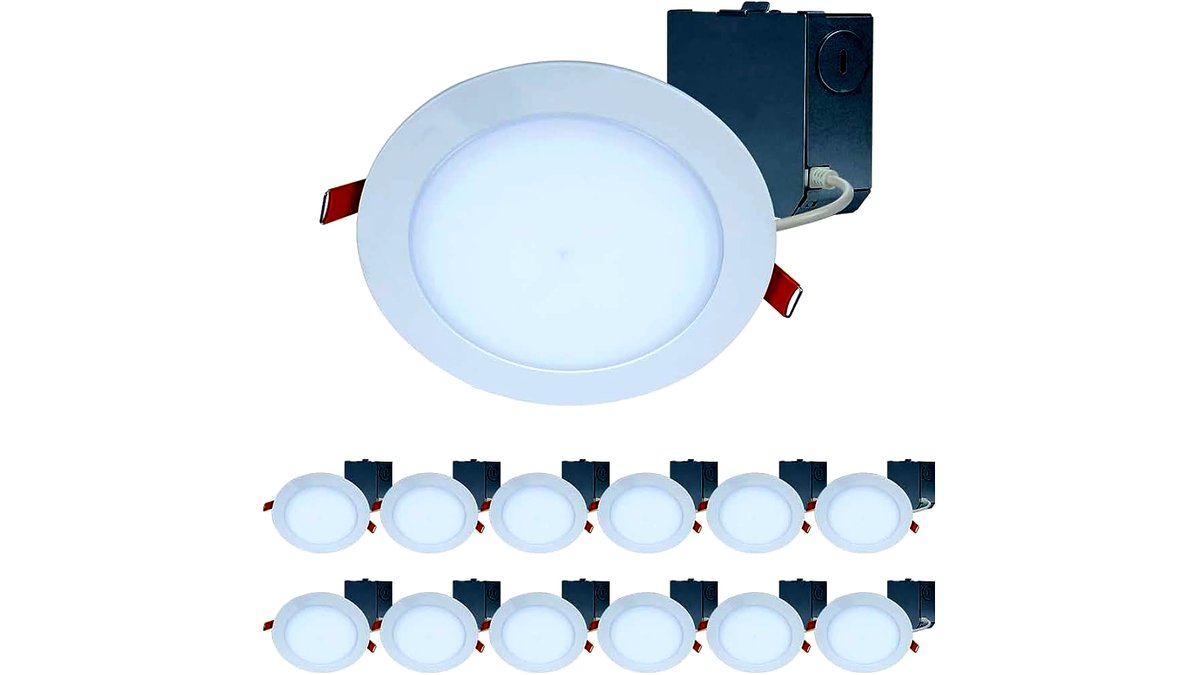
Recessed lighting rated for indoor use isn’t automatically safe outdoors, and the distinction that matters most is the location rating printed on the fixture or box.
- Wet-rated vs. damp-rated — wet-rated fixtures are sealed against direct water exposure (rain, snow, sprinklers) and are the right choice for an open porch ceiling or soffit edge; damp-rated fixtures tolerate humidity and occasional moisture but not direct water contact, so they belong under full roof coverage only.
- IC rating — “insulation contact” rated housings can safely sit in direct contact with insulation in the ceiling cavity above, which matters for porches with an insulated roof above the soffit.
- Trim and housing material — outdoor-rated trims are typically a sealed, corrosion-resistant finish (often a composite, stainless, or powder-coated metal) rather than the plain painted trims common on cheaper indoor cans.
- Color temperature — porch lighting is commonly chosen in the 2700-3000K warm white range for a welcoming entry look, though cooler 4000K+ options exist for a brighter, more security-oriented look.
- Dimmability and smart compatibility — many current LED recessed lights list dimmer compatibility and some include smart/app control, which is worth checking against the existing switch if dimming matters.
Top Picks at a Glance
| Type / tier | Best for | Key stated specs | Limits |
|---|---|---|---|
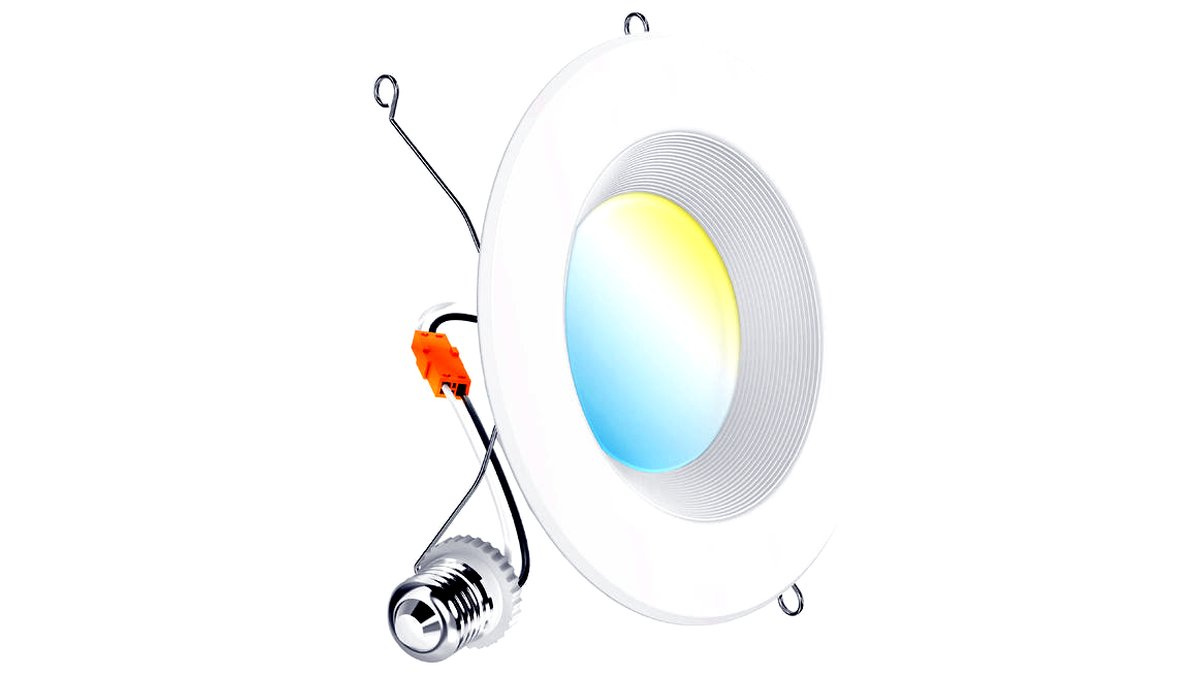
| Wet-rated LED retrofit/new-construction can (mid-range) | Open or exposed porch ceilings, soffit edges | Makers commonly list wet-rated sealed housing, IC rating, and dimmable LED output in the 600-900 lumen range per fixture | Higher cost than indoor-only cans; still needs a properly sealed trim gasket at install |
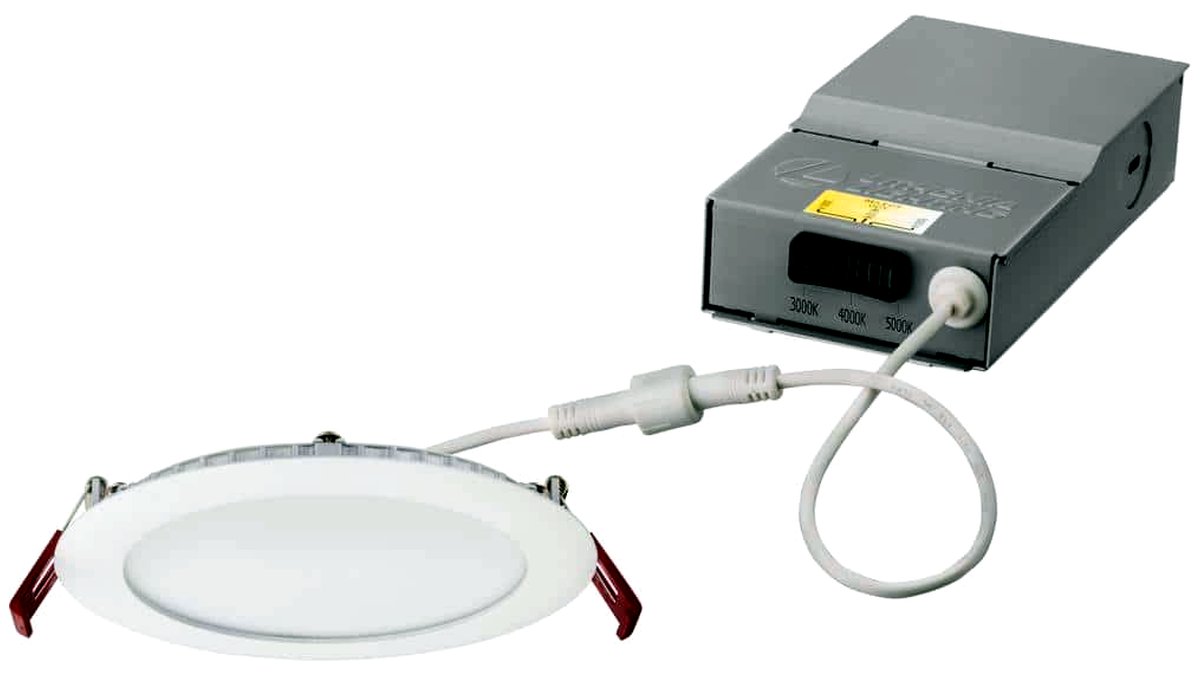
| Wet-rated LED surface-mount/canless light (budget to mid-range) | Retrofits without an existing deep ceiling cavity | Canless designs list a thinner profile that doesn’t need the same depth as a traditional can housing | Less flexible trim/finish options than traditional can-and-trim systems |
| Damp-rated LED recessed light (budget) | Fully covered porch ceilings with no direct water exposure | Typically listed with simpler sealing than wet-rated units, at a lower price point | Not appropriate for open eaves, windy rain exposure, or sprinkler overspray |
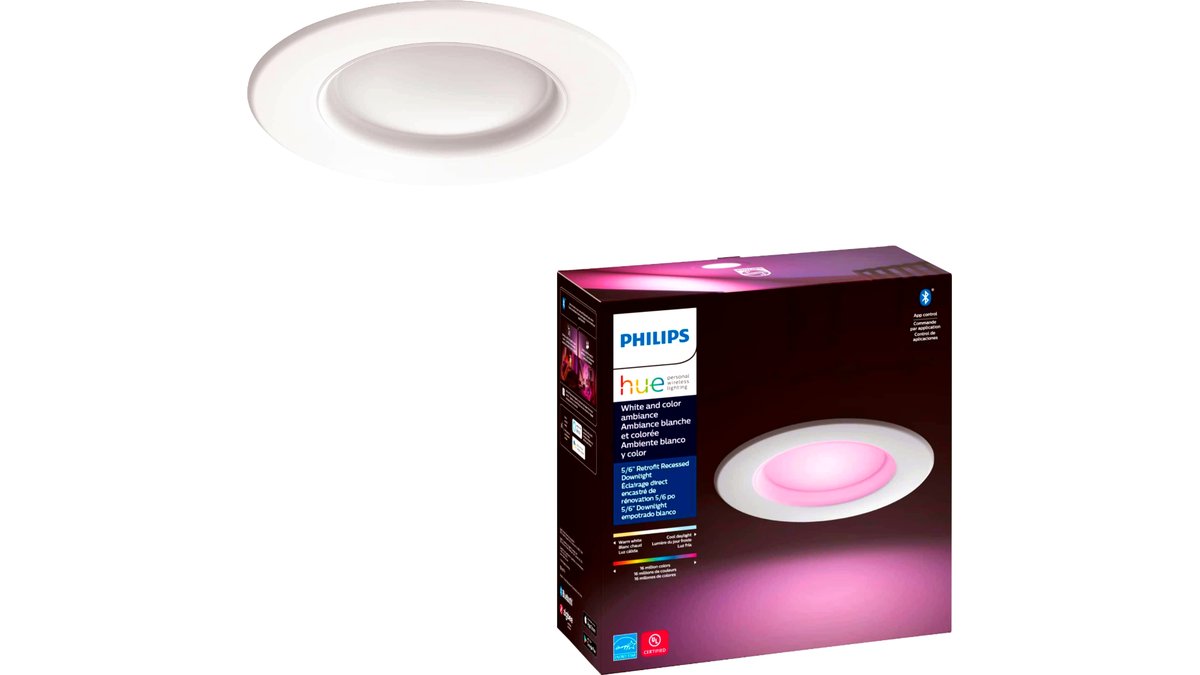
| Smart-enabled wet-rated recessed light (premium) | Buyers wanting scheduling, dimming, or color-temperature control from an app | The maker typically lists app or voice platform compatibility alongside the wet rating | Added setup step; some models need a compatible hub or neutral wire at the switch |
Fit, Ceiling, and Electrical Notes
Porch ceiling cavity depth and existing wiring both affect which fixture type fits. New-construction housings are installed before the ceiling material goes up and need joist access; retrofit or canless fixtures are designed to go through an existing ceiling cutout and are the more common choice when updating an existing porch without opening up the ceiling. Checking the available depth behind the ceiling material against the fixture’s housing depth avoids a fixture that won’t physically fit.
Outdoor electrical work, including any recessed lighting on a porch, should be done on a properly rated outdoor/wet-location circuit with correct grounding, and ideally by a licensed electrician if it involves new wiring or an unfamiliar existing circuit — this isn’t an area to cut corners on, since water intrusion into an improperly sealed or rated fixture is a real fire and shock hazard. Following the manufacturer’s installation instructions for sealing the trim against the ceiling material is part of what keeps a wet-rated fixture actually wet-rated in practice, not just on the box.
Spacing and layout matter for even porch lighting — a common approach is to space fixtures to avoid both dark gaps and overlapping hot spots, which most manufacturers address with general spacing guidance based on ceiling height and the fixture’s beam angle.
Pick X If…
| Pick this if… | Recommended type |
|---|---|
| Your porch ceiling is open or exposed to wind-driven rain | Wet-rated LED retrofit or new-construction can |
| You’re updating an existing porch ceiling without opening it up | Wet-rated canless/surface-mount LED light |
| Your porch is fully covered with no direct water exposure | Damp-rated LED recessed light |
| You want scheduling, dimming, or app control | Smart-enabled wet-rated recessed light |
A Few Alternatives Worth Knowing About
Flush-mount outdoor ceiling fixtures (as opposed to recessed cans) are worth considering where a more decorative look is wanted or where ceiling cavity depth doesn’t support a recessed housing at all.
Wet-rated step or wall-mounted path lights can supplement or substitute for ceiling-mounted recessed lighting along porch stairs and edges, where downward wash from above isn’t the main need.
Motion-activated or dusk-to-dawn sensor variants of wet-rated recessed and surface lights are an option for buyers prioritizing security and convenience over manual switch control.
Maintenance and Seasonal Checks
Even a properly rated wet-location fixture benefits from periodic inspection, since trim gaskets and seals can degrade over years of sun and temperature swings. A visual check for cracked trim, discoloration, or condensation inside the lens — particularly after the first few seasons and again after any extreme weather — catches a failing seal before it leads to moisture reaching the electrical components or the bulb socket.
LED recessed lights generally run cooler than older halogen or incandescent recessed cans, which reduces (but doesn’t eliminate) the heat-related stress on trim and housing materials over time; manufacturers still specify a maximum ambient operating temperature range, and porches in very hot climates are worth checking against that figure. Cleaning the trim lens periodically also matters for actual light output, since dust, pollen, and insect debris accumulate on outdoor fixtures faster than indoor ones and visibly dim the output over time if left unaddressed.
If a wet-rated fixture begins flickering, dims unexpectedly, or trips a GFCI-protected circuit, that’s generally a sign of either a failing driver or a developing moisture issue rather than something to ignore — addressing it promptly, or having an electrician check it, helps avoid a bigger repair or a safety issue down the line.
Frequently Asked Questions
Can I use a damp-rated recessed light on an open porch?
No — damp-rated fixtures aren’t sealed against direct water contact, and an open porch ceiling is exposed to wind-driven rain even with a roof overhead. Wet-rated fixtures are the appropriate choice for that location, per standard lighting location ratings.
Do I need an electrician to install porch recessed lighting?
If it involves new wiring, running a new circuit, or working with an unfamiliar existing outdoor circuit, a licensed electrician is the safer route given the fire and shock risks of outdoor electrical work. A straightforward swap of an existing, properly wired fixture for a new one of the same type is sometimes within reach for an experienced DIYer, but local code and personal comfort level should guide that decision.
What color temperature works best for a front porch?
Warm white (around 2700-3000K) is commonly chosen for porches because it reads as welcoming and matches typical indoor entryway lighting, while cooler white (4000K and up) is sometimes chosen for a brighter, more security-focused look. This is mostly a style preference rather than a technical requirement.
How many recessed lights do I need for a porch?
This depends on porch size, ceiling height, and the fixture’s beam angle and lumen output, so there’s no single number — manufacturers typically provide spacing guidance (often a multiple of the ceiling height) that can be applied to the porch’s dimensions to estimate fixture count.
Will a wet-rated recessed light work in a cold climate?
Wet-rated LED fixtures are generally built to tolerate the temperature ranges found in most outdoor residential settings, but checking the manufacturer’s stated operating temperature range is worth doing in climates with extreme cold, since some trims or integrated drivers list minimum operating temperatures.
Can I dim a wet-rated LED recessed porch light?
Many current wet-rated LED recessed lights list dimmer compatibility, but the existing wall switch also needs to be a compatible dimmer rather than a standard on/off switch, and not every dimmer works with every LED driver — checking the fixture’s listed compatible dimmer types avoids flickering or buzzing.