Key takeaways
- Portable air conditioners: no window-kit fitting required beyond a vent hose, useful for casement windows or rooms where a window unit isn’t practical, but generally less efficient per BTU than a window unit of the same capacity.
- 8000 BTU window units: worth considering if your room is on the larger end of the 6000 BTU range, faces direct sun most of the day, or regularly holds more than one or two people.
- Through-the-wall air conditioners: a permanent-installation alternative for rooms without a suitable window, requiring a dedicated wall sleeve and generally more involved installation.
A 6000 BTU window air conditioner suits a single room of roughly 150-250 square feet, such as a bedroom, home office or small studio apartment; go larger if the room has high ceilings, lots of south-facing glass, or opens into an adjoining space. Below that room size, a 6000 BTU unit cools efficiently; above it, expect longer runtimes and weaker temperature drop on hot afternoons.
As an Amazon Associate, we earn from qualifying purchases made through links on this page.
Is 6000 BTU the Right Size?
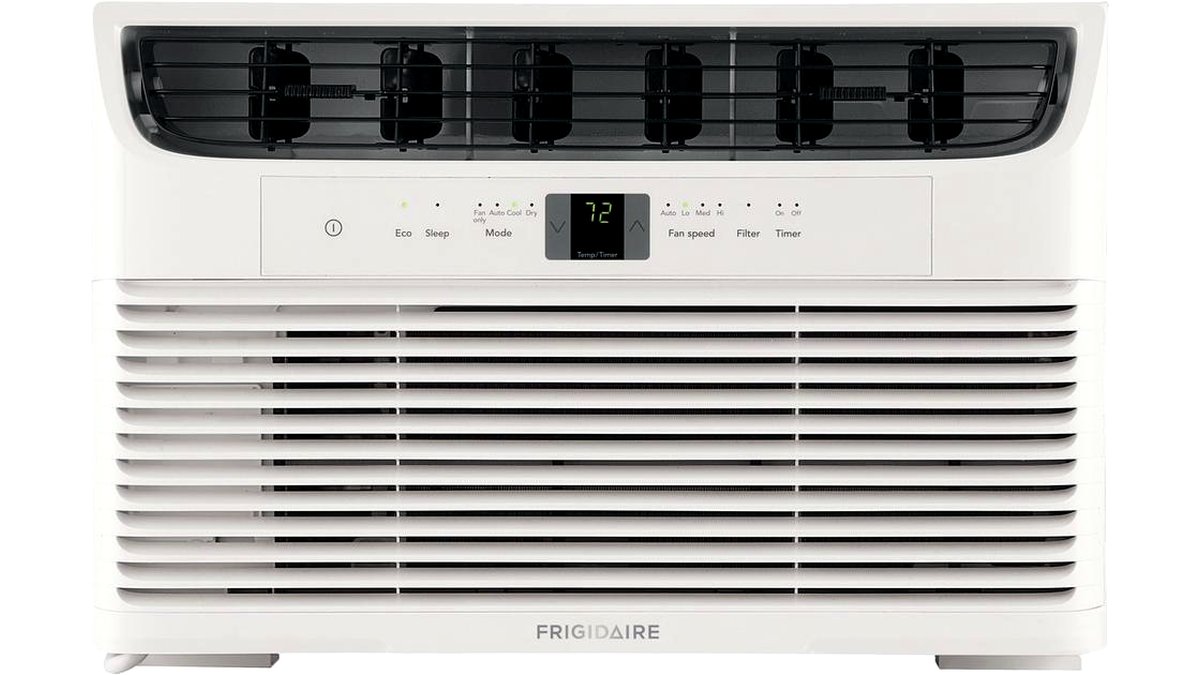
BTU (British Thermal Unit) capacity measures how much heat an air conditioner can remove per hour. Manufacturers and energy agencies generally publish room-size guidance tying BTU capacity to square footage, with adjustments recommended for ceiling height, sun exposure, number of occupants and heat-generating appliances in the room. A 6000 BTU unit oversized for a tiny room will cycle on and off quickly without properly dehumidifying the air, while an undersized unit in a large room will run constantly and still struggle to reach the set temperature. When in doubt between two sizes, reviewers generally suggest rounding up slightly for rooms with lots of direct sun or located on a top floor.
Key Features to Compare
Energy efficiency rating
Look for the unit’s stated energy efficiency ratio (EER) or combined energy efficiency ratio (CEER) on the spec sheet or energy label. Within the 6000 BTU class, efficiency varies between models, and a more efficient unit costs less to run over a cooling season even if the upfront tier is similar. Units carrying a recognized efficiency certification mark for your region are worth prioritizing if running costs matter.
Window fit and installation type
Standard double-hung window kits included with most 6000 BTU units typically extend to fit a range of window widths; check the stated minimum and maximum window width and height before buying, especially for narrow or unusually shaped windows. Casement and slider windows need a different kit, sold separately by some makers, so confirm compatibility with your window style first.
Noise level
Manufacturers sometimes state a decibel rating for low and high fan settings. Bedrooms and home offices benefit from checking this figure and, where available, reviewing independent outlet measurements, since stated lab decibel numbers do not always match the perceived noise once a unit is installed and running.
Smart and remote controls
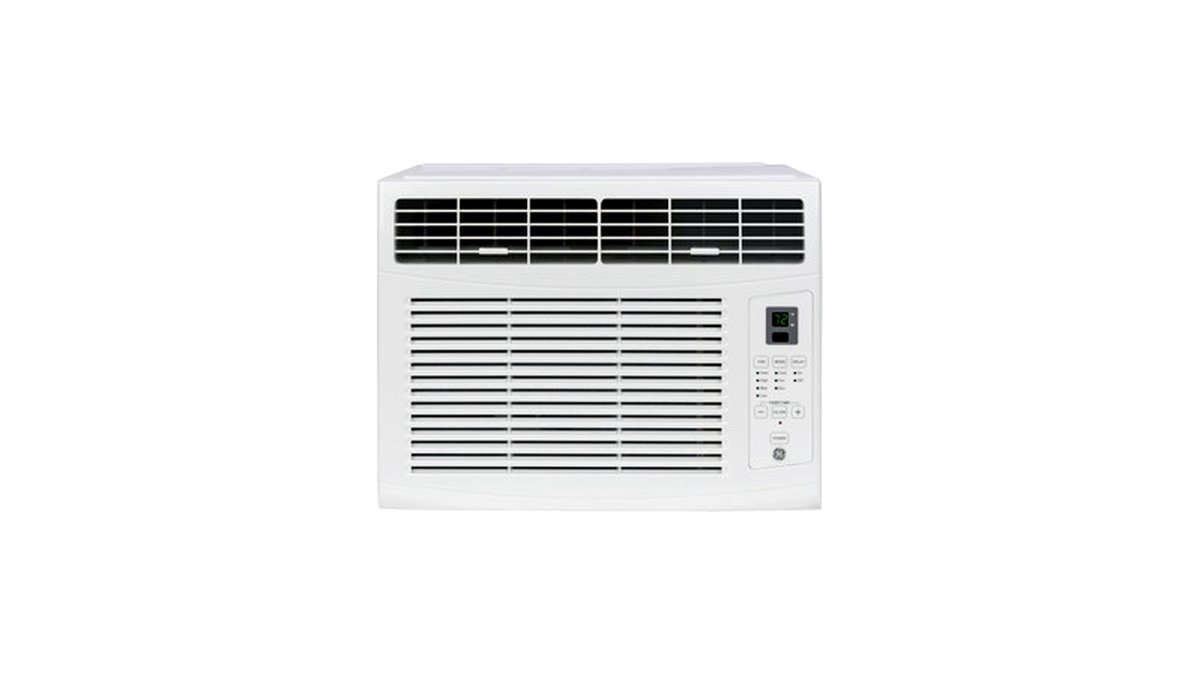
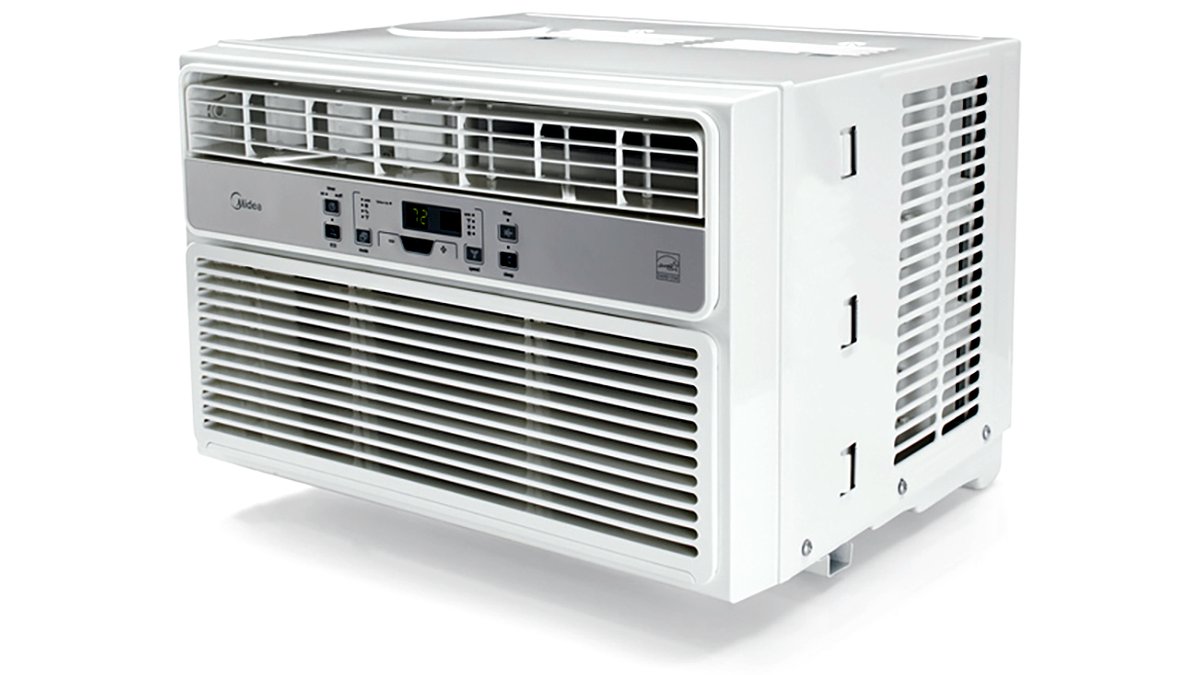
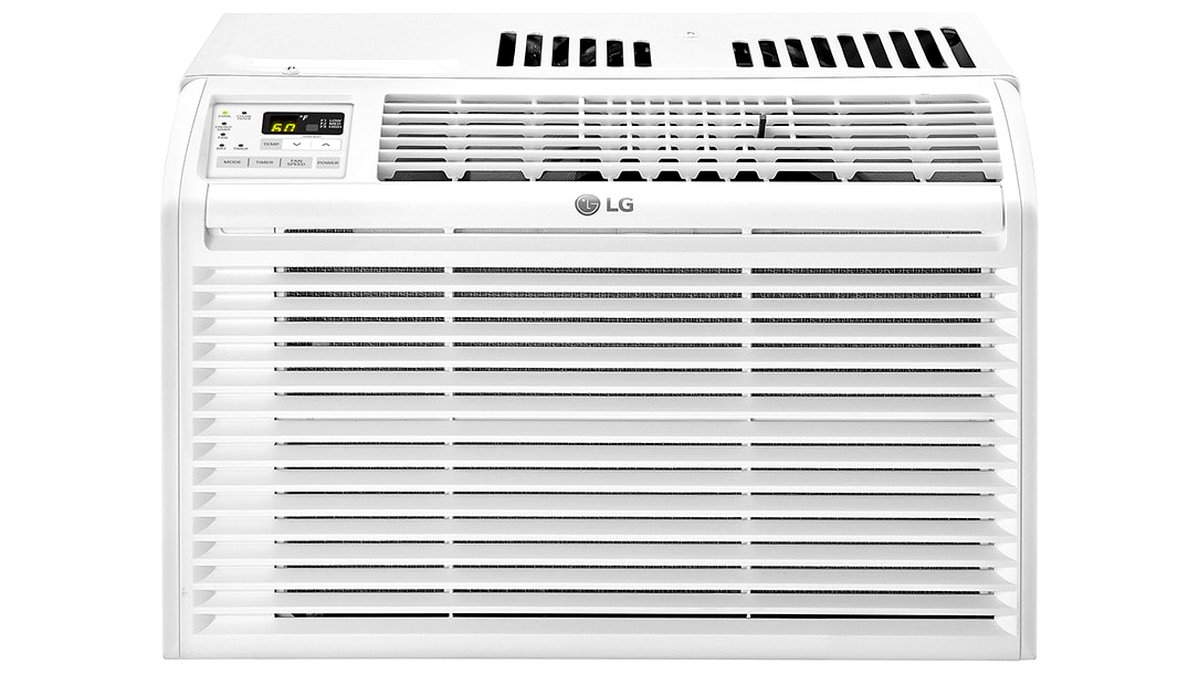
Many current 6000 BTU models include a remote control, digital thermostat and a programmable timer; some add Wi-Fi app control or voice assistant compatibility. These are convenience features rather than cooling-performance factors, so weigh them against the budget tier you’re shopping in.
Dehumidification
All window air conditioners remove some humidity as a byproduct of cooling, but stated pints-per-hour removal figures vary by model. This matters most in humid climates where comfort depends as much on moisture removal as on temperature drop.
At a Glance
| Unit Tier | Best For | Key Stated Specs | Limits |
|---|---|---|---|
| Budget mechanical-dial 6000 BTU | Simple bedroom cooling on a tight budget | Manual dial controls; basic fan speeds; standard window kit | No programmable timer or app control; fewer temperature presets |
| Mid-range digital 6000 BTU | Most single-room bedrooms and offices | Digital thermostat, remote, programmable timer, multiple fan speeds | Smart features limited or absent |
| Premium smart 6000 BTU | Buyers who want app/voice control and energy tracking | Wi-Fi app control, voice assistant compatibility, higher stated EER/CEER | Premium price tier for the capacity class; app reliability depends on home Wi-Fi |
Fit, Size and Compatibility Notes
Measure your window opening’s width and height before ordering, and check the included slide-kit range against those measurements, not just the advertised “fits most windows” claim. Confirm the window sash can support the unit’s stated weight and that there’s a nearby grounded outlet matching the unit’s plug type, since window units generally need a dedicated circuit and should not run on an extension cord per most manufacturer manuals. For casement, slider or oddly shaped windows, check with the manufacturer whether an alternate kit exists before buying, since forcing a standard kit into an incompatible window can create gaps that let in outside air and insects.
Pick X If…
| If you… | Choose… |
|---|---|
| Want the simplest, lowest-tier option for a small bedroom | A budget mechanical-dial 6000 BTU unit |
| Want a programmable schedule and remote without smart features | A mid-range digital 6000 BTU unit |
| Want app control, scheduling from your phone, and better stated efficiency | A premium smart 6000 BTU unit |
| Have a humid climate and need strong moisture removal | A model with a higher stated pints-per-hour dehumidification figure |
Alternatives to Consider
- Portable air conditioners: no window-kit fitting required beyond a vent hose, useful for casement windows or rooms where a window unit isn’t practical, but generally less efficient per BTU than a window unit of the same capacity.
- 8000 BTU window units: worth considering if your room is on the larger end of the 6000 BTU range, faces direct sun most of the day, or regularly holds more than one or two people.
- Through-the-wall air conditioners: a permanent-installation alternative for rooms without a suitable window, requiring a dedicated wall sleeve and generally more involved installation.
Running Costs and Seasonal Maintenance
Beyond the upfront tier, factor in how the unit will be used across a cooling season: a window air conditioner left running most of the day in a hot climate accumulates running costs that a higher-efficiency model can meaningfully reduce over several summers. Most manufacturers recommend cleaning or replacing the filter every one to two months during heavy use, checking that the exterior drainage holes stay clear so condensation drains properly, and storing the unit indoors or protecting it with a cover during the off-season in climates with freezing winters. Skipping these steps is a common reason a unit that cooled well in its first season seems to underperform in later ones, well before the compressor itself is actually at fault.
Frequently Asked Questions
How many square feet will a 6000 BTU air conditioner actually cool?
Most room-size charts put 6000 BTU units in the 150-250 square foot range, though actual performance depends on ceiling height, insulation, sun exposure and the number of people regularly in the room. If your room sits at the upper end of that range or gets a lot of direct sun, consider sizing up slightly.
Can I install a window air conditioner myself, or do I need an electrician?
Most window units are designed for self-installation using the included slide kit and bracket, following the manufacturer’s manual step by step. An electrician is typically only needed if your outlet isn’t grounded, doesn’t match the unit’s plug type, or if you need a new dedicated circuit installed.
Why is my 6000 BTU unit running constantly without cooling the room?
This usually points to the room being larger than the unit’s effective cooling range, a window kit that isn’t sealed properly and is letting outside air in, or a dirty filter restricting airflow. Check the filter and window seal first, and consult the manufacturer’s troubleshooting guide or support line if the issue continues.
Do window air conditioners need maintenance?
Yes. Most manufacturers recommend cleaning or replacing the air filter every one to two months during the cooling season and checking that the drainage and window seal remain clear of debris. Follow the specific schedule in your model’s manual for best performance.
Is a higher EER or CEER rating worth paying more for on a 6000 BTU unit?
A higher efficiency rating generally means lower running costs over a cooling season, which can offset a higher upfront tier over time, especially in climates with long, hot summers. Compare the stated rating across models in the same BTU class rather than across different capacities.
Can a 6000 BTU window unit fit a casement or slider window?
Standard window kits included with most 6000 BTU units are designed for double-hung windows; casement and slider windows typically need a different kit or bracket sold separately by some manufacturers. Confirm compatibility with the maker before purchase if your window isn’t a standard double-hung style.