Key takeaways
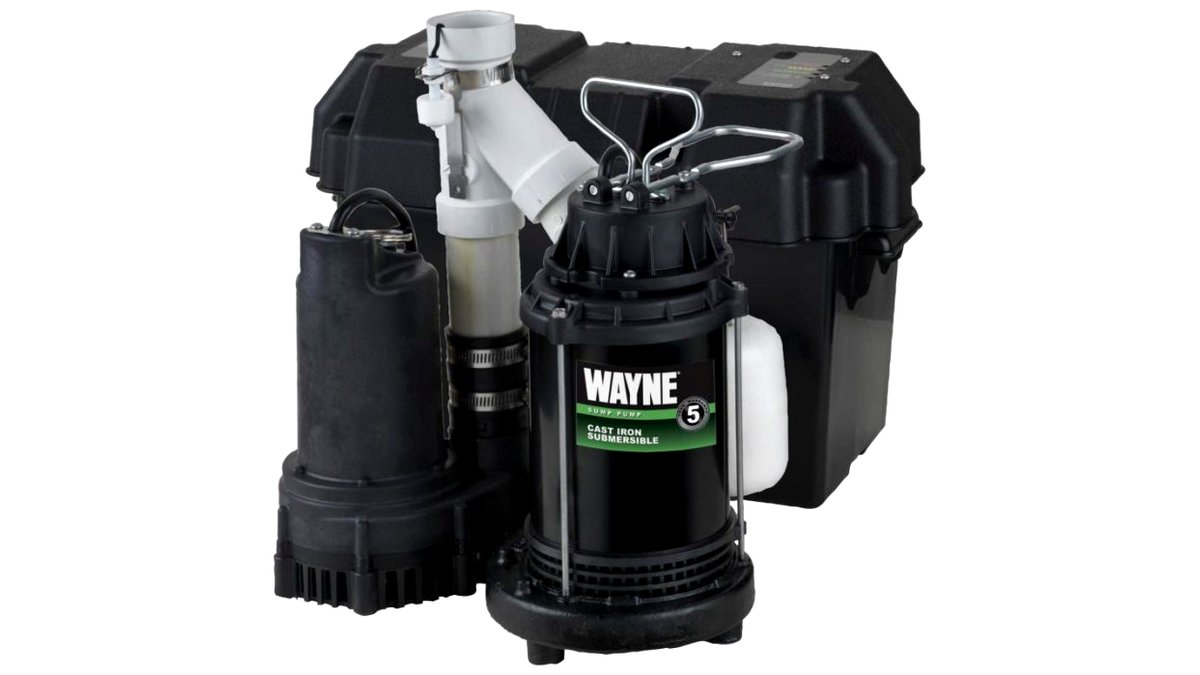
- Battery backup sump pump systems — a dedicated backup pump (sometimes paired with the primary pump in the same basin) runs off a deep-cycle battery and kicks in automatically when the primary pump loses power or fails.
- Water-powered backup pumps — these use household water pressure rather than electricity or batteries to run a secondary pump, avoiding battery maintenance entirely but depending on municipal water pressure staying available during the outage.
- Standby or portable generators — power the sump pump as part of a broader home backup power plan, rather than as a dedicated single-purpose device.
- Battery capacity and runtime — makers list runtime at a given pumping rate; actual runtime during a real storm depends heavily on how much water the sump is actually taking in, which varies a lot by property.
A battery backup sump pump system suits most homeowners who want automatic protection during a power outage without running a generator, while a portable or standby generator suits homes that already have a backup power plan for the whole house and just need the sump pump wired into that same system.
As an Amazon Associate, we earn from qualifying purchases made through links on this page.
Why Backup Power for a Sump Pump Matters
A sump pump’s entire job is to run exactly when it’s needed most — during heavy rain or snowmelt, which is also when power outages are most common from storms. A pump with no backup power stops working the moment the electricity goes out, which is precisely when basement flooding risk is highest.
- Battery backup sump pump systems — a dedicated backup pump (sometimes paired with the primary pump in the same basin) runs off a deep-cycle battery and kicks in automatically when the primary pump loses power or fails.
- Water-powered backup pumps — these use household water pressure rather than electricity or batteries to run a secondary pump, avoiding battery maintenance entirely but depending on municipal water pressure staying available during the outage.
- Standby or portable generators — power the sump pump as part of a broader home backup power plan, rather than as a dedicated single-purpose device.
- Battery capacity and runtime — makers list runtime at a given pumping rate; actual runtime during a real storm depends heavily on how much water the sump is actually taking in, which varies a lot by property.
Top Picks at a Glance
| Type / tier | Best for | Key stated specs | Limits |
|---|---|---|---|
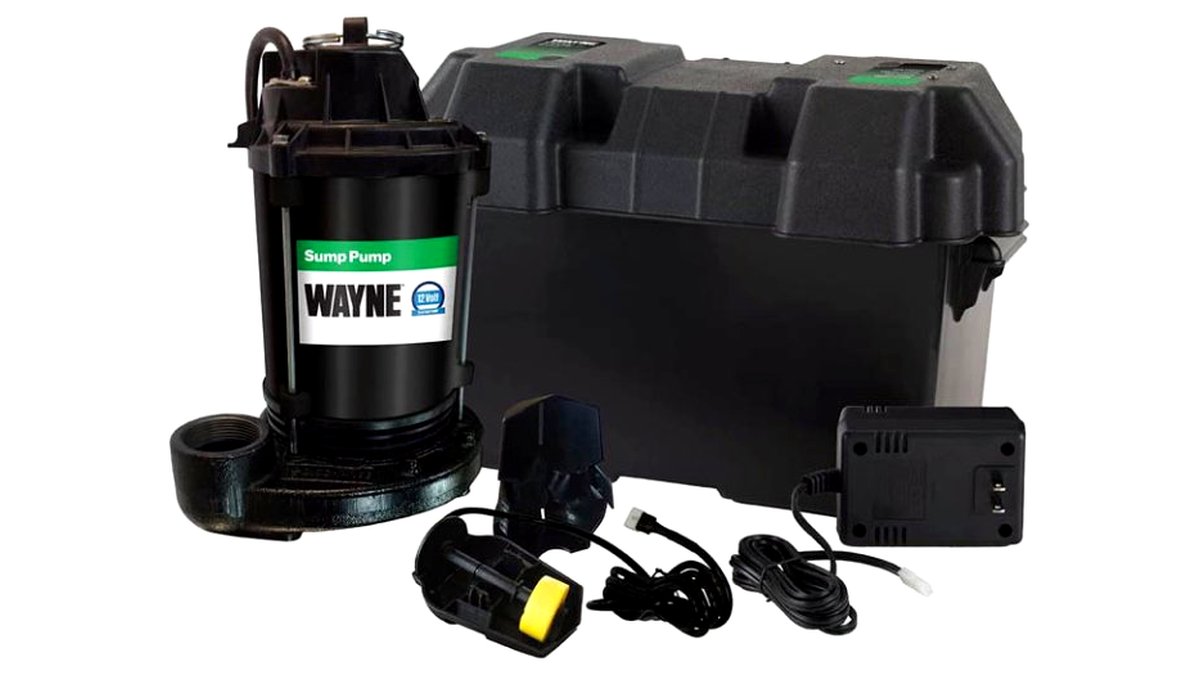
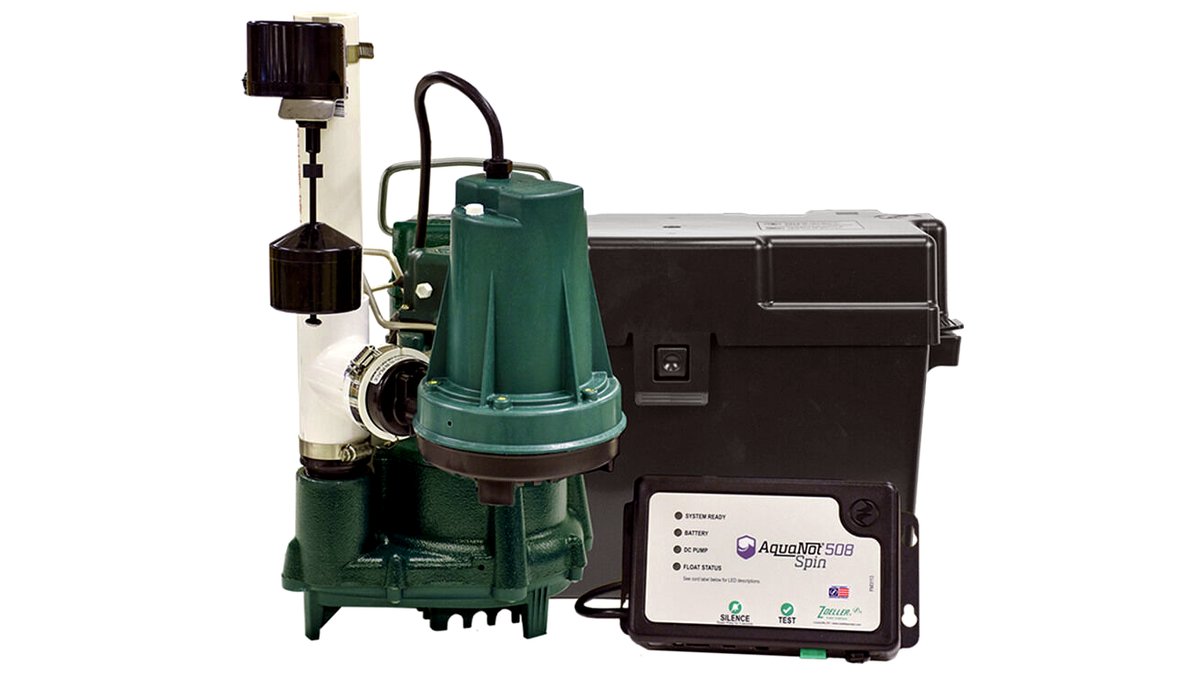
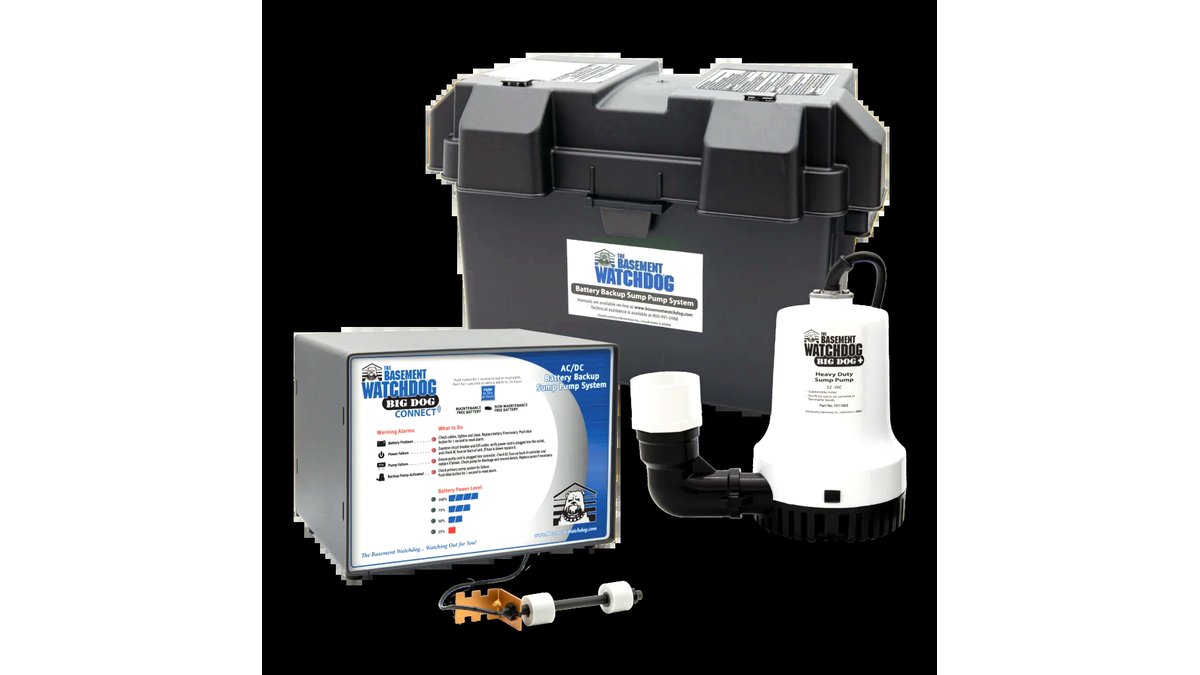
| Battery backup sump pump system (mid-range to premium, e.g. Zoeller- or Wayne-style combination systems) | Most homeowners wanting automatic, dedicated backup protection | Makers commonly list automatic switchover, a monitored or deep-cycle battery, and alarm notification for high water or battery issues | Battery needs periodic testing and eventual replacement; runtime is finite and depends on water volume |
| Combination primary + battery backup pump unit | New installs or full sump system replacement | These systems typically list a primary AC pump and a separate battery-powered pump sharing the same basin and float switches | Higher upfront cost than adding backup to an existing primary pump separately |
| Water-powered backup pump | Homes with reliable municipal water pressure and no interest in battery maintenance | The maker lists operation driven by household water pressure rather than electricity | Won’t work if municipal water pressure is also affected; typically lower pumping capacity than electric backups; may not be allowed by some local codes without a backflow preventer |
| Portable or standby generator sized for the sump pump plus other loads | Homeowners who want broader outage protection beyond just the sump pump | Generator capacity is listed in running/starting watts; sizing needs to account for the pump’s starting surge, not just running wattage | Portable generators need manual setup, fuel, and outdoor placement for safe operation; standby generators cost considerably more and need professional installation |
Fit, Sizing, and Installation Notes
Matching a battery backup system to the existing primary pump means checking the basin size and float switch setup — most dedicated backup systems are designed to sit alongside a standard primary pump in the same sump basin, but basin depth and diameter affect which backup unit physically fits. Battery capacity should be sized against how much water the property actually sees during a bad storm, which is specific to each home’s grading, gutter setup, and water table — a battery that comfortably handles light seepage won’t necessarily keep up with a high-volume inflow during a major storm.
For generator-based backup, the sump pump’s starting wattage (the surge needed to start the motor, which is higher than its running wattage) is the number that matters for sizing a generator correctly — undersizing a generator to the pump’s running watts alone is a common mistake that leads to the generator stalling when the pump tries to start.
Any backup system should be tested periodically — batteries lose capacity over time even without use, and a backup pump that hasn’t been checked in over a year carries real risk of failing silently exactly when it’s needed. Alarm or notification features that alert for high water, battery failure, or pump failure are worth prioritizing specifically because they catch problems before an actual flood event reveals them.
Pick X If…
| Pick this if… | Recommended type |
|---|---|
| You want dedicated, automatic sump backup without managing a generator | Battery backup sump pump system |
| You’re replacing or installing a sump system from scratch | Combination primary + battery backup unit |
| You have strong, reliable municipal water pressure and want to avoid batteries | Water-powered backup pump |
| You want whole-home backup power, not just the sump pump | Properly sized portable or standby generator |
A Few Alternatives Worth Knowing About
Battery backup systems with app or Wi-Fi monitoring let homeowners get an alert on their phone if the pump activates, the battery is low, or water levels rise, which is useful for anyone away from home when a storm hits.
Uninterruptible power supply (UPS) units sized for a standard sump pump are a less common but sometimes-used option, generally offering shorter runtime than a purpose-built sump battery backup.
A dedicated inverter generator with an automatic transfer switch for just the sump pump circuit is a middle option between a basic battery backup and a full whole-home standby generator.
Setting Up a Realistic Maintenance Routine
A backup power system for a sump pump only delivers on its purpose if it’s actually working when the power goes out, which means a maintenance routine matters as much as the initial purchase decision. Most manufacturers recommend a seasonal check — commonly ahead of the rainy or snowmelt season specific to the region — that includes manually triggering the float switch to confirm the backup pump activates, checking the battery’s charge level or condition, and confirming any alarm or notification feature is working as expected.
Battery degradation happens gradually and often without obvious warning signs, which is why several systems include a battery-condition indicator or send a low-battery alert rather than relying on the homeowner to guess when a battery needs replacing. Deep-cycle batteries used in these systems typically have a service life measured in a small number of years even under normal conditions, and replacing a battery proactively on a schedule is generally cheaper and less risky than discovering it failed during an actual outage.
For systems with Wi-Fi or app-based monitoring, confirming the connection is active and notifications are reaching the right phone or email — not just assuming it’s working after initial setup — is worth a periodic check, since a monitoring feature that’s silently disconnected provides none of its intended benefit during an actual emergency.
Frequently Asked Questions
How long will a battery backup sump pump run during an outage?
Makers list runtime figures based on a given pumping rate, but actual runtime depends heavily on how much water the sump basin is taking in during the specific storm — heavier inflow drains the battery faster since the pump cycles more often. This makes published runtime figures a reference point rather than a guarantee.
How often should I test my sump pump battery backup?
Most manufacturers recommend testing periodically, commonly a few times a year, by simulating a power outage or high-water event and confirming the backup pump activates and the battery holds charge. Deep-cycle batteries also have a limited service life and typically need replacement every few years even without heavy use.
Can I use a regular car battery for a sump pump backup?
Most backup sump pump systems specify a deep-cycle marine or AGM-style battery rather than a standard automotive starting battery, since deep-cycle batteries are built for sustained discharge rather than short bursts. Using the battery type specified by the manufacturer is the safer and more reliable choice.
Do water-powered backup pumps affect my water bill or water pressure?
They use household water pressure to operate, so running one does consume water and can affect pressure elsewhere in the home while it’s active; local plumbing codes in some areas also require a backflow preventer for this type of system, which is worth checking before installation.
What size generator do I need to run a sump pump during an outage?
Sizing should be based on the pump’s starting wattage, which is higher than its running wattage due to motor startup surge, plus any other loads the generator needs to carry at the same time. The pump’s nameplate or manual lists both figures, and matching generator capacity to the higher starting figure avoids stalling.
Is a battery backup enough, or should I also get a generator?
This depends on how long outages typically last in the area and how much water the sump handles — a battery backup is usually enough for shorter outages and typical storm inflow, while areas with longer outages or very high water volume sometimes warrant a generator as well for extended protection. Many homeowners use both as layered protection.