Key takeaways
- Tap-integrated dryers that dry hands directly over the basin suit high-traffic commercial restrooms that need to cut paper towel waste and mess, while deck-mounted dryer units built into the counter next to a standard faucet suit renovations where a full…
Tap-integrated dryers that dry hands directly over the basin suit high-traffic commercial restrooms that need to cut paper towel waste and mess, while deck-mounted dryer units built into the counter next to a standard faucet suit renovations where a full tap-and-dryer fixture swap isn’t practical. Both categories target the same goal as traditional wall-mounted dryers, touchless washing-to-drying in one motion, but they differ in installation complexity and the plumbing and electrical work needed.
As an Amazon Associate, we earn from qualifying purchases made through links on this page.
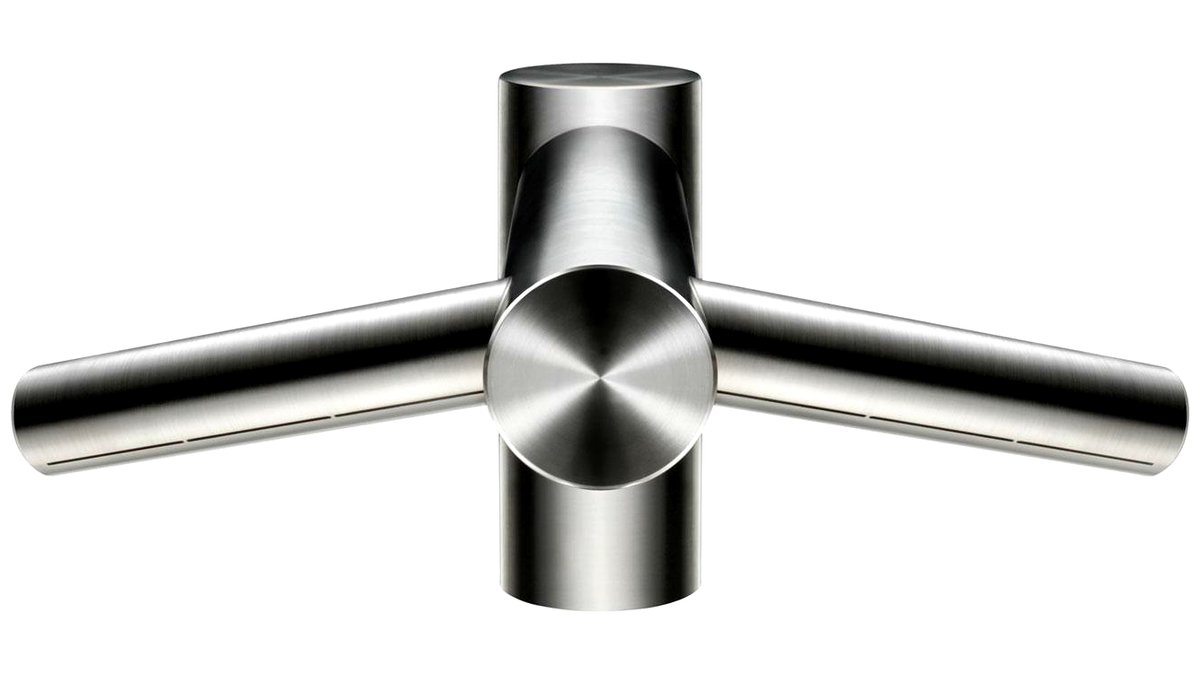
Sink-mounted hand dryers are mainly a commercial and institutional product category: restaurants, office buildings, schools, and public facilities install them to reduce paper towel costs, water on the floor, and the queuing that wall-mounted dryers can cause near a bank of sinks. Residential use is uncommon given the cost and installation requirements, so this guide focuses on the commercial buying decision.
The Two Main Formats
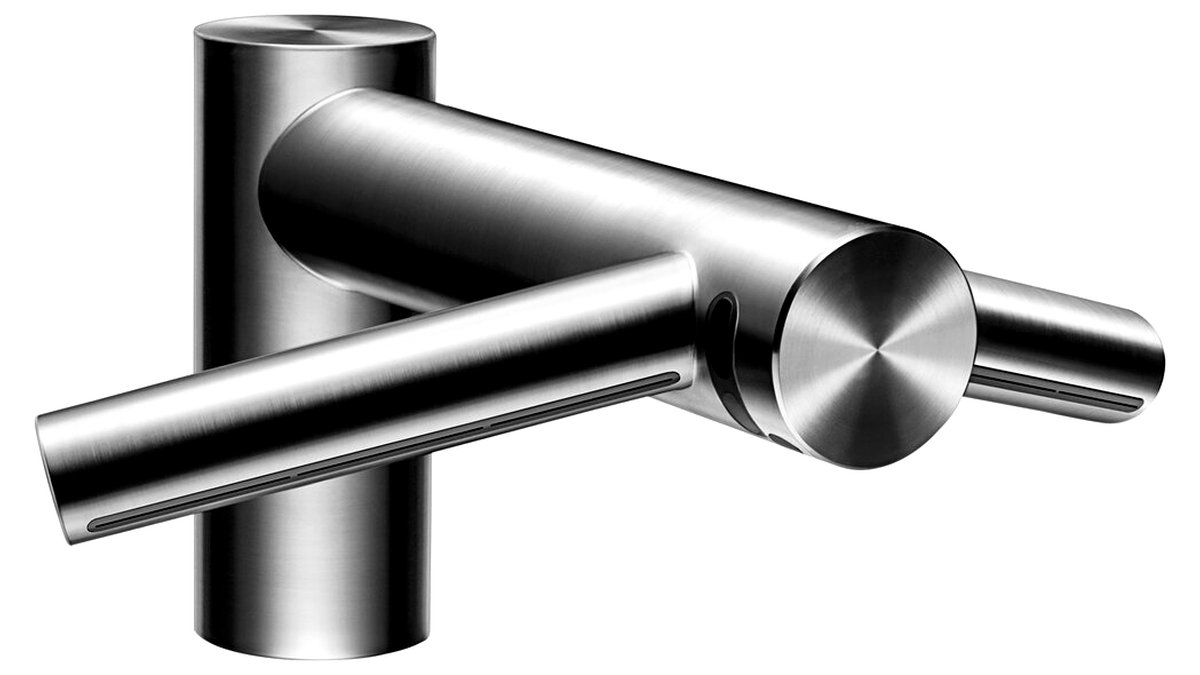
Integrated tap-and-dryer fixtures combine the faucet and the dryer into a single unit mounted directly on the sink deck or basin edge. The maker lists these as replacing a standard faucet entirely: users wash under one side of the fixture and dry by moving their hands under the dryer nozzle on the same unit, without stepping away from the sink. This format needs the sink’s faucet hole pattern to match the fixture’s mounting requirements, plus an electrical supply routed to the countertop, which is the main reason these are usually specified during a renovation or new build rather than retrofitted into an existing restroom without electrical work nearby.
Deck-mounted or basin-edge dryer units are a separate dryer head installed alongside an existing faucet rather than replacing it. These suit facilities that want to add drying capability without swapping out the whole fixture, since only the dryer unit itself needs new mounting and power, leaving the existing faucet and plumbing untouched. Installation is generally simpler than a full integrated fixture swap, though an electrician is still usually needed to bring power to the countertop if it isn’t already present.
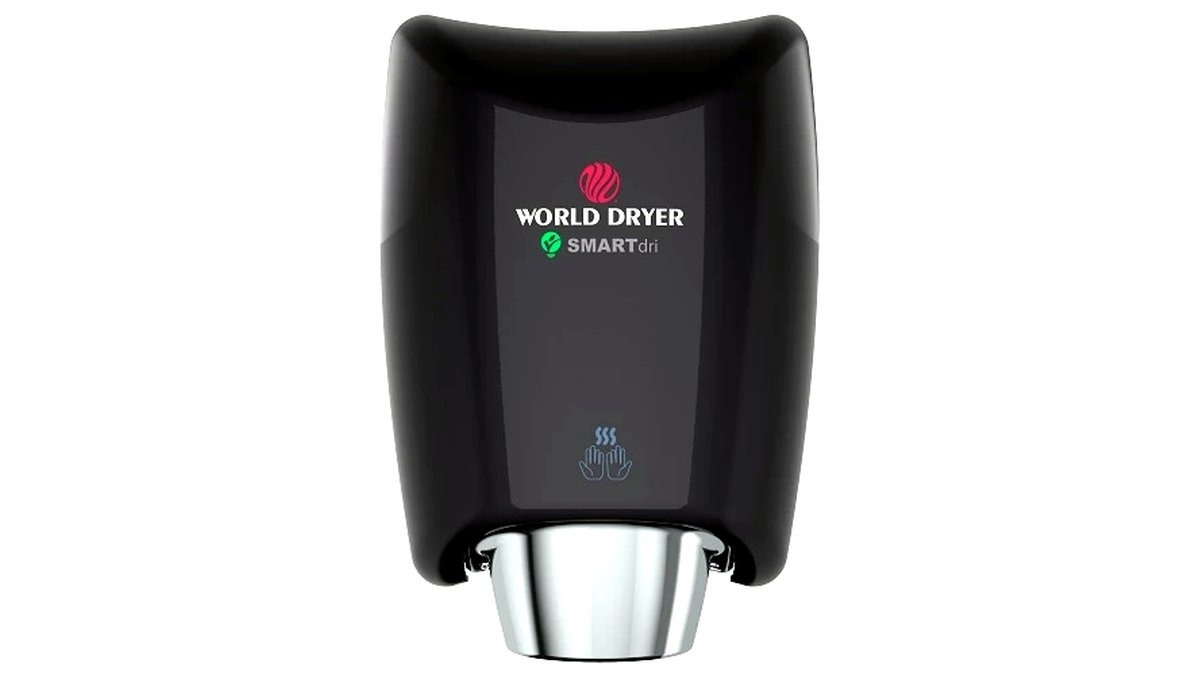
At a Glance Comparison
| Format | Best For | Key Stated Specs | Limits |
|---|---|---|---|
| Integrated tap-and-dryer fixture | New builds or full restroom renovations | Combined faucet and dryer in one unit; touchless sensor activation; stated dry times in the maker’s literature | Replaces the existing faucet entirely; needs matching sink deck holes and new electrical run |
| Deck-mounted add-on dryer | Adding drying to an existing sink without a full fixture swap | Separate dryer head mounted beside the existing faucet; touchless sensor activation | Still needs electrical supply at the counter; takes additional deck space |
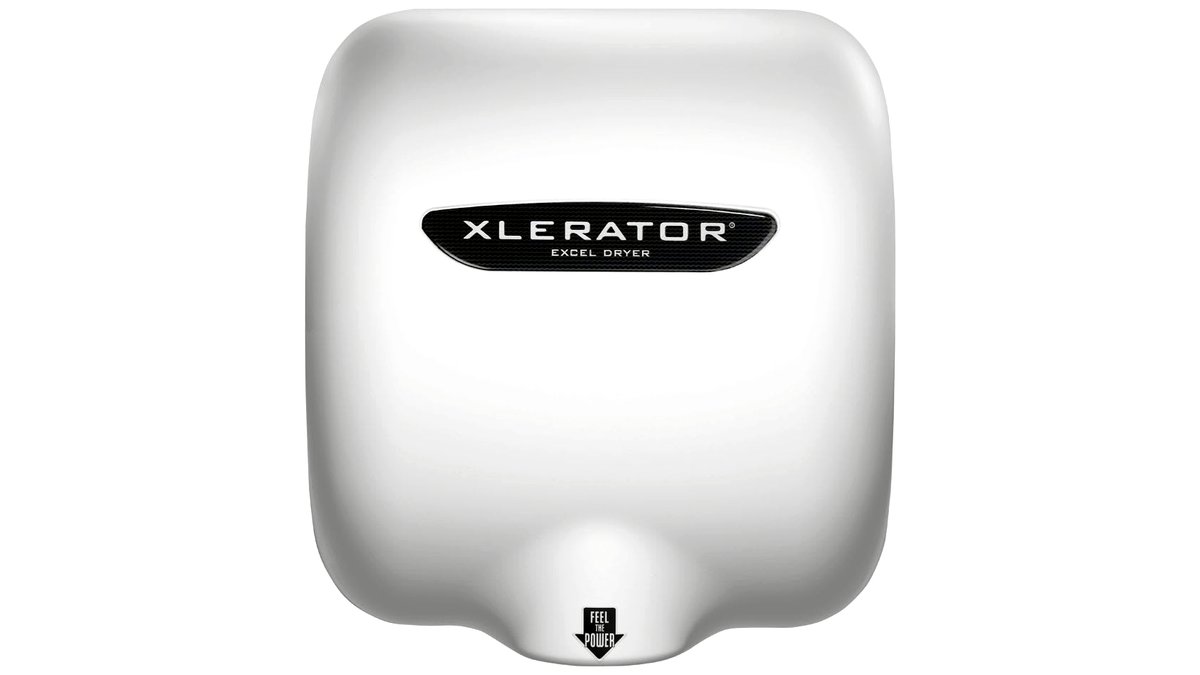
| Traditional wall-mounted dryer (for comparison) | Facilities not ready for sink-integrated plumbing work | Mounts on a wall near but separate from the sink | Users step away from the sink to dry, which is the queuing/mess problem sink-mounted units aim to solve |
Fit, Installation, and Compatibility Notes
Sink deck hole count and spacing is the first thing to confirm, since integrated fixtures typically require a specific hole pattern that may not match an older sink’s existing faucet holes without modification. Counter or basin material also matters for mounting hardware; stone, solid surface, and stainless steel basins each have different drilling and sealing considerations that an installer should assess before ordering. Electrical requirements are non-negotiable for either format: these units need power at the countertop, and in wet locations that typically means a GFCI-protected circuit per standard electrical code, so a licensed electrician should confirm the specific requirements for the installation site rather than assuming an existing nearby outlet is sufficient or appropriately rated.
Water pressure and supply line compatibility should also be checked against the facility’s existing plumbing, since integrated fixtures replace the faucet’s water connections along with adding the drying function. Facilities with unusual or older supply line fittings may need an adapter or a plumber’s assessment before an integrated unit can be installed.
Pick This If…
| Situation | Recommended Format |
|---|---|
| Building new restrooms or doing a full renovation | Integrated tap-and-dryer fixture |
| Existing sinks and faucets are in good condition but drying capability is wanted | Deck-mounted add-on dryer |
| Electrical or plumbing work isn’t currently feasible | Traditional wall-mounted dryer instead, as an interim step |
| High-traffic facility aiming to cut paper towel costs significantly | Either sink-mounted format, chosen based on renovation scope |
Maintenance and Hygiene Considerations
Because these units sit directly over a sink basin, splash and mineral buildup on the sensor and nozzle are common maintenance points that reviewers and facilities managers mention regularly. Regular wipe-downs with the cleaning method the manufacturer specifies help keep the touchless sensor responsive, since mineral deposits or soap residue can reduce sensor reliability over time. HEPA-filtered air intake is a stated feature on some models aimed at hygiene-sensitive environments like healthcare or food service facilities; facilities with those needs should confirm filtration is explicitly listed rather than assumed.
Cost and Operating Considerations
Beyond the upfront fixture and installation cost, facilities managers weighing sink-mounted dryers against ongoing paper towel spending should factor in electrical operating cost, since these units draw meaningfully more power during each use cycle than a bathroom’s typical lighting or ventilation load, even though an individual dry cycle is brief. Maintenance contracts or extended service plans are sometimes offered by manufacturers or distributors for commercial installations, which can be worth considering for high-traffic sites where downtime from a malfunctioning unit affects a large number of daily users.
Noise level is also worth checking against the specific environment; a dryer that’s barely noticeable in a large commercial lobby restroom might feel loud in a smaller office washroom, and some manufacturers publish a stated decibel range that’s useful for comparing models before committing to an installation.
A Few Alternatives Worth Comparing
Standard wall-mounted hand dryers remain the lower-cost, lower-installation-complexity option for facilities not ready to invest in sink-integrated plumbing and electrical work. Paper towel dispensers paired with a standard faucet are the simplest fallback where speed of installation and lowest upfront cost matter more than long-term paper waste reduction. Some facilities opt for a hybrid approach, installing deck-mounted add-on dryers at a subset of sinks in a restroom rather than converting every fixture, to manage installation cost while still reducing queuing at a portion of the sinks.
Planning an Installation Timeline
Facilities managers planning a sink-mounted dryer installation should budget time for both the plumbing and electrical trades to coordinate, since these units typically require both to be involved rather than a single contractor handling the whole job. For renovations already involving a general contractor, specifying the sink-mounted dryer early in the planning phase avoids the common problem of discovering mid-renovation that the electrical rough-in doesn’t reach the countertop location the fixture needs. Facilities replacing multiple sinks across several restrooms often phase the installation restroom by restroom rather than closing all facilities at once, which keeps at least some restrooms usable throughout the project.
Frequently Asked Questions
Do sink-mounted hand dryers need a dedicated electrical circuit?
They need power at the countertop, and in wet locations near plumbing fixtures, electrical code generally requires GFCI protection on that circuit. A licensed electrician should assess the specific site requirements, since local code and the existing panel capacity both affect what’s needed.
Can an existing faucet be converted to a sink-mounted dryer without replacing it?
Deck-mounted add-on dryers are designed for exactly this situation, mounting a separate dryer head beside the existing faucet rather than replacing it. A fully integrated tap-and-dryer fixture, by contrast, replaces the faucet entirely and isn’t an add-on to an existing one.
How long does it typically take to dry hands with a sink-mounted unit?
The maker’s product literature states a specific dry time for each model, and these figures vary by design and airflow specifications. Facilities comparing models should check the manufacturer’s stated figures directly rather than assuming all touchless dryers perform the same.
Are these dryers hygienic compared to paper towels?
Some models offer HEPA filtration on the air intake specifically for hygiene-sensitive settings, but this is a model-specific feature rather than a universal one. Facilities with particular hygiene requirements, such as healthcare settings, should confirm filtration specifications directly with the manufacturer rather than assuming all touchless dryers include it.
What maintenance do sink-mounted dryers need?
Regular cleaning of the sensor and nozzle area is important since splash and mineral buildup from sink use can affect sensor responsiveness over time. Following the manufacturer’s specified cleaning method and schedule, rather than generic surface cleaning, helps avoid damaging the touchless sensor components.
Is professional installation required?
Yes, in practice. These units involve both plumbing connections (for integrated fixtures) and electrical work rated for wet locations, both of which should be handled by licensed plumbers and electricians rather than as a DIY installation, consistent with standard building code requirements for wet-location electrical work.