Key takeaways
- Match swab width to the sensor. Full-frame wants roughly 24mm, APS-C 16mm, per the makers’ size labels.
- Micro Four Thirds sensors are smaller still, so compare the swab width to the sensor width in your manual.
- Mirrorless cameras have an exposed sensor when the lens is off, so dust gets in more easily and the blower is used more often.
- Keep the case sealed; a dirty kit moves dirt from one lens to another.
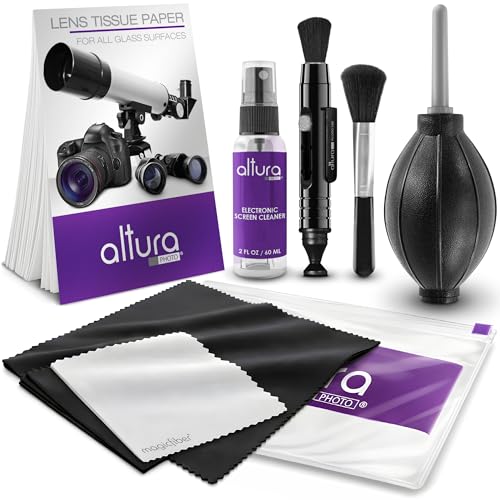
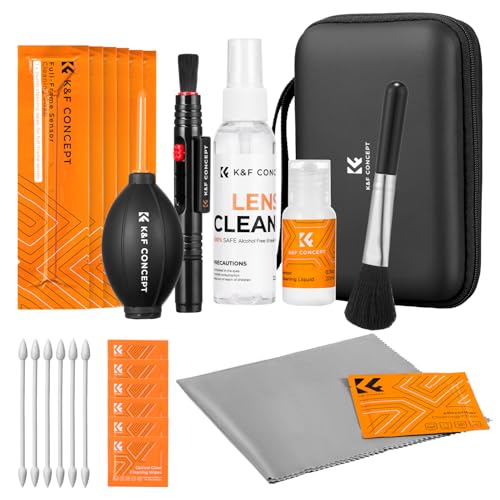
For most photographers a complete all-in-one kit such as the Altura Photo Professional Cleaning Kit (sold in full-frame and APS-C swab sizes) covers lenses, bodies and sensors well within the “best camera cleaning kit under $150” budget, while owners who only clean lenses can get by with a Giottos Rocket blower kit, and sensor-focused users should look at VisibleDust swab kits. The decision mostly comes down to whether you will ever touch the sensor.
Our top picks


As an Amazon Associate we earn from qualifying purchases at no extra cost to you.
What a cleaning kit actually has to do
Camera cleaning splits into three jobs with different risk levels. Loose dust on lenses, viewfinders and bodies is low risk and needs a blower and brush. Smudges and fingerprints on glass need a lens cloth or tissue and a small amount of cleaning solution. Dust on the sensor, which shows as dark spots in the same place across images at small apertures, is the high-risk job, because the sensor filter stack is delicate. Many photographers choose to send the camera to the maker’s service centre for sensor cleaning, and the manual for your body says what the maker permits.
Because the cap is generous for this category, you can buy a well-rounded kit and still stay under it. The skill is in not paying for pieces you will not use.
At a glance
| Kit | Best for | What the maker or listing states | Limits |
|---|---|---|---|
| Altura Photo Professional Cleaning Kit, full-frame version | Full-frame DSLR and mirrorless owners who want everything in one case | 6 24mm dry sensor swabs, 2 oz lens cleaner, lens pen, brush, air blower, tissue, microfiber cloth, hard case | Swabs must match sensor width; read the manual before touching the sensor |
| Altura Photo Professional Cleaning Kit, APS-C version | APS-C bodies | Same kit with 6 smaller 16mm swabs | Too narrow for full-frame sensors |
| Giottos Lens Cleaning Kit with Small Rocket Blower (CL1001) | Lens and body care only | Retractable goat-hair brush, microfiber cloth, a small blower of about 5.3 inches, 30 ml cleaning solution, ten cotton swabs | No sensor swabs; the blower is small |
| Giottos Rocket Air Blaster (medium and large sizes) | The single most useful item, bought on its own | Sold in several sizes by camera stores | Blows air only, will not remove sticky residue |
| VisibleDust EZ Sensor Cleaning Kits | Photographers who clean sensors regularly | The maker lists size-specific swabs (1.0x for 24mm and 1.6x for 16mm, packs of four) with VDust Plus liquid | Dedicated sensor kit; you still need a blower, brush and cloth for the rest |
| VisibleDust Arctic Butterfly brush and loupe | Dry brush sensor cleaning with inspection | The maker lists a sensor brush, loupe and swab range on its product page | Brushes remove loose dust only |
The parts of a good kit
Blower
A rubber hand blower is the first tool for every job, because it removes grit without contact. The Giottos Rocket is the best-known example and is sold in small, medium and large sizes. A larger bulb moves more air, which helps on a camera body or a big front element. Avoid canned compressed air near optics or sensors: the propellant can leave residue or damage a shutter or mirror if used wrongly, and many camera manuals warn against it.
Brush
A soft retractable brush, like the goat-hair type included in the Giottos kit, sweeps dust off lens barrels and rear caps. Use it on a dry surface after the blower, and keep it capped so it does not pick up oils.
Microfiber cloth and lens tissue
The cloth removes fingerprints. Washing the cloth now and then, without fabric softener, keeps it from smearing. Lens tissue is single use. Both kits above include these.
Cleaning solution and lens pen
The Altura kit lists a 2 oz lens cleaner plus a lens pen. Put a few drops on a cloth or tissue, never directly on the lens. A lens pen has a carbon tip for fingerprint oil and a brush at the other end. Replace the tip when it is dry or dirty.
Sensor swabs
Sensor swabs are the part with the most risk. The Altura kits include six dry swabs sized for the sensor, 24mm for full-frame and 16mm for APS-C, and VisibleDust offers swabs in the same two widths with its own cleaning liquid. The Altura manual, as listed, says to use the camera’s Sensor Cleaning Mode or mirror lock-up, and to hold the camera with the lens mount facing down so dust can fall out. Use a fully charged battery so the mirror or shutter cannot close during cleaning. If you are not comfortable, a camera service centre is the conservative choice, and in many cases following the manual keeps any warranty intact.
Budget tiers
Budget
A blower plus a microfiber cloth, or the Giottos CL1001 kit, handles most lens and body cleaning. This tier suits phone-sized budgets and photographers who shoot in clean conditions.
Mid-range
The Altura Photo kit adds sensor swabs, solution and a case, so one purchase covers every cleaning job. For a general reader this is the straightforward choice, and it sits comfortably under the cap.
Premium
A VisibleDust EZ kit or an Arctic Butterfly brush with a loupe, bought on top of a good blower, suits people who clean sensors often or work in dusty places. Even so, the combined cost is expected to stay within the stated cap for most combinations; buyers should compare current listings themselves.
Pick X if you
| If you | Pick | Reason |
|---|---|---|
| Shoot full-frame and want one case with everything | Altura Photo full-frame kit | 24mm swabs, solution, pen, blower and case together |
| Shoot APS-C | Altura Photo APS-C kit | 16mm swabs match smaller sensors |
| Only clean lenses and the body | Giottos CL1001 | Blower, brush, cloth, solution, cotton swabs |
| Change lenses outdoors often | VisibleDust kit plus a large Rocket blower | Sensor-specific tools with the strongest manual blower |
| Are nervous about sensor contact | A blower, brush and a service visit | Keeps risk of scratching the sensor filter low |
Safe cleaning order
- Turn the camera off and, for sensor work, use the cleaning mode on a fully charged battery.
- Remove the lens, hold the camera lens-mount-down, and blow gently into the mount opening.
- If spots remain, use a dry swab drawn once across the sensor, then discard it. Do not reuse a swab.
- For stubborn marks, use only the cleaning liquid sold for sensors, in the small quantity the instructions give.
- Clean lenses last: blower, brush, then a lightly dampened cloth wiped in a spiral from the centre.
- Cap the lens and body again immediately.
Sizing and compatibility notes
- Match swab width to the sensor. Full-frame wants roughly 24mm, APS-C 16mm, per the makers’ size labels.
- Micro Four Thirds sensors are smaller still, so compare the swab width to the sensor width in your manual.
- Mirrorless cameras have an exposed sensor when the lens is off, so dust gets in more easily and the blower is used more often.
- Keep the case sealed; a dirty kit moves dirt from one lens to another.
Alternatives
- A professional sensor cleaning at a maker service centre or camera shop.
- Sticky-pad sensor cleaning tools, which some shooters prefer; follow the instructions, and know that some bodies and warranties restrict them.
- A lens cleaning pen carried alone in a bag for travel.
- Lens caps and rear caps always on, plus a body cap, which is the cheapest prevention.
Common mistakes to avoid
- Wiping a dusty lens with a dry cloth before blowing it off, which can drag grit across the coating.
- Spraying solution straight onto the glass, where liquid can creep behind the elements.
- Reusing a sensor swab, which redeposits the dirt it just collected.
- Cleaning in a breezy spot, where new dust lands as fast as you remove it.
Frequently Asked Questions
Do I need a sensor cleaning kit?
Only if you change lenses and see dust spots on images. Many people never need to touch the sensor because a blower solves the problem. If you prefer, a camera service centre can clean it.
Can I use compressed air from a can on my camera?
Camera makers’ manuals often warn against it, because the propellant can leave residue on optics and a shutter can be damaged by strong air. A rubber hand blower is the commonly advised substitute.
How often should I clean my lens?
Clean it when it is visibly dirty or smudged. Blowing off loose dust is fine at any time, but repeated wiping can wear coatings, so use solution only when needed.
What size sensor swab do I need?
Choose the size labelled for your sensor. The Altura kits come in 24mm for full-frame and 16mm for APS-C, and VisibleDust uses similar widths. Using the wrong size can leave streaks or miss part of the sensor.
Is a lens pen better than a cloth?
They do different jobs. A pen handles fingerprint oil quickly in the field, while a clean microfiber cloth with a drop of solution handles broader smudges. Many kits include both.
Will cleaning the sensor myself void my warranty?
Policies vary by maker, so read your camera manual and warranty. If the manual does not describe sensor contact cleaning, use a blower only or ask the service centre.