Key takeaways
- Capacity: the maker lists capacity in pounds, commonly in the 8-11 lb range for compact portables versus 15-20+ lbs for full-size machines, meaning more frequent, smaller loads.
- Drain and fill method: most portables fill via a faucet adapter and drain either back into the sink or through a hose into a tub; checking faucet compatibility before buying avoids a mismatched adapter.
- Noise and vibration: on hard floors without a rubber mat, compact portables can vibrate and walk during the spin cycle; several makers recommend a mat or pad to reduce movement and noise.
Pick a compact portable washer with a gravity-drain hose for an apartment with no laundry hookup, a stackable 24-inch washer-and-dryer pair for a closet or small utility room with real plumbing and a dryer vent, and a ventless compact dryer paired with any small washer for a space that can’t accommodate exterior venting. Small laundry appliances split mainly along those three use cases, and picking the wrong one often means discovering too late that an apartment lacks the hookup a given machine needs.
As an Amazon Associate, we earn from qualifying purchases made through links on this page.
Portable Washers (No Hookup Needed)
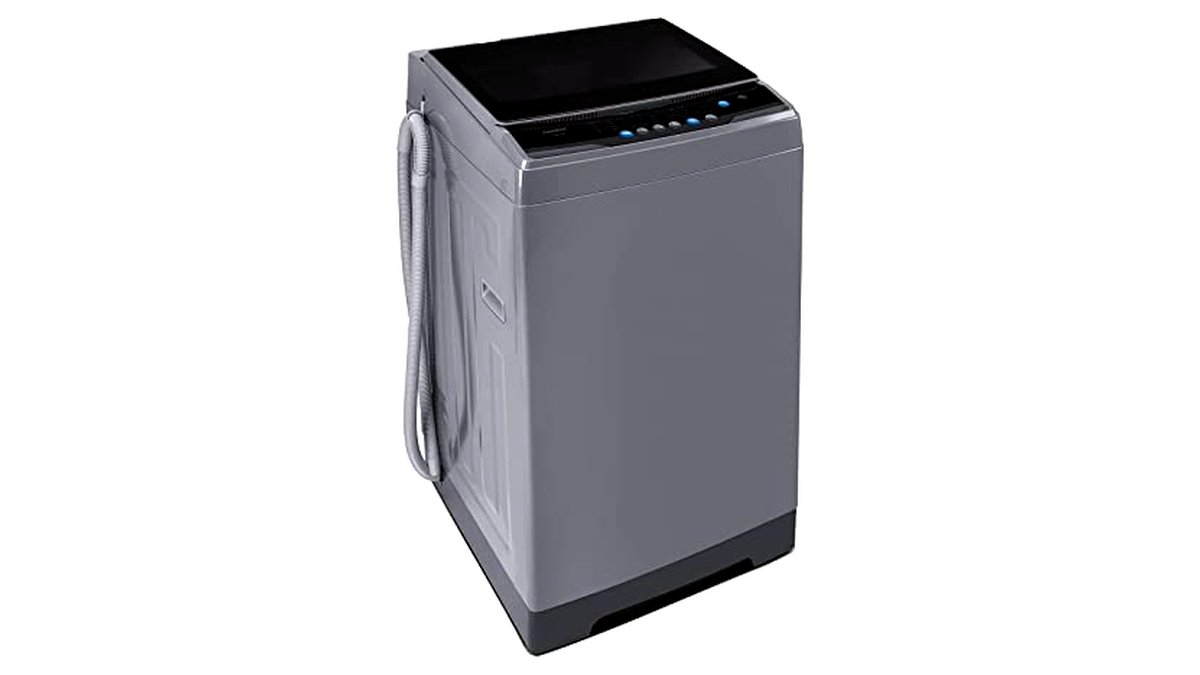
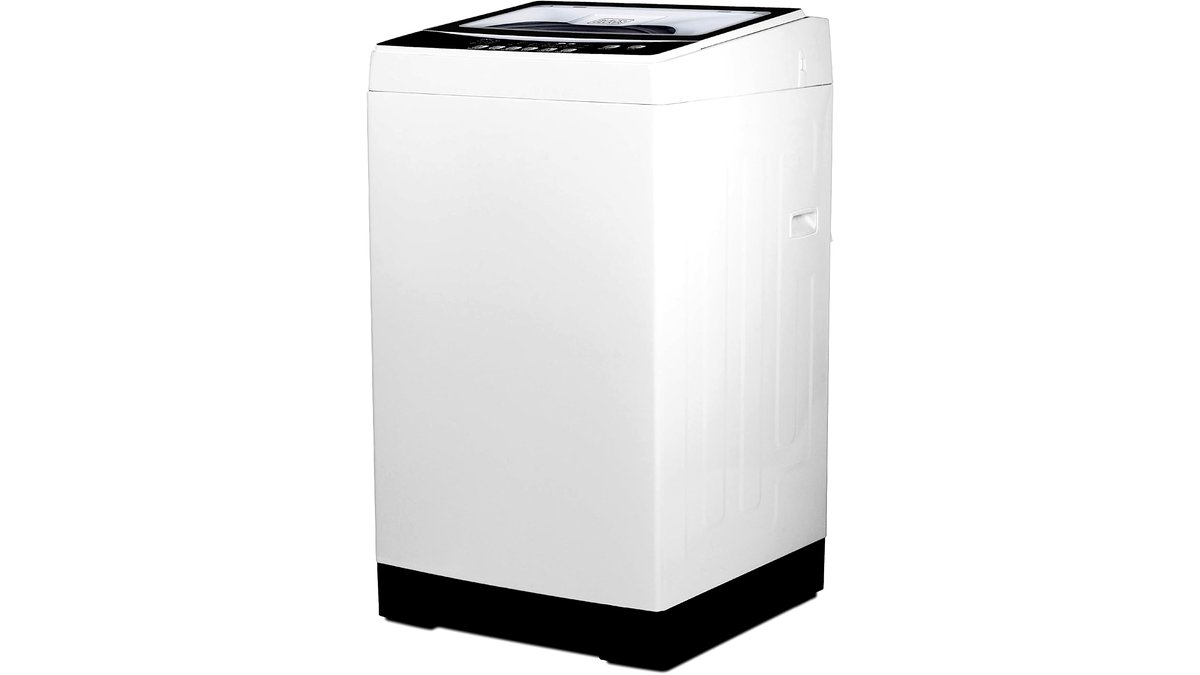
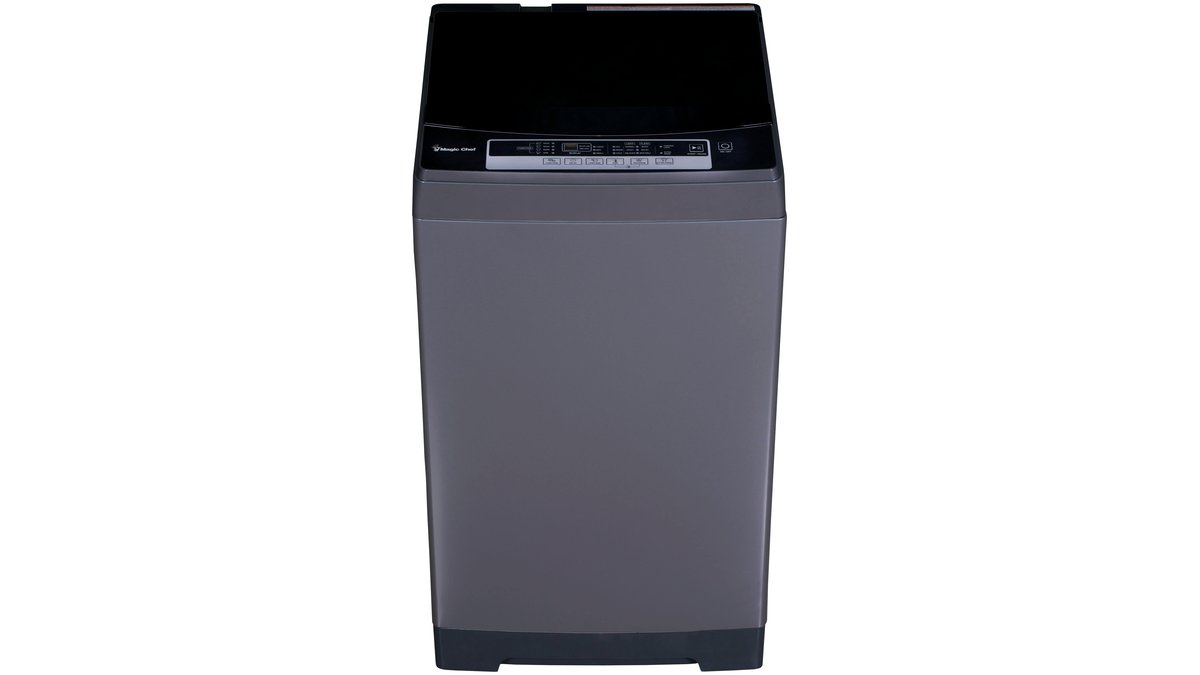
Portable washers are compact, often top-loading units on wheels that connect to a kitchen or bathroom faucet for water and drain into a sink or tub, making them the only realistic option for apartments and dorms without a dedicated laundry hookup. Capacity is meaningfully smaller than a full-size machine, so reviewers note these suit singles or couples doing frequent small loads rather than a family’s weekly laundry.
- Capacity: the maker lists capacity in pounds, commonly in the 8-11 lb range for compact portables versus 15-20+ lbs for full-size machines, meaning more frequent, smaller loads.
- Drain and fill method: most portables fill via a faucet adapter and drain either back into the sink or through a hose into a tub; checking faucet compatibility before buying avoids a mismatched adapter.
- Noise and vibration: on hard floors without a rubber mat, compact portables can vibrate and walk during the spin cycle; several makers recommend a mat or pad to reduce movement and noise.
Compact Stackable Washer-Dryer Sets
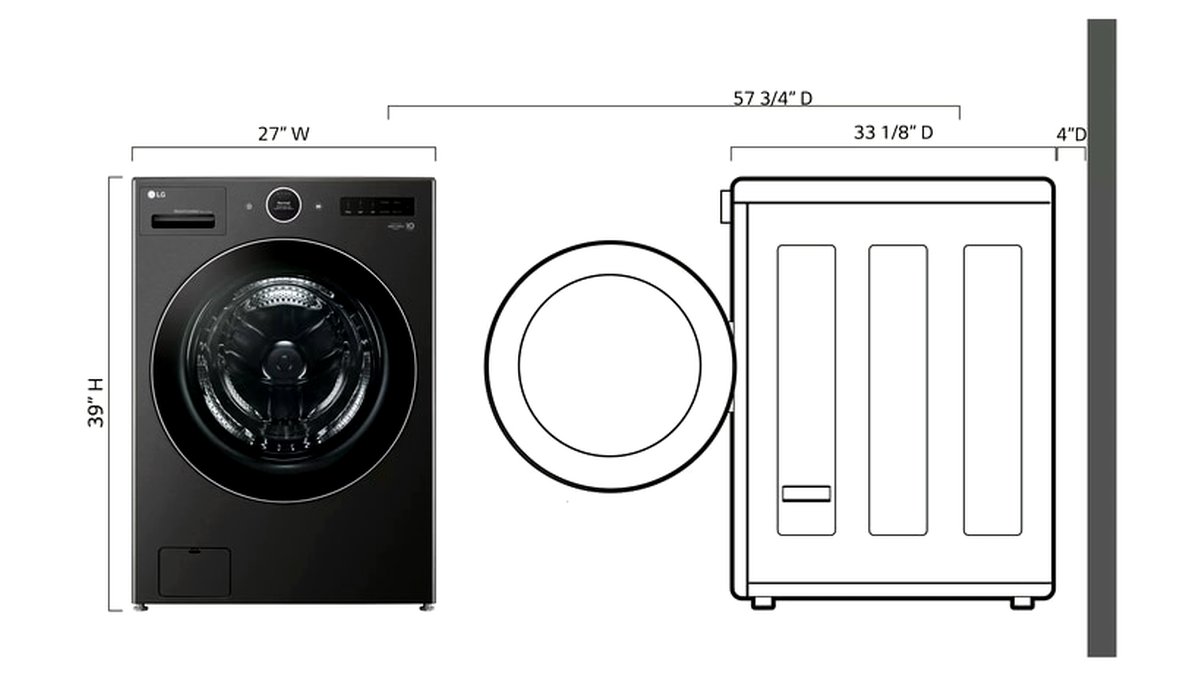
24-inch-wide stackable sets, built by brands including LG, Samsung, GE, and Electrolux, are designed for closets and small utility rooms with proper water, drain, and (for vented models) exterior dryer venting already in place. These need a real hookup, unlike portables, but offer closer-to-full-size capacity in a narrower footprint.
- Vented vs. ventless dryer: a vented compact dryer needs ductwork to the outside, same as a full-size dryer, while a ventless (condenser or heat-pump) dryer collects moisture in a tank or drains it, making it viable in interior closets with no outside wall access.
- Stacking kit: stacking a washer and dryer requires a maker-specific stacking kit rated for that exact model pair; using a universal or mismatched kit is generally against the manufacturer’s installation instructions.
- Electrical requirements: most compact dryers run on standard household 120V outlets rather than the 240V outlet a full-size electric dryer needs, which simplifies installation in a converted closet space.
Ventless Dryers (Heat-Pump and Condenser Types)
Heat-pump dryers run cooler and more efficiently than traditional vented or condenser dryers, with makers reporting lower energy use, though cycle times are often longer. Condenser dryers are typically less efficient than heat-pump models but usually cost less upfront. Both let a dryer live in a space with no outside wall access, at the cost of needing to periodically empty a water collection tank or run a drain hose to a nearby sink.
At a Glance
| Appliance Type | Best For | Key Stated Specs | Limits |
|---|---|---|---|
| Portable top-load washer | Apartments/dorms with no hookup | 8-11 lb capacity, faucet fill, sink/tub drain | Small loads; manual fill/drain each cycle |
| 24-inch stackable vented set | Small utility room/closet with existing venting | Near full-size capacity, standard vent duct required | Needs exterior venting; higher install complexity |
| 24-inch stackable ventless set | Interior closet with no outside wall access | Condenser or heat-pump drying, no ductwork needed | Longer dry cycles; water tank needs emptying |
| Combo washer-dryer (single unit) | Extremely tight spaces, one appliance for both functions | Washes and dries in one drum, ventless | Smaller capacity per cycle; longer combined cycle time |
| Compact freestanding full-size-style set | Small homes wanting more capacity than portables | Larger capacity than portables, needs real hookup | Larger footprint than true 24-inch stackables |
Pick X If…
| Situation | Recommended Pick |
|---|---|
| Your apartment has no washer/dryer hookup at all | Portable washer plus a laundromat or drying rack, or a ventless combo unit |
| You have a closet with plumbing and exterior dryer venting | 24-inch stackable vented washer-dryer set |
| You have plumbing but no way to vent outside | 24-inch stackable ventless (heat-pump or condenser) set |
| You want the absolute smallest footprint for one appliance | A single combo washer-dryer unit |
| You do laundry for a family and need more capacity than a portable offers | A compact freestanding set with full hookup rather than a portable |
Fit and Compatibility Notes
Measure the doorway and hallway path to the install location, not just the final spot, since 24-inch stackable units are narrow but can still be too deep to clear a tight apartment hallway turn. Confirm the building allows a stacking kit installation if renting, as some leases restrict permanent-feeling appliance setups. For portable washers, check the kitchen or bathroom faucet thread type against the included adapter, since older fixtures sometimes use a non-standard thread that needs a separate adapter.
Alternatives Worth Considering
- Laundromat with a portable washer at home for basics: some renters use a portable washer for frequent small items and still rely on a laundromat for bedding and bulk loads, splitting the cost and space tradeoff.
- Full-size washer and dryer in a larger utility space: if the home has room for standard 27-inch-plus appliances, a full-size set generally costs less per pound of laundry capacity than compact alternatives.
- Shared building laundry room: for apartment dwellers, relying on an in-building laundry room avoids the space and plumbing question entirely, though at the cost of convenience and schedule flexibility.
Installation and Setup Realities
Stacking kits add weight and height, so confirming the closet ceiling has enough vertical clearance for the stacked pair plus the required door-swing clearance is worth doing with an actual tape measure rather than relying on listed dimensions alone. Vented compact dryers need ductwork that runs a shorter, straighter path than many full-size dryer installs, since excessive duct length or sharp bends reduce drying efficiency more noticeably on smaller units. For portable washers, setting up near a sink each laundry day becomes a routine that some users find tedious after the novelty wears off, which is worth factoring into the decision alongside the hookup limitation itself.
Noise and Apartment Living
Compact machines, especially portables on hard flooring, can produce more noticeable vibration and noise during spin cycles than full-size machines bolted into a dedicated laundry room. Shared-wall apartment living makes this a bigger practical concern than it would be in a standalone house, and some users report placing an anti-vibration pad or mat under a portable washer specifically to reduce noise transmission to neighbors. Running laundry during reasonable daytime hours rather than late at night is a simple way to avoid noise complaints in multi-unit buildings.
Frequently Asked Questions
Can a portable washer be used without a water hookup at all?
No, portable washers still need a water source to fill from, typically a kitchen or bathroom faucet via an included adapter hose. They simply don’t require a dedicated laundry hookup behind a wall, which is the main difference from a built-in washer.
Do ventless dryers take much longer to dry a load than vented dryers?
Yes, heat-pump and condenser ventless dryers generally take longer per cycle than a traditional vented dryer, since they rely on a closed-loop drying process rather than exhausting hot moist air outside. Many users find the tradeoff worthwhile in spaces where venting isn’t possible at all.
Will a compact stackable set actually fit a standard closet?
24-inch-wide stackable units are designed to fit standard laundry closets, but checking the specific height, depth, and required clearance for door swing and ventilation against the closet’s exact measurements is still necessary before buying. Stacking also requires extra clearance above the dryer for the stacking kit and door opening.
Do I need a special detergent for compact or portable washers?
Most compact washers, including portables, work fine with standard high-efficiency (HE) detergent used in regular low-water-use machines, and the maker’s manual typically specifies this. Using too much regular detergent can cause excess suds and drainage issues in a small-capacity machine, so following the manual’s recommended amount matters more than in a full-size washer.
How often does a ventless dryer’s water tank need to be emptied?
This varies by load size and dryer efficiency, but many users report emptying the tank after every one to a few loads. Some ventless models offer an optional drain hose connection to a nearby sink or drain, which removes the need to empty a tank manually.
Are combo washer-dryer units reliable for regular use?
Combo units are generally reliable for light to moderate use, but reviewers note they have a smaller effective drying capacity per cycle than a separate washer and dryer, often requiring a load to be split or run through an extra drying cycle. They suit space-constrained living more than households doing large daily laundry volumes.