Key takeaways
- Portable power stations (battery-based): Silent operation and safe for indoor use since there is no combustion, but limited total energy storage compared to a fuel-powered generator for longer outages.
- Whole-home standby generators: Permanently installed and far higher capacity, suited to buyers wanting automatic whole-house backup rather than portability, at a much higher upfront cost and professional installation requirement.
- Solar generator/panel combos: Good for slow, quiet recharging of a power station over time, but not a direct substitute for a portable generator’s on-demand higher wattage output.
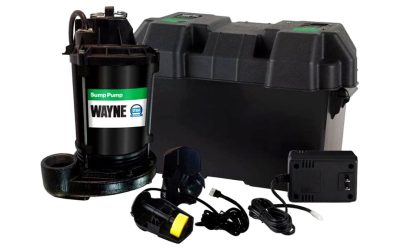
A camper or tailgater running a cooler, lights, and a phone charger is best served by a small inverter generator in the 1,000-2,500 watt class, while a homeowner wanting backup power for a fridge, a few lights, and a sump pump needs a mid-size inverter generator closer to 3,000-4,000 watts, and anyone needing to run a window AC unit or power tools needs to check starting-watt requirements before buying either size.
As an Amazon Associate, we earn from qualifying purchases made through links on this page.
Why “Quiet” Usually Means “Inverter”
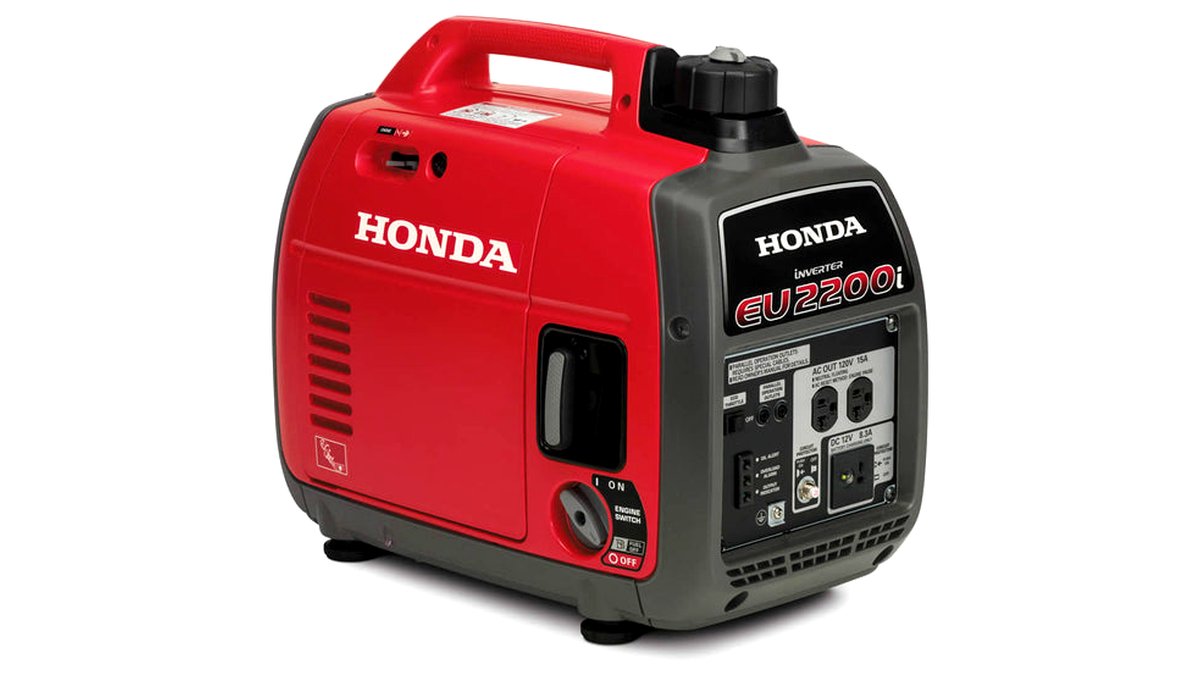
Traditional open-frame generators run their engine at a constant speed regardless of load, which keeps noise levels high even when drawing very little power. Inverter generators adjust engine speed to match the actual load, which is the main reason they run noticeably quieter, especially at partial load, and why nearly every generator marketed as “quiet” or “portable” today uses inverter technology. Makers typically list a decibel rating measured at a set distance (commonly 23 feet), and lower numbers in the mid-50s to low-60s dB range represent the quietest consumer models, comparable to normal conversation, while open-frame generators often run in the 70s dB range, comparable to a vacuum cleaner.
Matching Wattage to What You Actually Need
Every generator lists two numbers: running watts (continuous output) and starting/surge watts (a brief higher output needed when a motor-driven appliance first switches on). Buyers should add up the running watts of everything they plan to power simultaneously, then check that the generator’s starting watts cover the single largest startup surge in that list, since items like refrigerators, sump pumps, and window air conditioners can briefly need two to three times their running wattage at startup. Undersizing a generator for the intended load is the most common buying mistake, and it typically shows up as the unit tripping its overload protection or stalling under a surge it cannot cover.
At a Glance: Portable Generator Classes
| Class | Best for | Key stated specs | Limits |
|---|---|---|---|
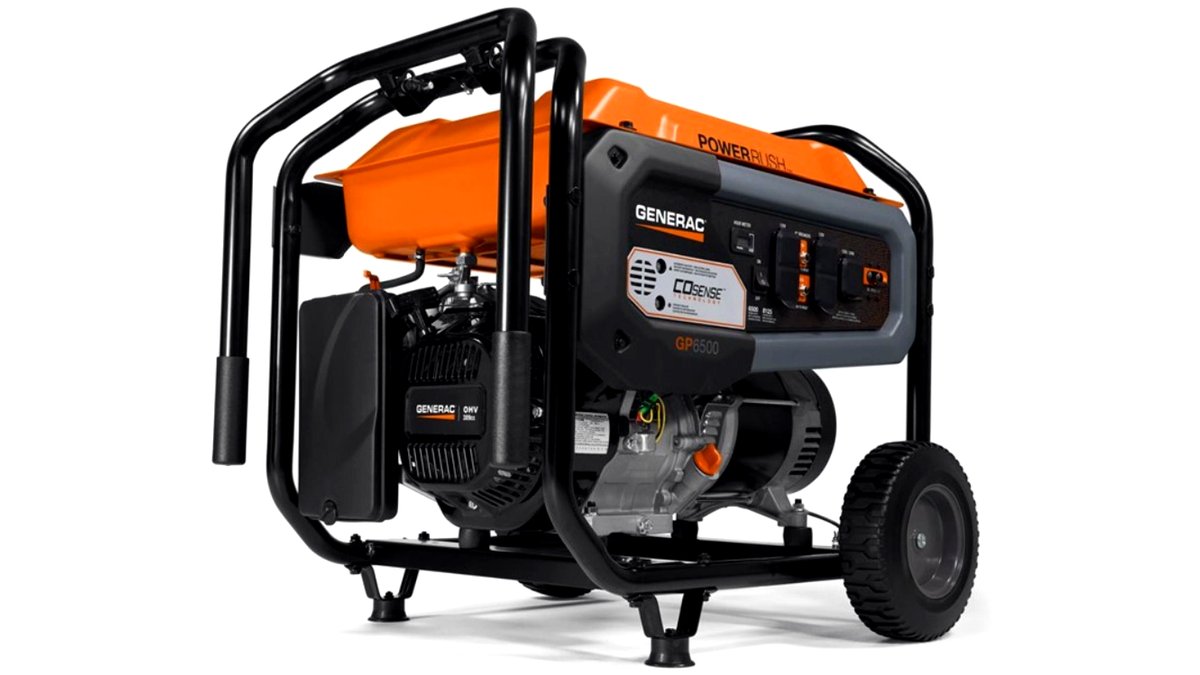
| Compact inverter (1,000-2,200W) | Camping, tailgating, small electronics, light backup | Lightweight (often under 50 lbs), quiet operation, parallel-capable on some models | Cannot run high-draw appliances like a window AC or well pump alone |
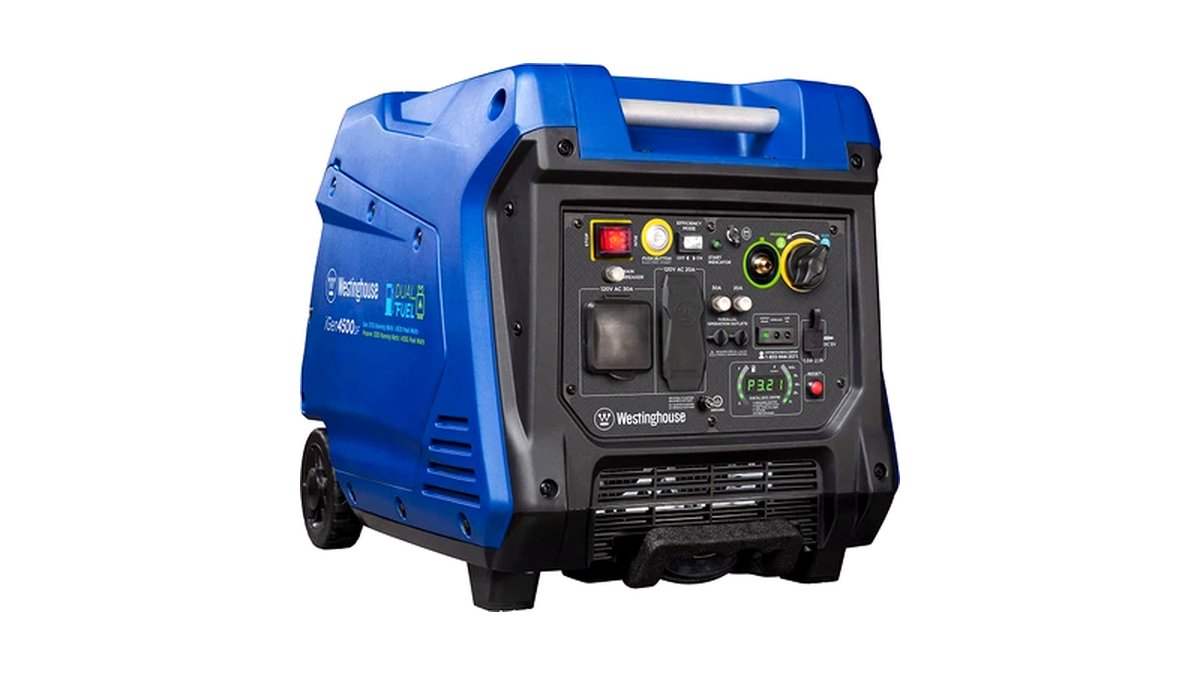
| Mid-size inverter (2,500-4,000W) | Partial home backup: fridge, lights, sump pump, some electronics | Moderate weight (60-100+ lbs), often wheeled, quieter than open-frame equivalents | Still limited for whole-home use; heavier, less convenient for frequent carrying |
| Larger portable inverter (5,000W+) | Broader home backup, running multiple appliances together | Higher running/starting watt capacity, often includes wheel kit | Louder than compact models even with inverter technology; higher fuel use |
| Open-frame (non-inverter) generator | Job sites, buyers prioritizing raw watts per dollar over quiet operation | Simple design, often higher max wattage for the size | Noticeably louder; less clean power, which can affect sensitive electronics |
| Dual-fuel portable generator | Buyers wanting gasoline and propane flexibility for storage/fuel availability | Switchable fuel source, propane often stores longer than gasoline | Added weight and complexity; power output can differ slightly between fuel types |
Fuel Type and Run Time Notes
Gasoline-powered portable generators remain the most common choice because of fuel availability and typically higher power density, but gasoline degrades in storage over months, so buyers who plan to keep a generator for emergency use rather than frequent use should plan on fuel stabilizer or periodic fuel rotation. Dual-fuel models that also run on propane trade a little efficiency for propane’s much longer shelf life, which suits infrequent emergency-backup use better than frequent camping use. Run time figures on the box are usually stated at a specific partial load (commonly 25% or 50%), not at full output, so real-world run time at higher loads will be shorter than the advertised number.
Noise Measurement Caveats
Decibel ratings on generator listings are not always measured the same way between brands; distance from the unit, load level during the test, and whether the figure is a peak or average reading can all shift the number. A roughly 10 dB difference is perceived as roughly twice as loud, so even small gaps between listed ratings can be noticeable in person. Buyers especially sensitive to noise, or planning to use a generator near neighbors or in a campground with quiet hours, should treat listed dB figures as a rough guide rather than an exact promise, and check if local campground or municipal noise ordinances set a specific limit.
Pick-X-If Decision Table
| Situation | Pick this type |
|---|---|
| Camping, tailgating, charging small electronics and a cooler | Compact inverter generator (1,000-2,200W) |
| Home backup for a fridge, lights, and a sump pump during outages | Mid-size inverter generator (2,500-4,000W) |
| Need to run a window AC, well pump, or multiple appliances together | Larger portable inverter (5,000W+), after confirming starting-watt needs |
| Job site use, raw power matters more than quiet or clean power | Open-frame non-inverter generator |
| Want long-term emergency fuel storage flexibility | Dual-fuel generator running propane or gasoline |
Sensitive Electronics and Clean Power
Inverter generators generally produce a cleaner, more stable sine wave than open-frame models, which matters for charging laptops, phones, medical devices, or other electronics sensitive to power fluctuations. Makers of inverter generators often state a specific total harmonic distortion figure or describe the output as “clean” or “RV-ready” power; anyone running sensitive medical equipment should follow the device manufacturer’s own power requirements and consult the device’s manual rather than relying on generator marketing language alone.
Safety and Ventilation
Portable generators produce carbon monoxide and must only run outdoors, well away from windows, doors, and vents, following the distance guidance in the maker’s manual. A battery-powered carbon monoxide detector inside the home is strongly advised whenever a generator is in use nearby, and generators should never be run inside a garage even with the door open. Refueling should only happen after the engine has cooled, and the unit should sit on a level, dry surface away from standing water, following the manufacturer’s manual for any additional model-specific precautions.
Alternatives Worth Comparing
- Portable power stations (battery-based): Silent operation and safe for indoor use since there is no combustion, but limited total energy storage compared to a fuel-powered generator for longer outages.
- Whole-home standby generators: Permanently installed and far higher capacity, suited to buyers wanting automatic whole-house backup rather than portability, at a much higher upfront cost and professional installation requirement.
- Solar generator/panel combos: Good for slow, quiet recharging of a power station over time, but not a direct substitute for a portable generator’s on-demand higher wattage output.
Frequently Asked Questions
How many watts do I need to run a small window AC unit?
A small window air conditioner’s starting watts can briefly spike well above its running watts, so checking the specific unit’s listed starting-watt requirement against the generator’s starting-watt capacity matters more than just comparing running watts. The unit’s own nameplate or manual lists this figure.
Are inverter generators always quieter than open-frame models?
Generally yes, especially at partial load, because inverter generators adjust engine speed to demand rather than running constantly at a fixed speed. At or near full load, the noise gap between inverter and open-frame models narrows but inverter models still tend to run somewhat quieter.
Can I run a portable generator in the rain?
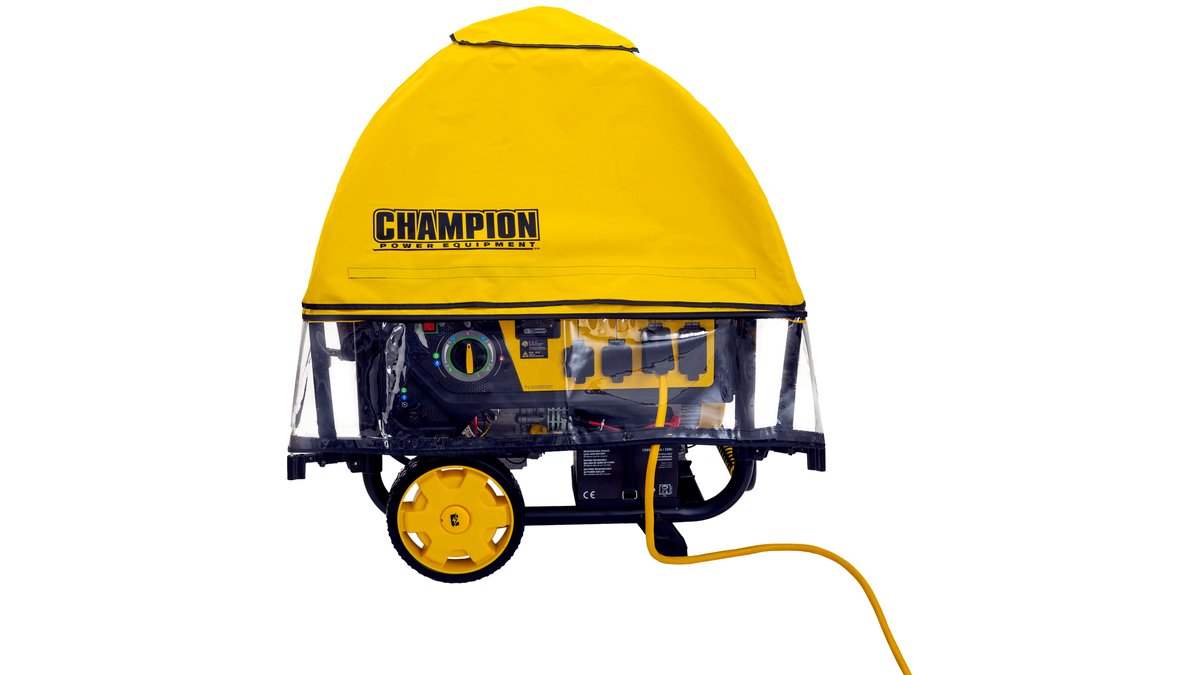
Most portable generators are not rated for direct rain exposure and should be covered or sheltered following the manufacturer’s manual, while still keeping adequate ventilation away from any structure. A generator-specific tent or canopy designed for ventilation, rather than a sealed cover, is the safer option during wet weather.
How long can I expect a tank of fuel to last?
Run time depends heavily on load; the figure on the box is usually based on a partial load like 25%, so running closer to full capacity will shorten that time noticeably. Checking the maker’s run-time chart at different load percentages gives a more realistic estimate for a specific use case.
Is it safe to connect a portable generator directly to my home’s wiring?
Backfeeding a generator into household wiring without a proper transfer switch is a serious safety hazard and can also be illegal in many areas, since it can energize power lines and endanger utility workers. A licensed electrician should install a transfer switch for any generator intended to power home circuits beyond simple extension-cord use.
What maintenance does a portable generator need between uses?
Following the manufacturer’s manual, this typically includes periodic oil changes, air filter checks, and either running the tank dry or using a fuel stabilizer before long-term storage to prevent gasoline degradation. Starting the generator briefly every month or two during storage periods is a common recommendation to keep the engine and carburetor in good working order.