Key takeaways
- Ductless mini-split system: A professionally installed alternative that avoids a large wall sleeve opening, often more efficient and quieter, at a higher installation cost.
- High-capacity 120V portable AC: Avoids new electrical work entirely, though maximum cooling capacity is generally lower than a comparable 220V unit for very large or high-heat-load rooms.
- Central air conditioning extension: For a room that could instead be served by extending existing ductwork, this avoids adding a standalone unit altogether, at a potentially higher cost depending on the home’s layout.
A homeowner replacing an existing 220V through-the-wall unit in the same sleeve needs a model matched to that sleeve’s exact dimensions and electrical rating, while anyone adding a 220V wall air conditioner where none existed before needs to confirm both the wall opening and a dedicated 220-240V circuit are in place before buying any specific unit, since this is not a plug-and-play upgrade from a standard 120V window unit.
As an Amazon Associate, we earn from qualifying purchases made through links on this page.
Why 220V Wall Units Differ From Standard Window Units
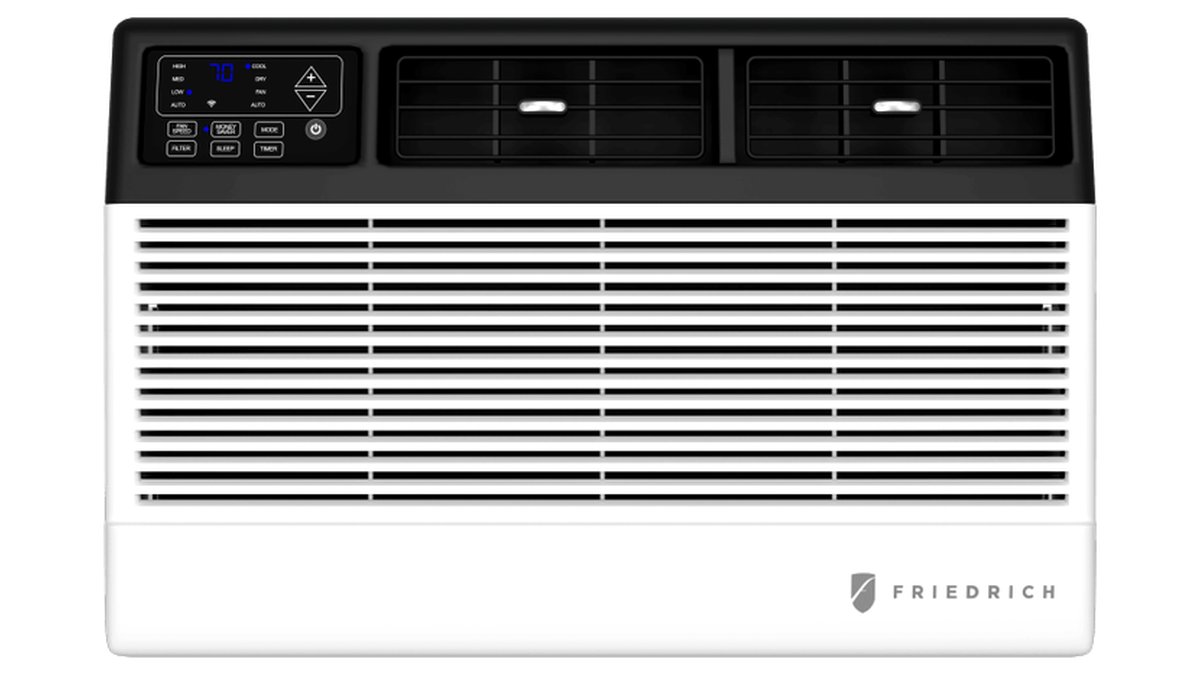
Most portable and window air conditioners sold for casual home use run on standard 120V household circuits, but larger-capacity units, particularly in the higher BTU ranges needed for bigger rooms or rooms with high heat load, are often built for 220-240V circuits instead. A 220V unit draws the same power at roughly half the amperage of an equivalent 120V unit, which lets manufacturers build higher-capacity units without needing an extremely high-amperage, oversized circuit. These units are generally installed in a through-the-wall sleeve rather than a standard window frame, which makes them a more permanent installation than a typical window AC, and they strictly require a properly rated 220-240V outlet and circuit, not just an adapter plugged into a standard outlet.
Checking Your Electrical Setup First
Before comparing specific units, a buyer needs to confirm what electrical service already exists at the installation location. A standard North American home runs 120V to most outlets but also has 240V service available at the electrical panel, typically already wired to specific high-draw appliances like a range or dryer; a dedicated 220-240V circuit and outlet generally needs to be run to the air conditioner’s location if one does not already exist there. This is electrical panel-level work in most cases, and a licensed electrician should assess the panel’s available capacity and install any new circuit and outlet, since overloading a panel or miswiring a 240V circuit carries real fire and shock risk.
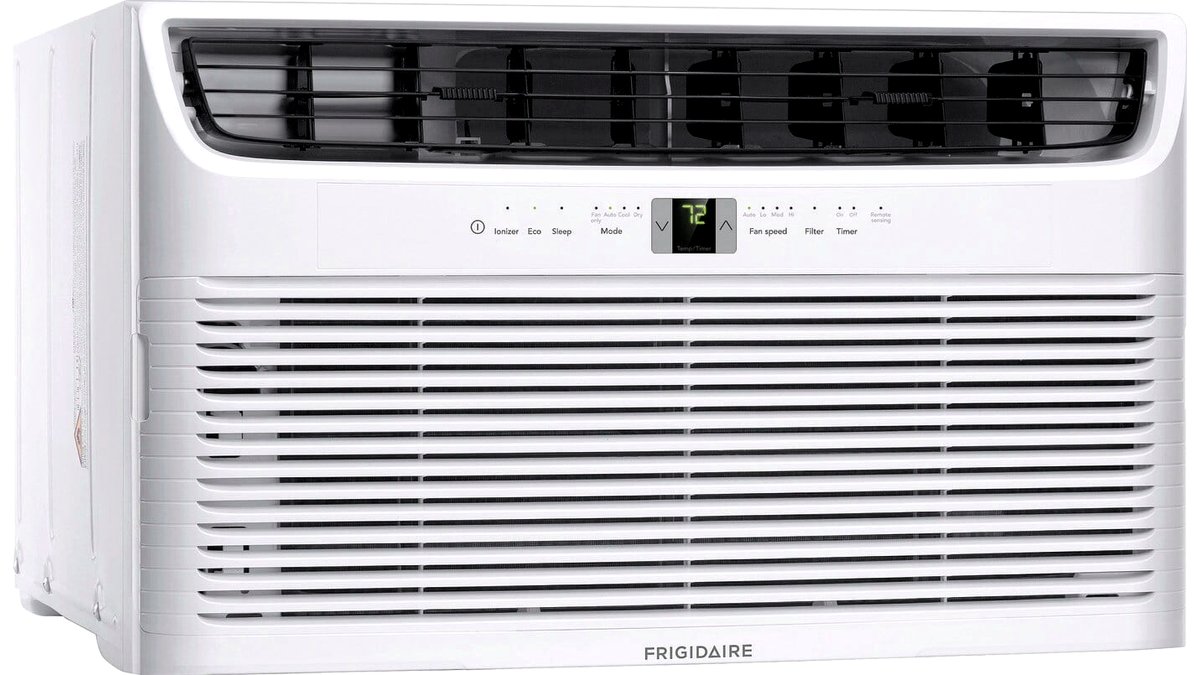
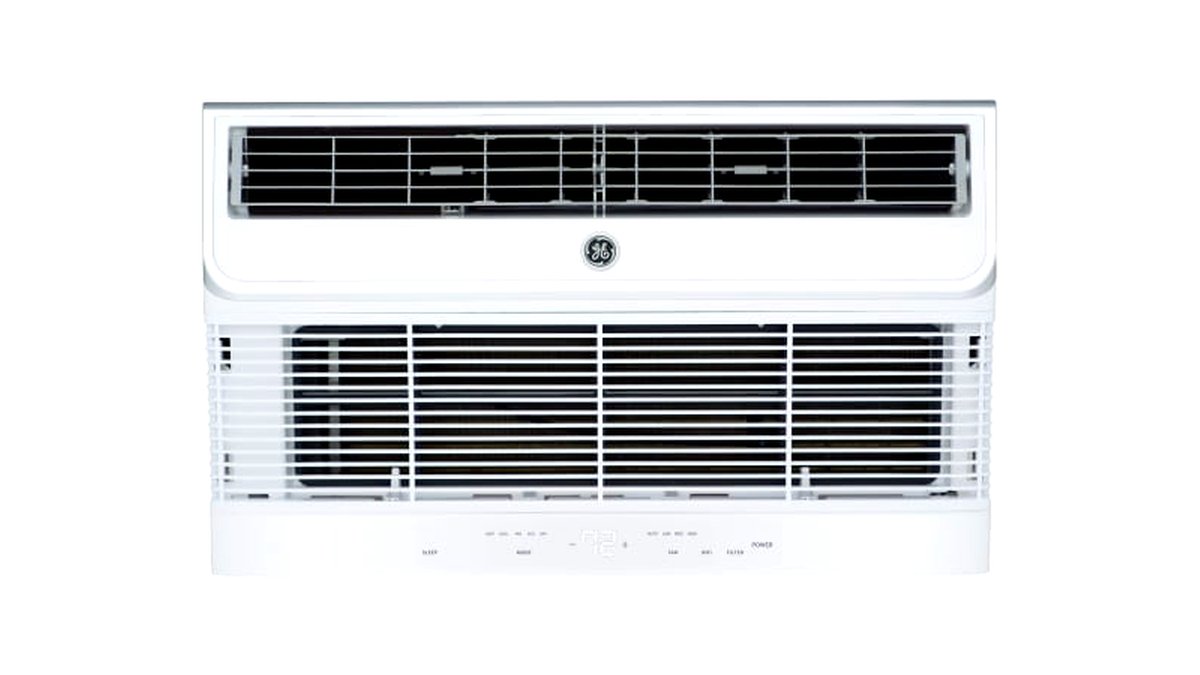
At a Glance: 220V Wall AC Categories
| Category | Best for | Key stated specs | Limits |
|---|---|---|---|
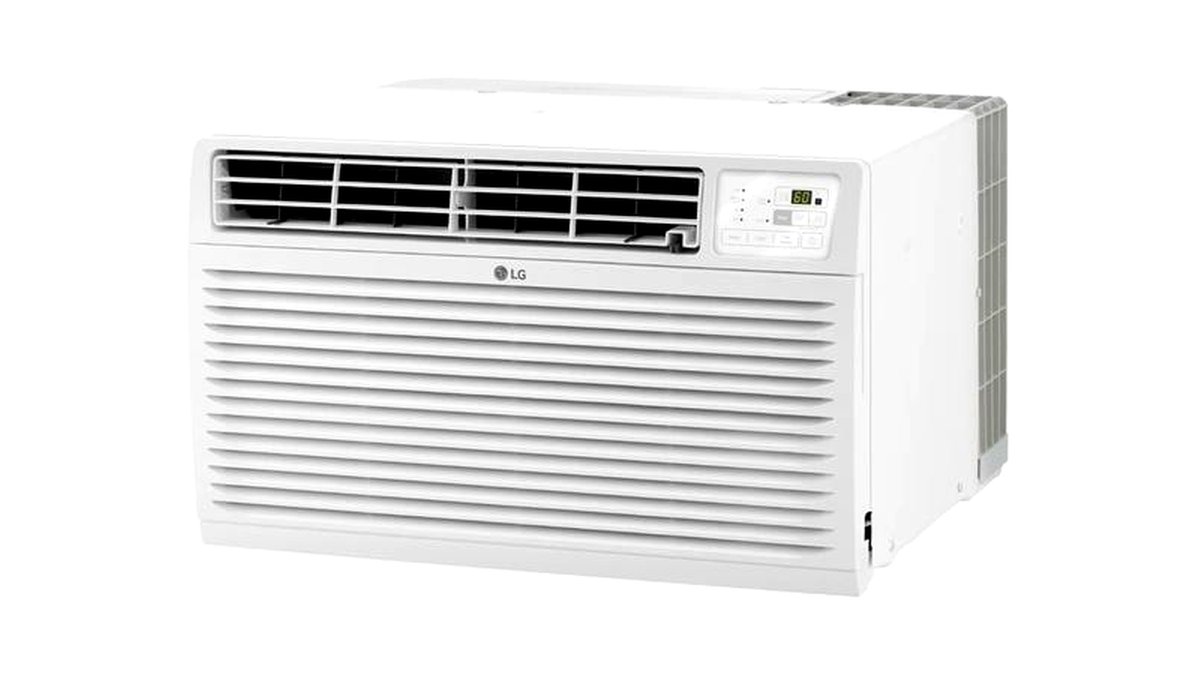
| Standard through-the-wall 220V AC | Replacing an existing unit, or new install in a larger room | Higher BTU capacity than typical 120V units, fits a wall sleeve | Requires existing or newly installed 220-240V circuit and wall sleeve |
| Heat/cool 220V wall unit | Buyers wanting year-round heating and cooling from one unit | Reversible heat-pump or resistance heat plus cooling | Heat-pump heating efficiency drops in very cold outdoor temperatures |
| Commercial-grade 220V wall AC | Larger rooms, offices, or spaces with higher heat load | Higher BTU and airflow capacity, often sturdier build | Higher cost and weight; may need professional installation |
| 120V window/portable AC (for comparison) | Buyers without an existing 240V circuit, standard rooms | Plugs into a standard outlet, simpler installation | Lower maximum capacity than comparable 220V units for large rooms |
Sizing for the Room
As with any air conditioner, BTU capacity needs to match room size, ceiling height, sun exposure, and insulation quality, and manufacturers’ own sizing charts are the best starting reference rather than a generic square-footage rule. Because 220V wall units are often chosen specifically for larger rooms or higher heat-load spaces (sunrooms, additions, spaces with a lot of equipment heat), getting the sizing right matters even more; an undersized unit in a demanding space will run continuously without reaching a comfortable temperature, while an oversized unit short-cycles and can leave the room feeling damp.
Wall Sleeve and Opening Requirements
Through-the-wall units mount in a metal sleeve set into an opening cut through the exterior wall, and sleeve dimensions vary between brands and even between different units from the same brand across product generations. When replacing an existing unit, checking whether the new unit is designed to fit the existing sleeve avoids needing to modify the wall opening; when installing in a new location, the wall opening, structural considerations, and exterior weatherproofing around the sleeve are a job most buyers should have a contractor handle rather than attempting as a simple DIY retrofit. The exterior-facing side of the unit also needs clearance for proper airflow and drainage, following the manufacturer’s installation manual.
Pick-X-If Decision Table
| Situation | Pick this type |
|---|---|
| Replacing an existing 220V wall unit in the same sleeve | A model confirmed to match that sleeve’s exact dimensions |
| Large room or high heat-load space, cooling only needed | Standard or commercial-grade through-the-wall 220V AC sized to the room |
| Want year-round heating and cooling from one unit | Heat/cool 220V wall unit, checking the heating method for the local climate |
| No existing 240V circuit, moderate room size | A 120V window or portable AC instead, avoiding new electrical work |
| New wall opening or sleeve needed | Hire a licensed contractor and electrician before selecting a specific unit |
Installation and Safety Notes
Any new 220-240V circuit, outlet, or panel work should be performed by a licensed electrician and should meet local electrical code, which can also require a permit and inspection depending on the jurisdiction. The unit itself should only be installed following the manufacturer’s manual for sleeve fit, support bracket weight limits, and exterior clearance; these units are heavy, and inadequate support at the wall opening is a real safety hazard, not just a performance issue. Buyers should also confirm the specific unit’s voltage and amperage rating matches the circuit it will be connected to exactly, since connecting a unit to the wrong voltage circuit can damage the unit or create a hazard.
Alternatives Worth Comparing
- Ductless mini-split system: A professionally installed alternative that avoids a large wall sleeve opening, often more efficient and quieter, at a higher installation cost.
- High-capacity 120V portable AC: Avoids new electrical work entirely, though maximum cooling capacity is generally lower than a comparable 220V unit for very large or high-heat-load rooms.
- Central air conditioning extension: For a room that could instead be served by extending existing ductwork, this avoids adding a standalone unit altogether, at a potentially higher cost depending on the home’s layout.
Frequently Asked Questions
Can I plug a 220V air conditioner into a standard household outlet?
No. A 220V unit requires a properly rated 220-240V circuit and outlet; plugging it into a standard 120V outlet, even with an adapter, is unsafe and will not work correctly. A licensed electrician should confirm or install the correct circuit before the unit is connected.
Do I need an electrician to install a 220V wall air conditioner?
Setting up or verifying the 220-240V circuit and outlet should be done by a licensed electrician, and larger wall-opening or sleeve work is often best handled by a qualified contractor as well. Some buyers handle the unit’s physical installation into an existing, correctly sized sleeve themselves once the electrical work is confirmed safe.
How do I know what sleeve size I need?
If replacing an existing unit, measuring the current sleeve and checking the new unit’s listed dimensions against it is the most reliable approach. For a new installation, the manufacturer’s installation manual specifies the required wall opening and sleeve dimensions for that specific model.
Will a 220V wall unit cool a room better than a 120V window unit?
220V units are generally available in higher BTU capacities than typical 120V units, which suits larger rooms or spaces with higher heat load, but a correctly sized 120V unit can adequately cool a smaller or moderately sized room just as well. The right choice depends on room size and heat load, not simply on voltage.
Can a 220V wall unit also heat the room in winter?
Some models include a heat-pump or electric-resistance heating mode in addition to cooling; checking the specific unit’s listed heating method matters for cold climates, since heat-pump heating output drops as outdoor temperature falls toward and below freezing. Electric-resistance heating stays more consistent regardless of outdoor temperature but typically costs more to run.
What maintenance does a 220V wall air conditioner need?
Following the manufacturer’s manual, this generally includes regular filter cleaning or replacement, periodic checking of the condensate drain path, and inspecting the exterior sleeve seal and support bracket for wear. Because these units are heavier and more permanently installed than window units, periodic bracket and seal inspection matters more for long-term safety and performance.