Key takeaways
- A multi-grit foam sanding block kit suits most home bodywork and small panel repairs, a flexible curved or contoured block kit suits fenders and rounded panels where a flat block won’t follow the shape, and a long board-style block suits…
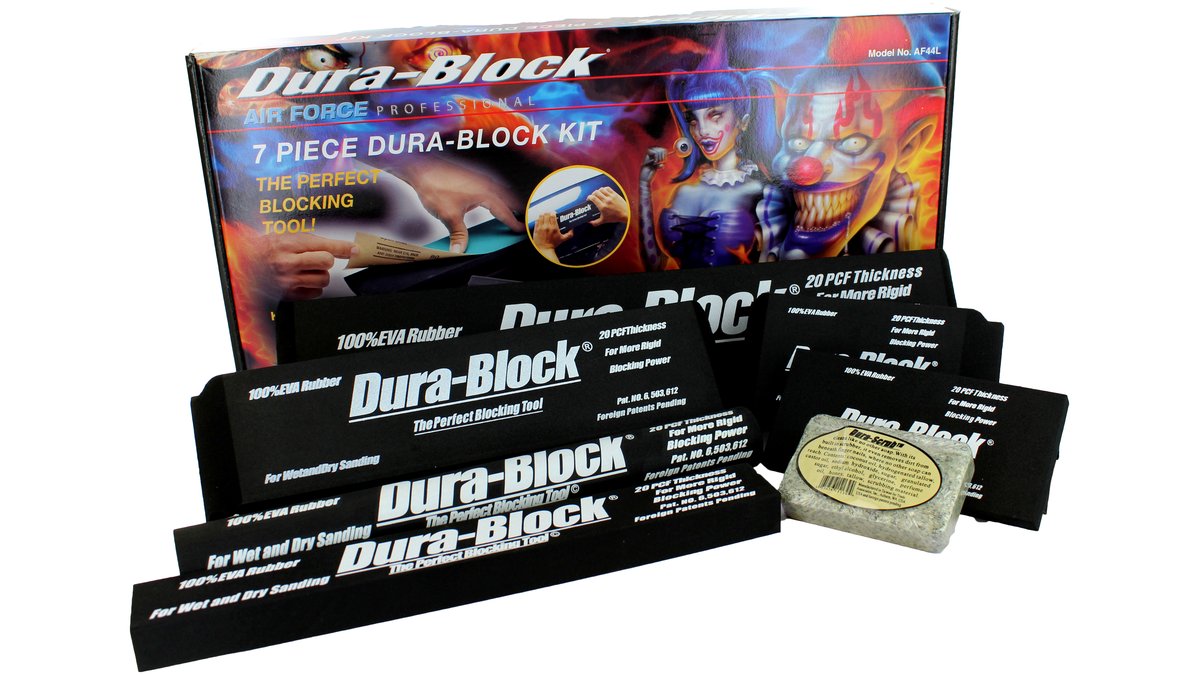
A multi-grit foam sanding block kit suits most home bodywork and small panel repairs, a flexible curved or contoured block kit suits fenders and rounded panels where a flat block won’t follow the shape, and a long board-style block suits large flat panels like doors and hoods where keeping a straight, even surface matters most. The right kit depends more on the panel shapes being worked and the range of grits needed through the filler process than on brand alone.
As an Amazon Associate, we earn from qualifying purchases made through links on this page.
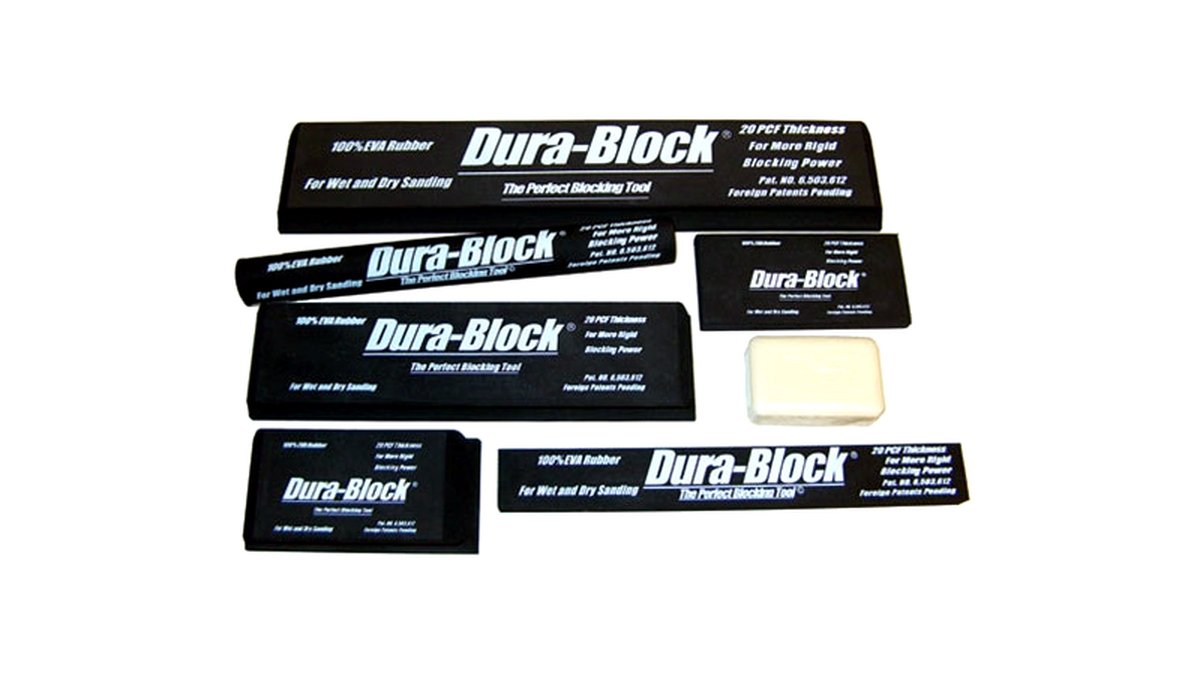
Sanding body filler is a staged process, starting with coarse grit to shape the filler and progressing through finer grits to smooth it before primer. A sanding block kit’s value comes from covering that full grit range with blocks shaped appropriately for the panels being worked, rather than any single standout feature.
What Separates Sanding Block Kit Types
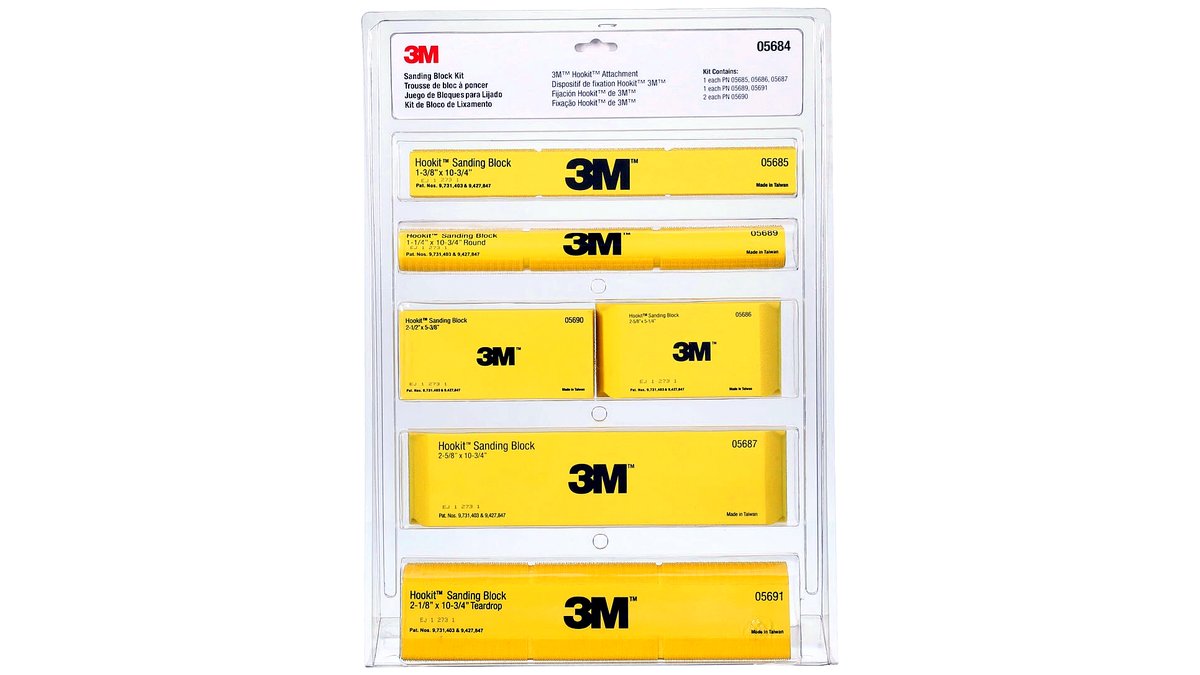
Flat foam or rubber-backed blocks are the standard tool for straight or gently curved panels. The maker lists these as designed to keep sandpaper flat and evenly pressured across the surface, which prevents the wavy, uneven finish that sanding by hand without a block tends to produce. Most multi-piece kits include several flat blocks in different lengths and sometimes different firmness levels, since softer blocks conform slightly more to gentle curves while firmer blocks hold a straighter line on flat panels.
Curved or contoured blocks are shaped specifically for rounded areas like wheel arches, fenders, and other compound curves where a flat block would only contact the high points and leave low spots unsanded. Kits aimed at auto body repair specifically often include at least one curved block alongside flat ones for exactly this reason.
Long board-style sanding tools, sometimes called durablocks or long-board sanders depending on the maker, are built for large, mostly flat panels like hoods, doors, and quarter panels. Their length helps bridge gentle panel waves that a short block would otherwise follow and telegraph into the filler surface, which is a common beginner mistake reviewers mention when discussing uneven filler work.
At a Glance Comparison
| Block Type | Best For | Key Stated Specs | Limits |
|---|---|---|---|
| Flat foam/rubber block (multi-piece kit) | General panel work, most common repairs | Multiple lengths and firmness levels; sized for standard sandpaper sheets or hook-and-loop discs | Doesn’t conform well to tight curves |
| Curved/contoured block | Fenders, wheel arches, rounded panels | Pre-shaped curve; often sold as part of a mixed kit rather than standalone | Shape is fixed, so it only matches curves close to its own radius |
| Long board sander | Hoods, doors, large flat panels | Extended length (commonly 14-20+ inches); straight sanding edge | Too large and rigid for small or tightly curved areas |
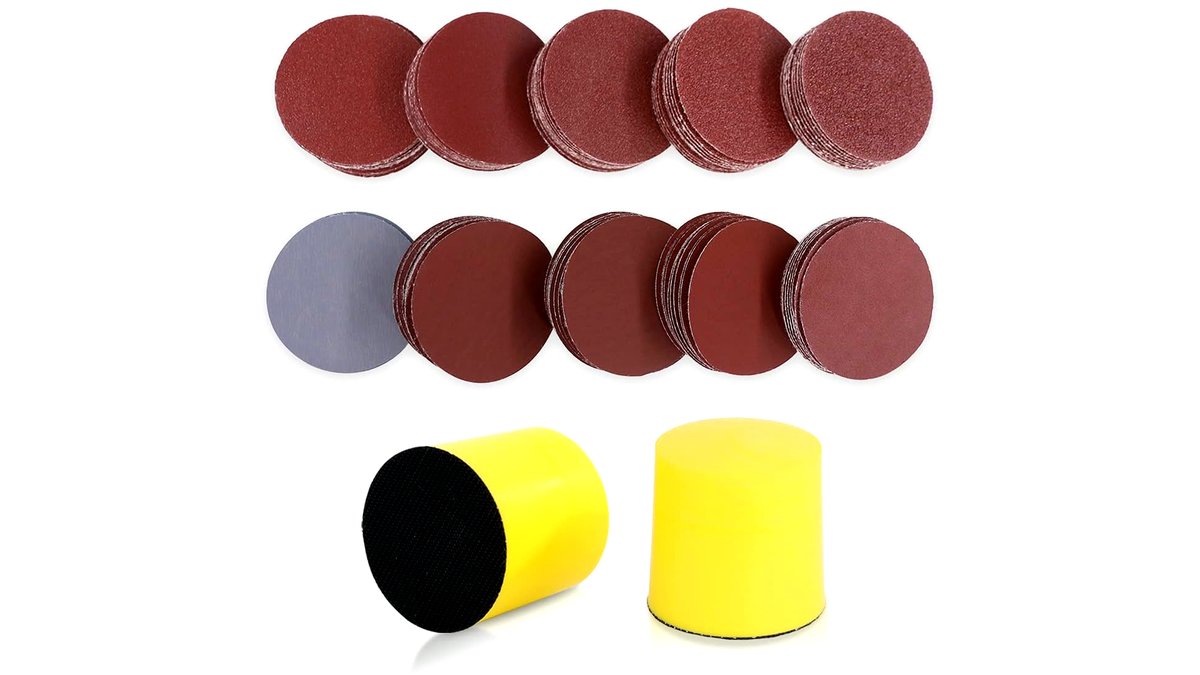
| Grit assortment pack (paired with blocks) | Covering the full shaping-to-finishing process | Range from coarse (around 40-80 grit) through fine (320+ grit) | Needs replacing as sheets wear; not reusable indefinitely |
Fit and Compatibility Notes
Sandpaper attachment method varies between kits: some blocks use hook-and-loop backing for quick disc changes, while others are designed for standard sandpaper sheets cut or folded to fit. Check which attachment type a block uses before buying separate sandpaper, since hook-and-loop discs and flat sheets aren’t interchangeable without an adapter. Grit range is the other compatibility point worth checking against the specific repair stage: coarse grits (roughly 40-80) suit initial filler shaping, mid grits (120-180) suit leveling, and fine grits (320 and up) suit final smoothing before primer, so a kit or separate sandpaper purchase should cover the full range needed rather than just one stage.
Pick This If…
| Situation | Recommended Block Type |
|---|---|
| General panel repair, first body filler kit | Multi-piece flat block kit covering several grits |
| Working on fenders or other rounded panels | Curved/contoured block, used alongside flat blocks |
| Large flat panel like a hood or door | Long board sander |
| Doing full bodywork across multiple panel types | A combination kit with flat, curved, and long-board options |
Technique and Safety Notes
Sanding body filler and the surrounding painted surface generates fine dust, and a properly rated respirator mask (not just a basic dust mask) is standard safety guidance for this kind of work, along with eye protection and adequate ventilation. Working in long, even strokes with a block rather than small circular motions with just a sheet of sandpaper is the technique most guides and experienced body work sources recommend, since it’s what actually produces a flat, even surface rather than a wavy one. Checking the panel periodically with a straightedge or guide coat (a thin contrasting color sprayed over the filler before final sanding) helps catch low or high spots before moving to finer grits, a step several bodywork guides describe as saving significant rework time later.
Care and Longevity of Sanding Blocks
Foam and rubber blocks degrade over time with repeated use, particularly if exposed to solvents, extreme temperatures, or prolonged sun exposure during outdoor work, so storing them in a toolbox or cabinet between uses extends their usable life compared to leaving them in a hot garage or truck bed. Cleaning dust and residue off a block’s surface after each use, rather than letting filler dust build up, helps the hook-and-loop backing (on blocks that use it) maintain good grip on replacement sandpaper discs over time.
Sandpaper itself is the consumable part of this process regardless of block quality, and reviewers generally note that higher-quality abrasive sheets or discs resist clogging with filler dust longer than bargain alternatives, which matters more during the coarser shaping stages where dust generation is heaviest. Rinsing or tapping out a clogged sheet periodically during use, rather than pushing through with a loaded sheet, keeps the cutting action consistent and reduces the number of sheets needed to finish a panel.
A Few Alternatives Worth Comparing
A dedicated longboard sander with a separate hand-held grip is a step up from basic block kits for larger repair jobs, offering more leverage and control over long, flat strokes. Random orbital sanders speed up the coarse shaping stage considerably but don’t replace hand blocks for the final leveling and finishing passes, where hand control and feel matter more than speed. For small spot repairs, a simple sanding sponge is a lower-cost alternative to a full block kit, though it offers less control over keeping a flat, even surface across a larger area.
Frequently Asked Questions
What grit should I start with when sanding body filler?
Most bodywork guides recommend starting in the 40-80 grit range to shape the filler efficiently, then progressing through mid grits before finishing with fine grits before primer. Starting too fine wastes time shaping, while staying too coarse for too long risks removing too much material or leaving visible scratches that show through primer.
Why use a sanding block instead of just a sheet of sandpaper by hand?
A block keeps pressure even across the sandpaper’s full surface, which prevents the wavy, uneven finish that hand-only sanding tends to produce, since fingers naturally apply uneven pressure. This is the main reason blocks are standard practice for filler work rather than an optional accessory.
Do I need a curved block if I’m only working on flat panels?
Not necessarily; a curved block is mainly useful for rounded areas like fenders and wheel arches where a flat block can’t maintain full contact with the surface. For purely flat panel repairs, a flat block or long board sander covers the job without a curved block.
What safety gear is needed for sanding body filler?
A properly rated respirator mask, eye protection, and good ventilation are standard recommendations for this kind of dust-generating work, rather than a basic paper dust mask. Following the specific guidance in the filler product’s safety data sheet is also worth doing, since formulations can vary between manufacturers.
How do I know when a panel is sanded flat enough to move to the next grit?
A straightedge check or a guide coat (a thin, contrasting spray coat sanded off to reveal high and low spots) are the two most commonly recommended methods for checking flatness before moving to a finer grit. Skipping this check is a common reason filler repairs show imperfections after painting that weren’t visible during the sanding stage itself.
Can the same sanding block be used for both filler and paint prep?
Many blocks can be used for both stages since the tool itself is grit-agnostic, but the grit of sandpaper attached should match the specific stage, coarser for filler shaping and progressively finer for paint prep and finishing. Using the correct grit for each stage matters more than which specific block is used.