Key takeaways
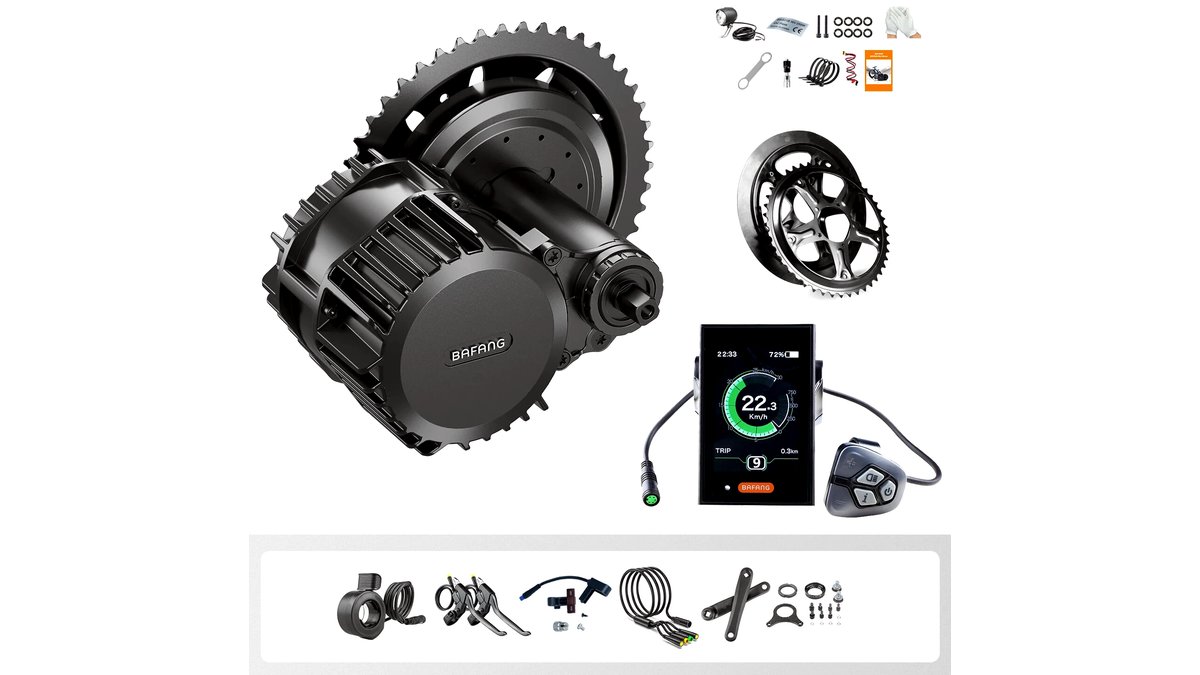
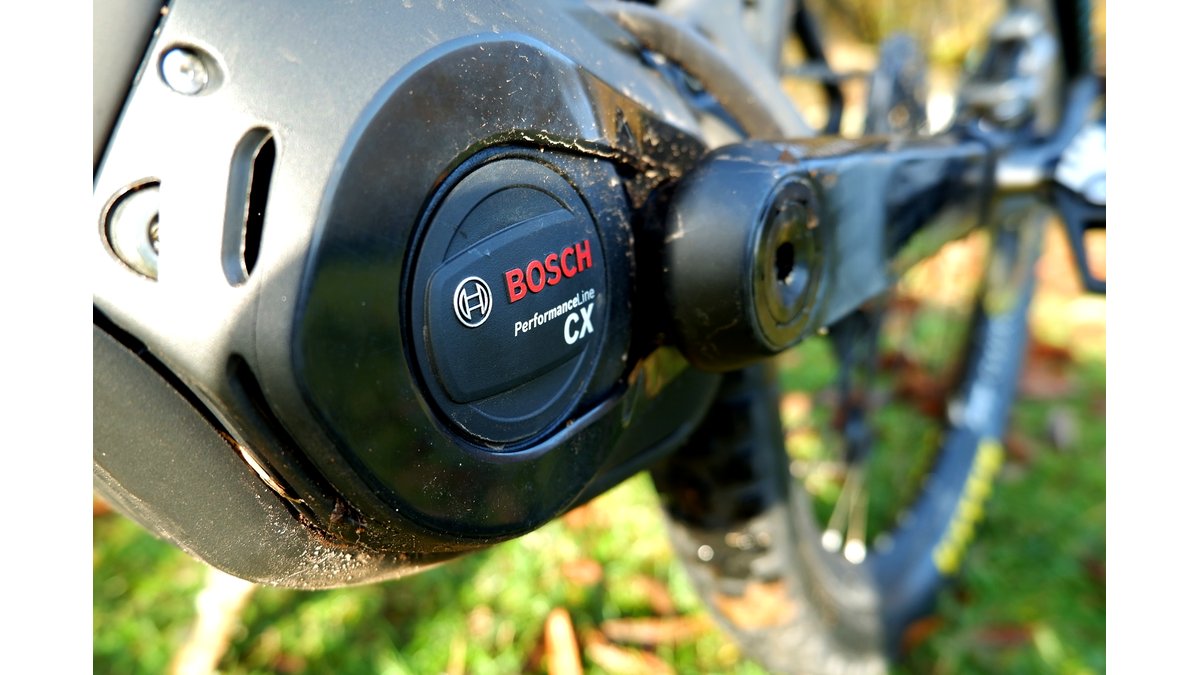
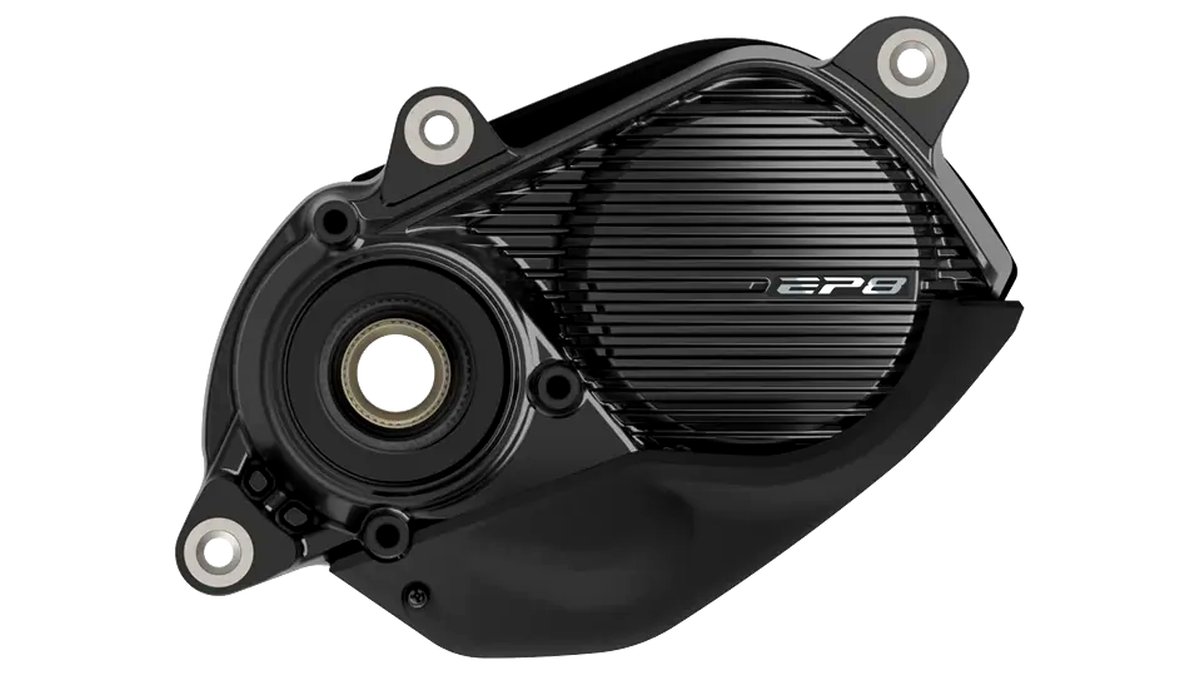
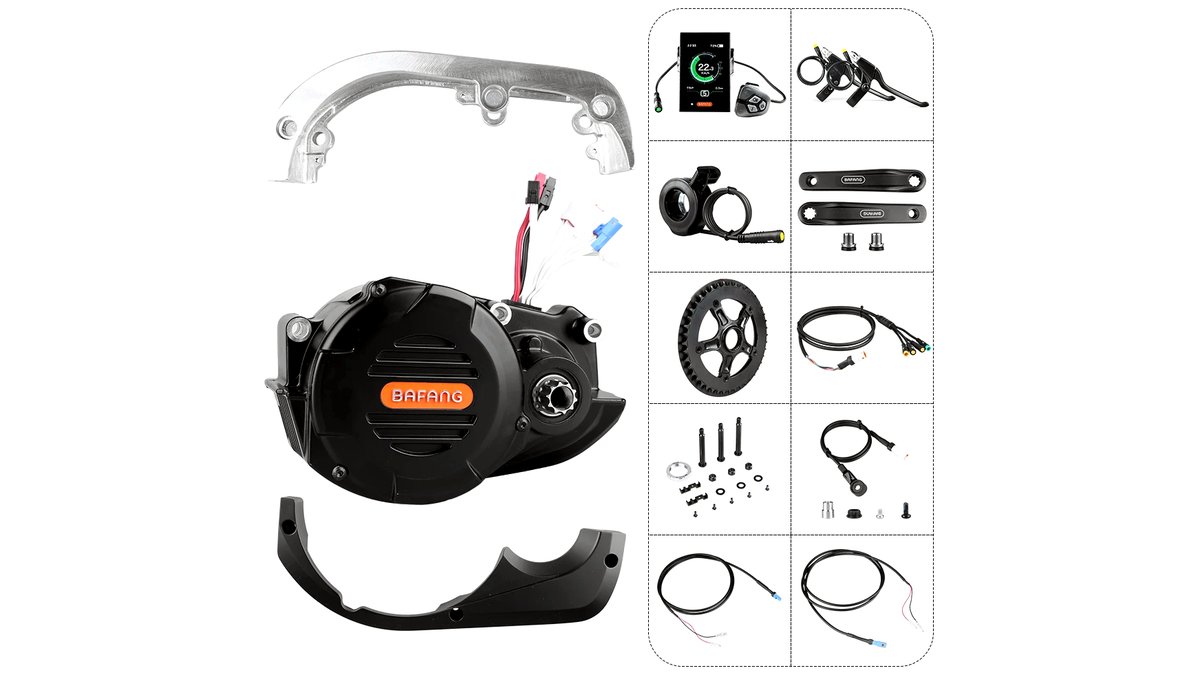
- Mid-drive motors — mounted at the crank/pedals, driving through the bike’s existing gears. This lets the motor use the right gear ratio for the terrain, which is why mid-drives generally deliver better real-world hill-climbing per stated Nm than a hub motor at the same torque rating. Brands like Bosch, Shimano, and Bafang build widely used mid-drive systems found across many ebike brands.
- Hub motors — built into the front or rear wheel, delivering power directly without going through the bike’s gears. Simpler mechanically, generally cheaper, and easier to maintain since there’s no interaction with the drivetrain, but torque delivery doesn’t benefit from gear reduction the way a mid-drive’s does, so a hub motor often needs a higher stated Nm number to match a mid-drive’s real hill-climbing feel.
A mid-drive motor in the 80-100+ Nm torque range suits riders tackling steep hills, heavy cargo, or off-road terrain, a hub motor in a similar torque range suits riders who want simpler maintenance and lower cost on mostly flat-to-moderate terrain, and a higher-voltage system (48V or 52V) paired with either motor type suits riders who want sustained power rather than just a peak-torque number on a spec sheet.
As an Amazon Associate, we earn from qualifying purchases made through links on this page.
Torque, measured in newton-meters (Nm), describes how much twisting force a motor can deliver at the wheel or crank — it’s the number that determines how well an ebike climbs hills, hauls cargo, or launches from a stop, as opposed to top speed, which is more about wattage and gearing. Buyers chasing “high torque” are usually solving for hills, weight (cargo, trailers, larger riders), or off-road terrain, and the right motor type depends on which of those problems you actually have. This guide compares motor placement, torque tiers, and the voltage/controller factors that affect real-world power delivery.
Mid-drive vs. hub motors
- Mid-drive motors — mounted at the crank/pedals, driving through the bike’s existing gears. This lets the motor use the right gear ratio for the terrain, which is why mid-drives generally deliver better real-world hill-climbing per stated Nm than a hub motor at the same torque rating. Brands like Bosch, Shimano, and Bafang build widely used mid-drive systems found across many ebike brands.
- Hub motors — built into the front or rear wheel, delivering power directly without going through the bike’s gears. Simpler mechanically, generally cheaper, and easier to maintain since there’s no interaction with the drivetrain, but torque delivery doesn’t benefit from gear reduction the way a mid-drive’s does, so a hub motor often needs a higher stated Nm number to match a mid-drive’s real hill-climbing feel.
Why torque number alone doesn’t tell the whole story
A motor’s peak torque figure is a ceiling, not a sustained output — how that torque is actually delivered depends on the controller’s programming, the battery’s voltage and discharge capacity, and (for mid-drives) the gear the rider is in. Two motors listing the same peak Nm can feel very different on a steep climb if one sustains that torque longer before the controller backs off to manage heat, which is something makers rarely spell out clearly in a spec sheet and is better judged from independent reviewer test rides. Higher system voltage (48V or 52V vs. 36V) generally supports stronger sustained power delivery alongside a high-torque motor, which is why serious hill-climbing or cargo setups usually pair a high-Nm motor with a higher-voltage battery rather than relying on torque rating alone.
Gear sensors, torque sensors, and how power actually feels
Beyond raw motor specs, how the system decides when and how much to assist changes the ride feel significantly. A torque-sensing pedal-assist system measures how hard you’re pushing on the pedals and scales motor output to match, which most reviewers describe as a more natural, bike-like feel, especially when climbing. A cadence-sensing system instead measures how fast you’re pedaling and applies a more fixed level of assist per gear setting, which can feel more on/off by comparison. Higher-end mid-drive systems from Bosch, Shimano, and Bafang generally use torque sensing, while many budget hub-motor kits use cadence sensing; this is worth checking alongside the Nm figure, since two motors with identical peak torque can feel very different on a climb depending on which sensing method drives the controller. A walk-assist mode, listed on many current mid-drive and hub systems, is also worth checking for anyone who expects to push a loaded cargo bike by hand up a driveway or into a garage.
At a glance
| Motor type/tier | Best for | Key stated specs | Limits |
|---|---|---|---|
| Mid-drive, 80-85 Nm class | Commuters facing moderate hills | Common torque tier across Bosch, Shimano, and Bafang mid-drive lines per their published specs | Costs more than comparable hub-motor bikes |
| Mid-drive, 90-120+ Nm class | Steep hills, loaded cargo bikes, off-road e-mountain bikes | Higher-torque tier offered by the same major mid-drive brands | Higher price; heavier drivetrain wear over time per some reviewers |
| Hub motor, 80-100 Nm class | Flat-to-moderate terrain commuting, lower maintenance | Common on direct-to-consumer ebike and conversion-kit brands | Less efficient hill-climbing feel than a mid-drive at the same Nm |
| Hub motor, 100+ Nm class (often geared hub) | Cargo haulers and trikes wanting hub-motor simplicity with more climbing power | Geared hub designs listed by several cargo-focused ebike brands | Heavier motor unit than a standard hub motor |
| Higher-voltage systems (48V/52V) on either motor type | Riders prioritizing sustained power over peak-spec torque numbers | Higher voltage generally paired with higher-capacity battery packs per most makers’ kit listings | Heavier, pricier battery pack |
Fit and compatibility notes
If buying a motor or conversion kit rather than a complete bike, confirm compatibility with your frame type (mid-drive kits need bottom-bracket clearance matching your bike’s specs; hub motor kits need a matching wheel size and dropout width) before ordering. Battery voltage and the motor’s controller need to be matched as a system — don’t mix a high-voltage battery with a controller or motor not rated for it, since the maker’s stated voltage compatibility exists for a safety reason, not just a performance one. For cargo and trailer use, check the maker’s stated maximum payload or towing figure for the whole bike/motor/battery system, not just the motor’s torque rating, since frame and brake ratings also limit safe loaded weight. Many regions legally cap ebike motor wattage and/or speed for road use (commonly a 750W/20mph class in the US, differing elsewhere), so check local regulations before assuming a higher-powered motor is street-legal without a special registration.
Pick this if…
| Situation | Pick |
|---|---|
| You commute on mostly flat ground with occasional hills | Mid-drive, 80-85 Nm class, or a solid hub motor in the same range |
| You regularly climb steep grades | Mid-drive, 90-120+ Nm class |
| You want low maintenance and simpler mechanics over best-in-class hill climbing | Hub motor, 80-100 Nm class |
| You haul cargo or tow a trailer regularly | Geared hub (100+ Nm) or a cargo-rated mid-drive, matched to a higher-voltage battery |
| You ride off-road or on loose/loaded terrain | Mid-drive e-mountain bike motor, 90+ Nm |
| You’re buying a kit rather than a complete bike | Confirm frame/wheel compatibility and matched voltage before ordering |
Alternatives worth knowing about
- A lower-torque motor with a wider gear range — on a mid-drive, good use of existing bike gearing can partly substitute for raw motor torque on moderate hills, which is why some riders find a well-geared 65-70 Nm mid-drive adequate where they expected to need more.
- Dual-battery or larger-capacity packs — rather than chasing peak torque, some cargo and long-range riders solve hill and range problems with a bigger battery that sustains power longer, paired with a mid-tier torque motor.
- Trikes and cargo-specific frames — for very heavy loads, a purpose-built cargo frame with a lower center of gravity can matter as much as motor torque for stability and control.
Frequently Asked Questions
Is a higher Nm number always better?
Not by itself. Real-world hill-climbing and load-hauling performance depends on motor placement (mid-drive vs. hub), system voltage, and controller tuning, not just the peak torque figure on a spec sheet. Independent reviewer test rides are generally a better guide than comparing Nm numbers alone.
What’s the practical difference between mid-drive and hub motors?
A mid-drive uses the bike’s own gears, generally giving better real-world hill-climbing per stated Nm and a more balanced ride feel. A hub motor is mechanically simpler and often cheaper, with power delivered directly to the wheel regardless of gear.
Does a higher-voltage battery mean more torque?
Not directly — torque is a motor characteristic, but a higher-voltage system (48V or 52V vs. 36V) generally supports stronger sustained power delivery, which complements a high-torque motor rather than replacing the need for one.
Are high-torque ebike motors legal everywhere?
Regulations vary by region and commonly limit motor wattage and/or top assisted speed for road use without special licensing or registration. Check local ebike classification rules before buying a motor or kit intended for road use.
Will a high-torque motor drain my battery faster?
Generally yes under sustained hard use (steep climbs, heavy loads), since delivering more torque draws more current from the battery. Riders who frequently need high torque should also budget for a higher-capacity battery to maintain usable range.
Can I upgrade just the motor on my existing ebike?
Sometimes, with a compatible conversion kit, but the motor, controller, and battery need to be matched as a system, and frame/wheel compatibility (bottom bracket clearance for mid-drives, dropout width for hub motors) must be confirmed first. For many riders, a full kit from one maker is simpler and safer than mixing components from different sources.