Key takeaways
- A homeowner replacing a failed furnace or air handler blower motor needs a direct swap that matches the old motor’s horsepower, frame size, rotation, and mounting style, while an HVAC technician sourcing for multiple jobs is better served by a…
A homeowner replacing a failed furnace or air handler blower motor needs a direct swap that matches the old motor’s horsepower, frame size, rotation, and mounting style, while an HVAC technician sourcing for multiple jobs is better served by a universal or multi-horsepower motor that can be configured on site. A 1 HP blower motor is a mid-to-upper size commonly found in larger residential furnaces and air handlers, so getting the match exactly right matters more than chasing a specific brand name.
As an Amazon Associate, we earn from qualifying purchases made through links on this page.
Why the exact match matters more than the brand
Blower motors are sized and built to very specific mechanical and electrical specifications set by the furnace or air handler manufacturer, and a motor that’s close but not quite matched can run the wrong direction, draw the wrong current, or simply not fit the mounting bracket. HVAC parts suppliers and furnace manufacturers consistently stress checking the horsepower, voltage, speed (RPM), frame diameter, shaft length and diameter, and rotation direction (clockwise or counterclockwise, viewed from the shaft end) against the nameplate on the original motor or the furnace’s own documentation before ordering a replacement. For a 1 HP motor specifically, it’s also worth confirming whether the furnace calls for a single-speed, multi-speed, or variable-speed ECM (electronically commutated motor) design, since these are not interchangeable with each other even at the same horsepower.
PSC versus ECM motors
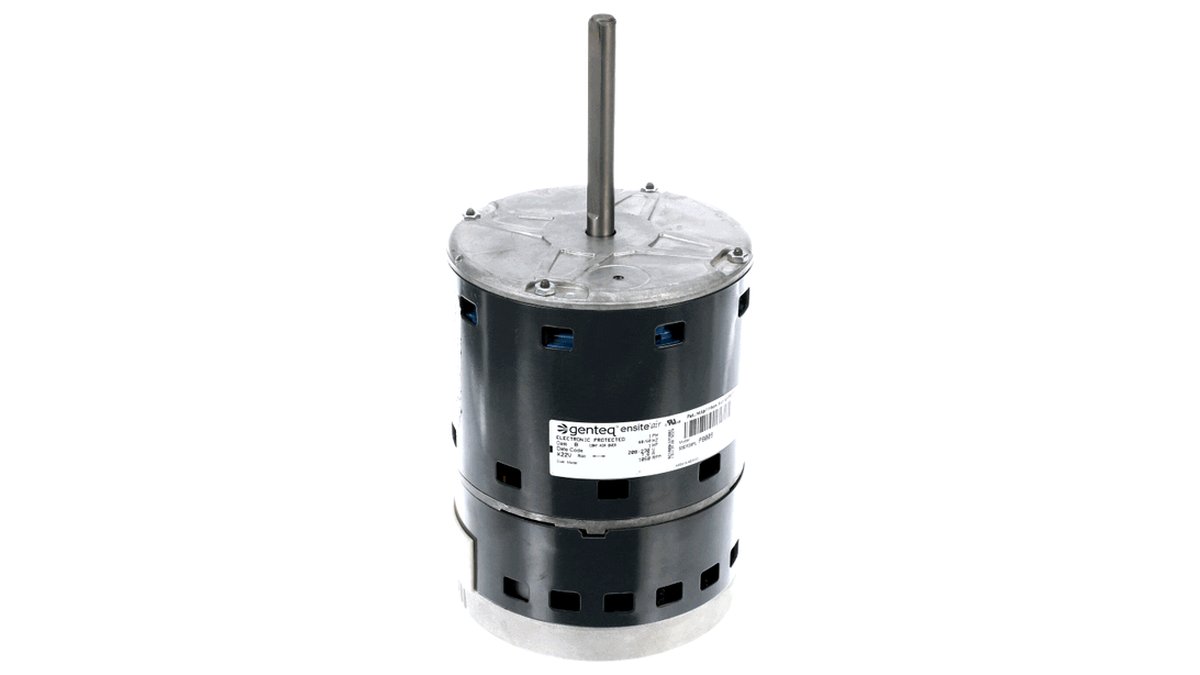
Older and many current furnaces use a PSC (permanently split capacitor) motor, a simpler, less expensive design that runs at one or a few fixed speeds selected by wiring taps, and which needs a separate run capacitor sized to match the motor. Many current higher-efficiency furnaces and air handlers instead use an ECM, a more sophisticated motor with built-in electronics that can modulate speed continuously, which manufacturers generally credit with lower electricity use and quieter, more consistent airflow compared to PSC designs. Replacing a PSC motor with a universal or “multi-horsepower” PSC replacement is common and generally straightforward for a comfortable DIYer, while ECM motors are more specialized, often need to be matched to the specific furnace’s control board, and are more commonly left to a licensed HVAC technician.
Belt-drive versus direct-drive blowers
Direct-drive blower motors connect straight to the blower wheel on the motor shaft, which is the most common setup in residential furnaces and air handlers, including most that use a 1 HP motor. Belt-drive systems, more common in some larger or commercial-adjacent equipment, connect the motor to the blower wheel through a pulley and belt, which allows adjusting blower speed by changing pulley size without replacing the motor itself. Confirming which system the equipment uses before ordering avoids buying a motor that physically cannot connect the way the old one did.
Frame size, shaft, and mounting
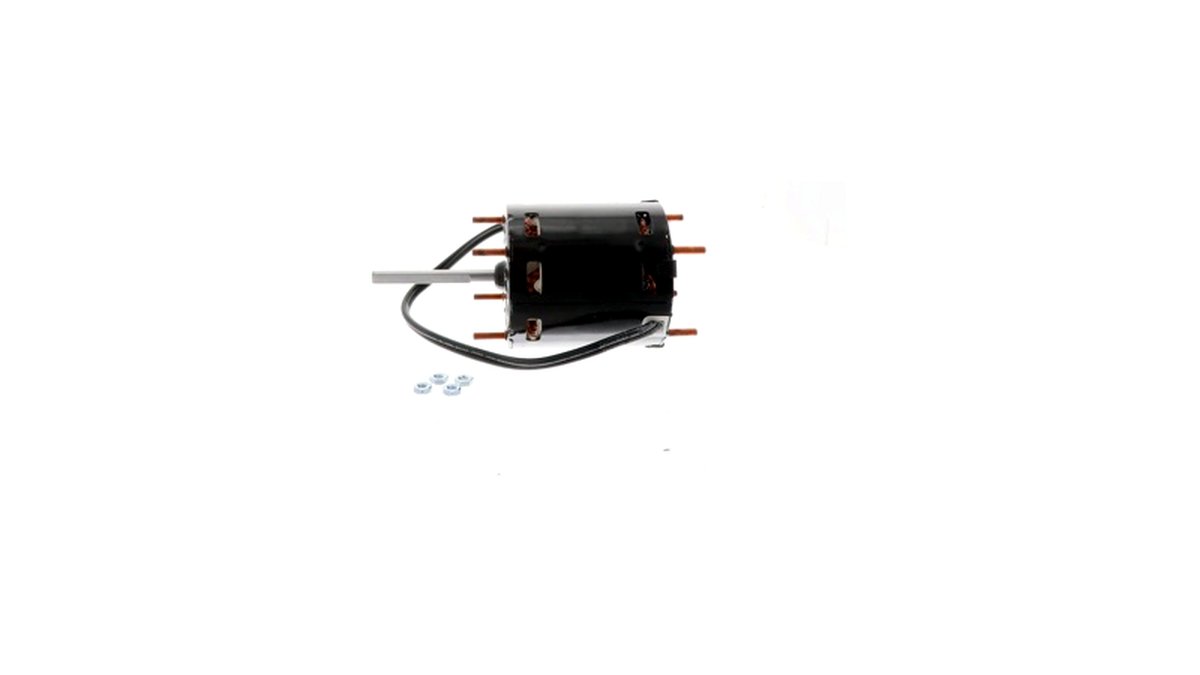
Blower motor frame diameter (commonly stated in inches, such as 48-frame or 5.6-inch-diameter motors in residential use) needs to match the mounting bracket in the furnace or air handler, and shaft length and diameter need to fit the blower wheel’s hub and any set-screw or key configuration it uses. Mounting style also varies: some motors mount via a central shaft-end stud and resilient rubber rings, while others use base-mounted feet with bolts; mixing up these mounting styles is one of the more common installation mistakes reported by HVAC parts retailers and technicians. Universal replacement motors are often sold with included mounting hardware kits specifically to bridge small differences between the original and replacement motor’s mounting style.
Electrical specs and capacitors
Beyond horsepower, confirming voltage (commonly 115V or 208-230V in residential equipment) and full-load amperage draw against the furnace’s rating plate matters for both safe operation and for sizing the circuit and any disconnect switch correctly. PSC motors require a run capacitor rated in microfarads (uF) and voltage that matches the specific motor, and using a mismatched capacitor, according to motor manufacturers, can cause the motor to run hot, run at the wrong speed, or fail prematurely; many replacement motor kits include a matched capacitor, but it’s worth double-checking rather than assuming.
| Motor type | Best for | Key stated traits | Limits |
|---|---|---|---|
| Standard PSC 1 HP direct-drive motor | Direct swap in older or standard-efficiency residential furnaces | Simple fixed-speed design, widely available, generally lower upfront cost | Needs a correctly matched run capacitor; less efficient than ECM designs |
| Universal/multi-horsepower PSC replacement motor | Technicians and DIYers who want one motor to fit several possible specs | Adjustable mounting and speed-tap configuration, broad compatibility | Setup requires correctly configuring speed taps and rotation on install |
| ECM (variable-speed) 1 HP-equivalent motor | Higher-efficiency furnaces and air handlers originally built with ECM motors | Lower stated electricity use, quieter and more consistent airflow | More specialized, often needs matching to the specific control board; typically higher cost |
| Belt-drive 1 HP motor | Equipment using a pulley-and-belt blower system rather than direct-drive | Speed adjustable via pulley sizing independent of motor replacement | Not a physical match for direct-drive equipment; belt and pulley need separate inspection |
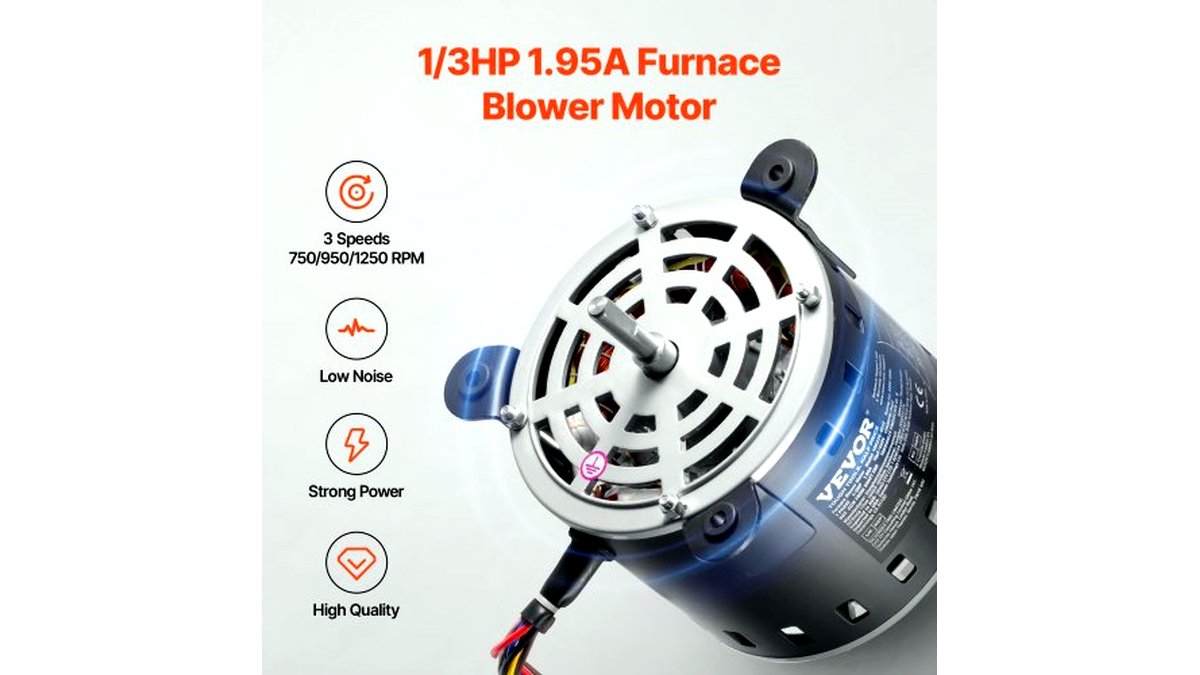
Pick this if…
| If you… | Choose |
|---|---|
| Are replacing a failed PSC motor in an older standard-efficiency furnace | A standard or universal PSC 1 HP direct-drive motor matched to the nameplate specs |
| Aren’t 100% sure of every original spec before ordering | A universal multi-horsepower PSC motor with adjustable mounting hardware |
| Have a higher-efficiency furnace that originally used an ECM motor | An ECM replacement matched to the furnace’s control board, ideally installed by a licensed technician |
| Have a belt-drive blower system | A belt-drive motor, and inspect the belt and pulleys at the same time |
| Are not confident reading electrical nameplates or handling HVAC wiring | A licensed HVAC technician for diagnosis and installation rather than a DIY swap |
Alternatives worth considering
A slightly different horsepower motor is not a safe substitute even if it seems to run; manufacturers size blower motors to the equipment’s specific airflow and static pressure needs, so an off-spec horsepower can cause overheating, poor comfort, or premature motor failure rather than being a true alternative. For a furnace nearing the end of its expected service life, replacing the entire furnace rather than investing in a new blower motor is sometimes the more practical option, particularly if a technician finds other aging components during the same service call. For anyone uncertain about diagnosis, having a licensed HVAC technician confirm the blower motor is actually the failed part, rather than a failed capacitor, control board, or wiring issue, avoids buying a motor that wasn’t the real problem.
Frequently Asked Questions
How do I know if I need a 1 HP motor specifically?
Check the horsepower rating on the original motor’s nameplate or in the furnace manufacturer’s parts documentation; it’s usually stamped directly on the motor or listed in the furnace’s service manual. Guessing based on furnace size alone isn’t reliable, since equipment of similar size can use different motor sizes depending on design and airflow requirements.
Can I replace a PSC motor with an ECM motor to save on electricity?
Generally no, not as a simple swap; ECM motors need compatible control electronics and wiring that most furnaces originally built for PSC motors don’t have, so this typically isn’t a straightforward upgrade. A licensed technician can advise whether the specific furnace model supports this kind of upgrade or whether it would require more extensive modification.
Do I need an electrician or HVAC technician to install a new blower motor?
Many homeowners comfortable with basic electrical work and following the furnace’s wiring diagram can replace a direct-swap PSC motor themselves, but anyone unsure about safely disconnecting power, handling capacitors, or matching wiring should hire a licensed HVAC technician. Furnace electrical work also carries shock and fire risk if done incorrectly, so when in doubt, professional installation is the safer choice.
What happens if I install a motor with the wrong rotation direction?
The blower wheel will turn backward, which significantly reduces airflow and can cause the motor to run hot or trip a safety switch rather than heat or cool the space properly. Rotation direction should be confirmed against the original motor or the furnace’s documentation before powering on the replacement.
Why does my new motor need a specific capacitor?
PSC motors rely on a run capacitor matched in microfarad rating and voltage to start and run correctly; a mismatched capacitor can cause the motor to run at the wrong speed, overheat, or fail early according to motor manufacturers. Many replacement motors are sold with or specify a matched capacitor for exactly this reason.
How long should a 1 HP blower motor last?
Service life varies with run time, maintenance, and electrical conditions in the home, and manufacturers generally don’t publish a precise lifespan figure for residential blower motors. Keeping the motor and surrounding components clean, ensuring proper capacitor condition, and addressing unusual noise or vibration promptly all help avoid premature failure.