Key takeaways
- A 24V off-grid solar system suits cabins, workshops, RVs, and mid-size backup setups that draw more power than a small 12V system can comfortably handle but don’t need the heavier cabling and higher-end components of a 48V whole-home system, while…
A 24V off-grid solar system suits cabins, workshops, RVs, and mid-size backup setups that draw more power than a small 12V system can comfortably handle but don’t need the heavier cabling and higher-end components of a 48V whole-home system, while very small setups (a few lights and a phone charger) are usually better served by 12V and very large, whole-house off-grid installs tend to favor 48V for efficiency at scale. The right system size comes down to matching panel wattage, battery bank capacity, and inverter output to the actual appliances you plan to run.
As an Amazon Associate, we earn from qualifying purchases made through links on this page.
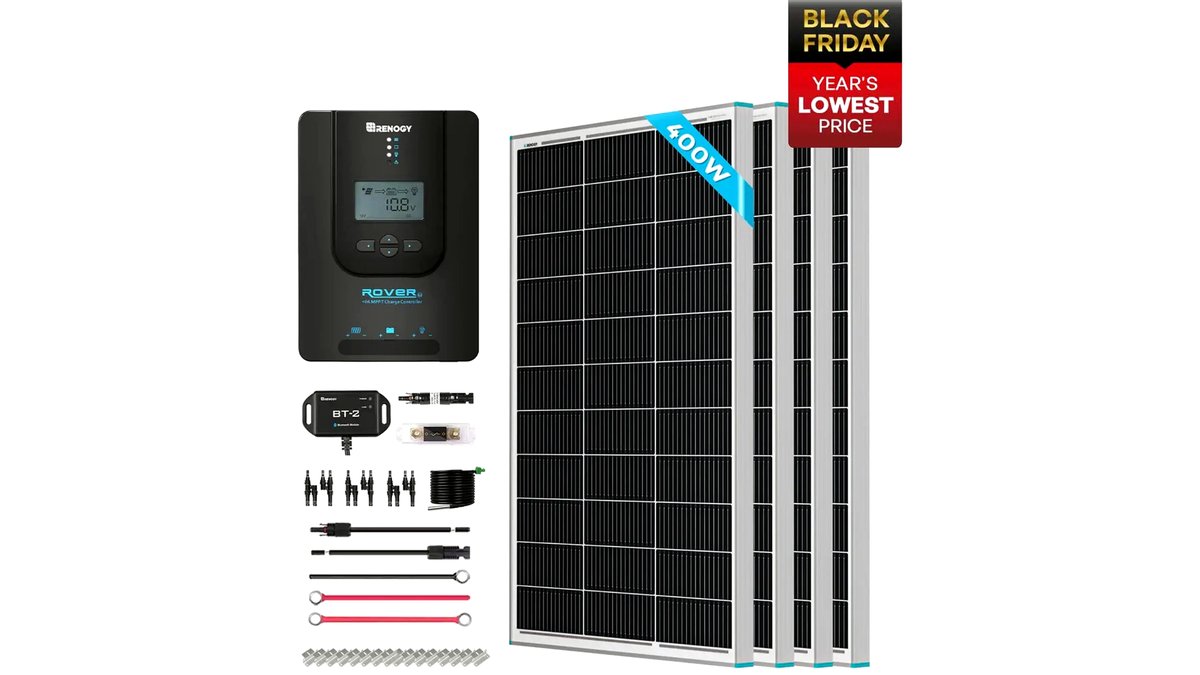
Why 24V sits in the middle
Off-grid solar systems are commonly built around 12V, 24V, or 48V battery banks, and the voltage mainly affects how much current flows through the wiring for a given amount of power. At 24V, the system can carry roughly twice the power of an equivalent 12V setup through the same gauge wire, which is why 24V is a common sweet spot for cabins and larger RVs running a mix of lighting, a refrigerator, a water pump, and occasional power tools or a small AC unit. Pushing well beyond that load level, many installers and system builders shift to 48V, since it further reduces current (and therefore wire size and voltage drop) for whole-home-scale power draws.
Core components and how they work together
A complete 24V off-grid system has four main parts: solar panels wired to produce 24V-nominal output (or a higher voltage run through a charge controller that steps it down), a charge controller that regulates how panel power charges the battery bank, a battery bank built from 24V-nominal batteries or multiple 12V batteries wired in series to reach 24V, and an inverter that converts the battery bank’s DC power into standard AC power for household-style loads. MPPT (maximum power point tracking) charge controllers are generally recommended over older PWM controllers for anything beyond a small system, since MPPT controllers extract more usable power from the panels, particularly in cooler weather or partial shade, according to charge-controller makers and solar installers who cover the efficiency difference regularly.
Battery chemistry: the choice that matters most
Lithium iron phosphate (LiFePO4) batteries have become the standard recommendation for new off-grid builds among solar equipment makers and installers, largely because they offer a much deeper usable capacity (often 80 to 100 percent of rated capacity versus roughly 50 percent for traditional lead-acid or AGM batteries), a longer cycle life measured in thousands of cycles, and lighter weight for the same stored energy. Lead-acid and AGM batteries remain available at a lower upfront cost tier and can still make sense for budget-conscious or occasional-use setups, but most manufacturers and solar retailers now position lithium as the long-term lower-cost option once the shorter lifespan and lower usable capacity of lead-acid are factored into the total cost over several years.
Sizing panels and battery capacity to your actual loads
The most reliable way to size a system is to add up the watt-hours each appliance or device uses per day (wattage multiplied by hours of use), then size the battery bank to cover at least one to two days of that usage without sun, and size the panel array to fully recharge the battery bank during an average day of sunlight for the installation location. Buyers consistently undersize either the panel array or the battery bank by skipping this step and guessing instead, which is the single most common reason off-grid systems disappoint new owners. Location matters too: a site with frequent cloud cover or short winter daylight hours needs meaningfully more panel wattage than the same load would need in a consistently sunny region.
| Component tier | Best for | Key stated specs | Limits |
|---|---|---|---|
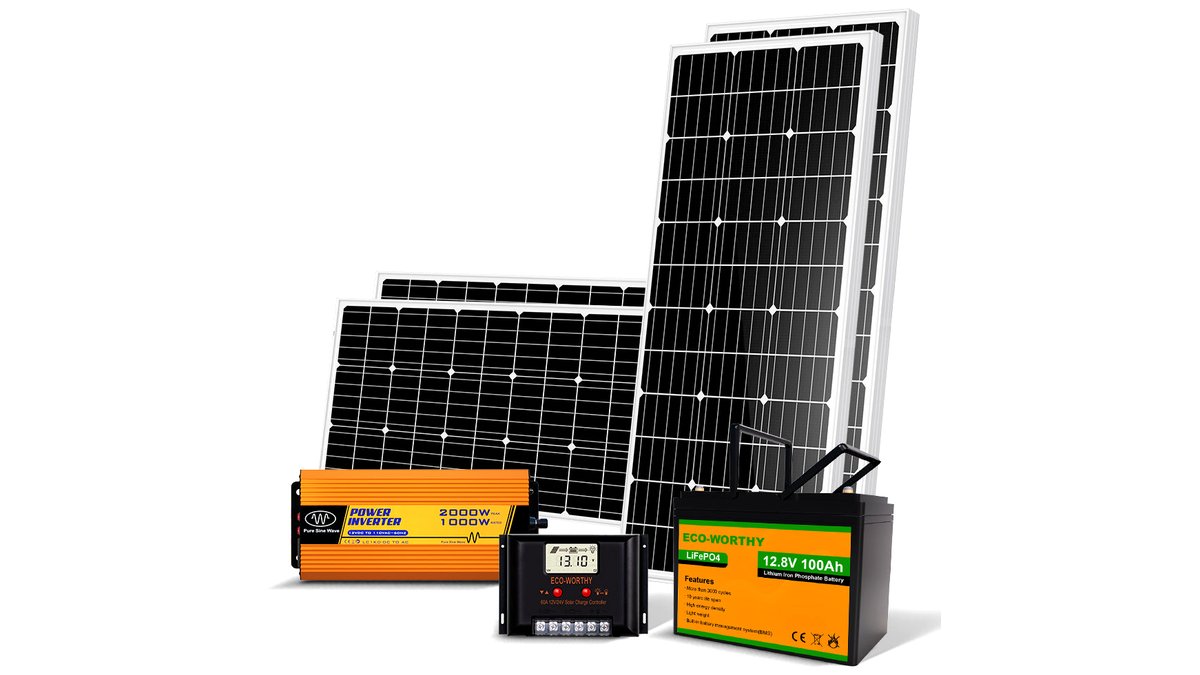
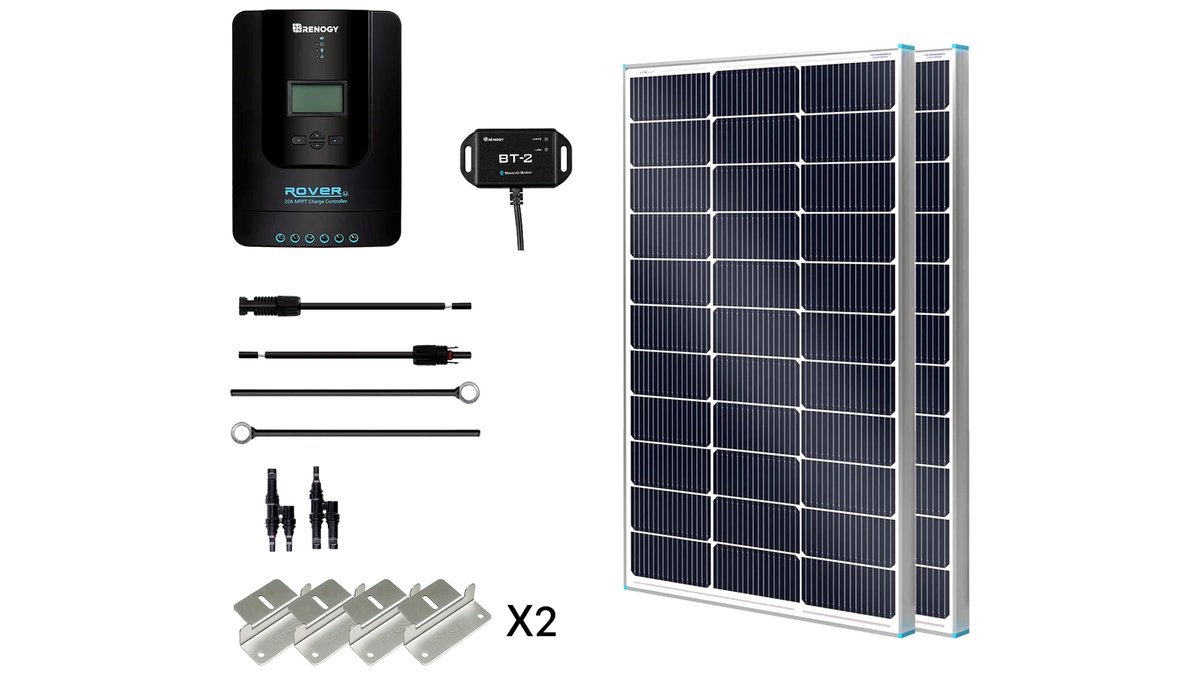
| Entry 24V kit (panels + MPPT controller + lead-acid/AGM bank) | Cabins with basic lighting, small fridge, phone/laptop charging | Lower upfront cost, straightforward wiring | Lower usable battery capacity, shorter battery lifespan |
| Mid-range 24V kit with lithium (LiFePO4) bank | Cabins or RVs running a fridge, water pump, and intermittent power tools | Deeper usable capacity, longer cycle life, lighter battery weight | Higher upfront cost than lead-acid equivalents |
| Expandable modular 24V system | Owners who plan to add panels or batteries later | Charge controller and inverter sized with headroom, stackable battery modules | Costs more upfront than a tightly sized system |
| All-in-one 24V solar generator/power station | Simpler setups wanting minimal wiring and portability | Integrated battery, inverter, and charge controller in one unit | Less flexible to expand than a component-built system |
Pick this if…
| If you… | Choose |
|---|---|
| Run a fridge, lights, and small electronics in a cabin | A mid-range 24V kit with a lithium (LiFePO4) battery bank |
| Have a tight upfront budget and lighter power needs | An entry 24V kit with a lead-acid or AGM bank |
| Expect to add more panels or storage later | A modular, expandable 24V system sized with headroom from the start |
| Want the simplest possible setup with minimal wiring | An all-in-one 24V solar generator/power station |
| Plan to run power tools or a small AC unit regularly | A system sized up from typical cabin-lighting estimates, with a larger inverter and battery bank |
Alternatives worth considering
A 12V system remains the simpler, cheaper entry point for very small loads like a few LED lights, a fan, and device charging, especially in smaller RVs or sheds where wiring runs are short. A 48V system suits larger cabins or off-grid homes with heavier total loads, since it further reduces current and voltage drop over longer wire runs, though components and installation knowledge requirements step up accordingly. A grid-tied system with battery backup, where available, avoids off-grid sizing guesswork entirely by keeping utility power as a fallback, but it isn’t an option for genuinely remote sites without grid access.
Frequently Asked Questions
How many solar panels do I need for a 24V off-grid system?
It depends entirely on your daily power usage and local sunlight hours, which is why adding up appliance watt-hours first is the recommended starting point rather than picking a panel count up front. A rough starting range many cabin owners land on is a few hundred to over a thousand watts of panels, but confirming against your own calculated load is the only reliable method.
Can I mix a 24V system with 12V appliances?
Yes, through a DC-DC step-down converter that drops 24V to 12V for specific devices, which is common in RVs and cabins that have some 12V-native equipment like certain water pumps or lighting. Running 12V loads directly off a 24V bank without a converter will damage the equipment.
Is lithium worth the higher upfront cost over lead-acid?
For most off-grid setups used regularly over several years, yes, according to most solar equipment makers and installers, because lithium’s deeper usable capacity and longer cycle life typically make its effective cost per usable watt-hour lower over the system’s lifetime. Occasional-use or strictly budget-limited setups may still reasonably choose lead-acid or AGM as a starting point.
How long will my battery bank last without sun?
This depends on the battery bank’s total usable capacity versus your daily power draw, which is exactly why sizing for one to two cloudy days of autonomy is a common planning guideline. Running the numbers for your specific appliances, rather than relying on a generic estimate, gives the most reliable answer.
Do I need a professional installer, or can I set this up myself?
Many off-grid kits are designed for capable DIY installation, and manufacturers typically publish wiring diagrams and sizing guides for this reason. That said, anyone unfamiliar with DC electrical wiring, or installing a system with a larger inverter and multiple battery strings, should strongly consider at least a professional review of the wiring before energizing the system, since mistakes with battery wiring carry real fire and shock risk.
What happens if I undersize my panel array?
The battery bank won’t fully recharge on an average day, which leads to a slow depletion over consecutive cloudy days or heavy-use periods and shortens battery lifespan if it happens repeatedly. This is the most common complaint among new off-grid system owners and is best avoided by sizing panels generously against calculated daily loads rather than against a rough guess.