Key takeaways
- Trigger speed. The time between motion detection and the shutter firing; a slow trigger speed (over roughly one second) can miss fast-moving animals passing through the frame.
- Detection range and PIR sensor angle. A wider and longer passive infrared (PIR) detection cone covers more of the trail or field edge, which matters more in open areas than tight wooded funnels.
- Night image quality (IR vs. no-glow). Standard infrared flash is visible as a faint red glow to animals and sometimes people at night; “no-glow” or black infrared LEDs are less visible but can have a shorter effective range.
- Cellular connectivity. Cellular cameras send photos over a mobile network, requiring a data plan and adequate signal at the camera’s location; non-cellular cameras store images only to an SD card for manual retrieval.
- Battery life and power source. Cellular transmission uses considerably more power than SD-only storage, so cellular cameras often need more batteries, a larger battery pack, or a solar panel attachment for long unattended deployment.
- Weatherproofing. An IP-rated, sealed housing matters for cameras left outdoors through rain, snow, and temperature swings for months at a time.
A hunter scouting a single property is usually best served by a cellular trail camera that sends photos to a phone without repeated site visits, while someone monitoring multiple spots on a budget is often better off with a standard SD-card camera checked periodically; the right type depends mainly on how often the site can be visited and whether real-time alerts matter.
As an Amazon Associate, we earn from qualifying purchases made through links on this page.
What Matters in a Trail Camera
Trail cameras all do the same basic job (detect motion or heat and capture an image), but a few specs separate a camera that performs well in the field from one that misses shots or drains batteries fast:
- Trigger speed. The time between motion detection and the shutter firing; a slow trigger speed (over roughly one second) can miss fast-moving animals passing through the frame.
- Detection range and PIR sensor angle. A wider and longer passive infrared (PIR) detection cone covers more of the trail or field edge, which matters more in open areas than tight wooded funnels.
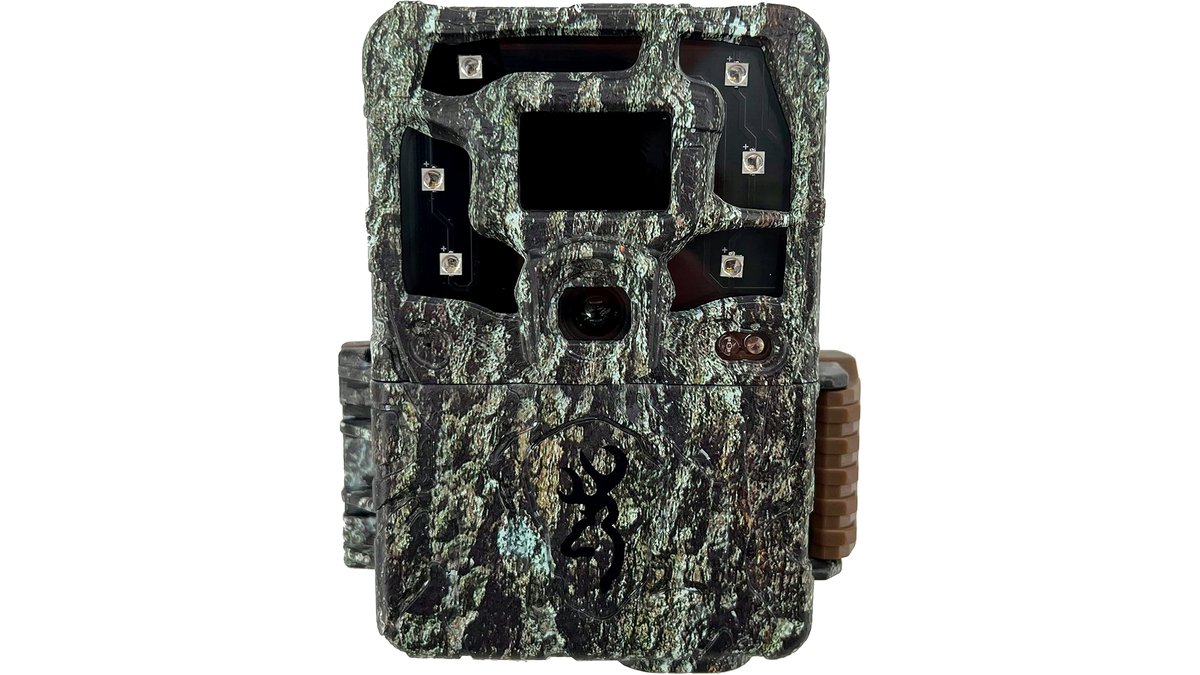
- Night image quality (IR vs. no-glow). Standard infrared flash is visible as a faint red glow to animals and sometimes people at night; “no-glow” or black infrared LEDs are less visible but can have a shorter effective range.
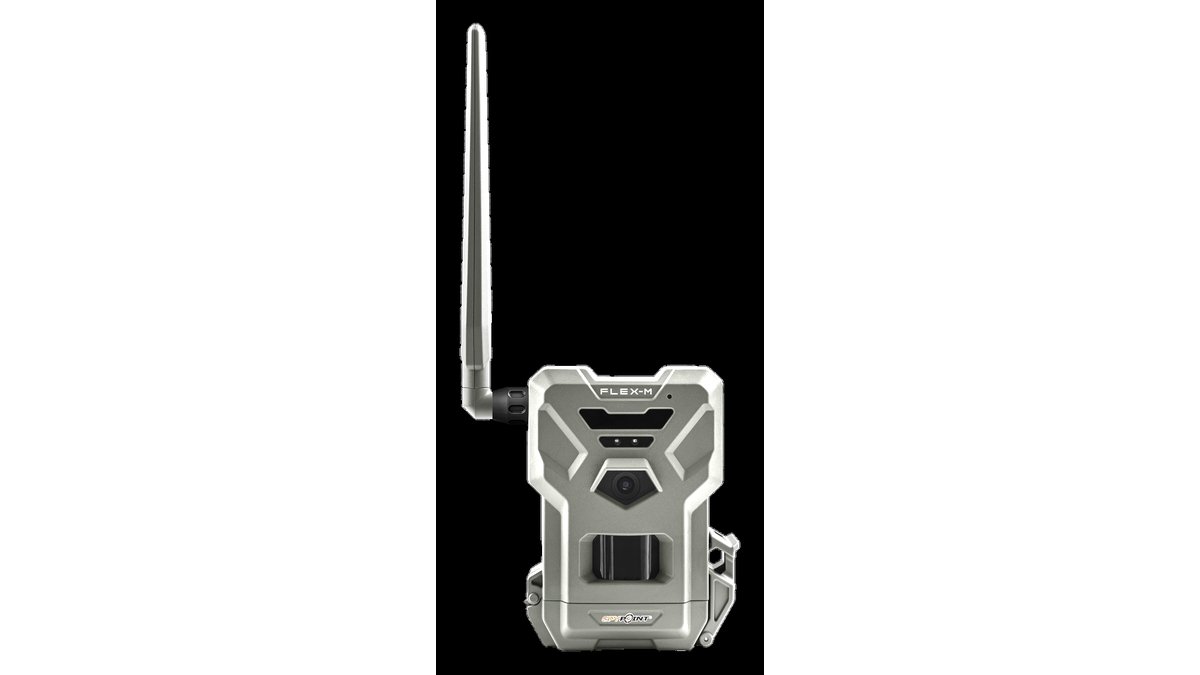
- Cellular connectivity. Cellular cameras send photos over a mobile network, requiring a data plan and adequate signal at the camera’s location; non-cellular cameras store images only to an SD card for manual retrieval.
- Battery life and power source. Cellular transmission uses considerably more power than SD-only storage, so cellular cameras often need more batteries, a larger battery pack, or a solar panel attachment for long unattended deployment.
- Weatherproofing. An IP-rated, sealed housing matters for cameras left outdoors through rain, snow, and temperature swings for months at a time.
Trail Camera Types and Who They Suit
Standard SD-Card (Non-Cellular) Cameras
These store photos and video locally on an SD card, requiring a physical visit to swap the card or view images on the unit’s screen. They suit anyone who can check a site every week or two without disturbing game too much, and who wants to avoid monthly data costs. Entry-level models in this category are generally the most affordable way into trail camera scouting.
Cellular Trail Cameras
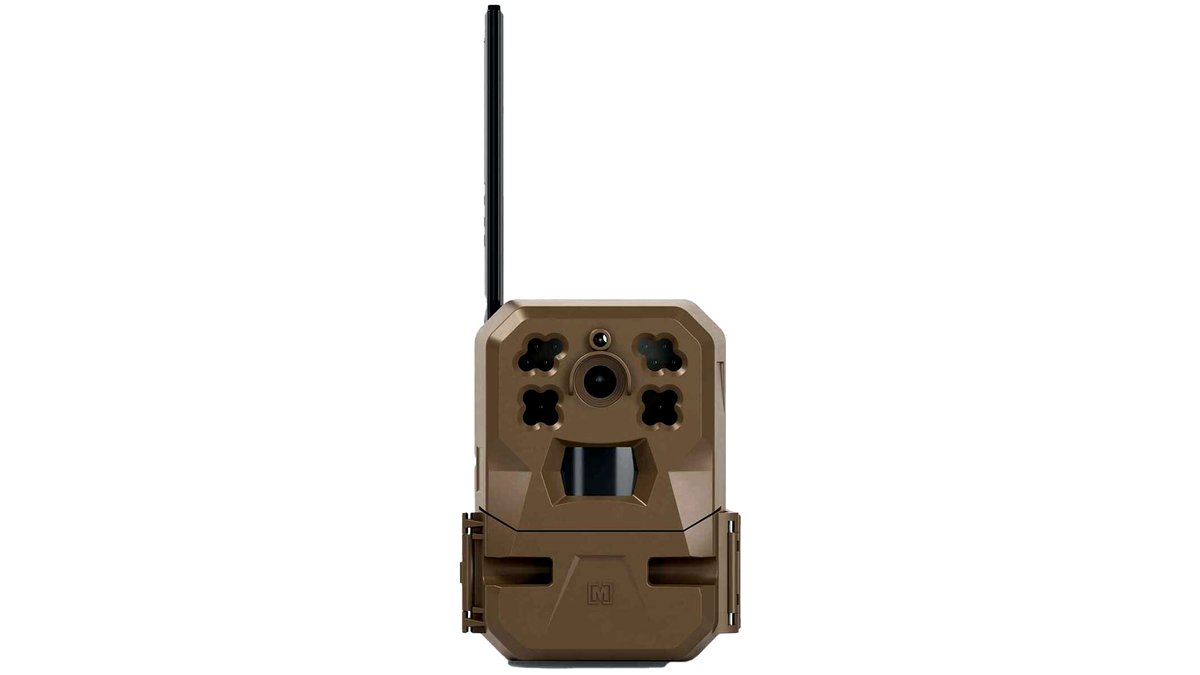
These transmit photos (and sometimes short videos) to a smartphone app or email over a cellular network, cutting down on site visits that can spook game or tip off trespassers to a camera’s location. They require a compatible SIM and a data plan from the camera’s supported carrier or the maker’s own network service, and performance depends heavily on cell signal strength at the site. These suit hunters monitoring a food plot, travel corridor, or any spot checked infrequently, as well as property owners wanting security-style alerts.
No-Glow (Black LED) Infrared Cameras
Using infrared LEDs outside the visible light spectrum to humans and most animals, these reduce the chance of an animal (or person) noticing the camera at night. The tradeoff is often a shorter effective night range compared to standard red-glow infrared, since black LEDs are generally less efficient per unit of power.
High-Trigger-Speed / High-FPS Cameras
Built around faster sensors and processors, these minimize the lag between detection and capture, which matters most on active trails or feeding areas where animals move through the frame quickly. They also often support faster recovery time between shots, useful for capturing multiple animals in a group rather than just the first one.
Solar-Powered or Solar-Compatible Cameras
Either built with an integrated solar panel or designed to accept an add-on panel, these extend deployment time significantly for cellular cameras in particular, since cellular transmission is the biggest drain on battery life. These suit remote or hard-to-reach sites where frequent battery swaps aren’t practical.
Security/Home-Monitoring Trail Cameras
Marketed for property and perimeter security rather than hunting specifically, these often add features like two-way audio, livestreaming, or integration with home security apps. They’re generally built on similar hardware to hunting cellular cameras but tuned for different alert and viewing preferences.
| Type | Best For | Key Stated Specs | Limits |
|---|---|---|---|
| Standard SD-card camera | Frequent site visits, budget scouting | Local SD storage, no data plan needed | No remote viewing; requires physical retrieval |
| Cellular trail camera | Infrequent visits, remote alerts | Cellular transmission, app/email alerts | Needs data plan and adequate signal |
| No-glow infrared | Minimizing detection by game/people | Black LED IR, invisible-glow operation | Often shorter night detection range |
| High-trigger-speed camera | Fast-moving game, active trails | Sub-second trigger speed, quick recovery | Premium models cost more for the speed gain |
| Solar-powered/compatible | Remote sites, cellular cameras | Integrated or add-on solar panel | Needs adequate sun exposure at the site |
| Security/home-monitoring | Property perimeter, non-hunting use | Livestream/two-way audio options | Housing and mounting may suit hunting less |
Placement and Setup Notes
Mounting height and angle affect both image quality and detection accuracy: many makers suggest roughly waist-to-chest height aimed slightly downward for deer-sized game, angled across a trail rather than straight down it to give the PIR sensor more time to detect movement before the animal is close. Facing the camera away from direct sunrise or sunset light reduces washed-out or silhouette images. For cellular cameras, checking a carrier coverage map for the specific site before buying avoids discovering weak signal only after deployment; some cameras support multiple carriers or automatic carrier switching to improve the odds of a usable signal. Local hunting regulations in some areas restrict or require permits for cellular trail camera use during certain seasons, so checking state or regional rules before relying on one for active hunting is worthwhile.
Pick This If…
| Situation | Pick |
|---|---|
| Can check the site regularly, want to avoid data costs | A standard SD-card camera |
| Site is remote or checked only occasionally | A cellular trail camera with good local carrier coverage |
| Concerned about game or people noticing the camera at night | A no-glow (black LED) infrared model |
| Monitoring a busy trail with fast-moving animals | A high-trigger-speed, fast-recovery camera |
| Site is hard to reach for battery changes | A solar-powered or solar-compatible camera |
| Primary goal is property security, not hunting | A security-focused monitoring camera |
Alternatives and Related Gear
- Multi-camera cellular plans/hubs: some makers offer bundled data plans or hub devices covering several cameras under one account, which can reduce per-camera data costs for larger properties.
- External battery packs: rather than buying a solar-specific camera, a large external battery pack compatible with the camera’s power input can extend deployment time similarly.
- Camera lock boxes and cable locks: for sites with theft risk, a steel security box and cable lock protect the camera itself, independent of which camera type is chosen.
Frequently Asked Questions
Do cellular trail cameras need a special SIM card?
Most cellular trail cameras are sold locked to a specific carrier or the maker’s own cellular service, requiring an activation plan through that service rather than an arbitrary SIM from any carrier. Checking which carriers a model supports, and comparing that against actual signal strength at the deployment site, matters more than the camera’s other specs if cellular use is the main reason for buying one.
How long do trail camera batteries typically last?
Battery life varies widely based on temperature, number of triggers per day, and whether the camera is cellular (which drains power faster) or SD-only; makers often state battery life in months under typical conditions, but cold weather and high-traffic sites can shorten that significantly. Using higher-capacity lithium batteries instead of standard alkaline is commonly recommended for cold climates and cellular models.
What’s the difference between trigger speed and recovery time?
Trigger speed is how fast the camera captures an image after detecting motion; recovery time is how long the camera needs before it can detect and capture the next event. A camera can have a fast trigger speed but a slow recovery time, which would still miss a second animal following closely behind the first.
Will a trail camera’s infrared flash scare away animals?
Standard infrared flash emits a faint red glow that some animals may notice, though it is generally considered less disruptive than a visible white flash; no-glow (black LED) infrared aims to reduce this further. Reports on how much any infrared flash affects animal behavior vary, and placement and scent control around the camera site are often considered bigger factors in avoiding detection.
Can trail cameras be used for home security instead of hunting?
Yes, many trail cameras work well for general property monitoring, especially cellular models with real-time alerts, though dedicated security cameras may offer features like continuous recording or smart-home integration that hunting-focused trail cameras don’t prioritize. Weatherproofing and battery-powered operation that make trail cameras good for remote hunting sites also make them a reasonable fit for monitoring driveways, gates, or outbuildings.
Is a higher megapixel count always better image quality?
Not necessarily; many trail cameras advertise interpolated megapixel figures that exceed the sensor’s native resolution, so a camera listing a very high megapixel number doesn’t guarantee sharper real-world images. Reviewers and user-shared sample photos are generally a better indicator of actual image quality than the megapixel spec alone.