Key takeaways
- Golfers chasing more distance off the tee suit a two-piece Callaway ball like the Supersoft or Warbird, while players who want greenside control and workability suit a multi-layer tour-style ball like the Chrome Soft or Chrome Tour; the right model…
Golfers chasing more distance off the tee suit a two-piece Callaway ball like the Supersoft or Warbird, while players who want greenside control and workability suit a multi-layer tour-style ball like the Chrome Soft or Chrome Tour; the right model comes down to swing speed and short-game priorities rather than price alone.
As an Amazon Associate, we earn from qualifying purchases made through links on this page.
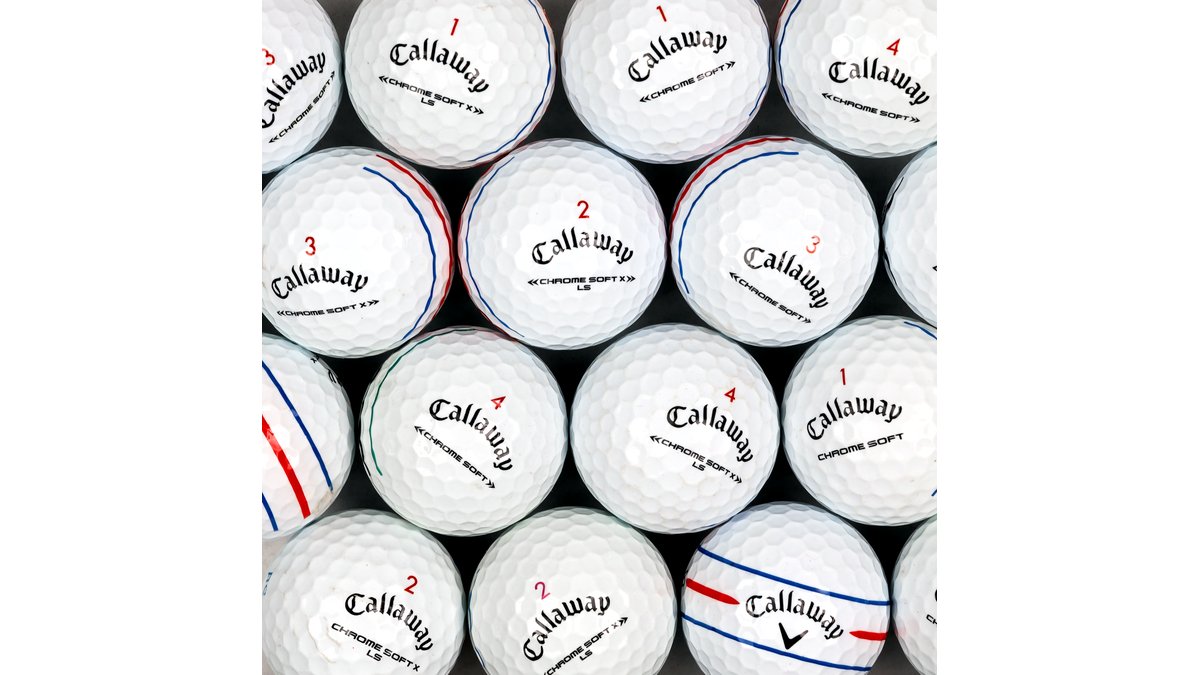
Callaway organizes its ball lineup around swing speed and feel rather than a single flagship model. Faster-swinging, lower-handicap players typically look to the Chrome Soft and Chrome Tour lines for urethane covers, multi-layer cores, and greenside spin. Players who prioritize effortless distance and a softer feel at moderate swing speeds tend toward the Supersoft, which Callaway markets as its longest, softest two-piece ball. The Warbird line is positioned as a value-focused distance ball for golfers who play frequently and want consistent performance without the tour-ball cost. Each line is updated periodically, so the exact construction details (dimple pattern, core compound, cover material) can shift between model years, but the core positioning of each line has stayed consistent.
What Matters Most When Choosing
Swing speed is the single biggest factor. Slower swing speeds generally compress a firmer ball less effectively, so a softer-compression two-piece ball like the Supersoft tends to produce more distance and a more comfortable feel for those players. Faster swing speeds can fully compress a firmer, multi-layer ball, unlocking the added spin control and workability that a urethane-covered tour ball provides. Cover material also matters around the green: urethane covers (used on Chrome Soft and Chrome Tour) grip the clubface more on wedge shots, producing more stopping power, while the ionomer covers common on distance balls like Warbird and Supersoft are more durable and cost-efficient but offer less greenside bite. Budget plays a role too, since tour-level urethane balls cost more per dozen than two-piece distance balls, and golfers who lose several balls per round may prefer the lower cost of replacement that a distance ball offers.
Distance and Feel Picks
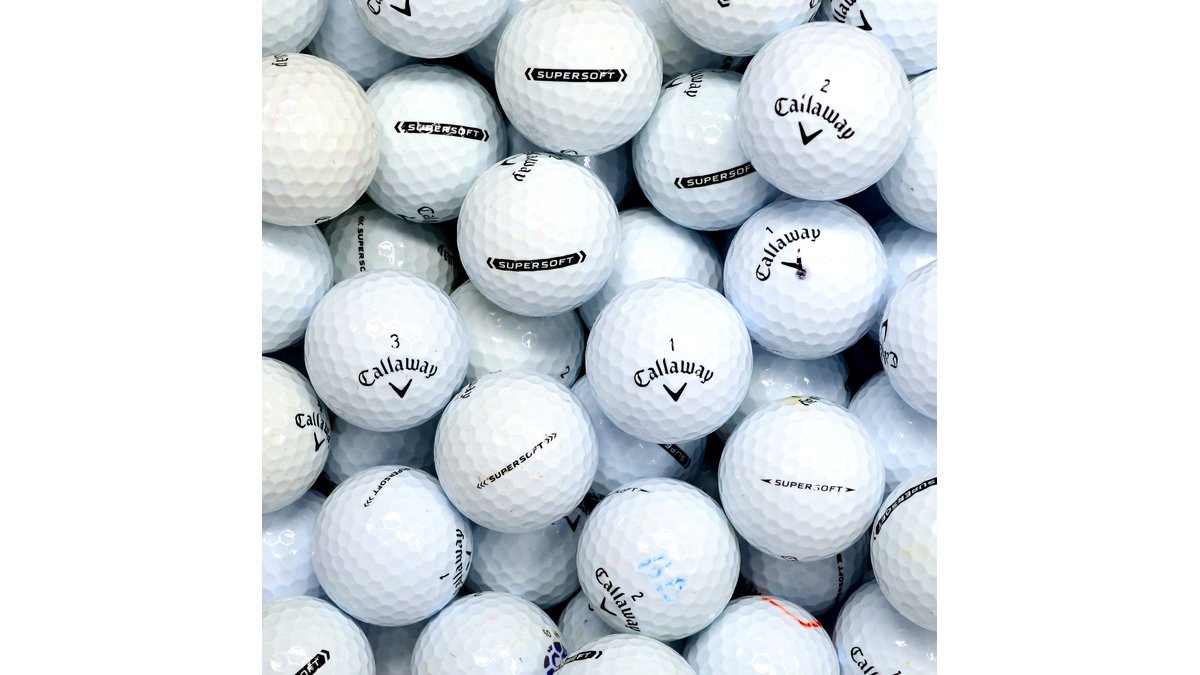
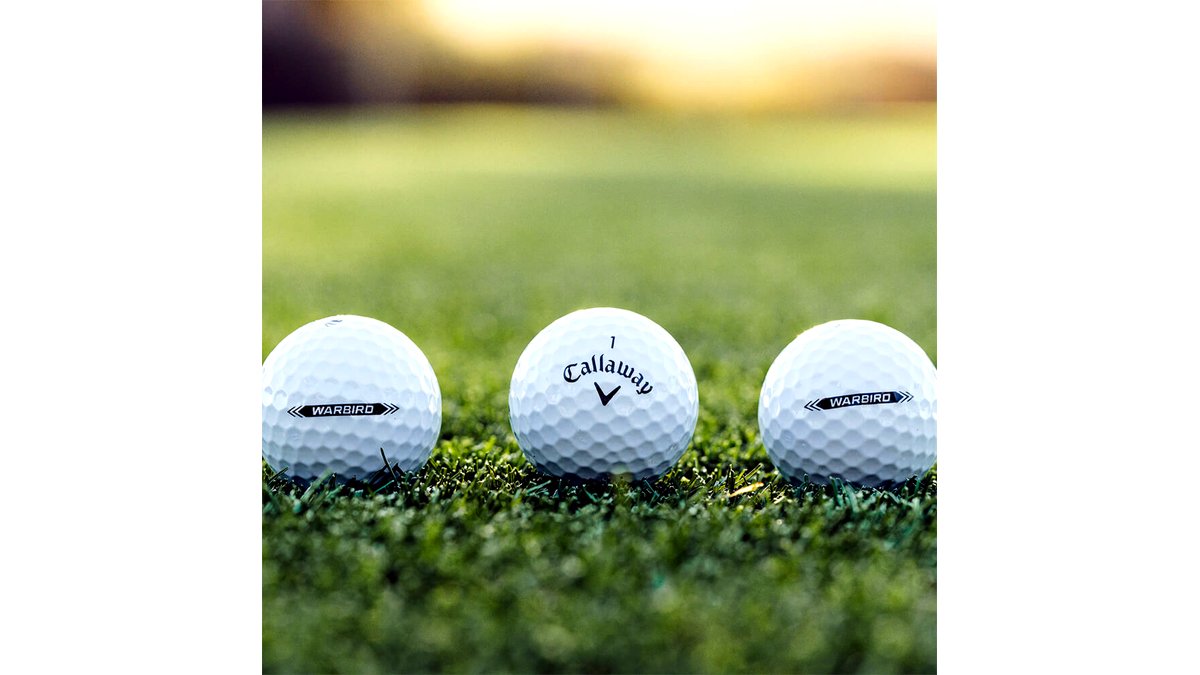
The Supersoft is built around a low-compression core that Callaway states is designed to maximize ball speed for a wide range of swing speeds, paired with a soft ionomer cover for a gentler feel on full swings and putts. It suits beginners, seniors, and moderate-swing-speed players who want forgiveness and distance without needing to shape shots. The Warbird targets a similar audience but leans further into affordability and straightforward distance performance, making it a common choice for golfers who play often and want a reliable, replaceable ball for practice rounds or less forgiving courses where lost balls are common.
Control and Tour-Level Picks
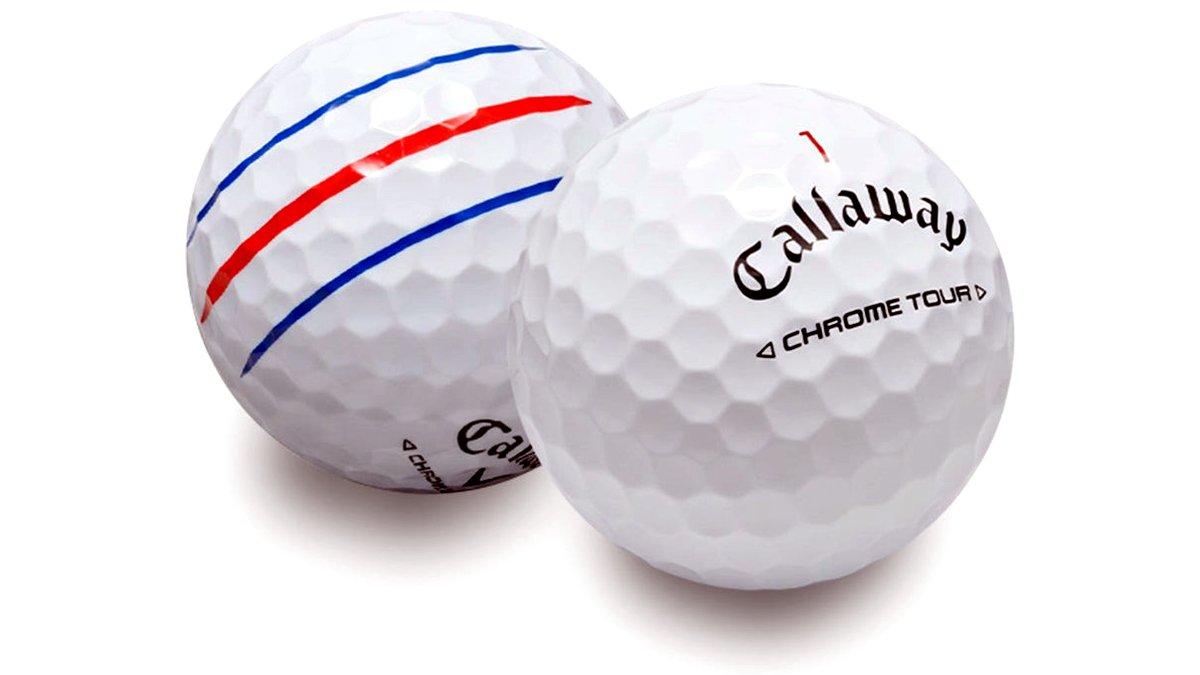
The Chrome Soft uses a multi-layer construction with a urethane cover, and Callaway lists it among its tour-played models, positioning it for golfers who want a blend of distance and short-game spin in one ball. The Chrome Tour sits further toward the pure-control end of the spectrum, aimed at higher-swing-speed players who prioritize wedge spin, trajectory control, and consistent feel on long irons over outright distance. Both tend to cost more per dozen than the two-piece distance balls and are more prone to scuffing against cart paths or rocks, which matters for golfers who play difficult or heavily wooded courses.
At a Glance
| Model Line | Best For | Key Stated Specs | Limits |
|---|---|---|---|
| Supersoft | Moderate swing speeds, beginners, seniors | Low-compression core, soft ionomer cover, two-piece construction | Less greenside spin than urethane balls; less workability for shot-shaping |
| Warbird | Frequent players, budget-focused distance | Two-piece distance construction, durable cover | Limited short-game spin; firmer feel than Supersoft for some players |
| Chrome Soft | Mid-to-low handicappers wanting distance plus spin | Multi-layer core, urethane cover, tour-played line | Higher cost per dozen; cover scuffs more easily than ionomer |
| Chrome Tour | Higher swing speeds, maximum control | Multi-layer construction, urethane cover, tour positioning | Firmer feel at low swing speeds; premium price point |
Pick This If…
| Situation | Recommended Model |
|---|---|
| Beginner or slower swing speed wanting more distance | Supersoft |
| Play frequently, lose balls often, want value | Warbird |
| Mid-handicap player wanting both distance and greenside spin | Chrome Soft |
| Low handicap, fast swing speed, prioritizing wedge control | Chrome Tour |
| Playing a course with heavy water or rough hazards | Warbird or Supersoft, since losing a lower-cost ball stings less |
Fit and Compatibility Notes
Golf balls do not have a sizing or fit question the way equipment does, but matching ball compression to swing speed functions similarly to a fit decision. Players unsure of their swing speed can get a rough read from a club fitting session or a launch monitor session at a retailer, many of which offer this as a free service. Golfers who play in colder conditions should note that ball compression effectively firms up in cold temperatures, which can make a firmer tour ball feel even less forgiving; some golfers switch to a softer compression ball for cold-weather rounds for this reason.
2-3 Alternatives
Golfers who want a true middle ground between the Supersoft and Chrome Soft lines might consider a three-piece ionomer-cover ball from Callaway’s lineup where available, which can offer more spin than a pure two-piece distance ball without the full cost of a urethane tour ball. Golfers prioritizing pure yardage above all else, including off tee shots with drivers, may want to compare against other brands’ low-compression distance balls to see which core compression suits their specific swing. Players who primarily care about short-game feel over driver distance could also consider a dedicated wedge-spin focused ball from a competing maker and compare side by side with the Chrome Tour before committing to a full dozen.
Dimple Pattern and Flight Behavior
Dimple design plays a quieter but still meaningful role in how a Callaway ball flies, since dimple pattern and depth influence drag and lift through the air. Callaway’s design notes for its various lines typically describe the dimple pattern as tuned to each ball’s intended compression and construction, aiming for a particular balance of trajectory height and wind resistance. Golfers who play in consistently windy conditions sometimes notice that a ball designed with a flatter, more penetrating flight holds its line better than a ball tuned for a higher, softer landing, which is one more reason the Warbird and Supersoft can feel different in the air even though both are two-piece distance balls aimed at similar swing speeds.
Spin rate off the driver versus spin rate on wedge shots is another distinction worth understanding before buying a dozen. A ball can be built to minimize driver spin, which helps reduce slice or hook tendencies and generally adds carry distance, while still producing enough spin on shorter, slower-swing wedge shots to stop quickly on the green. Callaway’s multi-layer urethane balls are generally the ones designed to chase this combination most deliberately, using the outer urethane layer specifically for greenside grip while inner layers manage overall ball speed. Two-piece ionomer balls are simpler by design and generally do not attempt to separate driver and wedge spin behavior to the same degree, which is part of why they cost less to produce and to buy.
Frequently Asked Questions
Does a softer golf ball really go farther for slower swings?
For players with slower swing speeds, a lower-compression ball generally compresses more efficiently at impact, which Callaway and independent golf outlets commonly cite as the reason softer balls like the Supersoft can produce more distance for that swing-speed range. Faster swingers often see the opposite effect, since a soft ball can over-compress and lose some efficiency.
What’s the real difference between Chrome Soft and Chrome Tour?
Both use urethane covers and multi-layer cores, but Chrome Tour is positioned by Callaway toward golfers who want maximum control and are willing to trade a bit of ball speed for it, while Chrome Soft blends distance performance with spin for a broader range of skilled players. The practical difference shows up most in wedge spin and feel off the putter face rather than in driver distance.
Do urethane-cover balls wear out faster than ionomer balls?
Urethane covers are softer and grip the clubface more, which also makes them more prone to scuffs and cuts from cart paths, rocks, or tree bark compared to the firmer ionomer covers on distance balls. Many golfers rotate urethane balls out of play sooner than distance balls simply due to visible cosmetic wear, even when performance has not clearly dropped off.
Can I mix ball models within a single round?
There is no rule against it, and some golfers do carry a mix, but consistency in feel and flight tends to help with distance control, especially around the greens where subtle spin differences matter. Most competitive players settle on one model for a full round or season to build a reliable feel for distances.
How does cold weather affect which ball I should play?
Cold air firms up a golf ball’s core, which can make an already-firm tour ball feel stiffer and reduce the forgiving feel some players rely on. Golfers who play in cold climates sometimes switch toward a softer compression model like the Supersoft during winter rounds for this reason.
Is a more expensive Callaway ball always the better choice?
Not necessarily. A tour-level urethane ball offers more short-game control and spin, but a player who doesn’t have the swing or short-game technique to use that spin may not notice the benefit, and may prefer the extra distance and lower replacement cost of a two-piece ball instead. The better choice depends on skill level and priorities, not price alone.