Key takeaways
- Light source. Lamp-based projectors cost less upfront but need periodic bulb replacement, while laser-based models carry a much longer stated light-source lifespan and more consistent brightness over time.
- Brightness (lumens) and room lighting. Dedicated dark rooms can use lower-lumen projectors for excellent contrast, while rooms with windows or ambient light need a higher-lumen model to keep the image visible.
- Resolution. Native 4K and 4K-compatible (pixel-shifting) projectors are now common in the home theater tier, while some budget models remain 1080p; the maker’s specification sheet distinguishes native resolution from upscaled or pixel-shifted output.
- Throw distance. Standard-throw projectors need distance from the screen and typically ceiling or rear-shelf mounting, while ultra-short-throw (UST) models sit just inches from the screen or wall, which suits rooms without space for a long throw distance.
- HDR support and color coverage. Many current home theater projectors list HDR10 or similar support along with a stated color gamut coverage, which affects how accurately the image reproduces modern streaming and disc content.
- Built-in smart platform vs. external streaming device. Some projectors include a built-in smart TV platform, while others expect an external streaming stick or box; buyers should check whether built-in apps meet their needs or whether they plan to add a separate device regardless.
A dedicated dark-room home theater fits best with a high-contrast lamp or laser projector optimized for black-level performance, while a living room with ambient light needs a brighter ultra-short-throw or laser TV-style model built to fight glare. The right pick depends on room lighting, ceiling or shelf mounting options, and how large a screen the room can comfortably fit.
As an Amazon Associate, we earn from qualifying purchases made through links on this page.
What to look for in a home theater projector
- Light source. Lamp-based projectors cost less upfront but need periodic bulb replacement, while laser-based models carry a much longer stated light-source lifespan and more consistent brightness over time.
- Brightness (lumens) and room lighting. Dedicated dark rooms can use lower-lumen projectors for excellent contrast, while rooms with windows or ambient light need a higher-lumen model to keep the image visible.
- Resolution. Native 4K and 4K-compatible (pixel-shifting) projectors are now common in the home theater tier, while some budget models remain 1080p; the maker’s specification sheet distinguishes native resolution from upscaled or pixel-shifted output.
- Throw distance. Standard-throw projectors need distance from the screen and typically ceiling or rear-shelf mounting, while ultra-short-throw (UST) models sit just inches from the screen or wall, which suits rooms without space for a long throw distance.
- HDR support and color coverage. Many current home theater projectors list HDR10 or similar support along with a stated color gamut coverage, which affects how accurately the image reproduces modern streaming and disc content.
- Built-in smart platform vs. external streaming device. Some projectors include a built-in smart TV platform, while others expect an external streaming stick or box; buyers should check whether built-in apps meet their needs or whether they plan to add a separate device regardless.
At a glance
| Projector type | Best for | Key stated specs | Limits |
|---|---|---|---|
| Mid-tier lamp-based home theater projector | Dedicated dark or mostly dark rooms on a moderate budget | 1080p or 4K-compatible, strong contrast ratios | Lamp replacement needed periodically |
| Laser home theater projector (long-throw) | Buyers wanting long-term brightness without bulb changes | Native or pixel-shifted 4K, long stated laser lifespan | Higher upfront price than lamp-based models |
| Ultra-short-throw (UST) laser TV style projector | Living rooms with some ambient light and limited throw space | High lumens, ambient-light-rejecting screen often paired | Best image quality often requires a matched ALR screen |
| Portable/compact 1080p projector | Casual or occasional movie nights, including outdoor use | Lower lumens, smaller size, often built-in battery | Lower brightness and contrast than dedicated home theater models |
Top picks by category
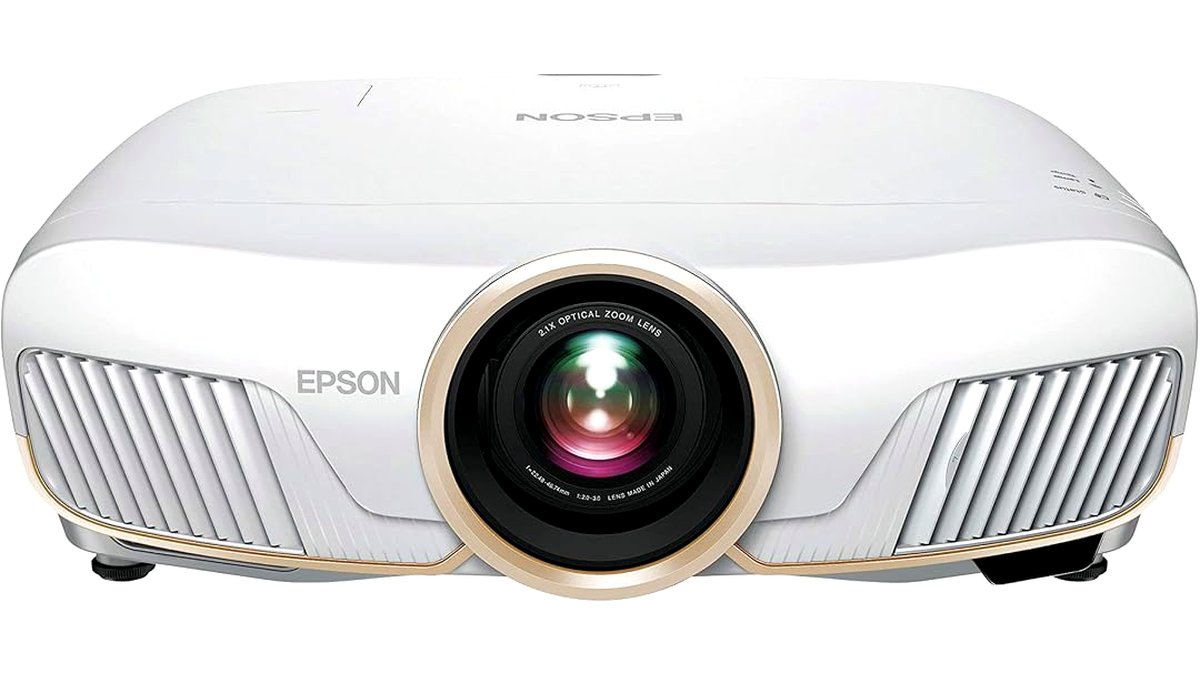
Epson Home Cinema series (lamp and laser models)
Epson’s Home Cinema lineup spans lamp-based 1080p and 4K-compatible models up through laser-powered options, with the maker listing pixel-shifting technology on several models to display 4K-sourced content from a native lower-resolution chip. These suit buyers who want a well-established brand with a wide range of price tiers in the home theater category. The limit on lamp-based models is the need for periodic bulb replacement, which adds an ongoing cost the laser models avoid.
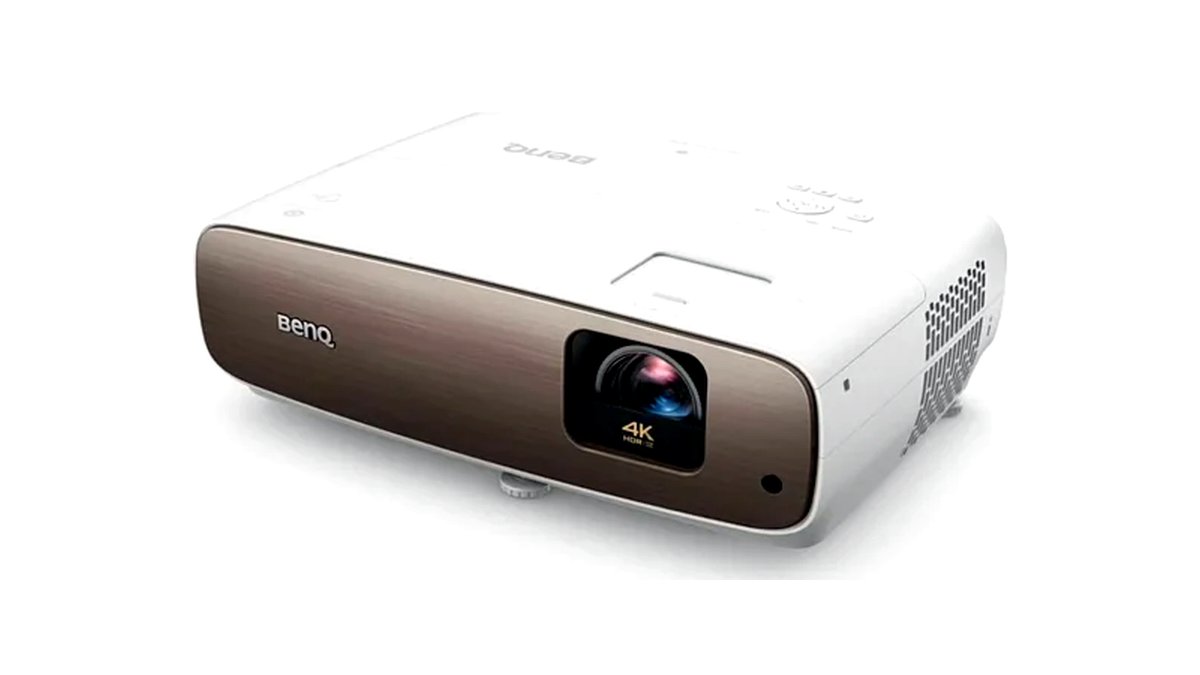
BenQ home theater projector lineup
BenQ’s home theater models are commonly built around cinema-focused color accuracy, with the maker listing specific color space coverage and HDR support on several models aimed at movie-focused buyers. These suit buyers who prioritize color accuracy for film content over maximum brightness. The limit is that top color-accuracy models are generally positioned for darker rooms rather than bright living spaces.
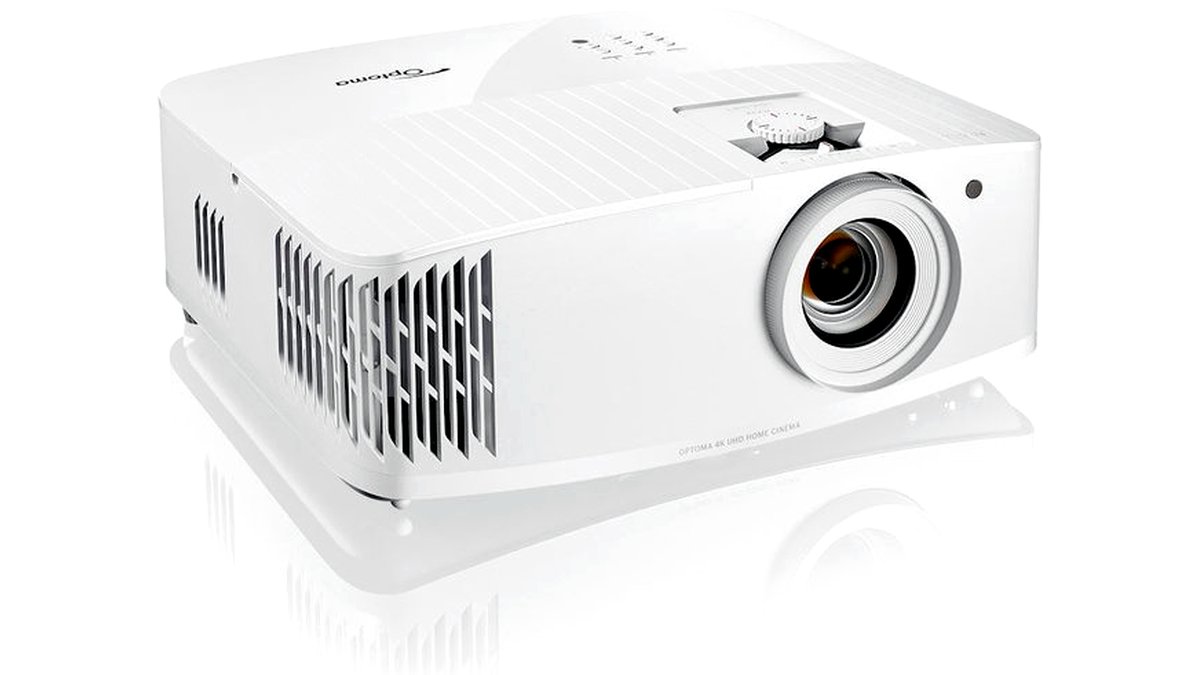
Optoma UHD-series 4K projectors
Optoma’s UHD line includes 4K UHD-compatible projectors the maker positions for home theater use, often citing HDR support and gaming-friendly low input lag on select models. These suit buyers who want a single projector that handles both movie nights and some gaming use. The limit is that, like most projectors in this price tier, best performance still depends on a reasonably darkened room.
Ultra-short-throw laser TV models (Hisense, XGIMI, and similar)
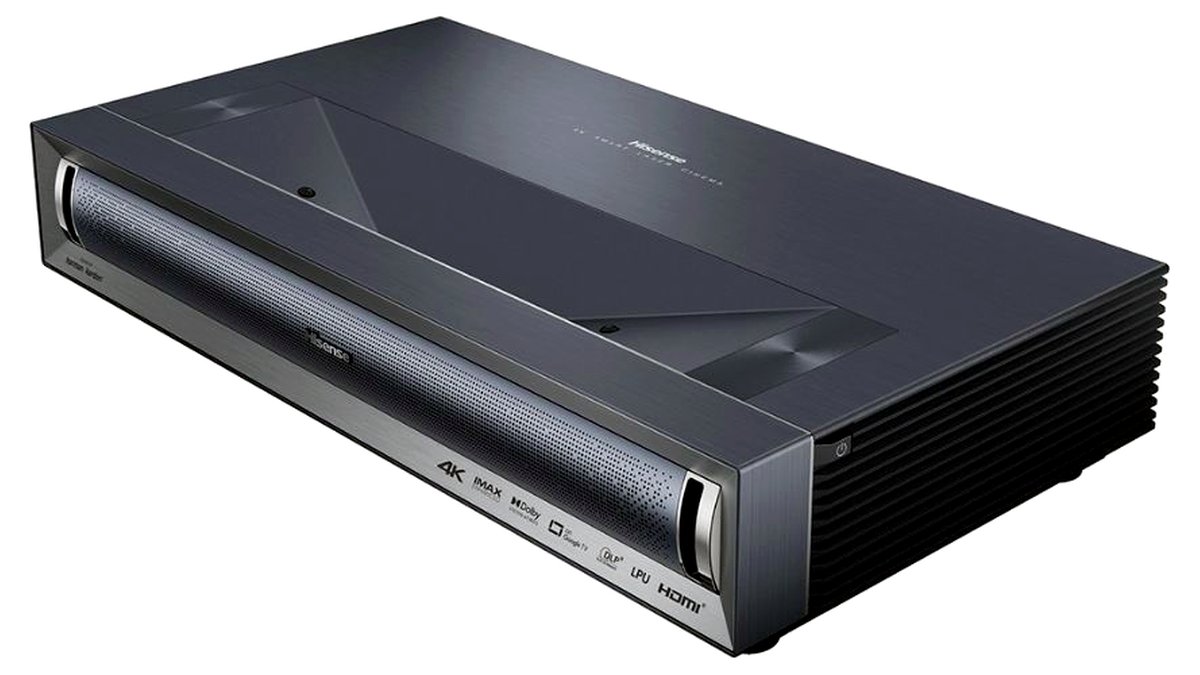
UST laser projectors from brands including Hisense and XGIMI are built to sit on a low cabinet just inches from the wall or screen, with the maker listing high lumen output intended to compete with ambient light better than traditional long-throw projectors. These suit living rooms that cannot accommodate a ceiling mount or long throw distance. The limit is that achieving the best contrast and black levels with a UST model often depends on pairing it with a matched ambient-light-rejecting screen, which is an added cost.
Fit and compatibility notes
Throw distance and screen size are linked: standard long-throw projectors need a specific distance range from the screen to achieve a given image size, which the maker lists in a throw-distance chart, while UST models are designed for a fixed short distance and a matched screen size range. Ceiling-mounted long-throw projectors typically need a mount purchased separately and a route for power and HDMI cabling, which is worth planning before buying if the room is already finished. Rooms with any meaningful ambient light generally need either a higher-lumen projector, blackout curtains, or an ambient-light-rejecting screen to maintain contrast, since no projector fully overcomes strong daylight without one of these adjustments.
Pick one if…
| If you… | Pick this type |
|---|---|
| Have a dedicated dark room and a moderate budget | A mid-tier lamp-based home theater projector |
| Want long-term brightness without bulb maintenance | A laser long-throw home theater projector |
| Have a living room with some ambient light and no space for a long throw | A UST laser TV style projector |
| Want a flexible, movable option for occasional or outdoor movie nights | A portable/compact 1080p projector |
Alternatives worth considering
A large flat-panel TV in the 75-100 inch range can match or exceed a projector’s brightness in a lit room without needing a darkened space, though very large TVs can cost more than a comparable projector at the same screen size. A projector and screen combo kit sold as a matched set simplifies buying for first-time home theater builders who do not want to research screen gain and material separately. Keeping an existing smaller TV and adding a projector only for occasional larger-format movie nights is a reasonable middle path for buyers not ready to commit a room fully to projector-based viewing.
Frequently Asked Questions
Do home theater projectors need a completely dark room?
Dedicated dark rooms generally produce the best contrast and color from most home theater projectors, but higher-lumen models and ambient-light-rejecting screens can make projectors workable in rooms with some controlled light. Direct sunlight or bright uncontrolled ambient light remains difficult for any projector to overcome fully.
What is the difference between native 4K and 4K-compatible projectors?
Native 4K projectors use a chip with the full 4K pixel count, while 4K-compatible or pixel-shifting projectors use a lower native resolution chip combined with rapid pixel-shifting techniques to approximate 4K detail. The maker’s specification sheet typically distinguishes these clearly, and buyers focused on maximum detail should check which type a specific model uses.
How long do projector lamps and lasers last?
Lamp-based projectors typically need bulb replacement after a stated number of hours that varies by model and usage mode, while laser light sources carry a significantly longer stated lifespan before any noticeable brightness decline. Checking the manufacturer’s specific stated lifespan for the model in question is the most reliable way to plan for long-term costs.
Do I need a special screen for a home theater projector?
A dedicated projector screen generally improves image quality over projecting onto a plain wall, with ambient-light-rejecting screens specifically recommended for rooms with some light or for UST projector setups. A flat, neutral-colored wall can work as a lower-cost starting point, though most buyers see a noticeable improvement after adding a proper screen.
Can home theater projectors be used for gaming?
Many current home theater projectors list a low-input-lag or gaming mode that reduces display delay, which the maker specifies for compatible resolutions and refresh rates. Competitive gamers should check the specific input lag figures the manufacturer lists at the resolution and refresh rate they plan to use.
How much maintenance do home theater projectors need?
Routine maintenance generally includes periodic dust filter cleaning and, for lamp-based models, eventual bulb replacement, both of which the manufacturer’s manual outlines with recommended intervals. Keeping the unit in a ventilated location and following the manual’s cleaning guidance helps maintain brightness and extends the light source’s usable life.