Key takeaways
- Magnification range. Long-range work typically calls for scopes in the 20-60x or 15-45x range; higher magnification helps read bullet holes and vapor trails at distance but narrows the field of view and shows more atmospheric mirage.
- Objective lens diameter. Larger objective lenses (65mm-85mm) gather more light, which matters for low-light range sessions and for resolving fine detail at high magnification.
- Reticle or ranging markings. Some long-range spotting scopes include an internal reticle calibrated in mils or MOA, letting the spotter call corrections directly without a separate device.
- Glass quality and coatings. Fully multi-coated lenses and ED (extra-low dispersion) or HD glass reduce chromatic aberration and color fringing at long range and high magnification, which affects how clearly impacts and targets resolve.
- Housing and weather sealing. Shooters who spot in varied weather want a nitrogen- or argon-purged, waterproof housing, which most makers state explicitly in the specifications.
- Tripod compatibility and weight. A heavier scope needs a sturdier tripod; buyers who already own a spotting tripod should check the scope’s mounting foot against their existing head.
Long-range shooters calling hits past 500 yards need a spotting scope with a high-magnification zoom range, a large objective lens for light gathering, and either a mil or MOA reticle for making corrections, while shooters mostly confirming hits closer in can get by with a lighter, lower-magnification scope. The right pick depends on typical shooting distance, budget tier, and whether the scope needs to mount to a tripod already used for a rifle setup.
As an Amazon Associate, we earn from qualifying purchases made through links on this page.
What to look for in a long-range spotting scope
- Magnification range. Long-range work typically calls for scopes in the 20-60x or 15-45x range; higher magnification helps read bullet holes and vapor trails at distance but narrows the field of view and shows more atmospheric mirage.
- Objective lens diameter. Larger objective lenses (65mm-85mm) gather more light, which matters for low-light range sessions and for resolving fine detail at high magnification.
- Reticle or ranging markings. Some long-range spotting scopes include an internal reticle calibrated in mils or MOA, letting the spotter call corrections directly without a separate device.
- Glass quality and coatings. Fully multi-coated lenses and ED (extra-low dispersion) or HD glass reduce chromatic aberration and color fringing at long range and high magnification, which affects how clearly impacts and targets resolve.
- Housing and weather sealing. Shooters who spot in varied weather want a nitrogen- or argon-purged, waterproof housing, which most makers state explicitly in the specifications.
- Tripod compatibility and weight. A heavier scope needs a sturdier tripod; buyers who already own a spotting tripod should check the scope’s mounting foot against their existing head.
At a glance
| Scope type | Best for | Key stated specs | Limits |
|---|---|---|---|
| Mid-tier 20-60x zoom scope | Shooters confirming hits out to 600-800 yards | 65-70mm objective, mil or MOA reticle options | Image can dim at full zoom in low light |
| Premium 20-60x or 15-45x HD scope | Serious long-range and competition shooters | 80-85mm objective, ED/HD glass, reticle-equipped versions | Premium-tier price and added weight |
| Compact 12-36x or similar scope | Shooters who also hike to spotting positions | 50-56mm objective, lighter body | Less effective at very long range or low light |
| Rotating-eyepiece angled scope | Shared use between multiple shooters at a bench | Angled eyepiece design, broad focus range | Steeper learning curve to re-aim quickly |
Top picks by category
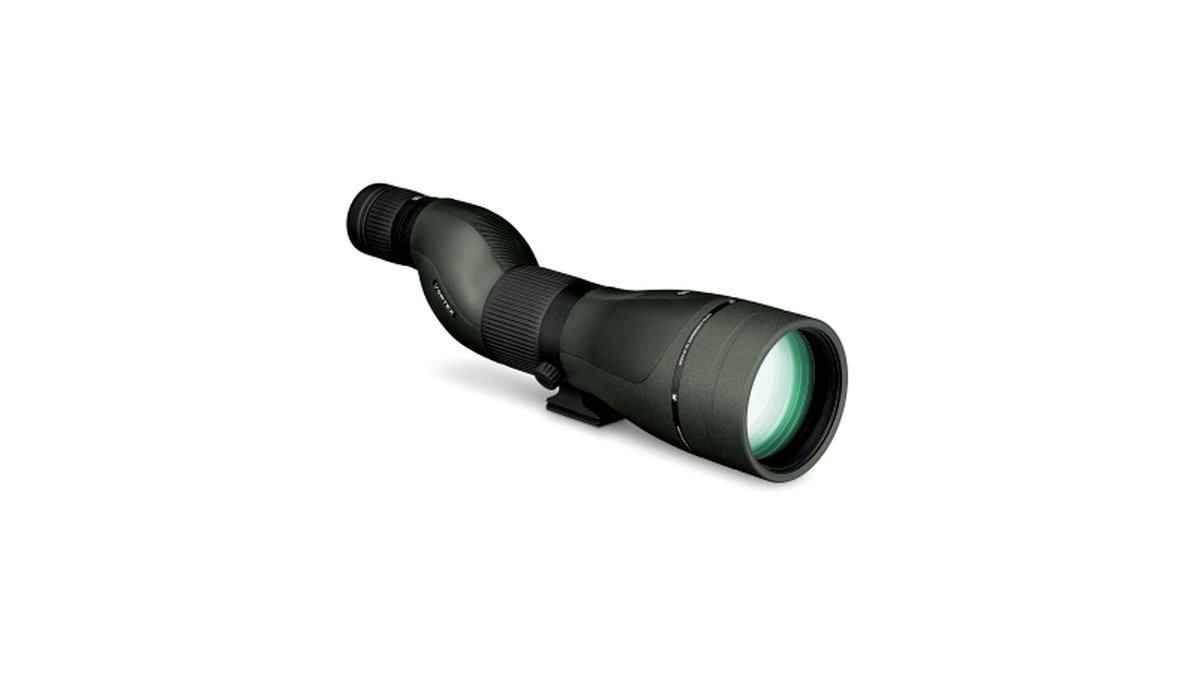
Vortex Diamondback HD 20-60×85
The Diamondback HD line is built around an 85mm objective and a 20-60x zoom range, with the maker listing HD optical elements and an argon-purged, waterproof housing. It suits long-range shooters who want a large objective for brightness at high magnification without stepping up to Vortex’s flagship tier. The main limit is the added weight and length that comes with an 85mm objective, which calls for a sturdy tripod.
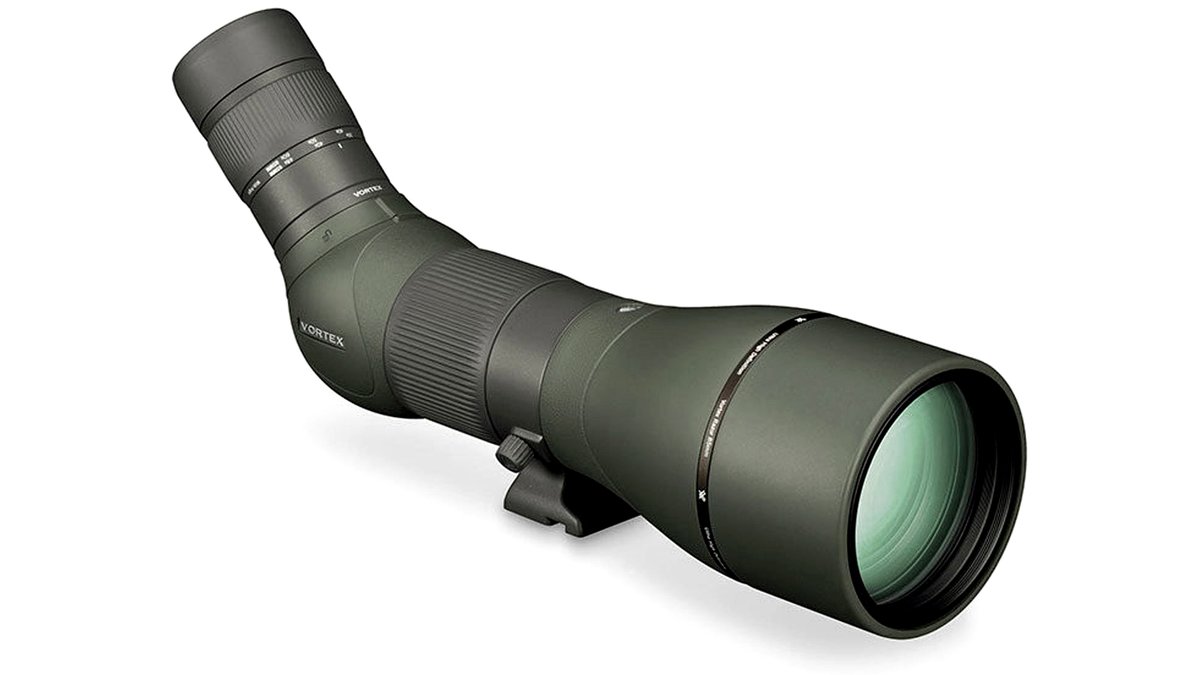
Vortex Razor HD (flagship tier)
Vortex’s Razor HD spotting scopes sit at the top of the maker’s lineup, with APO (apochromatic) lens elements and HD glass that the maker states reduce color fringing at full zoom. These suit competition and professional long-range shooters who need the clearest possible image for reading impacts at extended distance. The limit is the premium-tier price and weight, which is noticeably more than mid-tier scopes.
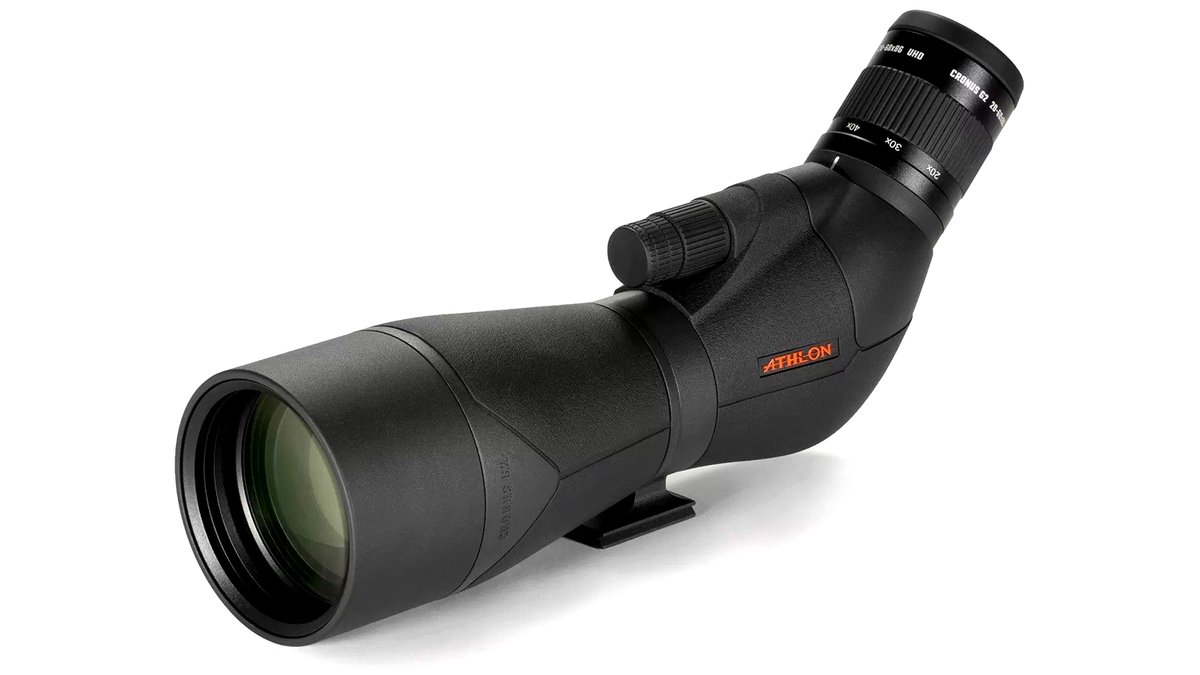
Athlon Cronus or Ares long-range scopes
Athlon’s higher-end spotting scope lines are built with large objectives and ED glass elements the maker lists as reducing chromatic aberration, aimed at long-range and precision rifle competitors. These suit shooters who want near-flagship optical performance at a lower price point than the largest established optics brands. The limit is a smaller support network for accessories like compatible reticle eyepieces compared to more established brands.
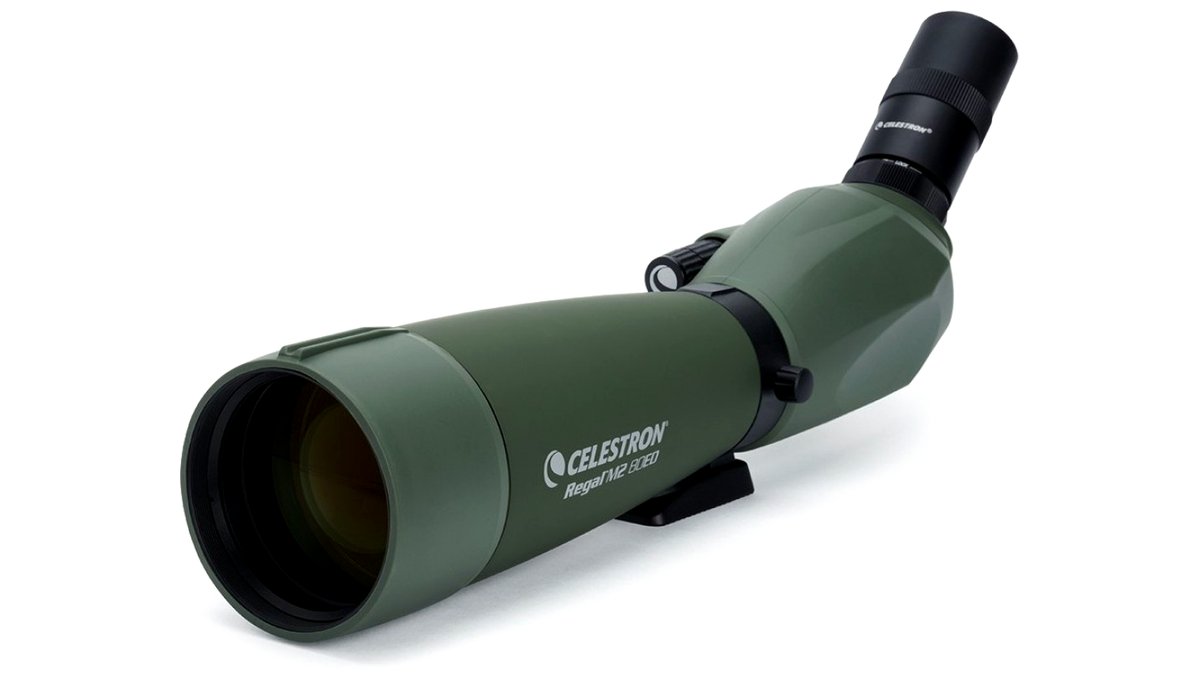
Celestron Regal or similar mid-tier zoom scope
Mid-tier zoom scopes in this class typically pair a 65-70mm objective with a 20-60x eyepiece and fully multi-coated optics, giving solid performance at moderate long-range distances without a premium price. These suit shooters working primarily inside 600-800 yards who want a capable all-rounder rather than a dedicated competition tool. The limit is reduced brightness and resolution compared to 80mm+ premium scopes once pushed to full zoom in dim light.
Fit and compatibility notes
Spotting scopes mount to a tripod via a standard foot, but the foot’s thread pattern and quick-release compatibility vary by brand, so shooters who already own a tripod head should confirm the scope’s mounting plate matches before buying. Angled eyepiece scopes work well for a fixed shooting bench shared between multiple people since each shooter can adjust height without moving the tripod, while straight-through scopes are often easier to align quickly behind a single rifle position. Reticle-equipped eyepieces are usually sold separately from the base scope body and must match both the scope’s magnification range and the shooter’s preferred mil or MOA system to give accurate corrections.
Tripod choice matters as much as the scope itself at long range. A lightweight travel tripod that works fine for a compact birding scope will often flex or vibrate under a heavy 80mm-class spotting scope at full zoom, which shows up as a shaky, hard-to-read image exactly when the shooter needs the most detail. Shooters moving up to a premium long-range scope should budget for a tripod and head rated for the scope’s weight, ideally with a fluid or pan-tilt head that allows smooth tracking between multiple targets on a range.
Carrying cases and lens covers are also worth checking before purchase, since larger objective lenses need a dedicated case to avoid scratches during transport to and from the range. Some makers include a basic case or cover with the scope, while others sell it as a separate accessory, which is worth factoring into the total cost of a long-range setup.
Pick one if…
| If you… | Pick this type |
|---|---|
| Shoot mostly inside 800 yards on a moderate budget | A mid-tier 65-70mm, 20-60x scope |
| Compete or shoot regularly past 1000 yards and need the clearest glass | A premium 80-85mm HD/ED scope |
| Hike to spotting positions and need to save weight | A compact 50-56mm scope |
| Share a scope between multiple shooters at one bench | An angled-eyepiece design |
Alternatives worth considering
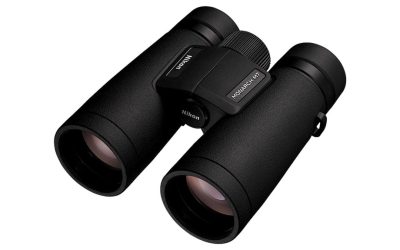
A high-magnification rifle scope with a built-in reticle can sometimes substitute for a dedicated spotting scope on a budget, though it ties up the rifle itself and offers a narrower field of view for spotting multiple shooters. A pair of high-magnification binoculars (10×50 or similar) works for shorter-range confirmation and faster target acquisition but lacks the zoom range needed for calling precise long-range corrections. A digital spotting scope or clip-on phone adapter lets shooters record and review impacts on a screen, which helps with coaching and review but adds battery and electronics as another point of failure in the field.
Frequently Asked Questions
What magnification do I need to spot impacts at 1000 yards?
Most long-range shooters use a scope in the 20-60x range, often running closer to the top of that range at extreme distances, though atmospheric mirage can limit effective usable magnification on hot days. A larger objective lens helps maintain a brighter, clearer image even at the higher end of the zoom range.
Do I need a reticle in my spotting scope?
A reticle built into the spotting scope lets the spotter call corrections in mils or MOA without a separate rangefinder or device, which speeds up communication between spotter and shooter. It is not required for basic target confirmation, but competitive and long-range shooters commonly consider it a useful feature.
How much does objective lens size matter?
A larger objective lens (80mm and above) gathers more light, which improves image brightness and clarity at high magnification and in low-light conditions such as dawn or dusk range sessions. The trade-off is a heavier, bulkier scope that needs a sturdier tripod.
Can I use a spotting scope without a tripod?
Spotting scopes are designed for tripod use, since handholding introduces too much shake at high magnification to resolve fine detail at long range. A sturdy tripod rated for the scope’s weight is effectively required for usable long-range spotting.
What is mirage and how does it affect spotting?
Mirage is the shimmering distortion caused by heat rising off the ground or barrel, and it becomes more visible at higher magnification, sometimes limiting how far a shooter can usefully zoom in on hot days. Spotters often reduce magnification slightly when mirage is heavy to get a steadier, more readable image.
Are angled or straight spotting scopes better for long-range shooting?
Both designs perform the same optically; the choice comes down to shooting position and whether the scope is shared. Straight-through scopes are often quicker to align behind a prone shooter, while angled scopes are easier to share among shooters of different heights at a bench.