Key takeaways
- Lens mount: Confirm whether a prospective body uses Sigma’s own mount or a shared mirrorless mount, since that determines which existing lenses, including Sigma’s own Art and Contemporary lines, will fit without an adapter.
- Grip size: The brand’s minimalist bodies have a shallow or absent traditional grip; photographers with larger hands or those shooting handheld for long sessions should test the ergonomics before buying, or plan on an accessory grip.
- Accessory ecosystem: Rigging accessories, cages, and handles designed specifically for the camera’s body shape make a meaningful difference for video use; check that the chosen accessories match the exact model.
- Storage and battery: Battery life on the compact bodies tends to run shorter than on larger mirrorless cameras, so carrying spare batteries is worth planning for on full-day shoots.
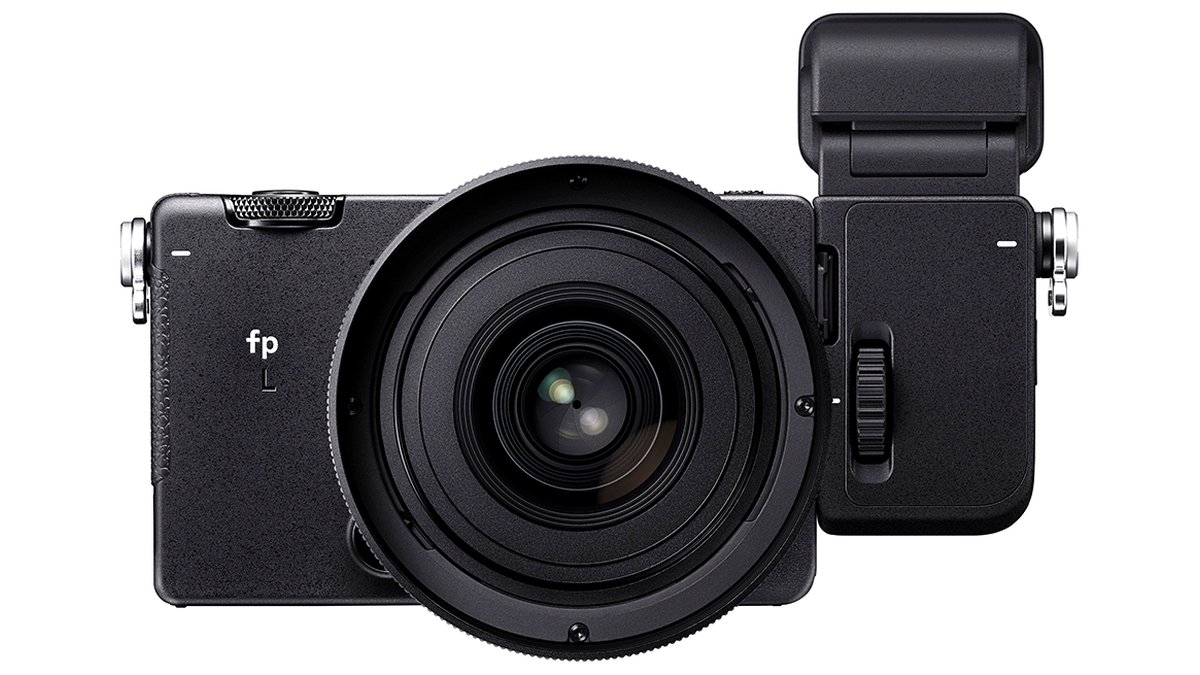
Photographers who want a compact full-frame camera for travel and street work fit best with Sigma’s smallest mirrorless body, filmmakers and hybrid shooters lean toward Sigma’s video-forward full-frame model, and anyone wanting the brand’s signature color rendering in a pocketable package should look at the compact fixed-lens line. Sigma’s camera business is small and deliberately niche compared to Canon, Nikon, or Sony, so the choice usually comes down to body style and intended use rather than picking between a wide range of similar models.
As an Amazon Associate, we earn from qualifying purchases made through links on this page.
Who Sigma Cameras Are For
Sigma is best known for lenses, but its camera division makes a short list of distinctive bodies rather than a broad catalog. The lineup leans toward photographers who value image quality and a particular color rendering over an extensive autofocus or video feature set, and toward shooters who want a small, minimalist body instead of a traditional DSLR-style grip. Sigma cameras are generally not the first choice for sports, wildlife, or fast-action autofocus work; they suit deliberate, slower-paced shooting.
Sigma Cameras at a Glance
| Model line | Best for | Key stated specs | Limits |
|---|---|---|---|
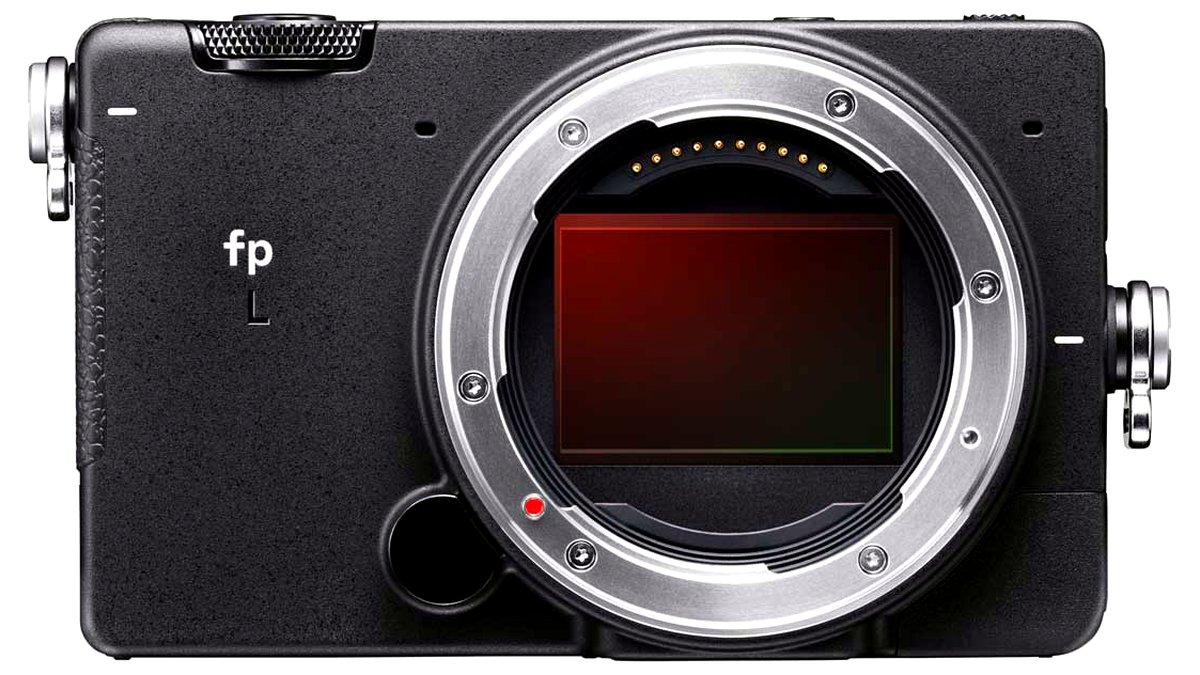
| Compact full-frame mirrorless (fp series) | Travel, street photography, video rigs | The maker lists a full-frame sensor in a body smaller and lighter than typical full-frame mirrorless cameras | Minimal grip and a simplified control layout take adjustment for photographers used to DSLR-style ergonomics |
| Video-leaning full-frame body | Hybrid photo/video shooters and small production crews | The maker lists active cooling and video-focused recording features alongside full-frame stills capability | Bulkier than the fp-series body once a cage and accessories are attached; autofocus tracking is not aimed at fast action |
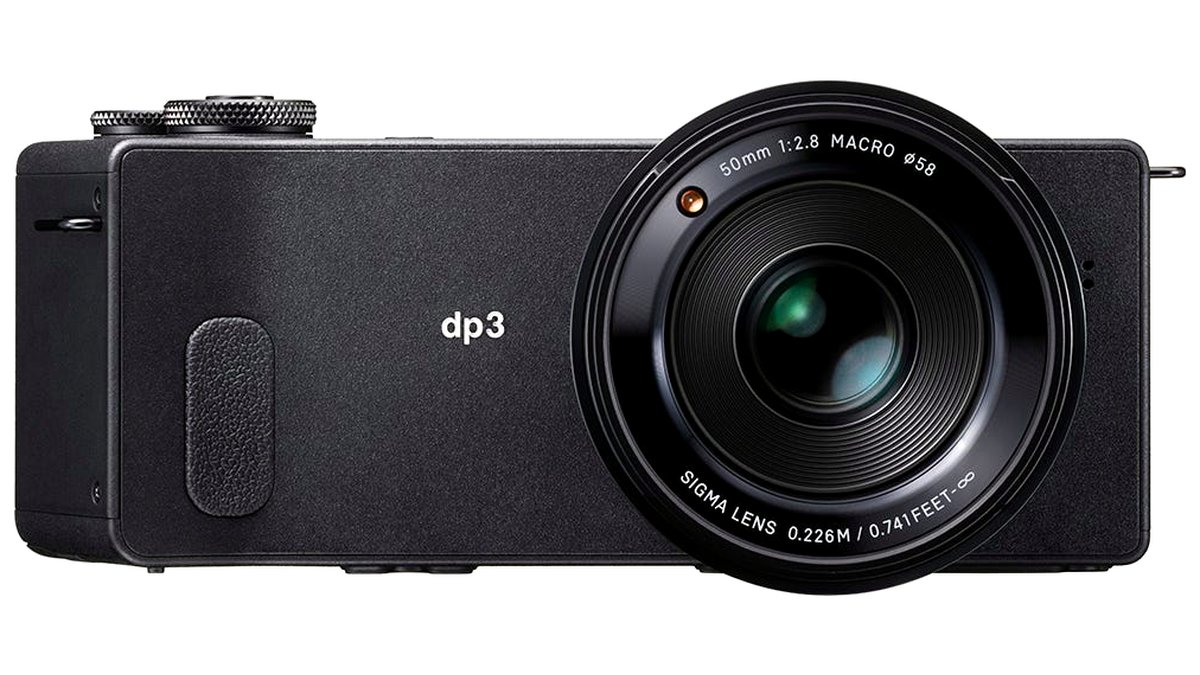
| Compact fixed-lens line | Everyday carry and color-focused shooting | The maker lists a large sensor paired with a fixed lens in a pocketable body | No lens interchangeability, so versatility is limited compared to a mirrorless system |
Choosing by Use Case
Travel and Street Photography
The compact full-frame mirrorless line is built around size and weight savings, which matters most to photographers carrying a camera all day or trying to stay unobtrusive on the street. The minimalist body trades some handling comfort for portability, so trying the grip in person or reading detailed impressions from reviewers before committing is worthwhile for anyone with larger hands.
Hybrid Video and Photo Work
Shooters who split time between stills and video, especially in a rig with external monitors and audio gear, generally fit better with Sigma’s video-leaning full-frame body. Its cooling and recording features are built around sustained video work rather than being a stills camera with video bolted on.
Everyday Carry and Color-First Shooting
Sigma’s compact fixed-lens camera suits photographers who want a large-sensor camera that fits in a jacket pocket and don’t need to swap lenses. It works well as a dedicated everyday-carry camera for photographers who already own a separate interchangeable-lens system for more demanding work.
Fit and Compatibility Notes
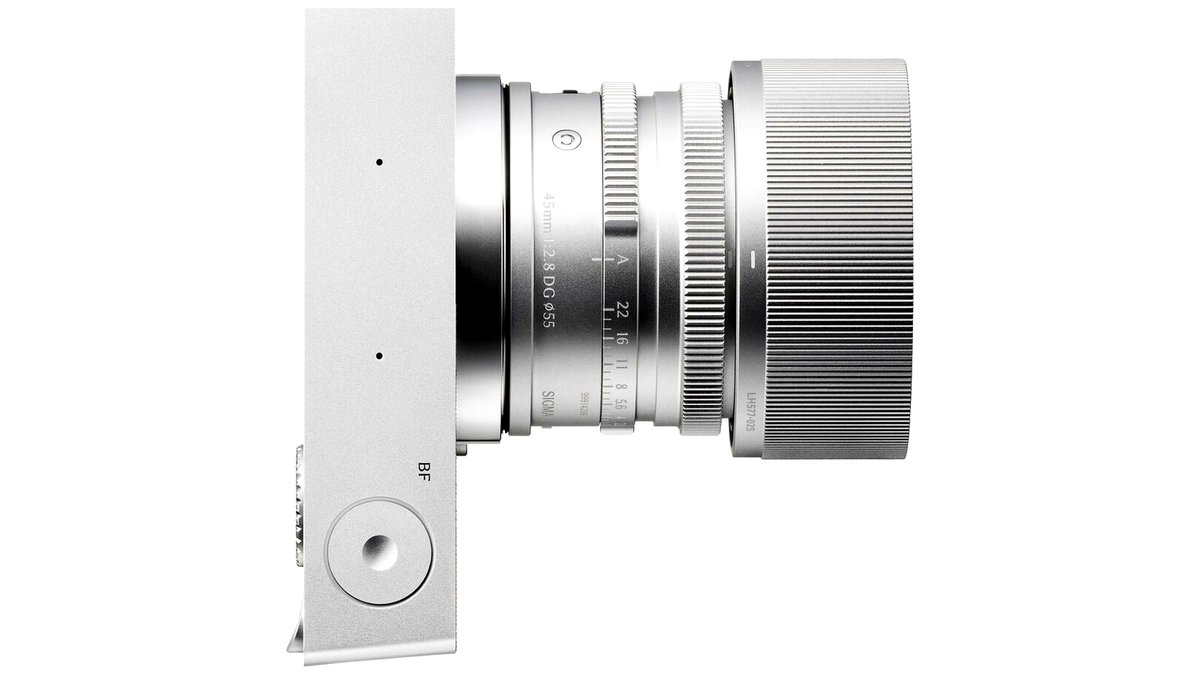
- Lens mount: Confirm whether a prospective body uses Sigma’s own mount or a shared mirrorless mount, since that determines which existing lenses, including Sigma’s own Art and Contemporary lines, will fit without an adapter.
- Grip size: The brand’s minimalist bodies have a shallow or absent traditional grip; photographers with larger hands or those shooting handheld for long sessions should test the ergonomics before buying, or plan on an accessory grip.
- Accessory ecosystem: Rigging accessories, cages, and handles designed specifically for the camera’s body shape make a meaningful difference for video use; check that the chosen accessories match the exact model.
- Storage and battery: Battery life on the compact bodies tends to run shorter than on larger mirrorless cameras, so carrying spare batteries is worth planning for on full-day shoots.
Pick This One If…
| Situation | Recommended line |
|---|---|
| You want the smallest full-frame body for travel | Compact full-frame mirrorless line |
| You shoot video regularly alongside stills | Video-leaning full-frame body |
| You want a pocketable everyday camera with no lens changes | Compact fixed-lens line |
| You shoot fast action, sports, or wildlife | Consider a different brand built around fast autofocus tracking |
Alternatives Worth Comparing
Photographers comparing Sigma against more mainstream options often look at Sony’s compact full-frame mirrorless line, which offers a larger native lens selection and more autofocus-tracking features. Fujifilm’s APS-C and medium-format lines are a common comparison for photographers prioritizing color rendering and body ergonomics over full-frame sensor size. Panasonic’s full-frame mirrorless bodies are also a frequent cross-shop for hybrid video shooters, given overlapping video-centric feature sets.
Common Buying Mistakes to Avoid
A frequent mistake is buying into the compact full-frame body expecting DSLR-style ergonomics and a deep menu of autofocus customization, then being surprised by the minimalist control layout and shallow grip. Reading about the actual handling and menu structure before buying, rather than assuming it behaves like a mainstream mirrorless camera, avoids a mismatch between expectations and what the camera is actually designed to do.
Another common error is choosing a Sigma body for fast-action photography, such as youth sports or wildlife in motion, when the brand’s autofocus tracking is generally better suited to slower, more deliberate subjects. Buyers in that situation are usually better served checking a camera built specifically around continuous tracking speed before committing to a Sigma body for that purpose.
Lens mount confusion is also common, since Sigma sells lenses across multiple mount standards for other camera brands in addition to its own camera bodies. Double-checking that a lens and a Sigma camera body share the same mount, rather than assuming any Sigma-branded lens will fit any Sigma-branded body, prevents an incompatible purchase.
Frequently Asked Questions
Are Sigma cameras good for beginners?
Sigma’s bodies are generally better suited to photographers who already understand manual exposure and lens selection, since the menu systems and minimalist control layouts are less guided than typical beginner-friendly cameras from larger brands. A first-time camera buyer may find a more mainstream mirrorless body easier to learn on.
Can I use Sigma lenses from other mounts on a Sigma camera body?
Lens compatibility depends entirely on matching mounts; a Sigma lens made for one mount will not fit a camera body with a different mount without an adapter, and not every lens-and-adapter combination is officially supported. Checking the maker’s compatibility list for the specific lens and body pairing is the safest way to confirm fit.
How is Sigma’s autofocus compared to Canon, Nikon, or Sony?
Reviewers generally describe Sigma’s autofocus systems as competent for deliberate, slower-paced shooting but behind the fastest tracking systems from larger camera makers when it comes to erratic or fast-moving subjects. Photographers who prioritize sports or wildlife tracking typically get better results from a brand built specifically around autofocus speed.
Is battery life a concern with Sigma’s compact bodies?
The smallest Sigma bodies tend to have shorter battery life than larger mirrorless cameras, partly because of their compact size limiting battery capacity. Carrying at least one spare battery is a common recommendation from reviewers for full-day shooting.
Do Sigma cameras shoot good video, not just stills?
The video-leaning full-frame model is specifically built with video production in mind, including cooling for extended recording, and reviewers covering hybrid cameras generally rate its video capability well within its price tier. The compact fixed-lens and smallest mirrorless bodies are more stills-focused, with video as a secondary feature.
Where do Sigma cameras fit against Canon, Nikon, and Sony in terms of price and audience?
Sigma’s camera lineup is smaller and more specialized than the major brands, generally priced in the mid-range to premium tier depending on the body, and aimed at photographers who want a specific color rendering or form factor rather than the broadest feature set. Buyers wanting the widest lens selection, service network, or autofocus performance typically still look first at the larger brands. Anyone undecided between Sigma and a larger brand is generally better served by handling both in a store or rental, since the difference in control layout and menu logic is often more noticeable in person than any spec sheet comparison can convey.