Key takeaways
- A standard zoom like Fujifilm’s 18-55mm f/2.8-4 suits photographers who want one versatile everyday lens, while a fast prime such as the 23mm f/2 or 35mm f/2 suits those who want a smaller, lighter kit with better low-light performance; which…
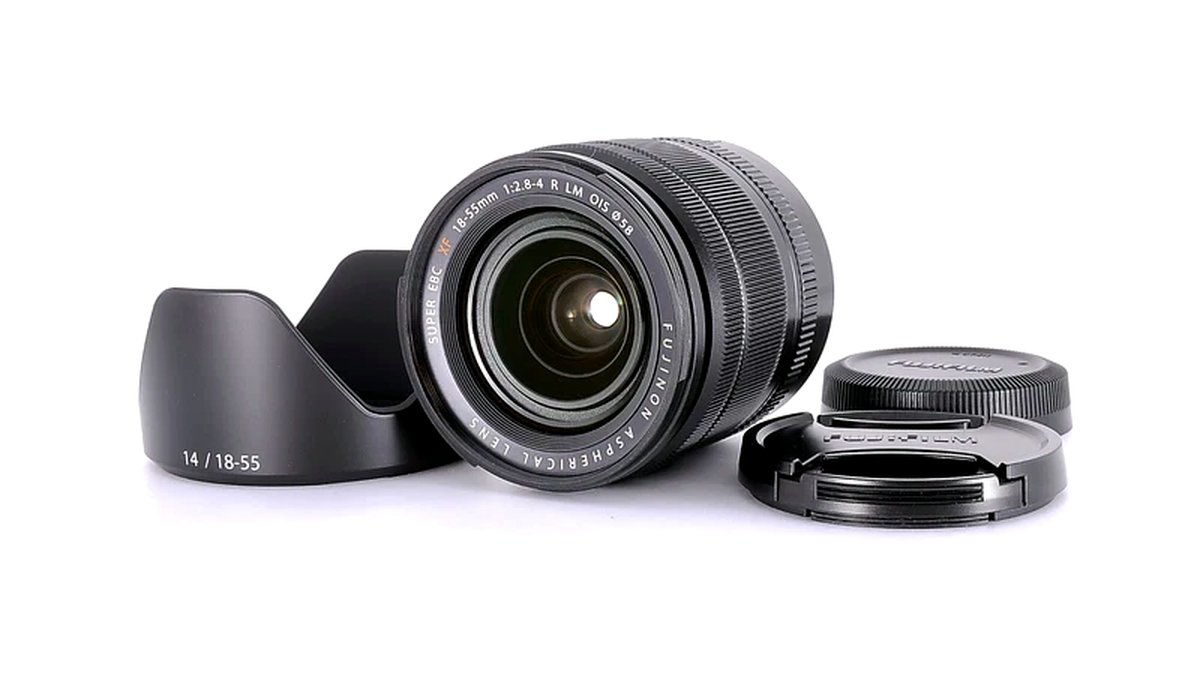
A standard zoom like Fujifilm’s 18-55mm f/2.8-4 suits photographers who want one versatile everyday lens, while a fast prime such as the 23mm f/2 or 35mm f/2 suits those who want a smaller, lighter kit with better low-light performance; which to buy first depends on whether flexibility or a compact, fast setup matters more.
As an Amazon Associate, we earn from qualifying purchases made through links on this page.
Fujifilm’s X-mount lineup covers zooms, primes, and specialty lenses across consumer and premium “R” tiers, and buyers researching “best Fujifilm X mount lenses” are usually comparing across these categories rather than looking at a single lens. This guide groups the lineup by use case so it’s easier to match a lens to a shooting style and budget.
Standard Zooms: The Versatile Starting Point
Fujifilm’s standard zoom range, including lenses like the 18-55mm f/2.8-4 and the lower-cost 18-55mm-class kit options, covers everyday wide-to-moderate-telephoto shooting in a single lens. The maker’s higher-tier standard zooms (such as 16-55mm f/2.8-class lenses) add a constant fast aperture across the zoom range, which benefits low-light and background-blur consistency at the cost of extra size and weight compared to variable-aperture standard zooms.
Buyers who want one lens that handles travel, family photos, and general walk-around shooting without swapping lenses often start with a standard zoom, since it covers the focal range most people use most often without needing to carry a second lens.
Prime Lenses: Compact and Fast
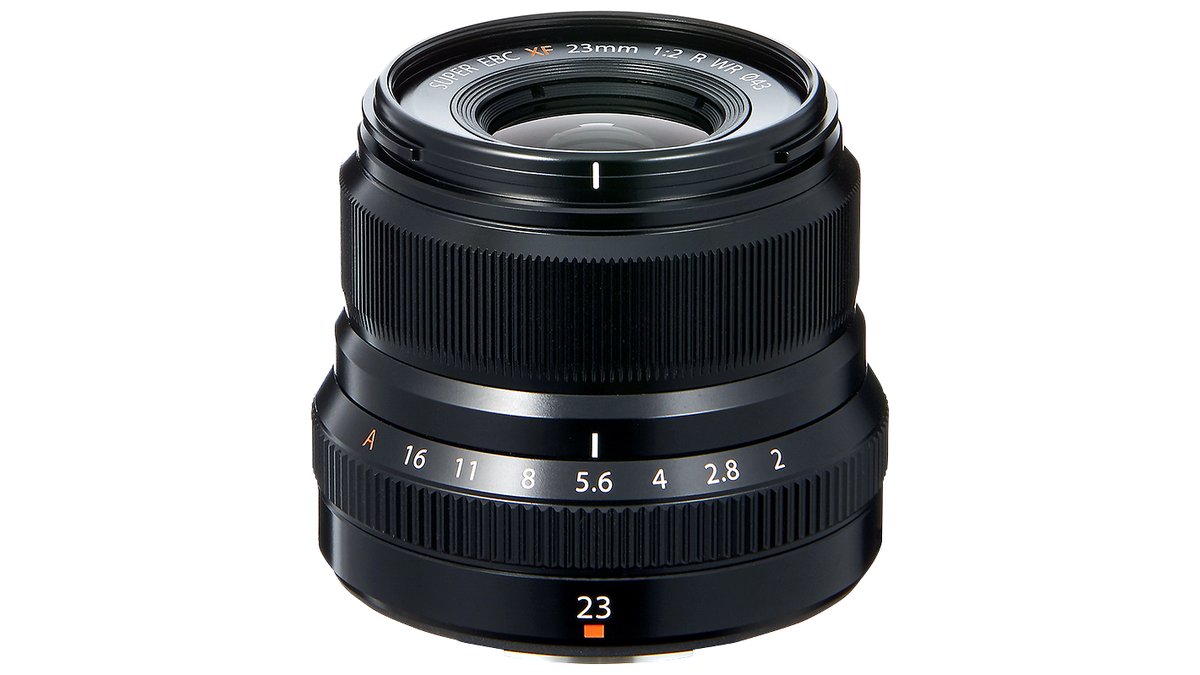
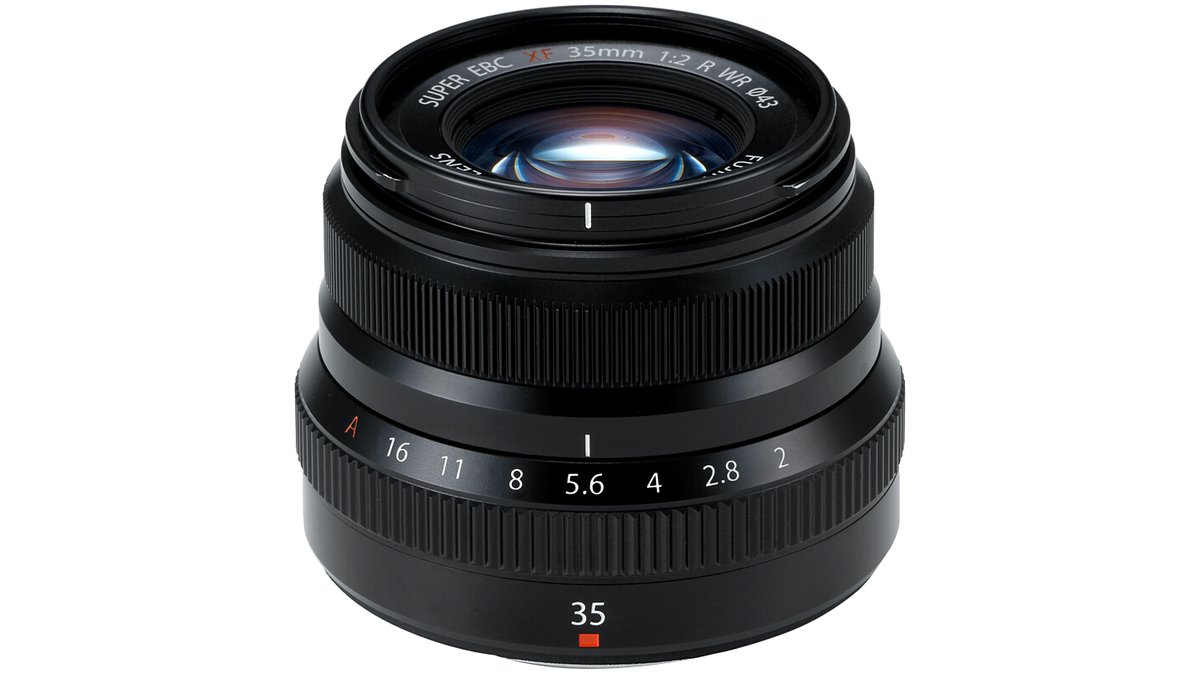
Fujifilm’s prime lineup spans wide, normal, and portrait-length focal lengths, generally built smaller and lighter than equivalent zooms while offering a faster maximum aperture. Normal-range primes (around 23mm and 35mm, both offered in f/2 and faster variants depending on the specific lens) are popular for street and everyday photography because they roughly match natural perspective and keep the camera compact. Portrait-length primes (in the 56mm to 90mm range depending on the specific lens) are commonly chosen for their background blur and subject isolation at wider apertures.
Fujifilm markets a range of prime apertures from moderate (f/2-class, smaller and lighter) up through faster options in select focal lengths, and the faster lenses generally cost more and weigh more in exchange for better low-light performance and more pronounced background blur.
At a Glance
| Lens Category | Best For | Key Stated Specs | Limits |
|---|---|---|---|
| Standard zoom (18-55mm class) | One-lens everyday carry, travel, general use | Variable or constant aperture depending on tier, image stabilization on many models | Not as fast or compact as primes at the same focal length |
| Normal prime (23mm/35mm class) | Street, everyday, compact kits | f/2-class apertures common, lightweight barrels, weather-resistant “R WR” variants on some models | Fixed focal length requires moving to reframe |
| Portrait prime (56mm-90mm class) | Portraits, subject isolation | Faster apertures in this range, strong background blur | Less versatile for wide or group shots |
| Telephoto zoom (50-140mm/70-300mm class) | Sports, wildlife, distant subjects | Longer reach, image stabilization common on these tiers | Larger and heavier than standard zooms or primes |
| Wide-angle zoom/prime | Landscape, architecture, interiors | Wider field of view, some with weather sealing on premium tiers | Can introduce distortion at the widest focal lengths |
Weather Sealing and Build Tiers
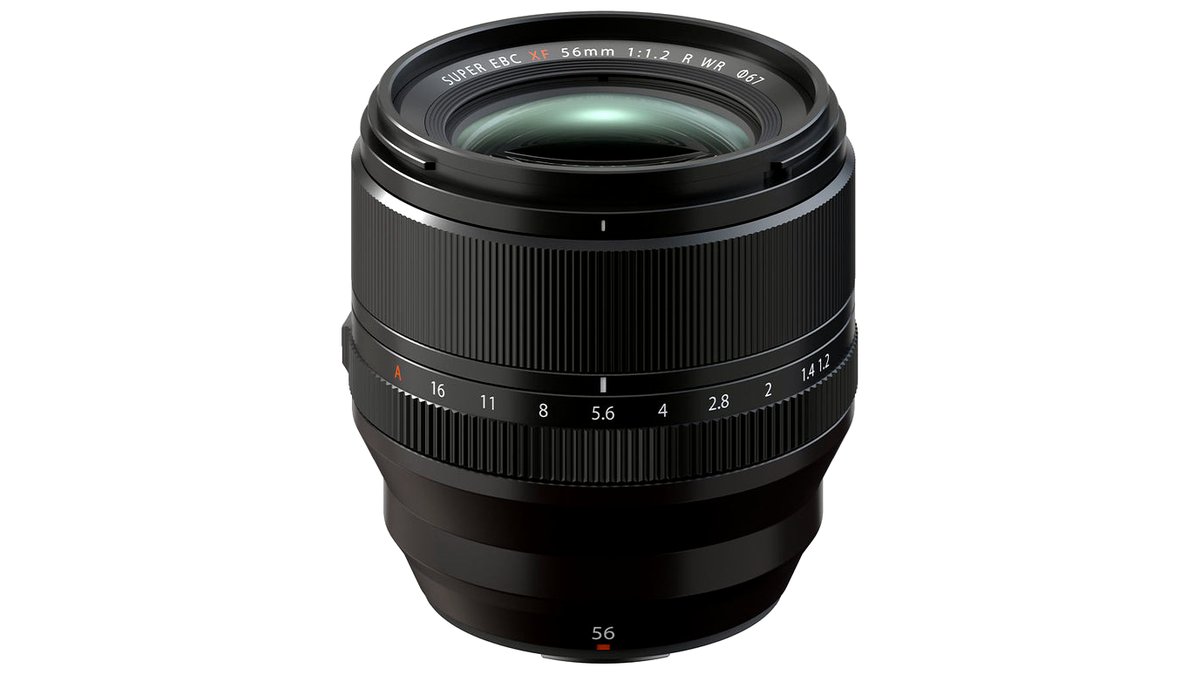
Fujifilm markets some X-mount lenses with “WR” (weather-resistant) designation in their names, which the maker describes as sealed against dust and light moisture; this is a meaningful distinction for buyers who shoot outdoors in variable conditions, since not every lens in the lineup carries this designation. Premium-tier lenses generally use metal barrels and more robust focus motors, while consumer-tier (often labeled “XC” rather than “XF”) lenses use lighter plastic construction and are typically sold at a lower price point with fewer physical controls, such as no dedicated aperture ring.
Pick This If…
| Shooter Profile | Recommended Lens Category |
|---|---|
| Wants one lens for most everyday situations | Standard zoom (18-55mm class or higher-tier constant-aperture version) |
| Prioritizes a small, light, fast-aperture setup | Normal prime (23mm or 35mm class) |
| Shoots a lot of portraits | Portrait-length prime (56mm-90mm class) |
| Photographs sports, wildlife, or distant subjects | Telephoto zoom |
| Focuses on landscapes or interiors | Wide-angle zoom or prime |
| Shoots outdoors in rain or dusty conditions often | A lens the maker specifically labels as weather-resistant (“WR”) |
Crop Factor and Full-Frame Equivalence
Fujifilm’s X-mount cameras use an APS-C sensor, meaning every lens’s focal length should be multiplied by roughly 1.5x to estimate its full-frame-equivalent field of view; a 23mm X-mount lens behaves roughly like a 35mm lens in full-frame terms. This matters when comparing a Fujifilm lens’s focal length to recommendations written for full-frame systems, since the numbers are not directly comparable without this adjustment.
Autofocus Motors and Video Use
Newer Fujifilm lenses generally use quieter, faster linear-type autofocus motors, which the maker typically highlights in the lens’s own specification sheet, while some older or lower-cost lenses in the lineup use a different motor design that can be noticeably slower or noisier during video recording. Photographers who shoot a mix of stills and video should check whether a given lens’s autofocus motor is described by the maker as suited to continuous video autofocus before assuming any X-mount lens performs the same way on moving subjects.
Alternatives Worth Considering
Third-party lens makers produce X-mount-compatible lenses at lower price points than Fujifilm’s own lineup in some focal lengths, which can be a reasonable way to fill a gap in the lineup or save money on a less frequently used focal length. A single superzoom lens (covering a very wide focal range in one lens) trades some image quality and maximum aperture for the convenience of rarely needing to swap lenses, which suits travelers who prioritize simplicity. Renting a specific lens before buying is a practical way to confirm whether a focal length or aperture actually fits a photographer’s shooting style.
Frequently Asked Questions
Should I buy a zoom or a prime lens first for my Fujifilm camera?
A standard zoom is generally the more practical first lens because it covers a wide range of everyday focal lengths without needing to change lenses, while a prime is a better second purchase once a photographer has identified a focal length and aperture speed they consistently want. Photographers who already know they prefer a compact, fast setup and are comfortable with a fixed focal length may reasonably start with a prime instead.
What does “WR” mean on a Fujifilm lens name?
WR stands for weather-resistant, and Fujifilm uses this designation on lenses it states are sealed against dust and light moisture exposure; not every lens in the X-mount lineup carries this feature. Checking for the WR label specifically, rather than assuming all Fujifilm lenses are weather-sealed, is the reliable way to confirm this feature before buying.
What’s the difference between Fujifilm’s “XF” and “XC” lens lines?
XF lenses are generally the premium tier, often with metal construction, an aperture ring, and sometimes weather sealing, while XC lenses are a lighter, lower-cost tier aimed at entry-level buyers, typically without a manual aperture ring and using more plastic in construction. Both lines mount on the same X-mount system and work on the same cameras.
Do Fujifilm lenses work on all Fujifilm X-series cameras?
Yes, all X-mount lenses are designed to physically and electronically fit any Fujifilm X-series camera body, since they share the same lens mount standard. Differences in camera sensor resolution or in-body stabilization do not affect basic lens compatibility, though they can affect how much benefit a given lens’s own stabilization or sharpness provides.
How much does crop factor affect my lens choice?
Crop factor affects the effective field of view and, to a lesser degree, the apparent background blur compared to a full-frame camera at the same aperture, so a photographer used to full-frame focal lengths should expect an X-mount lens to behave like a longer focal length by roughly 1.5x. This matters most when deciding between similar focal lengths for landscape, portrait, or telephoto use.
Are third-party lenses a good alternative to Fujifilm’s own X-mount lenses?
Third-party lenses can be a reasonable, often less expensive alternative for specific focal lengths or apertures not well covered by Fujifilm’s own lineup, though autofocus performance and firmware compatibility with newer camera bodies can vary between third-party makers. Checking recent compatibility notes from the lens maker for the specific camera body in use is a sensible step before buying a third-party lens.