Key takeaways
- Aperture — the diameter of the main mirror or lens is the single biggest factor in deep-sky performance, since a bigger aperture gathers more light from faint, distant objects. Reviewers and manufacturers consistently point to aperture over magnification as the spec that matters most here.
- Focal ratio (f/number) — a lower f/number (“fast” scope) gives a wider, brighter field of view that suits large, dim deep-sky targets; a higher f/number (“slow” scope) suits planetary detail more than deep-sky.
- Mount type — a Dobsonian mount is simple, stable, and lets a given aperture cost less than the same aperture on a computerized mount; a go-to equatorial or alt-az mount adds cost but also adds automated object location and tracking.
- Portability — larger-aperture scopes are heavier and bulkier; this is a real tradeoff against the light-gathering benefit of a bigger mirror, especially for anyone without a dedicated storage and transport setup.
- Light pollution — no telescope fully overcomes a bright suburban or city sky for faint deep-sky targets; a bigger aperture helps, but reviewers consistently note that darker skies make more practical difference than nearly any other upgrade.
A large-aperture Dobsonian reflector suits anyone whose main goal is seeing faint galaxies, nebulae, and star clusters as clearly as possible for the money, while a computerized go-to telescope suits buyers who want help finding those same deep-sky targets without learning star-hopping navigation first.
As an Amazon Associate, we earn from qualifying purchases made through links on this page.
What Actually Matters for Deep-Sky Viewing
Deep-sky objects — galaxies, nebulae, star clusters — are faint and diffuse, which makes this a different buying decision than a telescope aimed mainly at the Moon and planets.
- Aperture — the diameter of the main mirror or lens is the single biggest factor in deep-sky performance, since a bigger aperture gathers more light from faint, distant objects. Reviewers and manufacturers consistently point to aperture over magnification as the spec that matters most here.
- Focal ratio (f/number) — a lower f/number (“fast” scope) gives a wider, brighter field of view that suits large, dim deep-sky targets; a higher f/number (“slow” scope) suits planetary detail more than deep-sky.
- Mount type — a Dobsonian mount is simple, stable, and lets a given aperture cost less than the same aperture on a computerized mount; a go-to equatorial or alt-az mount adds cost but also adds automated object location and tracking.
- Portability — larger-aperture scopes are heavier and bulkier; this is a real tradeoff against the light-gathering benefit of a bigger mirror, especially for anyone without a dedicated storage and transport setup.
- Light pollution — no telescope fully overcomes a bright suburban or city sky for faint deep-sky targets; a bigger aperture helps, but reviewers consistently note that darker skies make more practical difference than nearly any other upgrade.
Top Picks at a Glance
| Type / tier | Best for | Key stated specs | Limits |
|---|---|---|---|
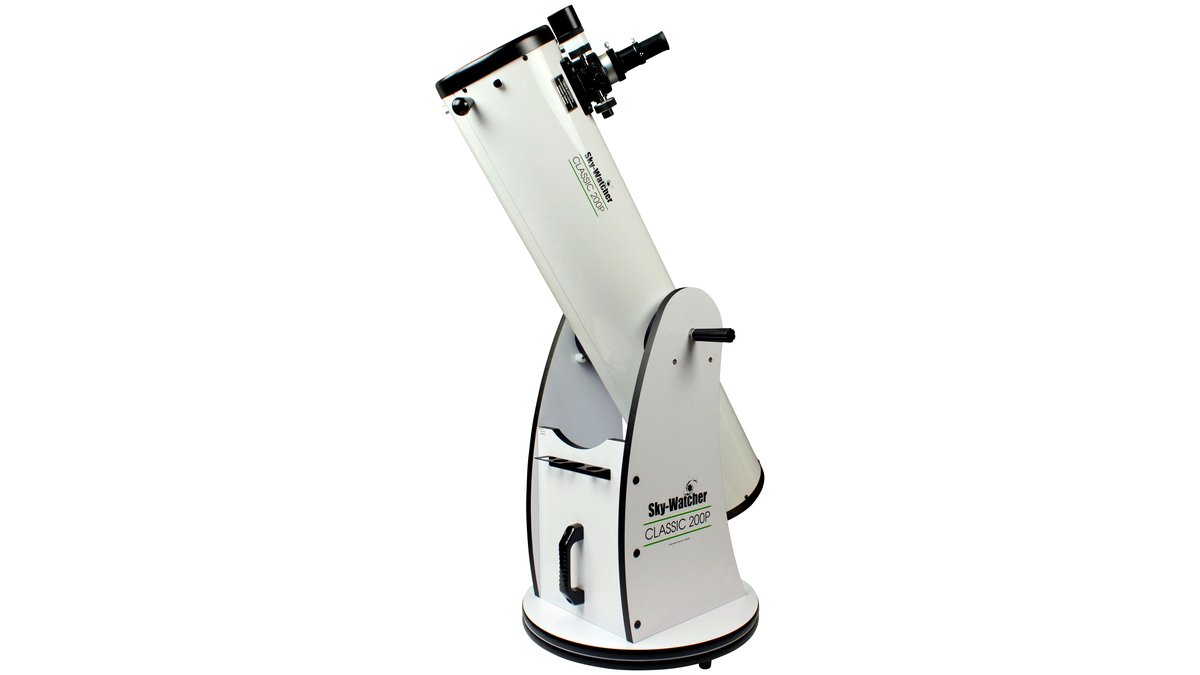
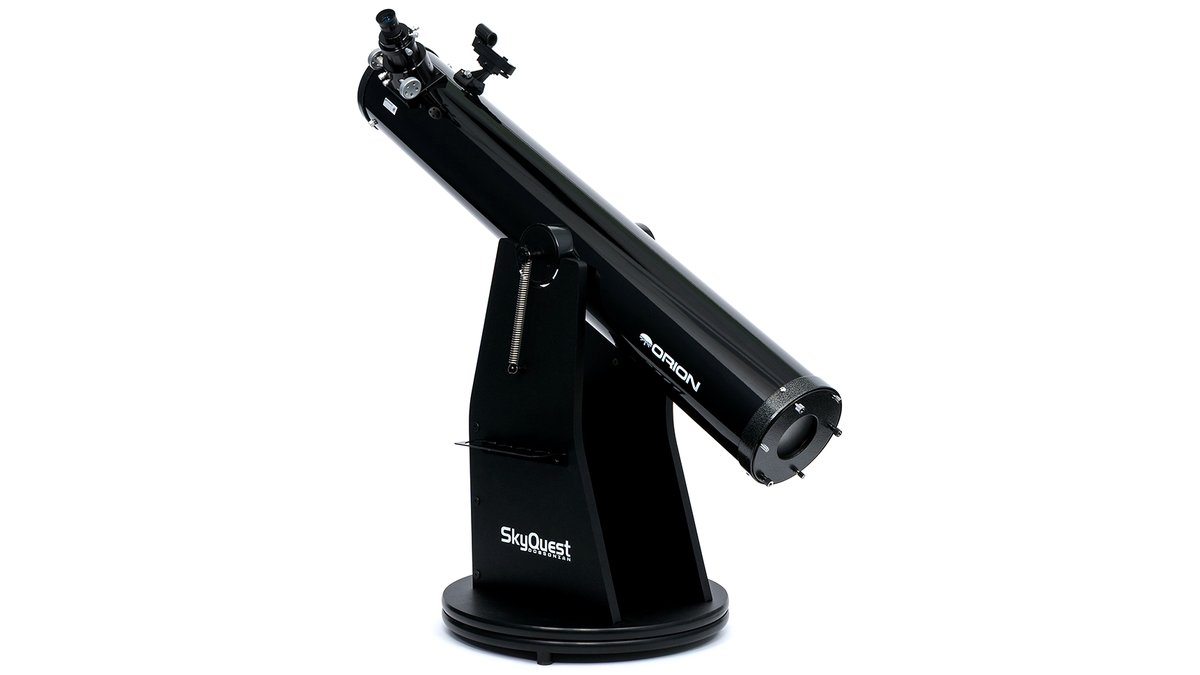
| Large Dobsonian reflector (8-10 in aperture class, e.g. Sky-Watcher or Orion-style Dobsonians) | Buyers who want the most aperture per budget for deep-sky viewing | Makers in this class commonly list aperture from 8 to 10 inches with a simple alt-az Dobsonian base and no computerized tracking | Bulky to store and transport; manual star-hopping navigation unless a add-on finder system is used |
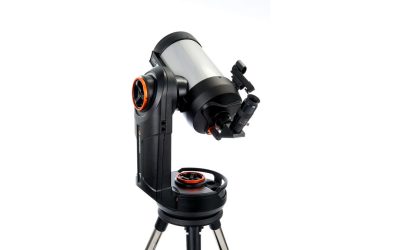
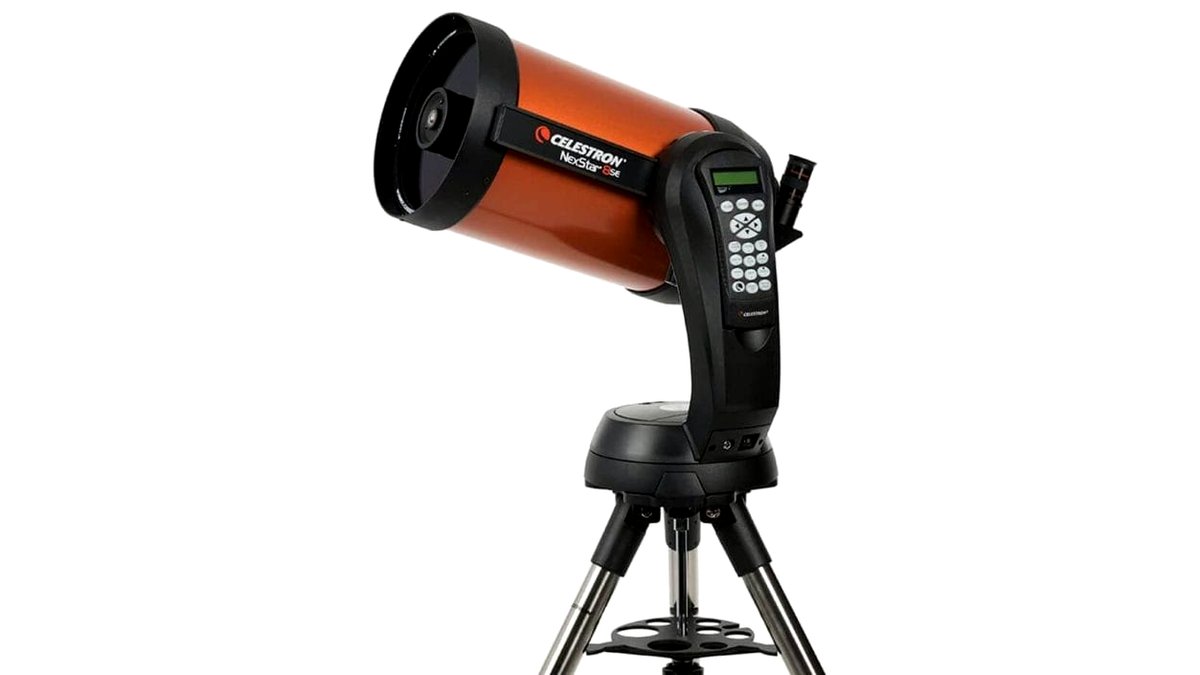
| Computerized go-to Dobsonian or SCT (e.g. Celestron NexStar-class) | Buyers who want object-finding assistance without giving up meaningful aperture | Celestron and similar makers list onboard databases of thousands of objects, automated slewing, and tracking motors | Higher cost for the same aperture versus a manual Dobsonian; needs a power source and initial alignment |
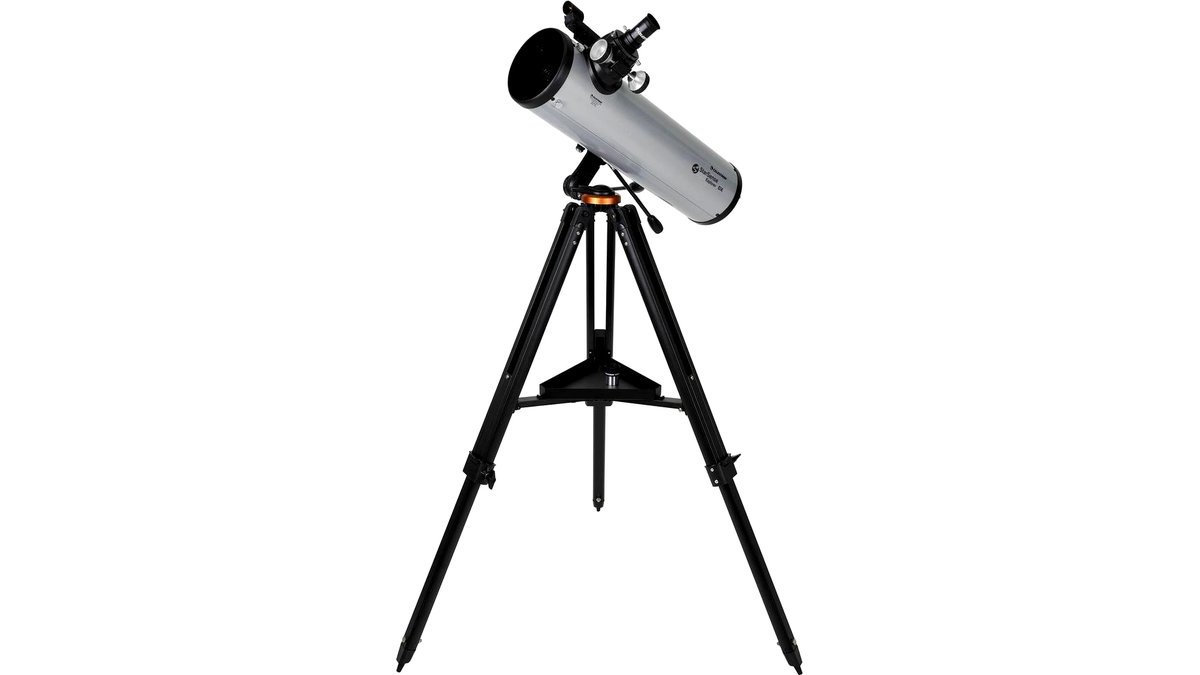
| Smartphone-assisted manual reflector (e.g. Celestron StarSense Explorer-class) | Beginners who want navigation help without full go-to automation cost | The maker lists a phone-dock sensor that overlays sky-matching guidance to manually push the scope to targets | Depends on phone app and a clear view of enough stars for the app to orient; no automated tracking |
| Compact tabletop Dobsonian (smaller aperture, portable) | Apartment dwellers, travel, grab-and-go sessions | Typically listed in the 4-6 inch aperture range with a simple tabletop mount | Noticeably less light grasp than full-size Dobsonians, so fainter deep-sky targets show less detail |
Fit and Setup Notes
Aperture and portability pull in opposite directions, so matching the scope to where it will actually be used and stored matters as much as the spec sheet. A 10-inch Dobsonian shows noticeably more deep-sky detail than a 6-inch one, but it’s also heavier, needs a car to transport to a dark-sky site, and takes up real storage space — a scope that’s too large to actually set up regularly will see less use than a smaller one that’s easy to grab.
Collimation — aligning the mirrors — is routine maintenance on any reflector-type telescope and matters more as aperture goes up; buyers new to reflectors should expect to learn this basic adjustment regardless of brand. Eyepiece quality also affects deep-sky views meaningfully; the stock eyepieces included with most telescopes are usable starting points, and many owners upgrade them over time as a separate purchase.
For go-to and smartphone-assisted scopes, an initial alignment step (pointing at a few reference stars, or letting the app orient from the current sky) is required before the automated or assisted finding works, which adds a short setup routine each session compared to a purely manual Dobsonian.
Pick X If…
| Pick this if… | Recommended type |
|---|---|
| You want the most light-gathering power for the money and don’t mind manual navigation | Large manual Dobsonian reflector |
| You want automated object-finding and tracking | Computerized go-to telescope |
| You’re new to astronomy and want navigation help without full go-to cost | Smartphone-assisted manual reflector |
| Storage space or portability is the main constraint | Compact tabletop Dobsonian |
A Few Alternatives Worth Knowing About
Refractor telescopes are generally not the first choice for deep-sky viewing at a given budget, since a refractor’s aperture costs considerably more than the same aperture in a reflector — they’re more often recommended for planetary and lunar viewing or for buyers who specifically want a sealed, low-maintenance optical tube.
Schmidt-Cassegrain telescopes (SCTs) pack a longer focal length into a compact tube, which suits buyers who want a versatile scope for both planets and deep-sky in a more portable package than an equivalent-aperture Dobsonian, usually at a higher price per inch of aperture.
Binoculars with large objective lenses are worth considering as a lower-cost, grab-and-go complement to a telescope for wide starfields and large deep-sky objects like big nebulae and star clusters.
Getting Started: What to Expect in the First Few Sessions
New telescope owners commonly underestimate how much setup and practice time goes into the first few sessions before deep-sky objects start showing up reliably. Letting the optics reach outdoor ambient temperature before observing — a process called thermal acclimation — takes anywhere from a few minutes to an hour or more depending on the size of the mirror and the temperature difference, and skipping this step is a common reason first-time views look softer or blurrier than expected.
Learning the night sky well enough to star-hop to faint targets takes practice even with a star chart or app, and reviewers consistently note that the first few sessions are more about building familiarity with the mount’s movement and the sky’s layout than about seeing dramatic detail right away. Starting with brighter, easier deep-sky targets — bright star clusters and the more prominent nebulae — before moving on to fainter galaxies builds both the navigation skill and the sense of what a given aperture can actually resolve.
A red flashlight, rather than a standard white one, is standard practice for reading charts or adjusting equipment at the eyepiece, since it preserves night-adapted vision far better than white light, which can take a noticeable amount of time to recover from once it disrupts dark adaptation.
Frequently Asked Questions
How much aperture do I actually need to see galaxies and nebulae?
Many deep-sky objects are visible in smaller scopes under dark skies, but they show more structure and detail as aperture increases — reviewers commonly describe the jump from roughly 6 inches to 8-10 inches as a meaningful, noticeable improvement for fainter targets. Dark, low-light-pollution skies affect what’s visible at least as much as aperture does.
Is a go-to telescope worth the extra cost over a manual Dobsonian?
It depends on priorities — a go-to system helps locate faint objects quickly, which is especially useful under light-polluted skies where star-hopping is harder, but it adds cost, needs a power source, and requires an alignment routine each session that a simple Dobsonian doesn’t.
Will a telescope work well from a city or suburban backyard?
Bright planets, the Moon, and some brighter star clusters remain visible from light-polluted areas, but faint galaxies and nebulae lose most of their visible detail under heavy light pollution regardless of telescope quality. A trip to a darker site makes a bigger difference for deep-sky viewing than almost any equipment upgrade.
Do I need to buy extra eyepieces right away?
Most telescopes ship with one or two usable eyepieces that are fine for getting started. Many owners add a wider field-of-view eyepiece later specifically to improve deep-sky viewing, since a wider field helps frame large, faint objects, but this is typically a later upgrade rather than a day-one necessity.
What is collimation and do I need to do it myself?
Collimation is the process of aligning a reflector telescope’s mirrors so the optical path is accurate; it drifts slightly from transport and handling over time. It’s a routine, learnable adjustment that most reflector owners do themselves with basic tools, and manufacturer manuals typically walk through the steps for their specific model.
Can I see color in nebulae and galaxies through a telescope?
Most deep-sky objects appear mostly grayscale to the eye through a telescope, even a large one, because of how human night vision works at low light levels — the vivid colors seen in astrophotography come from long camera exposures, not what’s visible live through the eyepiece. This is a common expectation mismatch reviewers note for first-time buyers.