Key takeaways
- Shoppers nostalgic for a true bezel-less front screen should know upfront that pop-up camera phones were mostly a 2019-2020 design trend, so the realistic options today are previous-generation or secondhand devices rather than current new releases, while anyone who wants…
Shoppers nostalgic for a true bezel-less front screen should know upfront that pop-up camera phones were mostly a 2019-2020 design trend, so the realistic options today are previous-generation or secondhand devices rather than current new releases, while anyone who wants the “no notch, no hole-punch” look today is better served by looking at current phones with under-display selfie cameras instead. Setting that expectation first matters more than any single spec on this topic.
As an Amazon Associate, we earn from qualifying purchases made through links on this page.

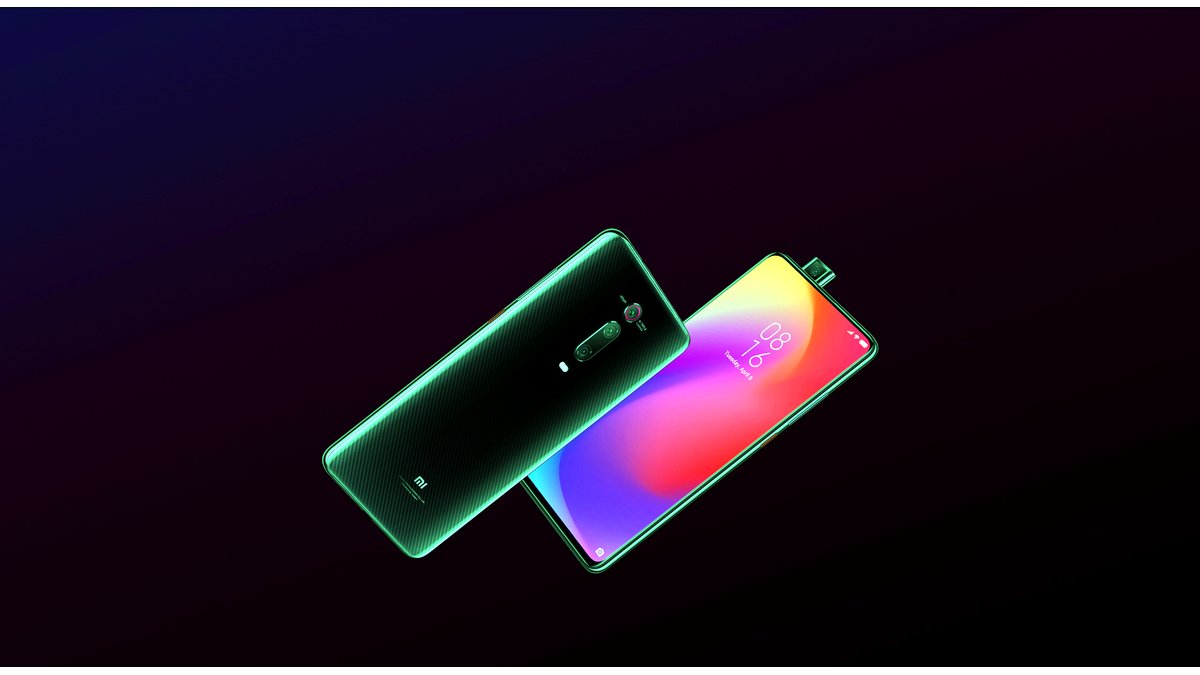
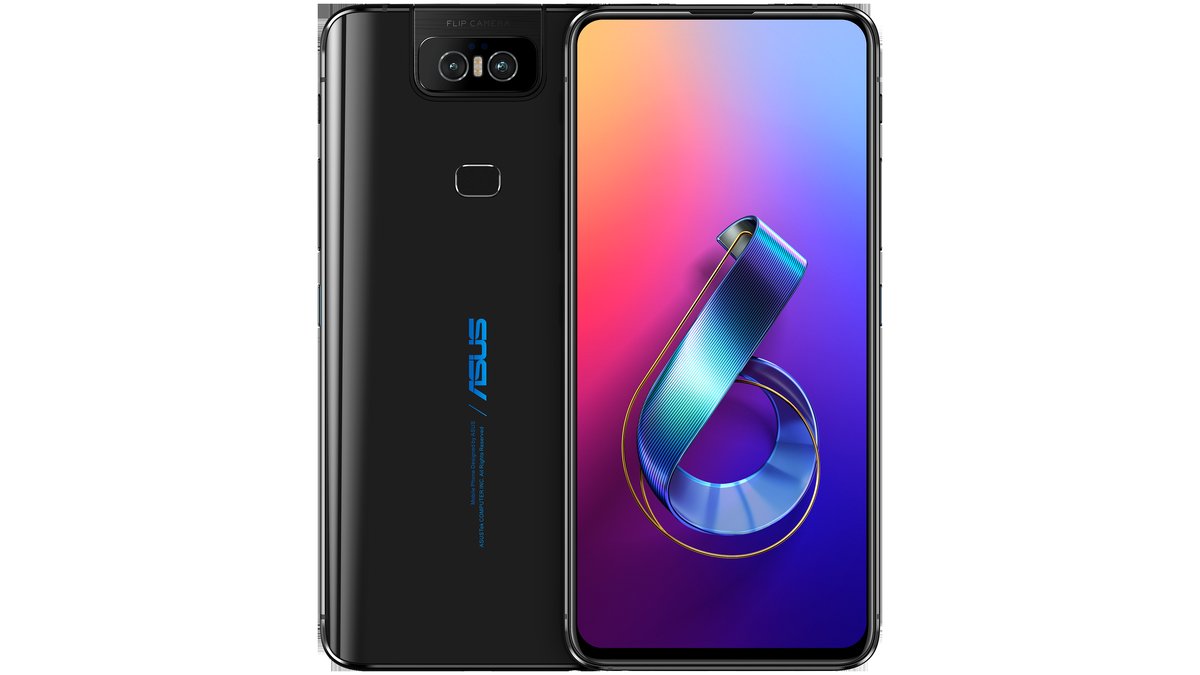
A pop-up camera phone hides the selfie camera in a small motorized module that slides or flips out of the phone’s body only when needed, leaving the front display completely uninterrupted the rest of the time. Several manufacturers experimented with this mechanism a few product generations back as a way to maximize screen-to-body ratio before notches and under-display cameras became the more common solutions.
What to Look For When Considering a Pop-Up Camera Phone
Mechanism Durability and Rated Cycles
Makers of these phones typically stated a rated number of open/close cycles for the pop-up mechanism, often in the tens of thousands, as reassurance against mechanical wear. Because the design relies on a moving part, any unit being bought secondhand today is worth checking for signs of a loose, slow, or grinding mechanism before purchase.
Water and Dust Resistance
Pop-up mechanisms generally meant these phones lacked a meaningful IP water-resistance rating, since a moving camera module is difficult to seal against moisture the way a fixed hole-punch or under-display camera can be. This is one of the clearest trade-offs of the mechanism and worth weighing against how the phone will actually be used.
Age and Software Support
Because this is now an older category of device, checking how long the manufacturer continued software and security updates for the specific model is important before buying, especially secondhand. A phone that’s stopped receiving security patches carries real risk for everyday use, regardless of how novel its camera mechanism still looks.
Battery Health (Secondhand Units)
Multi-year-old phones commonly show reduced battery life compared to new, so asking a seller for a battery health reading or checking it yourself after purchase is a reasonable step. This matters more for this category than for a current new phone, since nearly all pop-up camera options now fall into the used or refurbished market.
Alternative: Under-Display Camera Phones
Current flagship phones from several makers now use a camera embedded beneath the display itself, achieving a similarly uninterrupted screen without a moving part. These avoid the water-resistance and mechanical-wear trade-offs of pop-up designs, at the cost of selfie image quality that can look slightly softer since light has to pass through the display layer.

At a Glance: Pop-Up and Uninterrupted-Screen Phone Options
| Category | Best For | Key Stated Specs | Limits |
|---|---|---|---|
| Secondhand pop-up camera phone (previous generation) | Buyers specifically wanting the pop-up mechanism experience | Rated mechanism cycle count, full-screen front display | No meaningful water resistance, aging software support |
| Current under-display camera phone | Buyers wanting uninterrupted screen on current hardware | Camera embedded beneath display panel, modern water resistance ratings | Selfie image quality softer than a standard front camera |
| Current hole-punch camera flagship | Buyers prioritizing camera quality and durability over screen purity | Standard IP water resistance, high-resolution selfie sensor | Small camera cutout visible in the display |
Fit and Compatibility Notes
If buying a used pop-up camera phone, confirm it’s unlocked and compatible with your carrier’s current network bands, since some older models may lack support for newer network frequencies depending on region and carrier. Also confirm the seller includes a working charging cable and that the phone hasn’t been flagged as lost or stolen through a standard IMEI check before completing any secondhand purchase.
Pick X If…
| If you… | Choose |
|---|---|
| Specifically want the retro pop-up mechanism experience | A well-reviewed secondhand previous-generation pop-up camera phone |
| Want an uninterrupted screen on current, supported hardware | A current under-display camera phone |
| Prioritize water resistance and camera quality over screen purity | A current hole-punch or standard notch flagship |
| Are buying secondhand on a tight budget | A pop-up model with verified battery health and working mechanism |
Why This Design Faded
Pop-up cameras added mechanical complexity, weight, and a failure point that fixed cameras don’t have, and as display technology improved, makers found other ways to shrink the camera’s visual footprint without a moving part. That shift is why most current phone lineups have moved to hole-punch or under-display designs instead of continuing the pop-up mechanism into new generations.
Alternatives to Consider
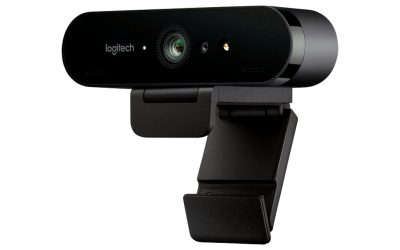
A phone with a small hole-punch camera cutout is the most common current alternative and offers better image quality and water resistance than a pop-up design, at the cost of a small visible dot in the display. A phone with a traditional notch is another widely available option, typically cheaper than either pop-up or under-display designs. For buyers who want the “no visible camera” look specifically for video calls or content creation, an external webcam used with a tablet or laptop sidesteps the phone camera question entirely.
What to Check Before Buying Secondhand
Test the pop-up mechanism several times in person or ask the seller for a video demonstrating it opening and closing smoothly without hesitation, grinding, or needing a second attempt. Check the screen for dead pixels or burn-in, which becomes more common as OLED panels age, and confirm the fingerprint sensor or face unlock, if the model has one, still works reliably. Asking specifically about any drop or water exposure history is reasonable given the mechanism’s lack of sealing, since a drop that wouldn’t damage a sealed phone could misalign a pop-up module.
Buying from a seller or platform that offers at least a short return window protects against a mechanism that seems fine in a quick demo but fails within days of regular use. Comparing the asking price against typical secondhand pricing for the same model and condition elsewhere helps avoid overpaying for the novelty of the mechanism alone.
It’s also worth asking whether the phone has ever been serviced or had the pop-up module replaced, since a repaired mechanism from a reputable shop can be just as reliable as an original one, while an unofficial repair might reintroduce the exact alignment or sealing issues the original design already struggled with. Keeping expectations realistic about long-term support, since software updates for these models have likely slowed or stopped, helps avoid disappointment after the purchase.
Frequently Asked Questions
Are pop-up camera phones still being made today?
Very few, if any, current phone lineups continue using pop-up camera mechanisms, as manufacturers have largely shifted to hole-punch and under-display camera designs. Buyers interested in this feature today are mostly looking at previous-generation or secondhand devices.
Is the pop-up camera mechanism reliable long-term?
Makers rated these mechanisms for a stated number of open/close cycles, generally designed to outlast typical phone ownership periods, but any mechanical part can wear or fail over time, especially with drops or dust exposure. Checking mechanism function carefully before buying a secondhand unit is important.
Do pop-up camera phones have water resistance?
Most pop-up camera phones lacked a meaningful IP water-resistance rating because the moving camera module is difficult to seal effectively. This remains one of the most significant trade-offs compared to current fixed-camera designs.
What replaced pop-up cameras in newer phones?
Hole-punch cutouts and, in some current flagships, under-display cameras embedded beneath the screen have largely replaced pop-up mechanisms. Both avoid the mechanical complexity and water-resistance compromises of a pop-up design.
Is it safe to buy a secondhand pop-up camera phone?
It can be reasonably safe if you check the mechanism’s function, confirm battery health, verify the IMEI isn’t flagged as lost or stolen, and consider how much longer the manufacturer will support it with security updates. Buying from a reputable secondhand seller with a return window reduces risk further.
Do under-display cameras take worse selfies than pop-up cameras did?
Generally yes; because light has to pass through the display layer above an under-display camera, selfie image quality tends to be softer compared to a fully exposed sensor like those used in pop-up mechanisms. Manufacturers continue to improve this with software processing, but it remains a known trade-off.