Key takeaways
- A cabin with no internet service at all needs a cellular-connected camera that sends alerts over a mobile network, while a cabin that has no in-building Wi-Fi but does get a usable cell signal has the same answer, and only…
A cabin with no internet service at all needs a cellular-connected camera that sends alerts over a mobile network, while a cabin that has no in-building Wi-Fi but does get a usable cell signal has the same answer, and only a cabin that truly has zero connectivity of any kind should fall back to a fully local, SD-card-only camera with no remote viewing. “Without Wi-Fi” for a remote cabin almost always means replacing a home Wi-Fi network with a cellular data connection rather than giving up connectivity entirely.
As an Amazon Associate, we earn from qualifying purchases made through links on this page.
Why cabins need a different camera category
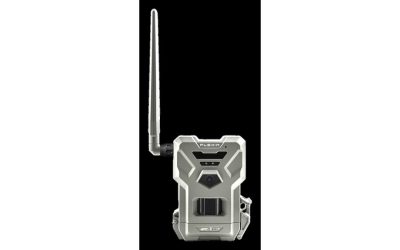
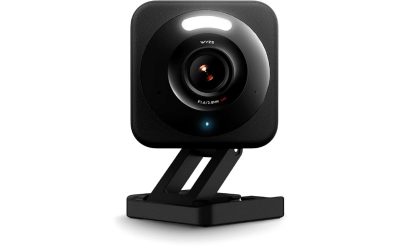
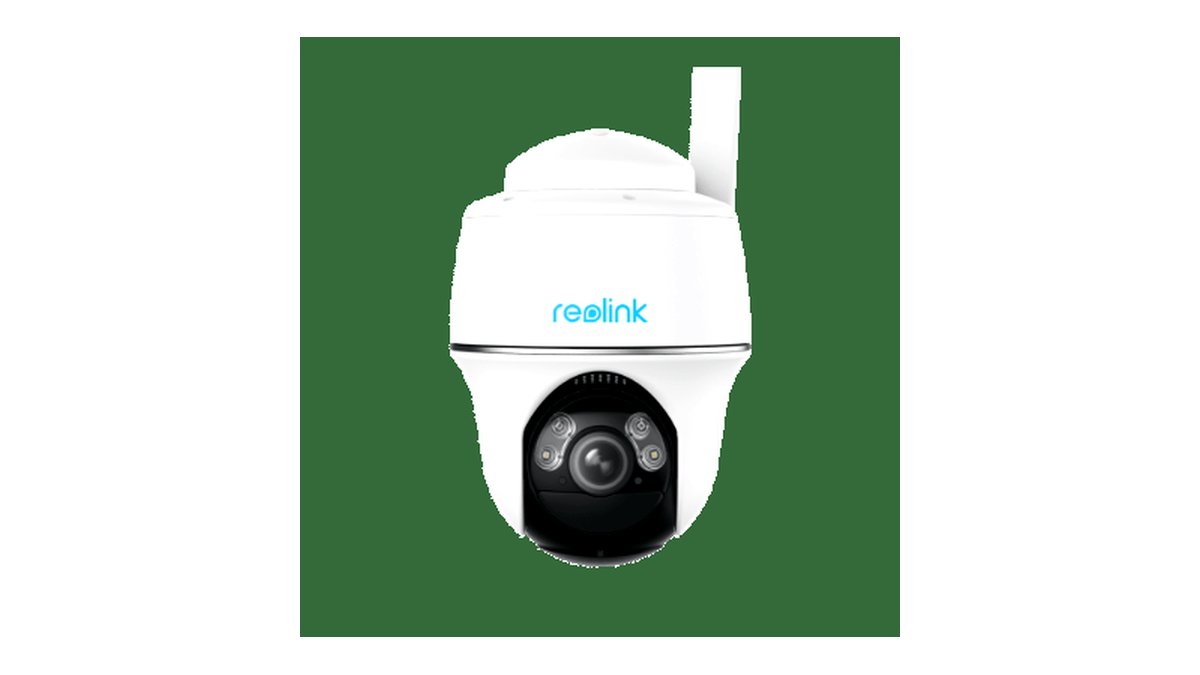
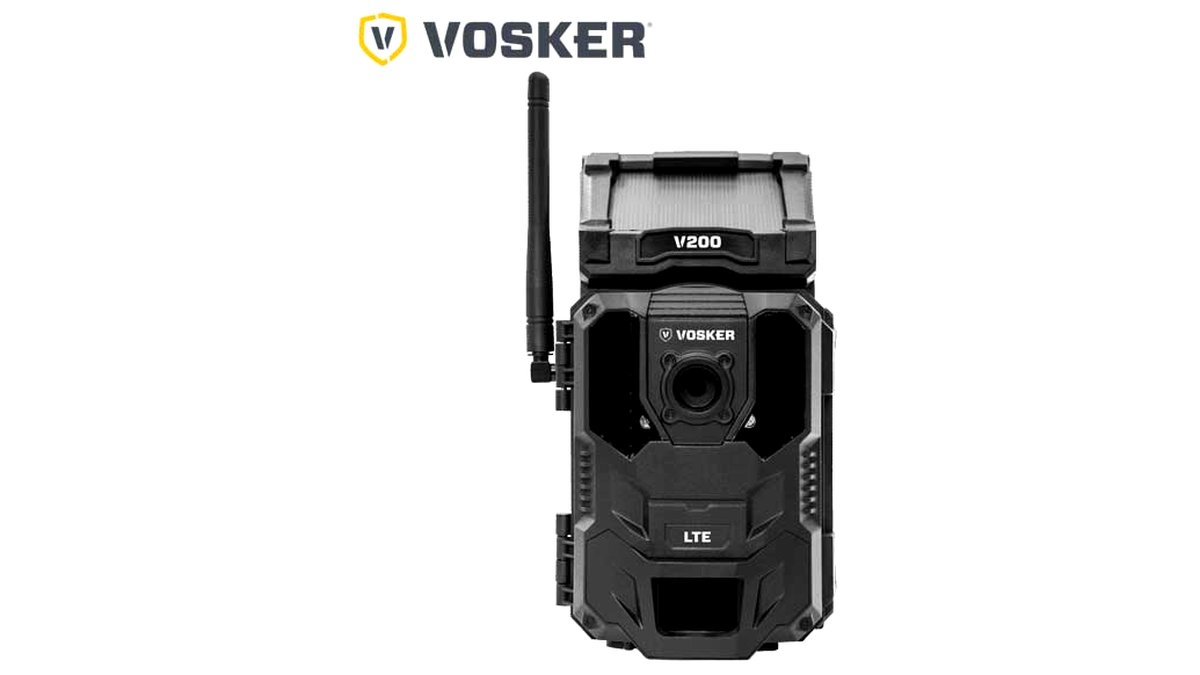
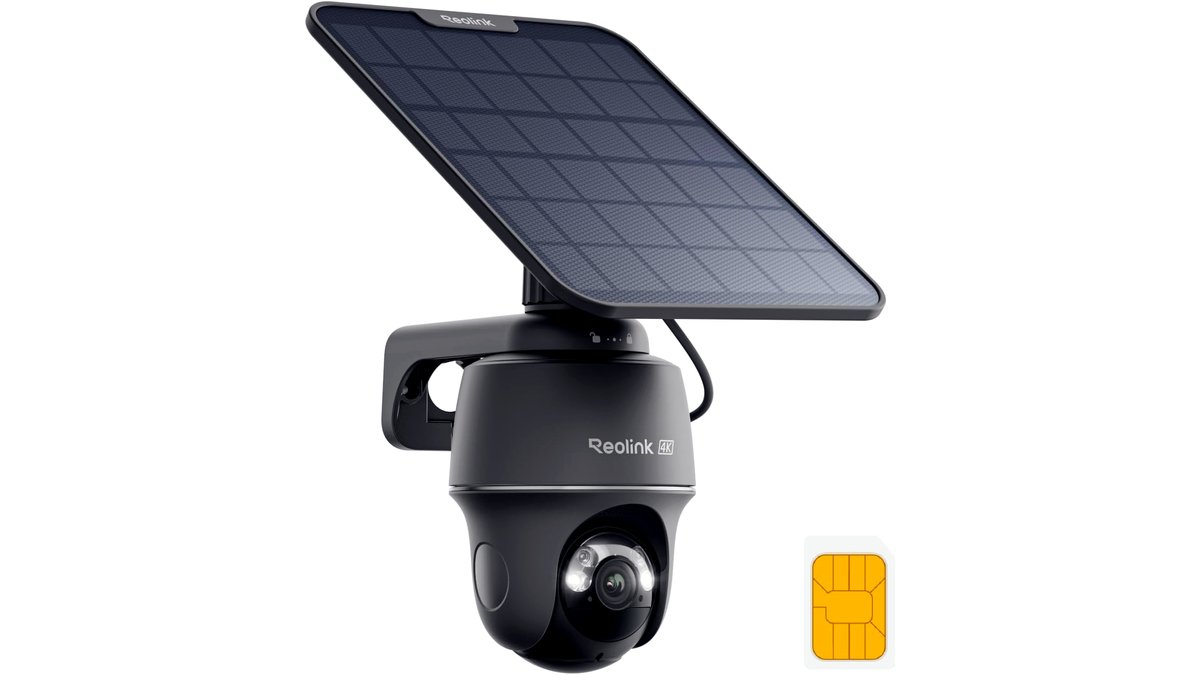
Most mainstream home security cameras are built around a Wi-Fi connection to a home router, which simply isn’t available at a cabin without broadband service installed. The category built for this situation is the cellular trail-camera-style security camera, originally popularized for hunting and wildlife monitoring, which instead uses a cellular data connection (often through a SIM card on a major carrier’s network or a maker-managed data plan) to send photo and video alerts directly to a phone app, with no router or Wi-Fi network involved at any point. These cameras are commonly battery-powered or solar-assisted, which matters for cabins without reliable mains power as well.
Cellular connectivity: signal, data plans, and carrier coverage
Before buying any cellular security camera, checking actual cell signal strength at the cabin’s exact location is the single most important step, since these cameras perform only as well as the cellular signal available there; a camera that works perfectly in a suburban yard can be nearly useless in a weak-signal rural location. Most cellular security cameras require an ongoing data plan, either billed directly by the camera maker or through a separate SIM the owner manages, and plan costs and data allowances vary enough between makers that it’s worth checking the plan structure, not just the camera’s hardware price, before committing to a brand. Some makers support multiple carriers or automatically select the strongest available network, which can be a meaningful advantage in areas where one carrier is noticeably weaker than others.
Power options for off-grid locations
Cabins often lack continuous mains power near the ideal camera placement, so battery life and solar-charging compatibility matter more here than for a typical suburban install. Many cellular security cameras run on replaceable or rechargeable battery packs rated by the maker for weeks to months between changes depending on how many events trigger recording, and several models support an add-on solar panel that can extend battery life indefinitely in locations with reasonable sun exposure. For cabins with no power source at all near the entry points being monitored, prioritizing a model with a stated long standby battery life and solar compatibility avoids frequent trips just to swap batteries.
Local storage versus cloud storage without home internet
Because there’s no home Wi-Fi network to stream footage over, most cellular cameras rely on a local SD card for full continuous or event-triggered video storage, while sending smaller compressed clips or still images over the cellular connection for remote alerts and viewing. This two-tier approach (full footage on the card, lighter-weight alerts over cellular) is standard across the category and worth understanding, since it means remotely viewing full-quality footage usually isn’t possible until someone physically retrieves the SD card, even though real-time alerts and lower-resolution preview clips do come through over the cellular link.
Detection range, night vision, and weatherproofing
Cabin settings often mean monitoring a wider perimeter (a driveway, a tree line, an approach path) rather than a close front door, so detection range and motion-sensor sensitivity matter more here than for typical porch cameras. Infrared night vision is standard on most models in this category, and reviewers covering trail and security cameras note that stated night-vision range figures can vary meaningfully in real-world conditions depending on how open or obstructed the monitored area is. Since these cameras are typically mounted outdoors full-time in remote, unattended locations, a strong IP-rated weatherproof housing matters more than it would for a camera someone checks on daily.
| Camera type | Best for | Key stated traits | Limits |
|---|---|---|---|
| Cellular (SIM-based) security camera | Cabins with workable cell signal but no internet service | Real-time phone alerts, no router needed, battery or solar powered | Requires an ongoing data plan; limited by local cell signal strength |
| Solar-assisted cellular camera | Remote cabins with sun exposure and no easy access for battery swaps | Extended or indefinite battery life with solar panel attached | Needs decent sun exposure at the mounting spot; added upfront cost for the panel |
| Local-storage-only camera (no cellular, no Wi-Fi) | Cabins with zero connectivity of any kind | Records to SD card only, no data plan needed, lowest ongoing cost | No remote alerts or viewing; footage only available on physical retrieval |
| Satellite-connected security camera | Extremely remote cabins with no cell signal at all | Works via satellite network rather than cellular towers | Niche category; typically higher cost and lower resolution/update frequency than cellular models |
Pick this if…
| If you… | Choose |
|---|---|
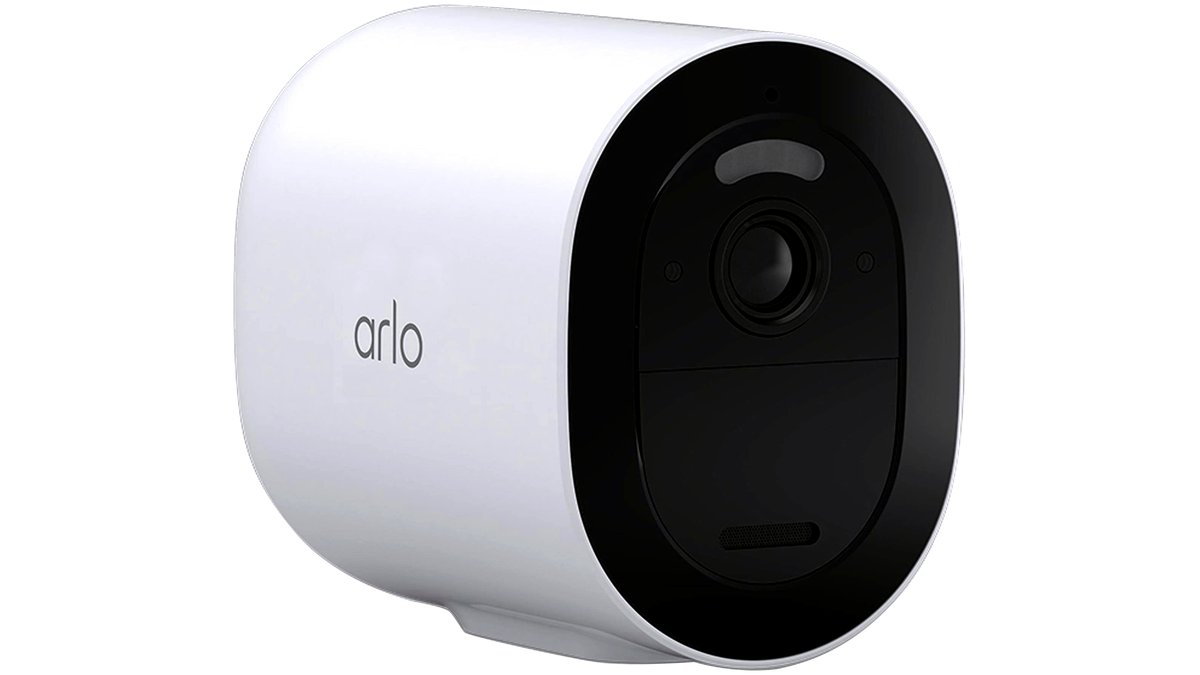
| Get a usable cell signal at the cabin | A cellular security camera with a data plan from a supported carrier |
| Have no easy access to swap batteries often | A solar-assisted cellular camera mounted with good sun exposure |
| Have genuinely zero connectivity, including cellular | A local-storage-only camera, accepting no remote alerts |
| Need to cover a long driveway or wide perimeter | A model with a stated wide detection range and adjustable sensitivity |
| Visit the cabin rarely but want to know about activity sooner | A cellular camera with instant push alerts, even over a modest data plan |
Alternatives worth considering
Installing a satellite internet dish (where feasible and within budget) turns the cabin into a connected location and opens up the full range of standard Wi-Fi security cameras, though it’s a bigger upfront commitment than a standalone cellular camera. A cellular hotspot device paired with standard Wi-Fi cameras is another route, effectively creating a local Wi-Fi network off a cellular signal, which can work well if the cabin needs multiple cameras or other connected devices rather than just one standalone unit. A simple motion-triggered trail camera built for hunting use, rather than one marketed specifically as a “security” camera, can also work for basic monitoring at a lower cost, though these are generally built around wildlife photography use cases rather than security-specific features like two-way audio or live view.
Frequently Asked Questions
Do cellular security cameras work without any Wi-Fi at all?
Yes, that’s the entire point of the category; they connect directly to a cellular data network rather than to a home Wi-Fi router, so no internet service or Wi-Fi network is needed at the cabin itself. The only requirement is a workable cell signal at the camera’s mounting location.
How much does the data plan typically cost?
Plans vary by maker and by how much footage and how many alerts the camera sends, generally running as a monthly or seasonal subscription billed through the camera’s own app rather than a traditional phone carrier bill. It’s worth comparing the data plan structure between makers, not just the camera hardware, since the ongoing plan cost is a real part of total ownership cost.
What if there’s no cell signal at my cabin either?
In that case a cellular camera won’t function for remote alerts, and the realistic options are a local-storage-only camera with no remote viewing, a satellite-based security camera, or installing some form of satellite internet service to the property. Checking actual signal strength on-site before buying avoids an unpleasant surprise after installation.
How long do the batteries last in these cameras?
This depends heavily on how many motion events trigger recording and alerts, with makers commonly stating ranges from several weeks to a few months under moderate use. Locations with frequent wildlife or foliage movement will drain the battery faster than a quiet, low-traffic monitoring spot, and adding a solar panel is the usual fix for heavy-use locations.
Can I view live video, or only get alert clips?
Many current cellular cameras do support on-demand live view over the cellular connection, though image quality and responsiveness depend on the local signal strength. Full-quality continuous footage, however, usually still requires physically retrieving the SD card rather than streaming it remotely.
Are these cameras weatherproof for year-round outdoor cabin use?
Most models in this category are built for outdoor, unattended use and carry a stated IP weatherproof rating, since the category grew out of hunting trail cameras meant to be left outside for extended periods. It’s still worth checking the specific IP rating and the maker’s stated temperature range if the cabin sees extreme cold or heat.