Key takeaways
- First-time safari travelers who want to understand camera settings and animal behavior before the trip are best served by a beginner-friendly guide that pairs technical basics with field craft, while photographers who already know their camera but want sharper wildlife…
First-time safari travelers who want to understand camera settings and animal behavior before the trip are best served by a beginner-friendly guide that pairs technical basics with field craft, while photographers who already know their camera but want sharper wildlife results need a book focused specifically on composition, light, and animal behavior patterns. Safari photography guide books generally split into these two camps, and picking the right one depends on where your current skill gap actually is.
As an Amazon Associate, we earn from qualifying purchases made through links on this page.
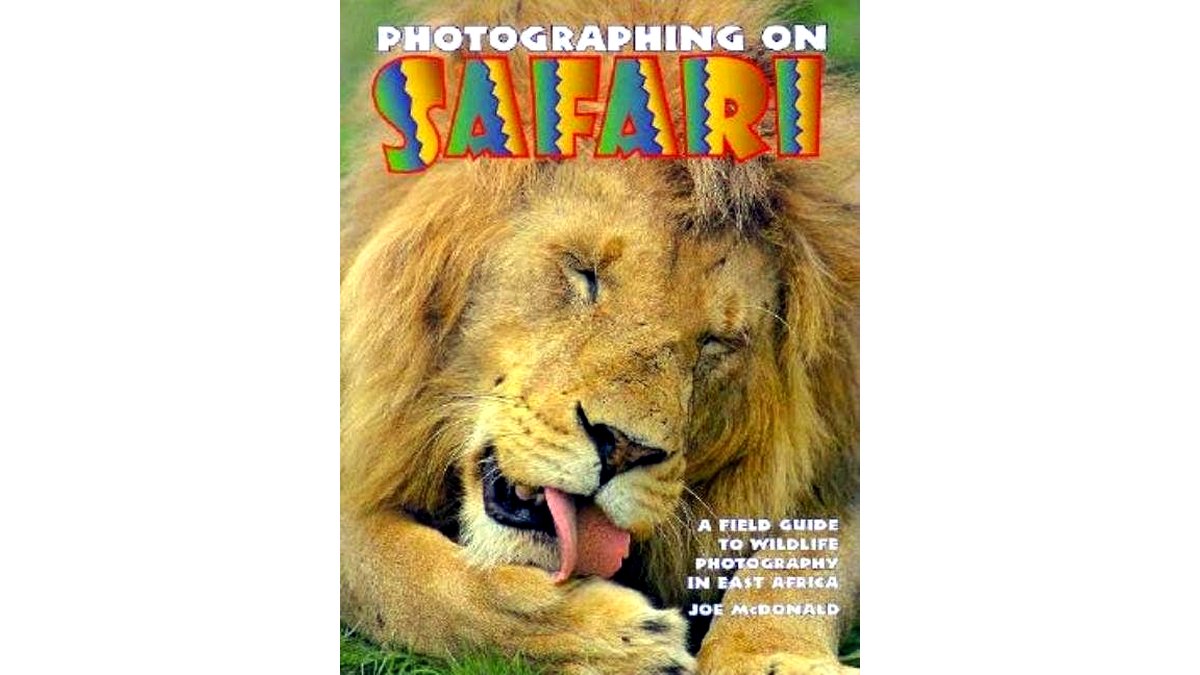
These guides typically combine camera technique (shutter speed for movement, autofocus modes for erratic subjects, lens choice for distance) with safari-specific knowledge like animal behavior cues, best times of day for light and activity, and vehicle-based shooting techniques. The best ones are written by photographers with extensive safari field experience rather than general wildlife photography authors who’ve only visited once or twice.
What to Look For in a Safari Photography Guide Book
Author’s Safari-Specific Experience
Authors who have spent extended time guiding or shooting specifically in African safari destinations tend to cover details general wildlife photography books miss, like how dust and heat haze affect image quality at midday, or how to anticipate movement from a stationary vehicle. Check the author’s background in the book’s description before buying.
Technical Depth vs. Accessibility
Some guides assume you already understand exposure triangle basics and jump straight into safari-specific settings, while others start from the ground up explaining aperture, shutter speed, and ISO before applying them to wildlife scenarios. Match this to your actual starting skill level rather than buying the most advanced-sounding title.
Equipment Recommendations
Good guides discuss lens focal length ranges, teleconverter use, and camera settings in terms of trade-offs (reach vs. low-light performance, for example) rather than pushing a specific pricey setup as mandatory. Be cautious of guides that read mostly as gear endorsements rather than instructional content.
Visual Examples and Breakdown
Books that include the photographer’s own images alongside settings used and an explanation of what worked or didn’t are more useful than text-only technique descriptions. Look for sample pages or a table of contents that shows a mix of narrative and annotated photo examples.
Format: Print vs. Digital
A physical book travels well for pre-trip study but adds luggage weight; a digital or e-reader version saves space and can be referenced on a phone during downtime at camp. Some guides are only available in one format, so check availability before deciding based on preference alone.
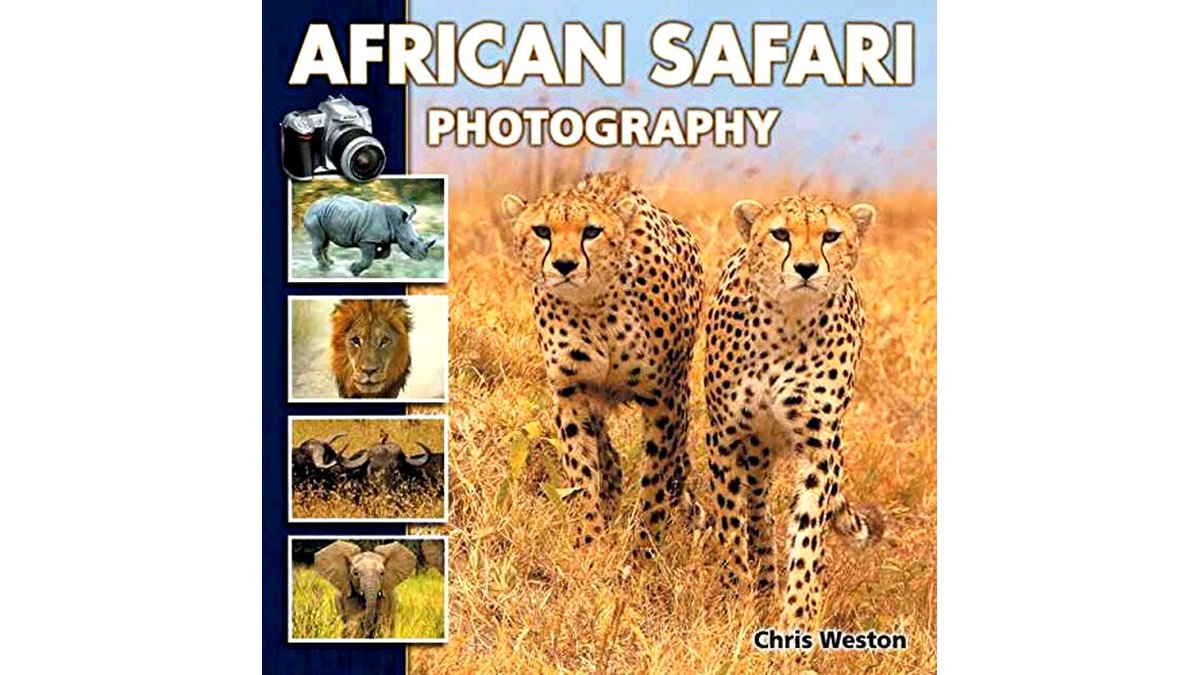
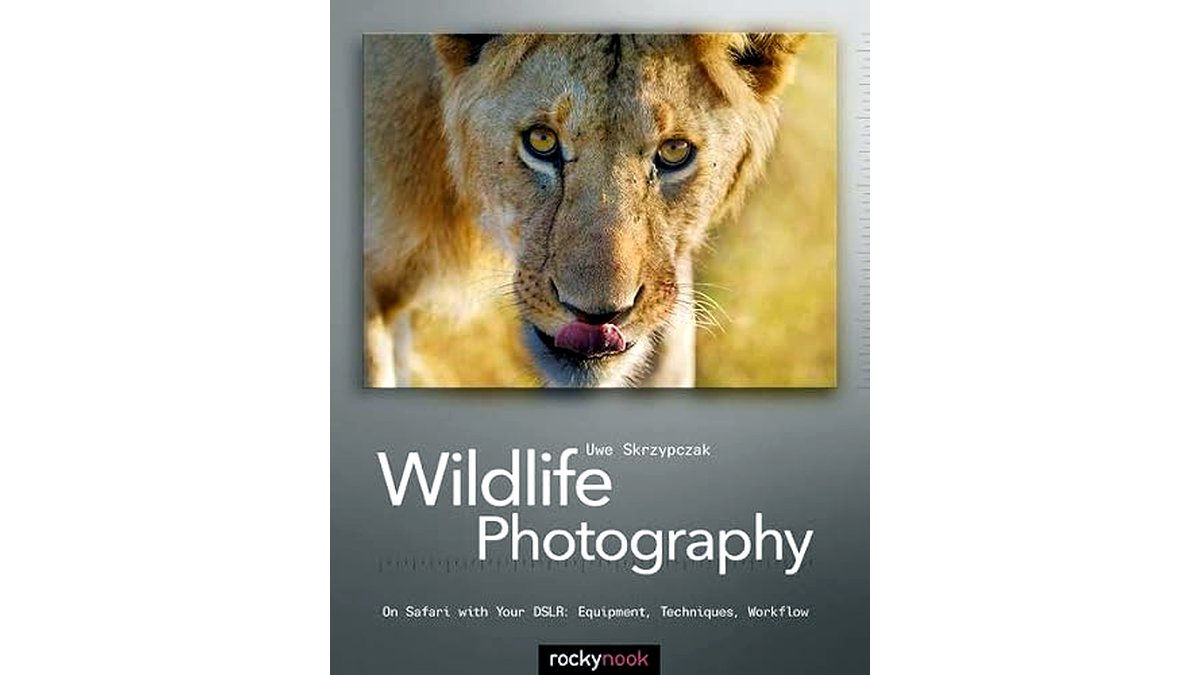
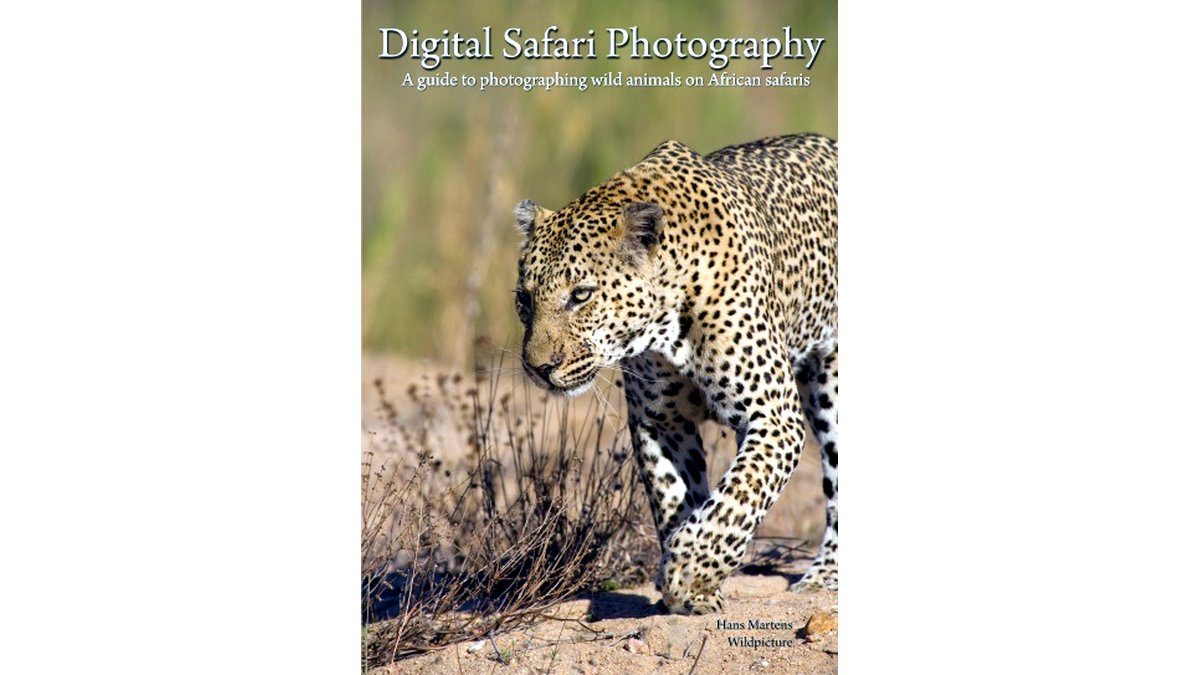
At a Glance: Safari Photography Guide Book Types
| Category | Best For | Key Stated Specs | Limits |
|---|---|---|---|
| Beginner all-in-one guide | First-time safari travelers new to wildlife photography | Covers camera basics plus safari-specific technique | Less depth on advanced composition for experienced shooters |
| Advanced technique and composition guide | Photographers with camera basics already down | Focus on light, behavior timing, and composition | Assumes prior exposure/settings knowledge |
| Destination-specific field guide | Travelers visiting a specific park or region | Pairs species and behavior info with photography tips | Less transferable to other safari regions |
| Gear-focused guide | Photographers deciding on lens/camera setup pre-trip | Detailed equipment comparisons and recommendations | Lighter on in-field technique and behavior content |
What to Expect from These Guides
Most safari photography books organize content around the realities of vehicle-based shooting: working within a game drive vehicle’s limited movement and angles, handling dust and vibration, and reacting quickly to animals that may only be visible or active for a short window. Expect sections on golden-hour light timing, since safari activity and photographic light both tend to peak early morning and late afternoon, with a quieter, harsher-light midday in between.
Pick X If…
| If you… | Choose |
|---|---|
| Are new to both photography and safari travel | Beginner all-in-one guide |
| Already know your camera but want better wildlife results | Advanced technique and composition guide |
| Are visiting one specific park or region repeatedly | Destination-specific field guide |
| Are still deciding on a lens or camera body for the trip | Gear-focused guide |
| Want a reference to flip through at camp each evening | A guide available in a lightweight or digital format |
Reading Before vs. During the Trip
Reading a technical guide in full before departure helps the camera settings become second nature, since there’s rarely time to study during an actual game drive. A shorter reference-style guide or quick-reference card summarizing key settings for common scenarios (fast-moving animals, low light, birds in flight) is more useful to keep on hand during the trip itself than a dense full-length book.
Alternatives to Consider
Online video courses from wildlife photographers cover similar ground to a guide book and can show technique in motion rather than through still images and text, which suits visual learners. Joining a photography-focused safari tour, where a guide offers in-field coaching, can replace or supplement a guide book entirely for travelers who learn better with direct feedback. A general wildlife photography book (not safari-specific) paired with a short regional field guide to the destination’s animals can also cover similar ground if a dedicated safari photography title isn’t available for the specific region being visited.
Building a Pre-Trip Study Plan
Reading a guide book cover to cover a few weeks before departure, then returning to a quick-reference summary in the final days before the trip, tends to retain more than a single read-through close to departure. Practicing the specific settings a guide recommends, autofocus tracking modes, shutter speed ranges for different movement speeds, on everyday subjects like pets, cars, or birds at a local park turns the book’s advice into muscle memory rather than something you’re trying to recall for the first time in the field.
Many guides also include checklists for pre-trip preparation, covering memory card capacity, backup storage plans, and lens cleaning kits, that are easy to overlook when the bulk of attention goes toward camera settings. Reviewing these logistics sections alongside the technical content rounds out the preparation a guide book is meant to provide.
Frequently Asked Questions
Do I need a photography guide book if I’m using a guided safari tour?
A guide can point out animals and good vantage points, but most safari guides aren’t photography specialists, so a guide book still helps with camera settings and composition the tour guide likely won’t cover in depth. The two are complementary rather than redundant.
What camera skills should I learn before a safari trip?
Fast autofocus tracking, appropriate shutter speed selection for moving subjects, and understanding how to adjust exposure quickly in changing light are the core skills most guide books emphasize. Practicing these settings on moving subjects (pets, birds, traffic) before the trip helps build muscle memory.
Is a safari-specific guide better than a general wildlife photography book?
A safari-specific guide covers details unique to vehicle-based shooting, dust, heat haze, and the specific behavior patterns of commonly seen safari animals, which a general wildlife photography book may not address. For travelers who already have strong general wildlife photography skills, a general book may still suffice.
Should I buy a guide book focused on a specific destination?
If you’re visiting one park repeatedly or want deep species-specific knowledge for that region, a destination-specific guide adds value; for a first safari to any general location, a broader technique-focused guide is usually more useful. Many core photography principles transfer across safari destinations regardless of region.
How much should equipment recommendations in a guide book be trusted?
Guides that explain trade-offs (focal length range vs. weight, aperture vs. low-light performance) are more trustworthy than ones that push a single specific camera or lens as mandatory. Cross-check any specific gear recommendation against your own budget and travel weight limits rather than following it exactly.
Can a photography guide book help with more than just camera settings?
Many guides also cover trip planning details like best seasons for sightings, vehicle positioning etiquette, and how to pack for dust and weather, which extends their usefulness beyond pure photography technique. This makes them worth reading even for travelers who already feel confident with their camera.