Key takeaways
- Check whether a listed price is body-only or a kit with a lens included; at this budget, interchangeable-lens cameras almost always need to be bought as a kit to stay within range.
- Memory cards and sometimes a spare battery are often not included at this price tier, so budget for those separately when comparing total cost.
- Older DSLR models still sold new usually have a mature, often secondhand-friendly lens ecosystem, which can be an advantage for buyers planning to expand their kit over time through used lens purchases.
- Video specifications vary widely in this tier; buyers who care about video as much as stills should confirm resolution, frame rate, and whether autofocus works reliably while recording, since budget bodies often compromise here first.
A buyer who wants their first real camera for travel and everyday shooting should look at an entry-level mirrorless or point-and-shoot in this budget tier, someone upgrading from a phone mainly for zoom reach should consider a superzoom compact, and anyone who cares most about future lens options should prioritize a mirrorless body over a fixed-lens camera even if it means a more basic kit lens.
As an Amazon Associate, we earn from qualifying purchases made through links on this page.
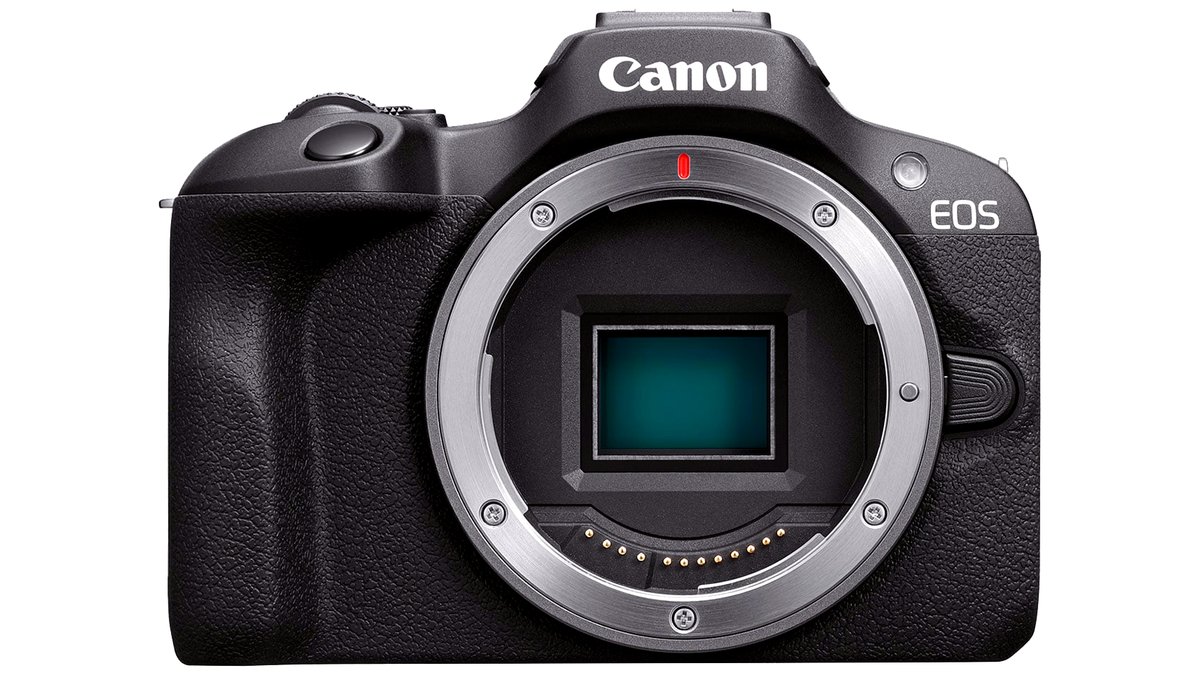
Under a budget cap this size, new cameras available tend to fall into three groups: basic mirrorless bodies sold with a kit lens, fixed-lens point-and-shoot or superzoom compacts, and older-generation DSLRs that have stayed in production or recently come down in price. Each group makes a different tradeoff between image quality, zoom flexibility, and room to grow.
Quick picks at a glance
| Camera type | Best for | Key stated specs | Limits |
|---|---|---|---|
| Entry-level mirrorless with kit lens | Buyers who want the best image quality and future upgrade path | APS-C sensor, interchangeable lens mount, basic autofocus tracking | Kit lens is usually a modest zoom range; body-only deals rare at this budget |
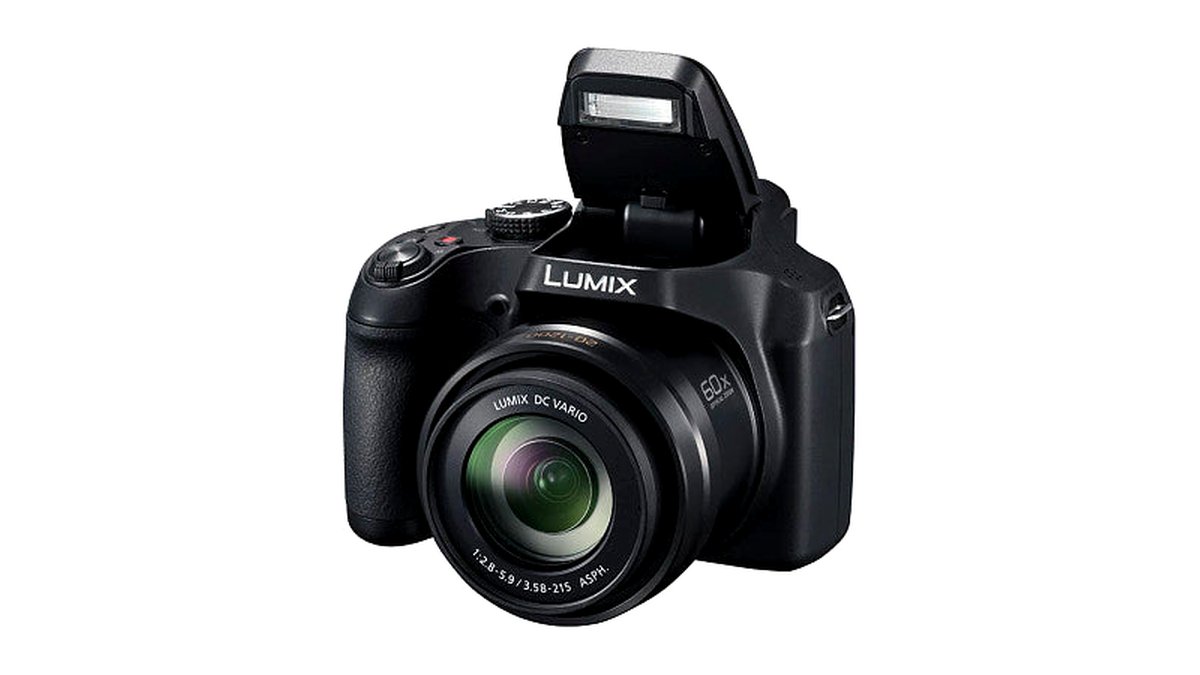
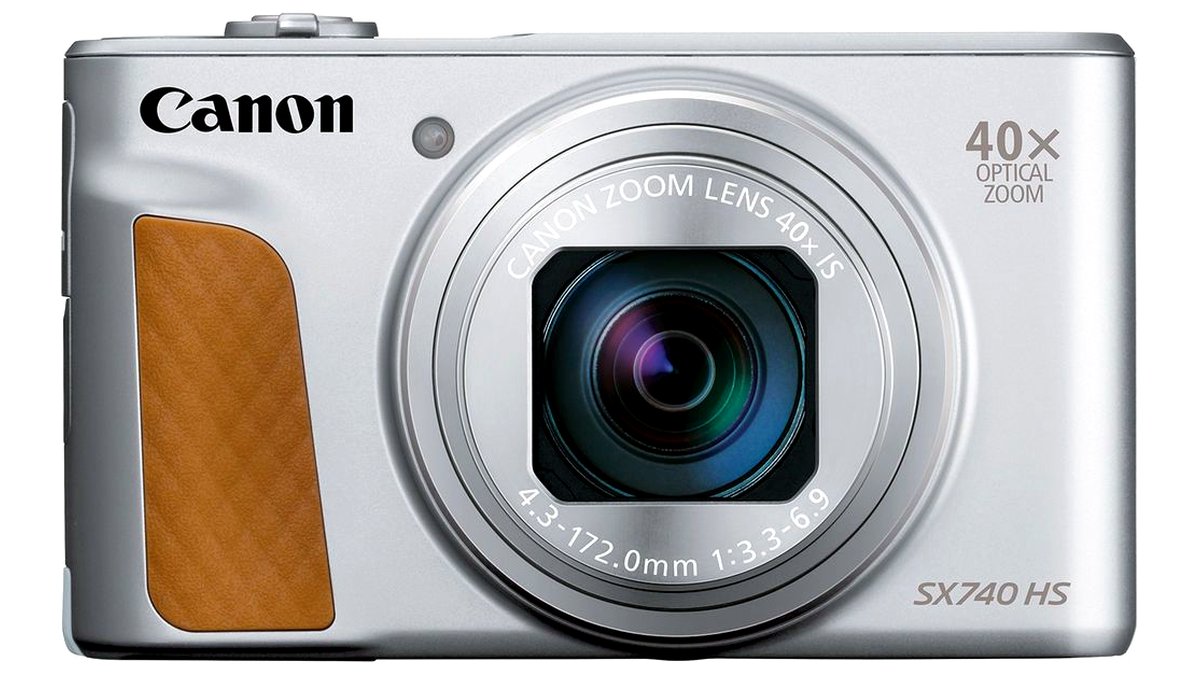
| Superzoom compact | Travel, wildlife-at-a-distance, sports on a budget | Fixed lens with a long zoom range, built-in stabilization | Smaller sensor limits low-light and background blur quality |
| Basic point-and-shoot compact | Simple, pocketable everyday use | Fixed standard zoom, automatic modes | Fewer manual controls, modest image quality in low light |
| Older-generation entry DSLR | Buyers wanting an optical viewfinder and a mature lens ecosystem | APS-C sensor, standard kit zoom lens | Bulkier than mirrorless, video features usually weaker |
| Used or refurbished mid-tier mirrorless | Buyers comfortable with secondhand gear for more capability per unit spent | Varies by model and condition | No manufacturer warranty on fully used units; condition varies |
Entry-level mirrorless cameras
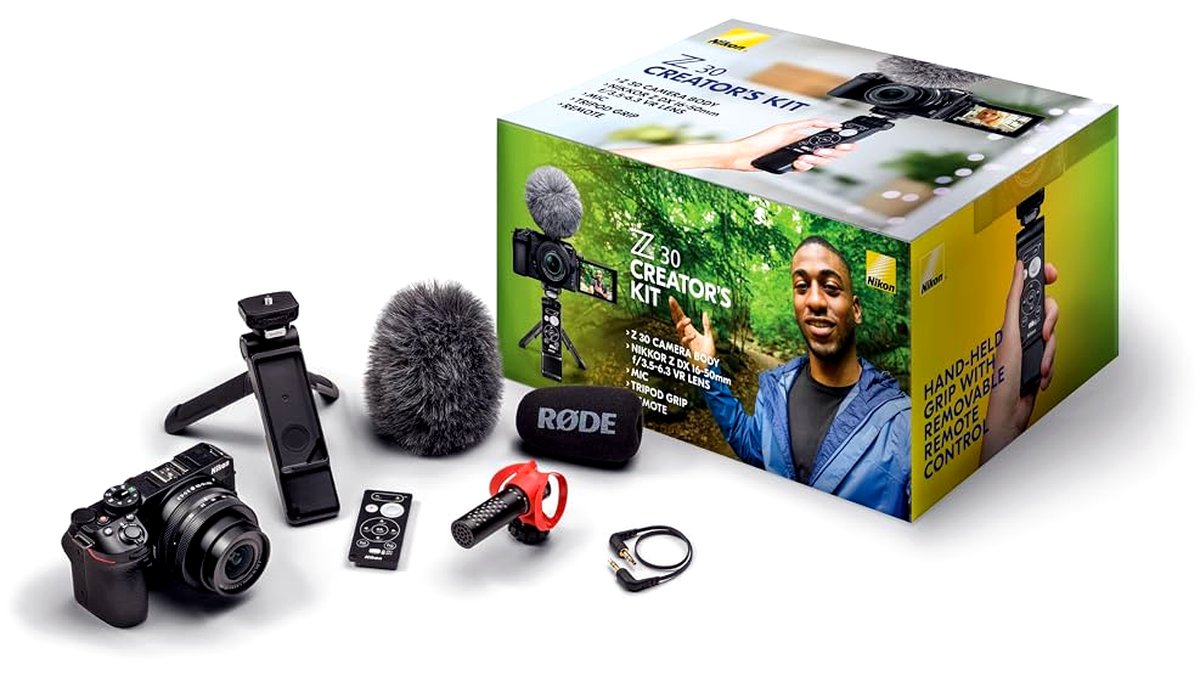
At this budget level, mirrorless bodies from major makers typically come as a kit with a basic zoom lens rather than sold body-only, since body-only pricing tends to sit above this range. These bodies generally use an APS-C sensor, which outperforms the smaller sensors found in most compacts for low-light shooting and background separation. Autofocus performance varies more by model generation than by brand at this price point, so checking whether a specific body includes recent subject-tracking autofocus is worth doing before buying, since older entry-level bodies sold at this price can have noticeably slower or less reliable focus tracking than current-generation equivalents.
The main appeal of starting with a mirrorless system, even a basic one, is the lens mount. Buyers who later want a wider lens for landscapes, a longer lens for wildlife, or a fast prime for portraits can add to the same body rather than starting over, which is not possible with a fixed-lens compact.
Superzoom and point-and-shoot compacts
Fixed-lens compacts trade sensor size and low-light performance for convenience and, in the case of superzoom models, a dramatically longer zoom range than any affordable kit lens can offer. A superzoom compact in this budget range can typically reach well past what an entry-level mirrorless kit lens covers, which matters for buyers photographing distant subjects like wildlife, air shows, or sports from the stands. The compromise is image quality in dim conditions, since these cameras generally use a smaller sensor than APS-C mirrorless bodies, and digital noise becomes more visible indoors or at dusk.
Basic point-and-shoot compacts without a long zoom are the simplest and usually smallest option, aimed at buyers who mainly want a step up from a phone camera for standard snapshot use rather than a specific zoom or low-light need.
Fit and compatibility notes
- Check whether a listed price is body-only or a kit with a lens included; at this budget, interchangeable-lens cameras almost always need to be bought as a kit to stay within range.
- Memory cards and sometimes a spare battery are often not included at this price tier, so budget for those separately when comparing total cost.
- Older DSLR models still sold new usually have a mature, often secondhand-friendly lens ecosystem, which can be an advantage for buyers planning to expand their kit over time through used lens purchases.
- Video specifications vary widely in this tier; buyers who care about video as much as stills should confirm resolution, frame rate, and whether autofocus works reliably while recording, since budget bodies often compromise here first.
Pick this if…
| Situation | Recommended option |
|---|---|
| Want the best image quality this budget allows and may add lenses later | Entry-level mirrorless kit |
| Need long zoom reach for distant subjects, don’t want to buy telephoto lenses | Superzoom compact |
| Want the smallest, simplest option for casual everyday photos | Basic point-and-shoot compact |
| Prefer an optical viewfinder and don’t mind extra bulk | Older-generation entry DSLR |
| Comfortable buying secondhand for more capability per unit spent | Used or refurbished mid-tier mirrorless body |
Alternatives worth considering
Buyers right at the edge of this budget who can stretch slightly further should compare against the next tier of mirrorless kits, which sometimes includes a materially better autofocus system or sensor for a modest increase. On the lower end, action cameras are worth a look for buyers whose main use case is active outdoor footage rather than general photography, since they trade zoom and low-light performance for durability and a much smaller form factor. Buyers focused purely on portraits or product photography indoors may also find that spending part of the budget on a basic lighting setup paired with a phone camera delivers more noticeable improvement than a budget camera body alone.
What to expect at this price versus higher tiers
Cameras in this budget range generally use older sensor generations, simpler autofocus systems, and plastic-bodied kit lenses compared to mid-range and professional gear. Image quality in good light is usually solid across this tier, with the biggest differences showing up in low-light noise, autofocus speed for moving subjects, and build durability. Reviewers commonly note that the gap between budget and mid-range cameras is most visible in challenging conditions such as indoor sports, fast-moving kids or pets, and dim interiors, rather than in everyday outdoor daylight shooting where most budget cameras perform reasonably well.
Frequently Asked Questions
Is a mirrorless camera better than a DSLR at this budget?
For most buyers, yes, mainly because mirrorless systems are the current focus of lens development and tend to have more modern autofocus. A DSLR still makes sense for buyers who specifically want an optical viewfinder or who already have DSLR-mount lenses from a previous camera.
Can I get a camera with interchangeable lenses in this budget, or only fixed-lens compacts?
Entry-level interchangeable-lens kits are available at this budget, though almost always bundled with a basic kit lens rather than sold body-only. Fixed-lens compacts remain an option for buyers who prioritize zoom range or simplicity over future lens flexibility.
Will a budget camera outperform my phone’s camera?
In good light, a budget dedicated camera’s advantage over a modern phone is often smaller than buyers expect. The clearer advantages show up in zoom reach, manual control, low-light performance on mirrorless and DSLR models, and dedicated handling for longer shooting sessions.
Should I buy new or consider a used camera at this budget?
A used or refurbished mid-tier camera can outperform a new budget-tier model for similar money, but it comes without a full manufacturer warranty and condition varies by seller. Buyers comfortable inspecting shutter count and physical condition, or buying from a seller offering a return window, can get more capability for the same spend.
Do budget cameras shoot good video as well as photos?
Video quality varies more than photo quality across this price tier. Some budget bodies handle basic video well but struggle with autofocus tracking during recording, so buyers who care about video specifically should check that feature separately rather than assuming it matches the camera’s photo capability.
What accessories should I budget for beyond the camera itself?
A memory card, and in many cases a spare battery, are the two most commonly needed add-ons not always included at this price point. A basic case or strap and, for compacts with limited zoom, a close-up or wide conversion lens are common secondary purchases.