Key takeaways
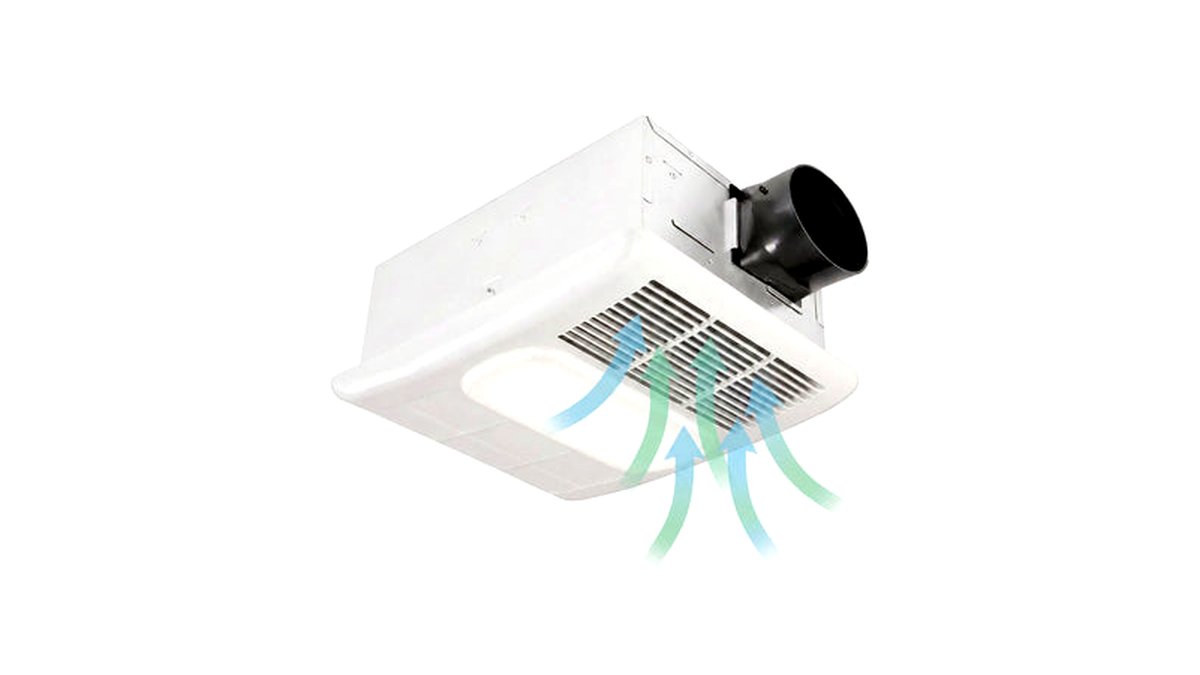
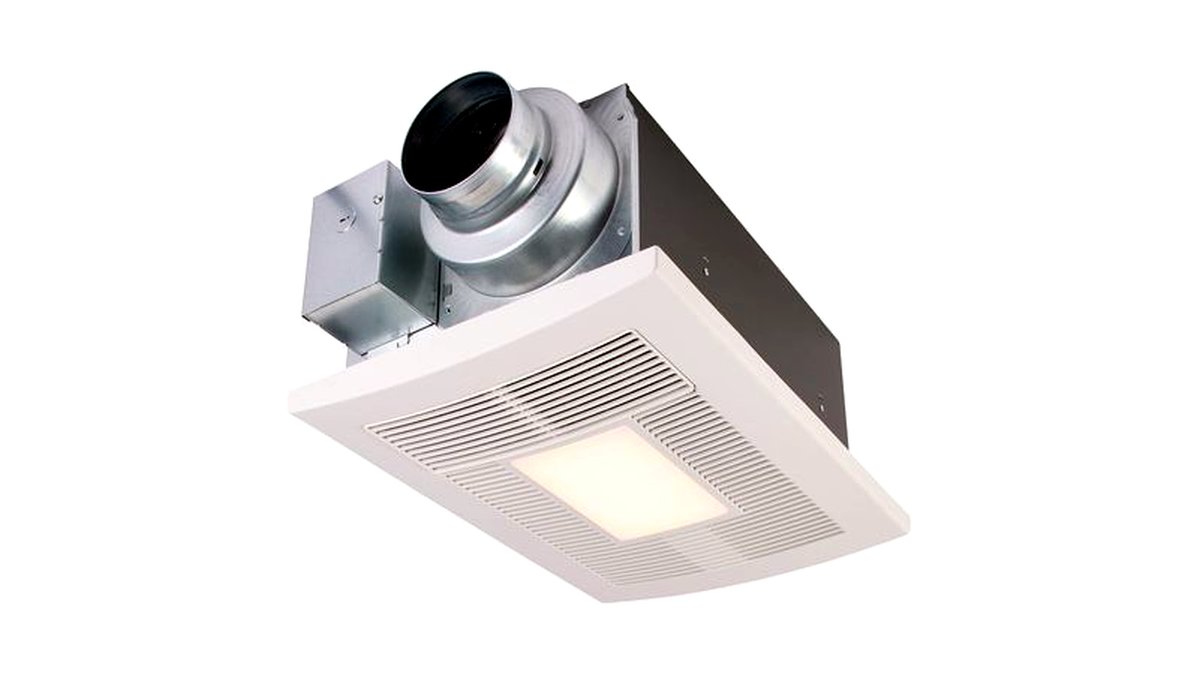
- Combination fan/light/heater units — a single housing with an exhaust fan, a light (commonly LED on current models), and a heating element, all controlled by separate switches or a single multi-function control. The most common choice for a full fixture replacement since it fits a single existing ceiling opening.
- Heat lamp bulbs in an existing fixture — some bathroom fan/light housings accept a heat lamp bulb in place of (or alongside) a standard bulb, a lower-cost way to add radiant warmth without replacing the whole fixture, provided the housing’s maker lists it as rated for that bulb wattage and type.
- Dedicated ceiling or wall-mounted heaters — a separate heating unit installed alongside an existing exhaust fan rather than combined into one housing; useful when the existing fan/light is working fine and only supplemental heat is needed.
- Radiant heat lamp fixtures — typically multiple infrared bulbs in one fixture, delivering direct radiant warmth to whoever is standing underneath rather than heating the room’s air; common in smaller bathrooms for quick spot warmth right after a shower.
A combination fan/light/heater unit suits anyone replacing or upgrading one existing fixture and wanting all three functions from a single ceiling opening, a heater-only add-on paired with a separate exhaust fan suits bathrooms that already have adequate ventilation and just need supplemental warmth, and a radiant heat-lamp-style fixture suits smaller bathrooms where quick spot warmth matters more than quiet operation.
As an Amazon Associate, we earn from qualifying purchases made through links on this page.
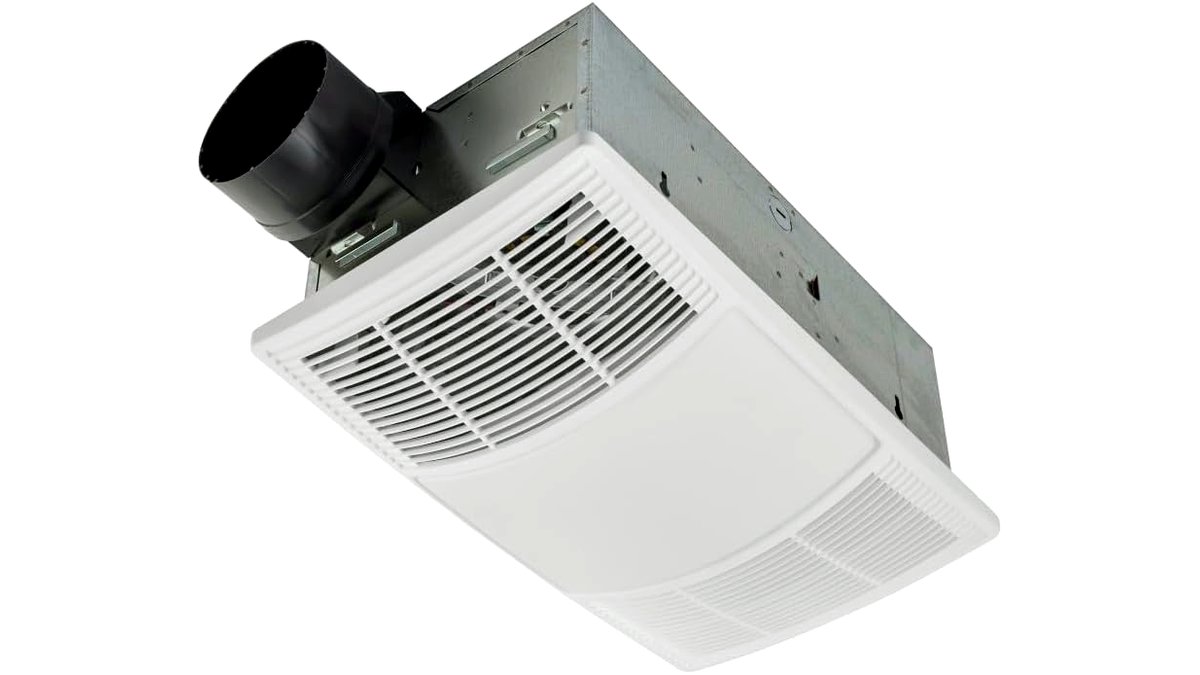
Bathroom heat vent light fixtures combine exhaust ventilation, lighting, and heat in one ceiling unit, and the category covers a wide range of designs — from a single heat lamp bulb in an existing fan/light housing to an integrated unit with a heating element, blower, and LED light all built together. Because this is an electrical fixture installed near water, this guide stays conservative on installation claims and defers to the manufacturer’s manual and a licensed electrician for any wiring work; the focus here is on what differs between the common fixture types and what to check for fit.
Fixture types compared
- Combination fan/light/heater units — a single housing with an exhaust fan, a light (commonly LED on current models), and a heating element, all controlled by separate switches or a single multi-function control. The most common choice for a full fixture replacement since it fits a single existing ceiling opening.
- Heat lamp bulbs in an existing fixture — some bathroom fan/light housings accept a heat lamp bulb in place of (or alongside) a standard bulb, a lower-cost way to add radiant warmth without replacing the whole fixture, provided the housing’s maker lists it as rated for that bulb wattage and type.
- Dedicated ceiling or wall-mounted heaters — a separate heating unit installed alongside an existing exhaust fan rather than combined into one housing; useful when the existing fan/light is working fine and only supplemental heat is needed.
- Radiant heat lamp fixtures — typically multiple infrared bulbs in one fixture, delivering direct radiant warmth to whoever is standing underneath rather than heating the room’s air; common in smaller bathrooms for quick spot warmth right after a shower.
What actually varies between units
- Heating method — radiant (infrared bulbs, warms people/surfaces directly, faster to feel but doesn’t raise the whole room’s air temperature much) versus a fan-forced heating element (circulates warmed air through the room, slower to feel but more even overall).
- Noise level (sones) — most exhaust fan components list a sone rating; lower is quieter, and this matters more for combination units since the fan runs whenever ventilation is needed, not just when heat is on.
- Control configuration — some units run fan, light, and heat off one switch, others split them across two or three switches (and sometimes a separate timer); more separate controls generally means more flexibility but requires more switch wiring during installation.
- Ceiling vs. wall mounting — most combination units are ceiling-mounted matching standard bathroom fan housings; some heater-only units are designed for wall mounting instead, which changes the installation approach entirely.
At a glance
| Type | Best for | Key stated specs | Limits |
|---|---|---|---|
| Combination fan/light/heater unit | Full fixture replacement in one ceiling opening | Makers commonly list CFM (airflow), sone (noise) rating, and heater wattage together | Pricier than single-function upgrades; some models reported noisier when heat and fan run together |
| Heat lamp bulb in existing housing | Adding radiant warmth to a fixture that already works fine | Bulb wattage and base type must match the housing’s maker-stated rating | Only works if the existing housing is explicitly rated for a heat lamp bulb |
| Dedicated ceiling/wall heater (separate from fan) | Bathrooms with adequate ventilation already in place | Heater wattage and mounting type (ceiling/wall) listed by the maker | Needs its own wiring/switch separate from the existing fan |
| Radiant heat lamp fixture (multi-bulb) | Quick spot warmth in smaller bathrooms | Bulb count and wattage per fixture listed by the maker | Warms people/surfaces directly rather than the room’s air; less even heat overall |
Fit and compatibility notes
Ceiling opening size and joist spacing on existing combination units vary by brand and model, so measure the current housing’s footprint before assuming a replacement unit will fit the same hole without carpentry adjustments; several manufacturers do make “fits common housing sizes” claims for direct-swap models, which is worth checking if you want to avoid cutting into the ceiling. Electrical requirements differ meaningfully from a plain fan/light: a heater element typically draws significantly more current, and the maker’s manual will specify the required circuit amperage and whether a dedicated circuit is needed — this is not something to guess at, since undersized wiring behind a heating fixture is a fire-safety concern. Any fixture installed in a bathroom’s wet zone needs to meet the clearance and rating requirements in the manufacturer’s manual and local electrical code for proximity to tubs and showers; GFCI protection on the circuit is commonly required by code for bathroom fixtures generally, and the fixture’s own manual will state any additional clearance rules for the heating element specifically.
Pick this if…
| Situation | Pick |
|---|---|
| You’re replacing an old fan/light and want heat added | Combination fan/light/heater unit sized to your ceiling opening |
| Your current fan/light works fine and the housing supports it | A heat lamp bulb rated for that housing |
| You want ventilation and heat on separate systems | Dedicated heater unit alongside your existing fan |
| You want quick warmth right after a shower in a small bathroom | Radiant multi-bulb heat lamp fixture |
| Noise is a concern | Check the maker’s stated sone rating before buying, especially for combination units |
| You’re unsure about your bathroom’s existing circuit capacity | Have an electrician confirm before buying a heater-equipped fixture |
Alternatives worth knowing about
- A plug-in space heater (used outside the wet zone, per its manual) — a lower-cost, no-installation option for supplemental warmth, though it occupies floor or counter space and must be kept well clear of water per the heater’s own safety instructions.
- Electric floor heating installed under tile — a different approach to bathroom warmth that heats the floor rather than the air or a person directly, typically installed during a larger renovation rather than as a simple fixture swap.
- A towel warmer — doesn’t heat the room, but some users find a warmed towel addresses the “cold after a shower” discomfort that a heat lamp fixture is often bought to solve.
Safety notes
Bathroom heat vent light fixtures combine electricity, heat, and a wet-prone room, so always follow the manufacturer’s manual for required clearances from the tub/shower area, minimum ceiling insulation clearance around the heating element, and bulb wattage limits if the fixture uses replaceable bulbs. Confirm GFCI protection on the circuit as required by local code, and have a licensed electrician verify the circuit can safely handle the added heater load before installation, since this is a higher-current draw than a standard fan/light fixture. If you notice a persistent burning smell, flickering, or a breaker that trips repeatedly after installing a new heat fixture, stop use and have an electrician inspect it rather than continuing to run it.
Frequently Asked Questions
Can I just add a heat lamp bulb to my existing bathroom fan/light?
Only if the existing housing’s manufacturer specifically lists it as rated for a heat lamp bulb of that wattage and base type; not every fan/light housing is designed to handle a heat lamp’s higher heat output safely.
Do these fixtures need a dedicated electrical circuit?
Many heater-equipped fixtures draw enough current that the manufacturer specifies a dedicated circuit; check the specific unit’s manual and have an electrician confirm your bathroom’s existing circuit can handle the added load before installing.
Is radiant heat or fan-forced heat better for a bathroom?
Radiant heat lamps warm people and surfaces quickly but don’t raise the overall room air temperature much, while fan-forced heating elements circulate warmed air more evenly but take longer to feel. The better choice depends on whether you want quick spot warmth or a more evenly warmed room.
How noisy are combination fan/light/heater units?
It varies by model — makers commonly list a sone rating for the fan portion, and lower numbers mean quieter operation. Some users report combination units feeling louder when the fan and heater run together than a fan-only unit, so check the specific product’s stated rating.
Will a replacement unit fit my existing ceiling hole?
Not automatically — measure your current housing’s dimensions and joist spacing, and check whether the replacement model is marketed as a direct-fit for common housing sizes, or be prepared for some ceiling carpentry.
Do I need a GFCI for a bathroom heat fixture?
Local electrical code commonly requires GFCI protection for bathroom circuits generally; check your local code requirements and the fixture manufacturer’s manual for any additional rules specific to the heating element.