Key takeaways
- Pendant fixtures need open space above the tank rim; measure the gap between your canopy or stand and the water line before buying a hanging kit.
- Retrofit kits are sized to fit inside an existing hood, so confirm interior hood dimensions and ventilation cutouts match the ballast and socket housing.
- Bulb sockets come in a small number of standard base types; always match the replacement bulb’s base to the fixture’s socket as stated in the maker’s documentation, not by wattage alone.
- Electrical draw for a single 150W bulb plus ballast losses typically lands above the bulb’s rated wattage once ballast inefficiency is counted, which matters for anyone running multiple fixtures off one circuit.
A 150W metal halide fixture suits a reef keeper who wants intense, shimmering light for a shallow-to-medium depth coral tank or a grower who needs a compact, high-output lamp for a small flowering space, while anyone running a tall tank, a large grow tent, or a tight budget on electricity is better served by a higher-wattage metal halide or a modern LED array instead.
As an Amazon Associate, we earn from qualifying purchases made through links on this page.
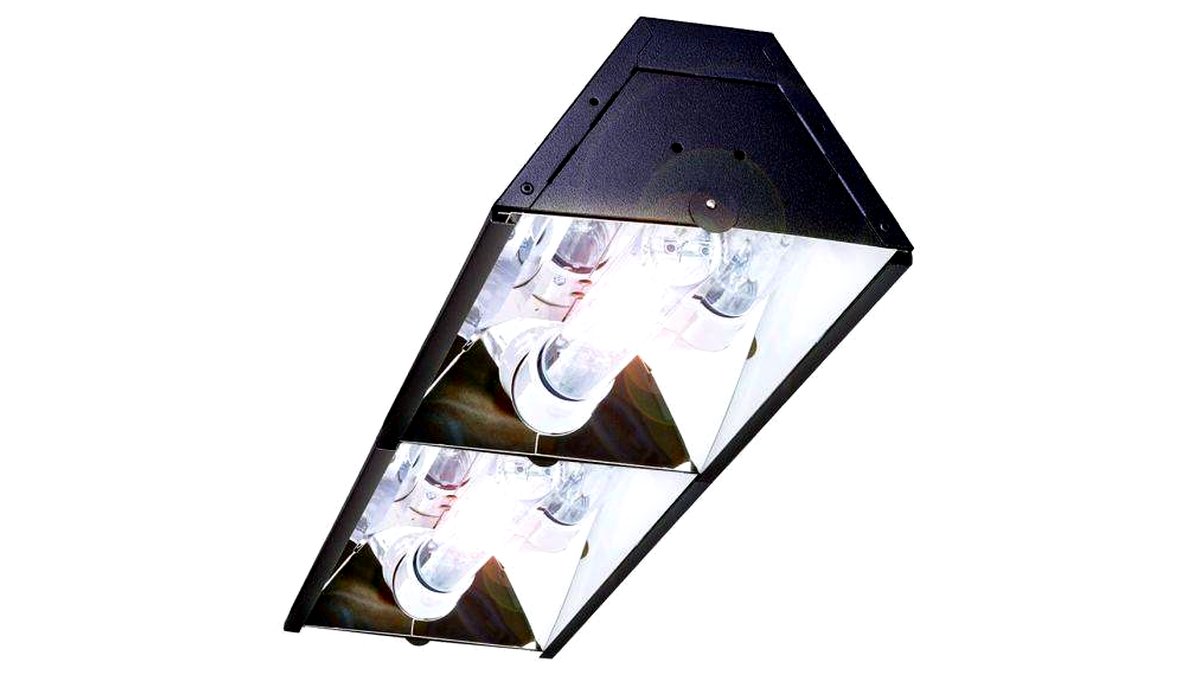
Metal halide lighting works by striking an arc inside a sealed bulb filled with gas and metal salts, producing a bright, point-source light with strong shimmer lines that many reef keepers still like for the visual effect alone. A 150W fixture is the smallest size in the metal halide range still worth buying new; it is usually paired with a single bulb, a dedicated ballast, and a reflector that focuses the light downward. Horticulture users occasionally choose the same wattage class for small propagation areas, though 250W and 400W are far more common in that space. Because fewer manufacturers now build dedicated 150W reef fixtures compared to a decade ago, buyers should expect to shop among a smaller pool of pendant-style and pre-wired retrofit options, often sold alongside or as a transition step toward LED hybrids.
Quick picks at a glance
| Option type | Best for | Key stated specs | Limits |
|---|---|---|---|
| Single-bulb pendant fixture | Nano to medium reef tanks, open-top setups | 150W single socket, integrated reflector, hanging kit | Runs hot; needs clearance above the tank |
| Retrofit canopy kit | Owners upgrading an existing hood | Ballast plus bulb socket sold separately from the housing | Requires some wiring and fitting work |
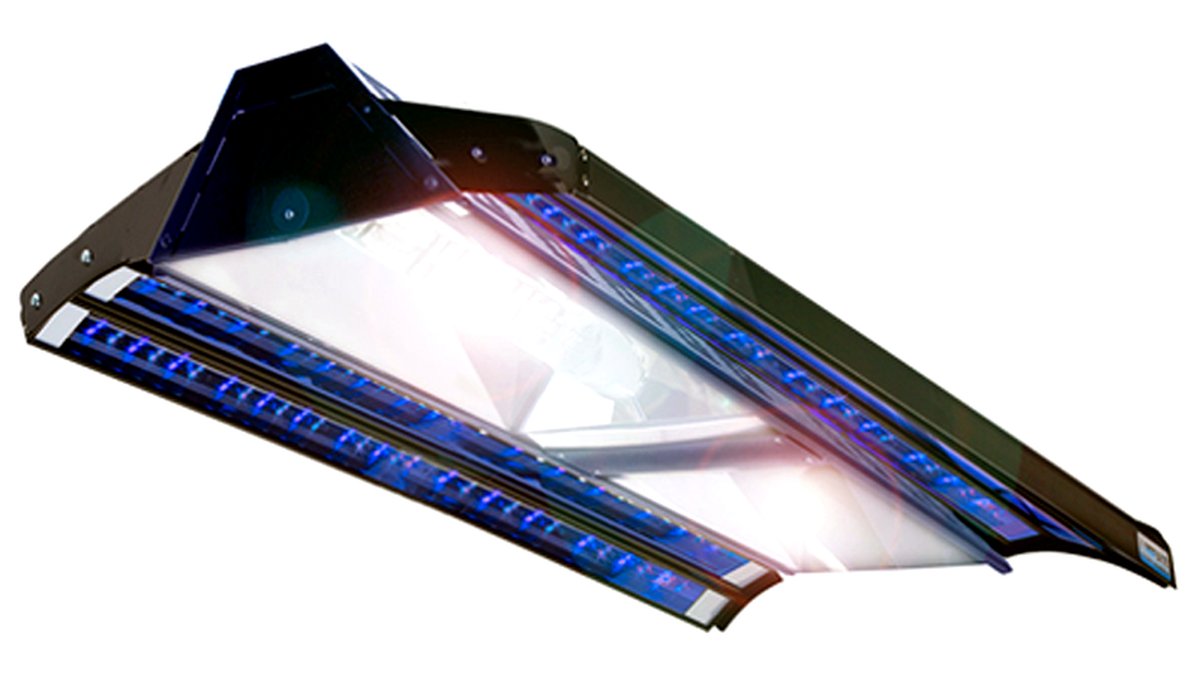
| Combo MH/LED hybrid fixture | Reef keepers who want shimmer plus supplemental spectrum | 150W MH bulb paired with LED strips or clusters | Higher upfront cost than MH-only units |
| Electronic ballast upgrade | Anyone replacing an old magnetic ballast | Lighter weight, lower heat, often dimmable | Must match ballast type to bulb type |
| Replacement bulb only | Owners with a working fixture, dead bulb | 10000K, 14000K, or 20000K color temperature options | Bulb life rated by the maker, degrades gradually |
Reef tank buyers: what actually matters
For coral growth, the color temperature of the bulb matters more than the brand of the housing. Bulb makers such as Ushio, Iwasaki, and Hamilton Technology have each sold 150W metal halide bulbs rated for aquarium use in color temperatures from roughly 10000K up through 20000K. Lower color temperatures push more yellow-white light and tend to drive faster coral growth; higher temperatures shift toward blue and are chosen more for appearance than growth rate. The fixture’s reflector shape changes how evenly that light spreads across the tank footprint, so a narrow reflector concentrates light in a hot spot while a wider one spreads coverage but can lose some intensity at the edges.
Heat output is the single biggest practical issue with any metal halide fixture. A 150W bulb and ballast together can raise water temperature by a noticeable margin in a small tank, so most fixtures either need a cooling fan built in or depend on an open-top tank with room airflow above the waterline. Reviewers of pendant-style units consistently flag the mounting height as the main lever for balancing light intensity against heat; moving the fixture a few inches higher reduces both.
Ballast type and why it affects your buying decision
Metal halide fixtures use either a magnetic (core-and-coil) ballast or an electronic ballast. Magnetic ballasts are heavier, run hotter, and are generally the cheaper legacy option; electronic ballasts run cooler, weigh less, and some models support dimming or a timed warm-up ramp. The maker of any given fixture specifies which ballast type is installed and which bulb types are compatible, and mixing a bulb rated for one ballast type with the wrong ballast is a common cause of early bulb failure, so buyers upgrading only the bulb should check compatibility against the existing ballast before ordering.
Fit and compatibility notes
- Pendant fixtures need open space above the tank rim; measure the gap between your canopy or stand and the water line before buying a hanging kit.
- Retrofit kits are sized to fit inside an existing hood, so confirm interior hood dimensions and ventilation cutouts match the ballast and socket housing.
- Bulb sockets come in a small number of standard base types; always match the replacement bulb’s base to the fixture’s socket as stated in the maker’s documentation, not by wattage alone.
- Electrical draw for a single 150W bulb plus ballast losses typically lands above the bulb’s rated wattage once ballast inefficiency is counted, which matters for anyone running multiple fixtures off one circuit.
Pick this if…
| Situation | Recommended option |
|---|---|
| Small or nano reef tank, open top, want strong coral color | Single-bulb pendant with 14000K-20000K bulb |
| Already own a canopy and just need the lighting internals | Retrofit ballast-and-socket kit matched to your hood size |
| Want shimmer but worried about running costs and heat | MH/LED hybrid fixture |
| Current bulb burned out but the fixture itself still works | Replacement bulb matched to existing ballast type |
| Running an old, inefficient magnetic ballast | Electronic ballast upgrade, confirmed compatible with your bulb |
Alternatives worth considering
Buyers who find a 150W metal halide fixture runs too hot or too costly to operate long-term have a few other directions. A modern LED reef fixture in a comparable light-output class avoids the heat and bulb-replacement cycle entirely, though it changes the shimmer effect many reef keepers like about metal halide. A T5 high-output fluorescent fixture is a cooler-running compromise that some hobbyists pair with metal halide for supplemental spectrum rather than as a full replacement. For horticulture use specifically, growers working in small spaces sometimes step up to a 250W metal halide or move to an LED grow panel rated for the same canopy size, since 150W horticulture fixtures are a narrower niche with fewer current options.
Maintenance and safety notes
Metal halide bulbs lose output gradually over their rated life even before they fail outright, and makers generally recommend replacement on a fixed schedule rather than waiting for visible dimming, since spectrum shift happens before total failure. Ballasts and sockets run at mains voltage near a water tank, so fixtures should always be installed with drip loops and GFCI-protected outlets, following the manufacturer’s installation manual. Anyone unfamiliar with a retrofit ballast install, or uncertain about wiring near standing water, should have the setup checked by a qualified electrician rather than relying on general forum advice.
Frequently Asked Questions
Is a 150W metal halide fixture enough light for a reef tank?
It depends on tank depth and coral type. Shallow to medium-depth tanks with soft corals and many large-polyp stony corals generally do well under a single 150W bulb, while deeper tanks or light-hungry small-polyp stony corals usually need more total wattage or a closer mounting height to get adequate intensity at the substrate.
What color temperature bulb should I buy for coral growth versus appearance?
Bulbs around 10000K push more yellow-white light and are associated with faster growth in many reports, while 14000K to 20000K bulbs shift toward blue and are chosen mainly for visual preference. Many reef keepers settle on something in the middle, such as 14000K, as a balance between the two.
How much does a 150W metal halide fixture raise tank temperature?
The exact rise depends on tank volume, room temperature, and mounting height, but reviewers commonly report a measurable increase in small tanks without supplemental cooling. A clip-on fan, a chiller, or simply raising the fixture higher above the water are the usual fixes.
Can I use any 150W bulb with my existing ballast?
No. Bulbs are rated for either magnetic or electronic ballasts, and the base type must match the fixture’s socket. Check the maker’s compatibility documentation before buying a replacement bulb, since mismatched pairings can shorten bulb life or fail to strike at all.
How often should the bulb be replaced?
Metal halide bulbs degrade in both intensity and color spectrum well before they stop lighting entirely. Many manufacturers suggest replacement on a schedule measured in months of regular use rather than waiting for visible failure, since corals can suffer from spectrum shift that is hard to notice by eye.
Is metal halide still worth buying over LED in 2026?
Most new reef lighting buyers now choose LED for lower running cost and heat, and metal halide has become a smaller, more specialized category. It remains a reasonable choice for hobbyists who specifically want the shimmer effect or who already have compatible equipment, but LED is generally the easier long-term option for a new setup.