Key takeaways
- Material: brass-bodied regulators are generally viewed by reviewers as more durable than plastic-bodied models, particularly for long-term or full-time RV use.
- Flow rate: the maker lists a rated flow rate in gallons per minute; a regulator with too low a flow rate can noticeably reduce water pressure inside the RV even though the input pressure itself was fine.
- Filter screen: many fixed-rate regulators include a small inline debris screen to catch sediment before it reaches the RV’s internal plumbing, which is a feature worth checking for since not all basic models include it.
Pick a simple fixed-rate brass inline regulator for straightforward protection against high campground water pressure, an adjustable regulator with a built-in gauge for RVers who want to fine-tune pressure for sensitive fixtures, and a regulator-filter combo unit for anyone who wants pressure protection and basic sediment or taste filtering from a single inline connection. RV water pressure regulators mainly differ in whether the pressure is fixed or adjustable and whether a gauge or filter is built in, and the right one depends on how much control versus simplicity the RVer wants at the hose connection.
As an Amazon Associate, we earn from qualifying purchases made through links on this page.
Why RVs Need a Pressure Regulator at All
Campground and municipal water pressure varies widely and can spike well above the 40-60 PSI range that RV plumbing systems are generally designed to handle safely, and RV manufacturers commonly design fittings, fixtures, and the water heater for a specific maximum pressure stated in the owner’s manual. Reviewers and RV maintenance guides consistently point to unregulated high pressure as a leading cause of burst hoses, leaking fittings, and premature fixture failure in RVs, which is why a regulator is treated as a near-mandatory accessory rather than an optional upgrade.
Fixed-Rate Regulators
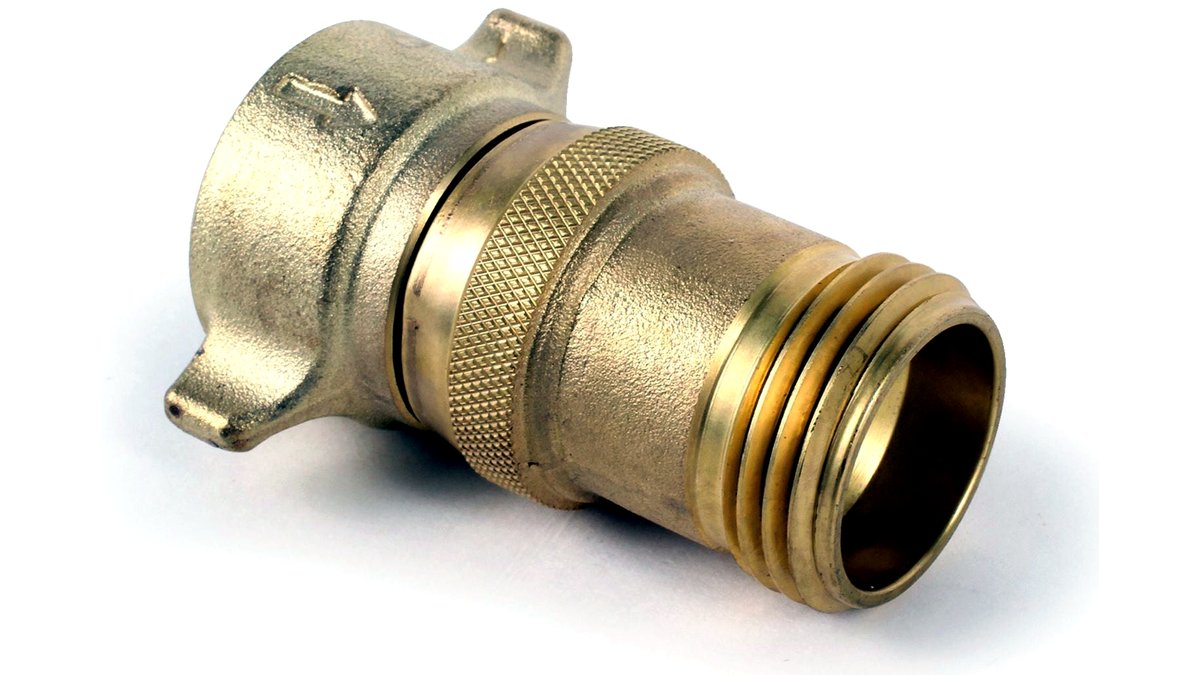
Fixed-rate inline regulators reduce incoming water pressure to a single preset level, commonly around 40-50 PSI depending on the model, and install directly between the campground spigot and the RV’s fresh water hose with no adjustment needed. These are the simplest option and suit RVers who want “set it and forget it” protection without monitoring or adjusting pressure at each campsite.
- Material: brass-bodied regulators are generally viewed by reviewers as more durable than plastic-bodied models, particularly for long-term or full-time RV use.
- Flow rate: the maker lists a rated flow rate in gallons per minute; a regulator with too low a flow rate can noticeably reduce water pressure inside the RV even though the input pressure itself was fine.
- Filter screen: many fixed-rate regulators include a small inline debris screen to catch sediment before it reaches the RV’s internal plumbing, which is a feature worth checking for since not all basic models include it.
Adjustable Regulators with Gauges
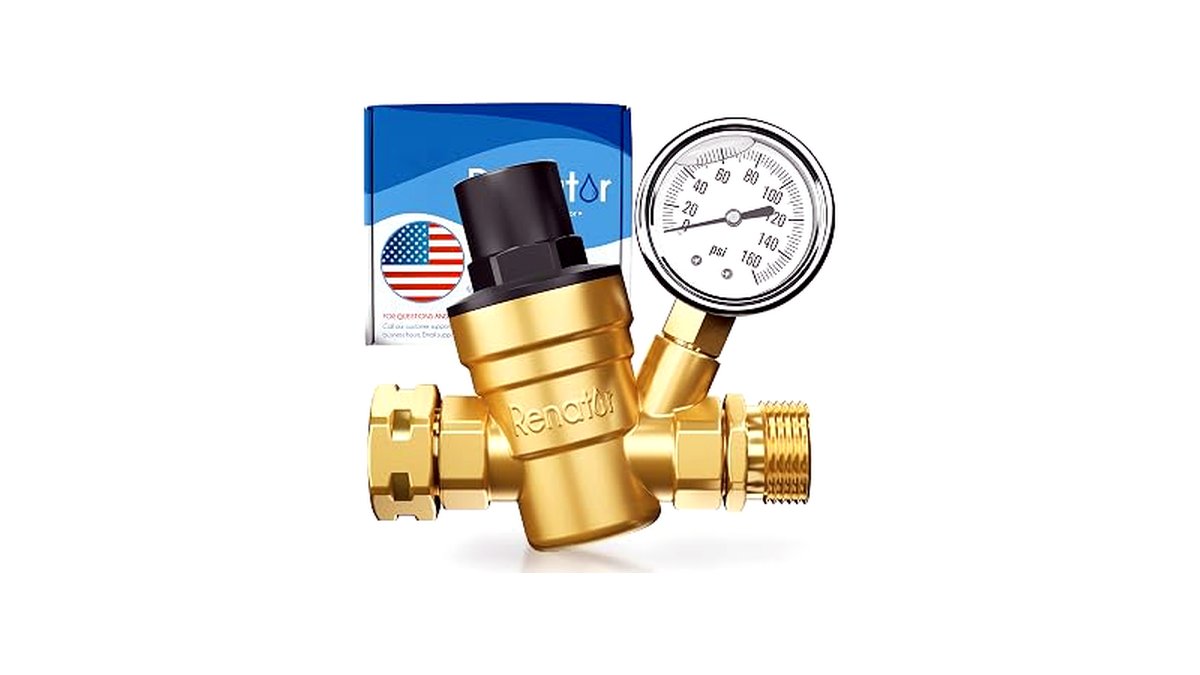
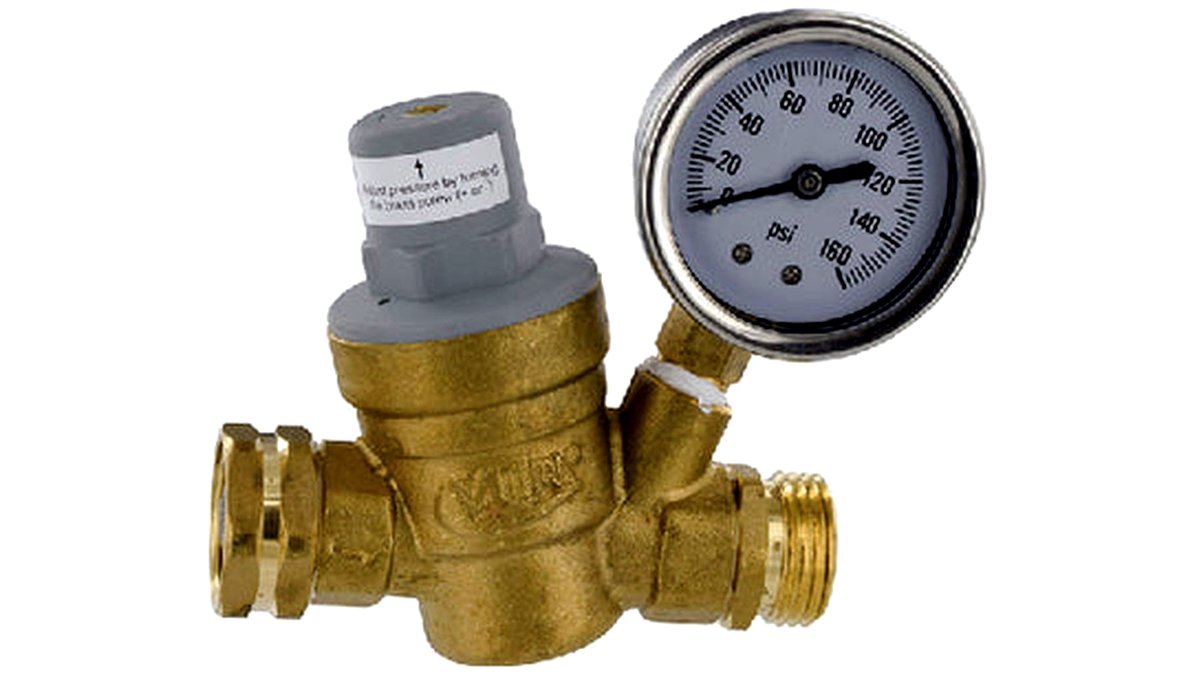
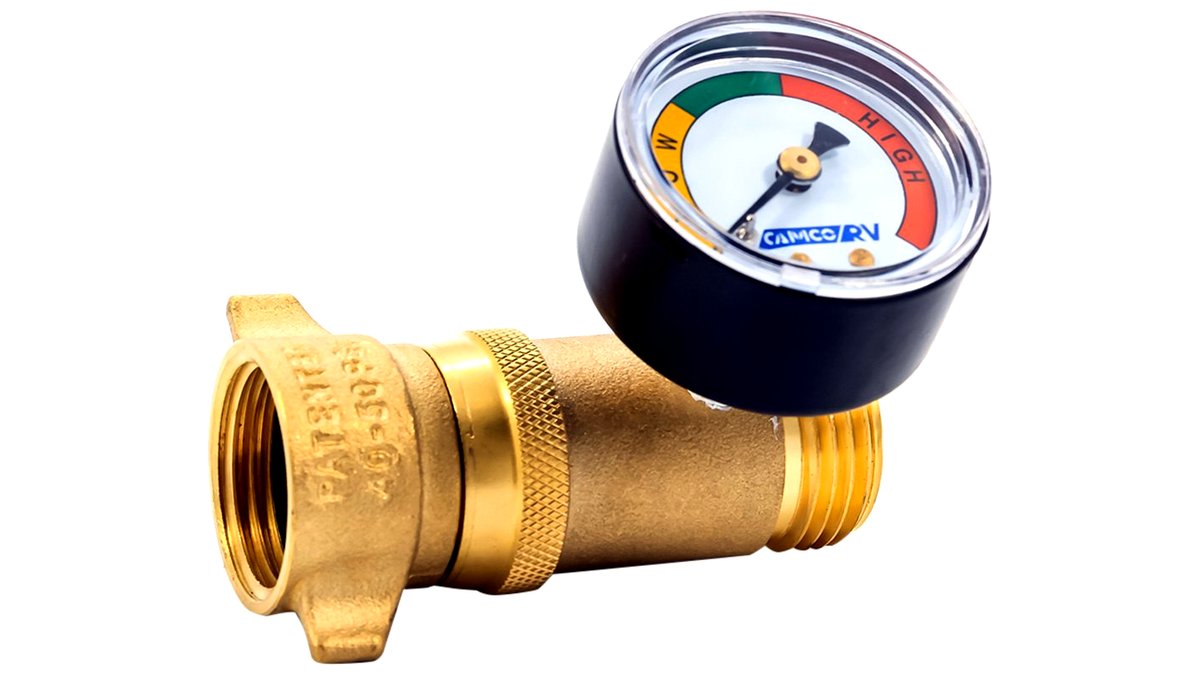
Adjustable regulators let the user dial in a specific output pressure, often with a built-in gauge showing the current reading, which suits RVers who want more control, such as reducing pressure further for an older rig’s more sensitive fittings or a specific fixture’s manufacturer-recommended maximum. These generally cost more than fixed-rate units and add one more thing to check and adjust at each new water hookup.
- Gauge accuracy and visibility: a larger, clearly marked gauge face is easier to read at a quick glance during setup than a small or unmarked one, a detail several user reviews specifically call out as a usability factor.
- Adjustment range: the maker lists the pressure range the regulator can be dialed across; checking that range covers both very high campground pressure and the RV’s specific lower target pressure matters for versatility.
- Lock or set-and-stay feature: some adjustable models include a locking collar or similar mechanism to prevent the dial from drifting after being set, which reviewers note is useful for RVers who set it once and want it to stay put across trips.
At a Glance
| Regulator Type | Best For | Key Stated Specs | Limits |
|---|---|---|---|
| Fixed-rate brass regulator | Simple, reliable protection with no adjustment | Preset output (commonly ~40-50 PSI), brass body | No fine-tuning for specific fixture needs |
| Adjustable regulator with gauge | RVers wanting precise pressure control | Adjustable PSI range, visible gauge | Higher price; needs periodic checking/adjustment |
| Regulator-filter combo | Wanting pressure control plus basic filtering in one unit | Built-in sediment or carbon filter stage, regulated output | Bulkier; filter element needs periodic replacement |
| Lead-free certified regulator | Health-conscious buyers, drinking water use | Lead-free brass or polymer construction | Certification doesn’t guarantee filtering; check separately |
| Compact lightweight regulator | Travel trailers/RVs minimizing hose-bay clutter | Smaller body size, lighter weight | May trade off flow rate or durability for size |
Pick X If…
| Situation | Recommended Pick |
|---|---|
| You want simple, reliable protection with no fuss | A fixed-rate brass inline regulator |
| You have an older RV or sensitive fixtures needing lower pressure | An adjustable regulator with a visible gauge |
| You want pressure protection and basic filtering from one connection | A regulator-filter combo unit |
| You’re especially concerned about lead content in drinking water | A regulator specifically listed as lead-free certified |
| Storage space in the hose bay is extremely tight | A compact, lightweight regulator over a bulkier gauge or combo model |
Fit and Compatibility Notes
Nearly all RV water pressure regulators use the standard garden-hose-style threaded connection common to RV fresh water hoses, so fitment compatibility is rarely an issue, though confirming thread type before buying is still worth a quick check for older or unusual RV plumbing setups. Check the RV owner’s manual for the manufacturer’s stated maximum safe water pressure, since this number (not a generic “campground pressure” assumption) is what the regulator’s output should be set at or below. For regulator-filter combos, confirm the filter is rated for the RV’s typical water source type, since a filter designed for sediment may not address taste or chlorine the way a carbon-based filter stage would.
Alternatives Worth Considering
- Pressure regulator built into a water filter system: for RVers who already run a dedicated multi-stage water filter, some systems offer an add-on regulator stage rather than buying a separate inline unit.
- Whole-RV pressure relief valve inspection: rather than relying solely on an inline regulator, some RV maintenance guides suggest periodically checking the RV’s internal water heater pressure relief valve as a secondary safeguard, though this does not replace an inline regulator.
- Permanent panel-mounted regulator: some RVers install a regulator permanently plumbed into the RV’s water intake system rather than using a portable inline unit at the hose connection, trading portability for a cleaner hookup process.
Frequently Asked Questions
What water pressure is actually safe for an RV?
Most RV manufacturers design plumbing systems for a maximum pressure commonly cited in maintenance guides as around 40-60 PSI, though the specific number should be confirmed in the individual RV’s owner’s manual. Campground water pressure can spike well above this range, which is the core reason a regulator is recommended for nearly every RV hookup.
Do I need a regulator if the campground says their water pressure is already regulated?
Even campgrounds that regulate pressure at the spigot can have inconsistent or fluctuating output, and relying solely on the campground’s claim removes a layer of protection specific to the RV’s own plumbing tolerances. Most RV maintenance guides recommend using a personal inline regulator regardless of what the campground states.
How do I know what PSI to set an adjustable regulator to?
The RV owner’s manual states the manufacturer’s recommended maximum pressure, and setting the adjustable regulator at or modestly below that figure is the general guidance from RV maintenance resources. Some RVers set it slightly lower than the maximum as an added safety margin, particularly for older rigs or units with known fitting sensitivity.
Can a pressure regulator reduce water flow too much to be usable?
Yes, if a regulator’s rated flow rate is too low for the RV’s fixtures, water pressure inside the rig can feel noticeably weaker even though the regulator is functioning correctly. Checking the regulator’s stated flow rate in gallons per minute against typical RV usage helps avoid this tradeoff.
Do regulator-filter combo units need the filter replaced regularly?
Yes, the filtering component in a combo unit has a limited lifespan before sediment or contaminant capacity is exhausted, and the maker typically states a replacement interval or capacity. Failing to replace the filter element on schedule can reduce both filtering effectiveness and water flow.
Is a plastic regulator body less durable than a brass one?
Reviewers and long-term RV users generally report that brass-bodied regulators hold up better to repeated connection/disconnection and outdoor exposure over years of use than plastic-bodied models. Plastic regulators can still function adequately for lighter or less frequent RV use, but brass is the more commonly recommended material for full-time or heavy-use RVers.