Key takeaways
- Multi-battery, multi-cell diagnosis. A weak single battery in a series bank drags the whole pack’s range down, so a tester that only reads total pack voltage can miss which specific unit is failing.
- Deep-cycle chemistry. Deep-cycle flooded, AGM, and gel batteries discharge differently than automotive starting batteries, and some testers are calibrated mainly for the latter.
- Load under discharge, not just resting voltage. A battery can show a normal resting voltage and still sag badly under the load of climbing a hill or hauling clubs, so a true load or conductance test is more informative than a voltmeter reading alone.
A golf cart owner checking battery health day-to-day needs a simple digital voltage/load tester, while anyone diagnosing a weak pack or deciding which of several 6V or 8V batteries to replace is better served by a conductance or load tester that can isolate a single bad cell; here is how the main tester types differ and which fits each situation.
As an Amazon Associate, we earn from qualifying purchases made through links on this page.
Why Golf Cart Battery Testing Is Different
Golf carts typically run a bank of deep-cycle lead-acid batteries (commonly six 6V or four 8V/12V units wired in series for a 36V or 48V system), unlike a single 12V car battery. That changes what a tester needs to do well:
- Multi-battery, multi-cell diagnosis. A weak single battery in a series bank drags the whole pack’s range down, so a tester that only reads total pack voltage can miss which specific unit is failing.
- Deep-cycle chemistry. Deep-cycle flooded, AGM, and gel batteries discharge differently than automotive starting batteries, and some testers are calibrated mainly for the latter.
- Load under discharge, not just resting voltage. A battery can show a normal resting voltage and still sag badly under the load of climbing a hill or hauling clubs, so a true load or conductance test is more informative than a voltmeter reading alone.
Tester Types and Who They Suit
Basic Digital Voltmeters / Multimeters
A general-purpose digital multimeter reads resting voltage on each battery or across the bank, which is enough to spot a battery sitting noticeably lower than its neighbors. It will not reveal internal resistance problems, so a battery can read a plausible voltage and still fail once loaded. This suits owners doing quick monthly checks who already own a multimeter for other tasks.
Dedicated Battery Load Testers
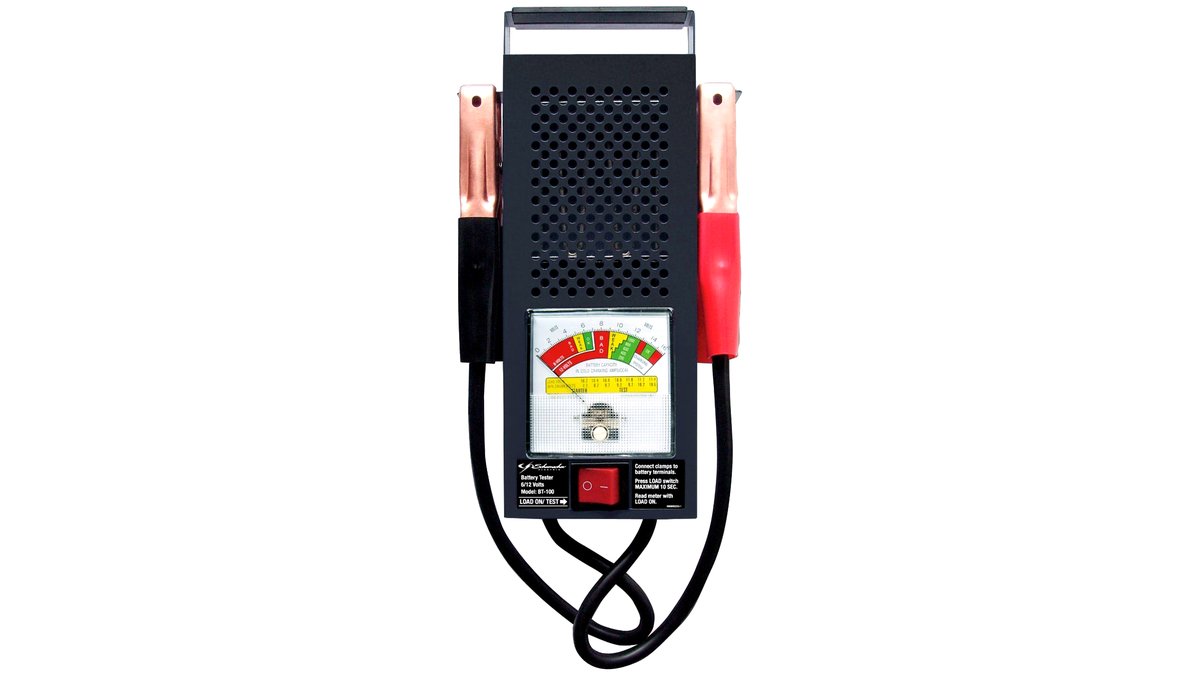
A load tester applies a controlled electrical load and watches how much the voltage drops, which more closely mimics real driving conditions than a resting-voltage check. Carbon-pile load testers (manual, with a dial) give the most direct read on a battery’s ability to deliver current, and are a common choice for anyone who services multiple carts or a fleet.
Conductance (Digital) Testers
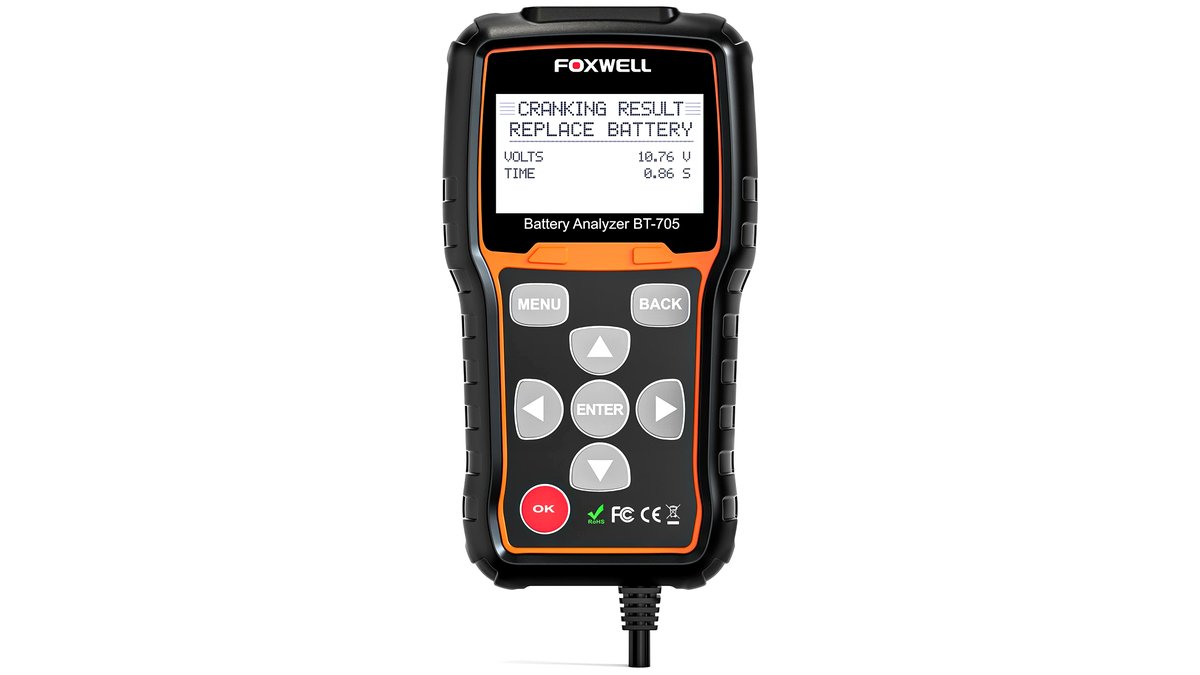
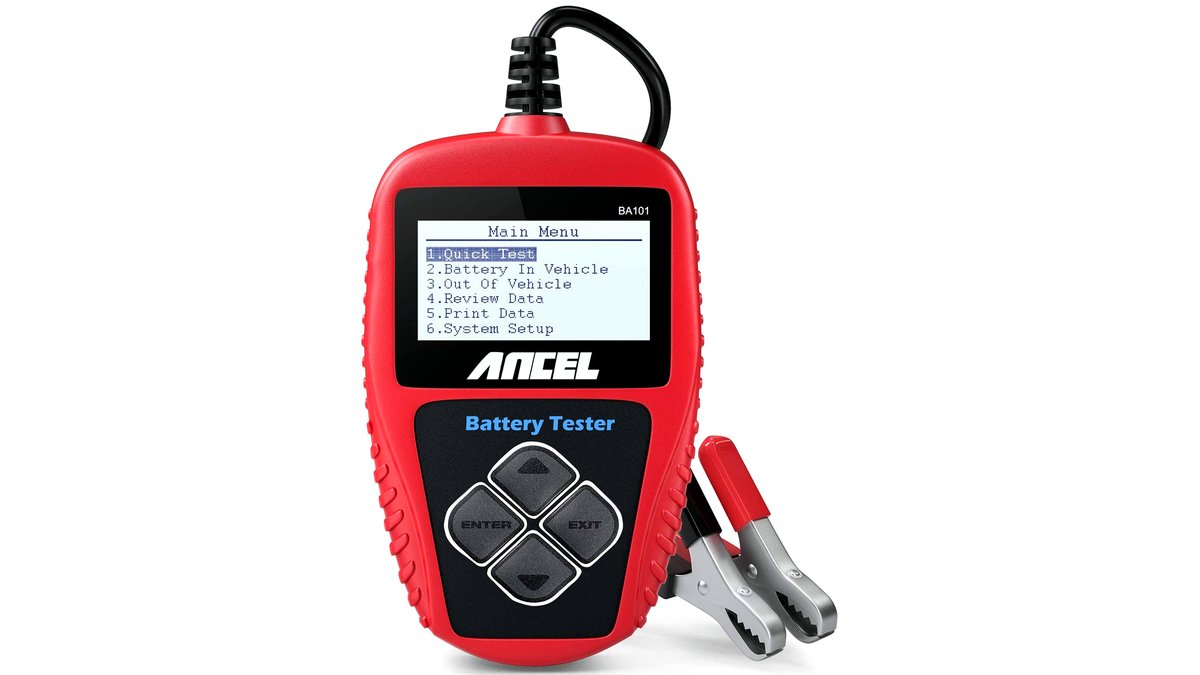
Conductance testers send a small signal through the battery and estimate its internal condition and cranking/starting capacity without fully discharging it, which makes them faster to use across a six-battery bank than a full load test. Results are generally given as a pass/fail or percentage-of-rated-capacity figure. These suit anyone testing banks regularly, since they do not drain the battery the way a load test does.
Hydrometers (for Flooded Lead-Acid Batteries)
For flooded (wet-cell) batteries with accessible caps, a hydrometer measures the specific gravity of the electrolyte in each cell, which can pinpoint a single weak cell inside a battery more precisely than an external voltage or conductance reading. This only works on serviceable flooded batteries, not sealed AGM or gel units, and involves handling battery acid, so eye protection and gloves matter.
Battery/Cart System Analyzers
Higher-end analyzers combine voltage, load, and sometimes resistance testing across an entire series-wired bank in one pass, logging each battery’s result for comparison. These suit golf course maintenance operations or cart rental fleets managing many packs rather than a single personal cart owner.
Clamp-On Battery/Amp Testers
A clamp-style tester measures current draw while the cart is under load (such as climbing a ramp) without breaking the circuit, useful for diagnosing whether a controller or motor issue, rather than the batteries themselves, is causing poor performance.
| Tester Type | Best For | Key Stated Specs | Limits |
|---|---|---|---|
| Digital multimeter | Quick resting-voltage checks | DC voltage range covering 0-60V for bank readings | Misses load-related weaknesses |
| Carbon-pile load tester | Direct capacity check under load | Adjustable load dial, voltage drop readout | Manual, slower per battery; bulkier tool |
| Conductance tester | Fast testing across a full bank | Digital readout, pass/fail or % capacity | Estimate, not a true discharge test |
| Hydrometer | Pinpointing a weak cell in flooded batteries | Specific-gravity scale, float type | Only works on serviceable flooded batteries |
| Bank/system analyzer | Fleet or multi-cart servicing | Multi-channel testing, data logging | Higher cost, more than a single-cart owner needs |
| Clamp-on amp tester | Diagnosing draw under real driving load | Non-invasive clamp, live amperage readout | Doesn’t test resting battery health directly |
Reading the Results: What Numbers Mean
For a 6V deep-cycle battery, makers generally state a resting full-charge voltage a little above 6V, with each battery in a bank expected to read within a narrow range of its neighbors; a battery reading noticeably lower after a full charge and rest period is a common sign it is failing. Under load, a sharp voltage drop compared to the others in the bank points to high internal resistance, typically from sulfation or a degraded plate, rather than a simple charge issue. Because exact pass/fail thresholds vary by battery chemistry and age, following the battery manufacturer’s own service manual for target voltages is more reliable than a single universal number.
Pick This If…
| Situation | Pick |
|---|---|
| Just want a monthly health check on a personal cart | A digital multimeter rated for the bank’s full voltage |
| Suspect one battery is dragging down the whole pack | A conductance tester for fast per-battery comparison |
| Need the most accurate read on true capacity | A carbon-pile load tester |
| Batteries are flooded/serviceable with removable caps | A hydrometer to check individual cells |
| Managing several carts or a rental fleet | A multi-channel bank analyzer |
| Cart struggles under load but batteries test fine at rest | A clamp-on amp tester to check the motor/controller circuit |
Alternatives and Related Tools
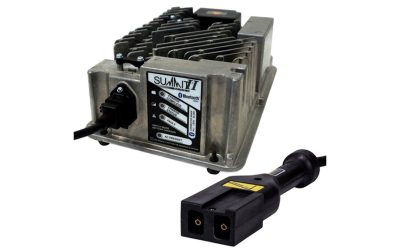
- Smart chargers with built-in diagnostics: some chargers display battery condition during the charge cycle, giving a rough health check without a separate tester, though usually less precise than a dedicated tool.
- Individual cell testers for 6V batteries: small clip-on testers designed specifically for golf cart battery terminals, sized for the tighter spacing of a six-battery bank.
- Professional battery shop testing: for anyone unsure about handling lead-acid batteries directly, many battery retailers will load-test a battery brought in, avoiding the need to own a tester at all.
Frequently Asked Questions
How often should golf cart batteries be tested?
Many battery manufacturers suggest checking voltage and water levels (for flooded types) monthly, with a more thorough load or conductance test every few months or whenever range noticeably drops. Testing right after a full charge and a short rest period, rather than immediately after driving, gives a more consistent baseline reading.
Can I test batteries while they’re still wired together in the cart?
Resting voltage can be checked on each battery individually without disconnecting the series wiring, as long as the tester’s probes can reach each battery’s terminals safely. Load testing is sometimes recommended on a disconnected battery to avoid the rest of the bank affecting the reading, so following the tester’s own instructions for in-pack versus isolated testing matters.
Is a low reading on one battery always a sign it needs replacing?
Not necessarily; a low reading can also come from an undercharged battery, loose or corroded terminals, or low electrolyte in a flooded cell, all of which are fixable without replacement. Retesting after cleaning terminals, equalizing the charge, and topping off water (where applicable) helps rule out those causes before concluding a battery itself is bad.
Do AGM and flooded golf cart batteries need different testers?
Voltage and conductance testers generally work across both chemistries, but a hydrometer only works on flooded batteries with accessible cell caps, since AGM and gel batteries are sealed. Checking the tester’s documentation for supported battery types avoids buying a tool that doesn’t match the cart’s battery chemistry.
Why does a battery test fine on a tester but the cart still has short range?
Range problems can come from factors outside the batteries themselves, including a worn controller, motor brush wear, tire pressure, terrain, or an aging charger that isn’t fully topping off the pack. A clamp-on amp tester or a full system check by a cart technician can help separate a battery problem from these other causes.
Should the batteries be fully charged before testing?
Yes, testing a partially charged battery against a fully charged one in the same bank gives a misleading comparison, since voltage naturally varies with charge state. Most testing procedures call for a full charge followed by a rest period of a few hours before taking readings.