Key takeaways
- Travelers and hikers who want the lightest possible pair should look at 8×25 or 10×25 compact binoculars, birders who want a brighter image and wider field of view in a still-pocketable size should step up to 8×32 or 8×30, and…
Travelers and hikers who want the lightest possible pair should look at 8×25 or 10×25 compact binoculars, birders who want a brighter image and wider field of view in a still-pocketable size should step up to 8×32 or 8×30, and anyone planning low-light use such as dawn or dusk wildlife viewing should prioritize a larger objective lens over the smallest possible body, since compact binoculars trade some light-gathering ability for portability.
As an Amazon Associate, we earn from qualifying purchases made through links on this page.
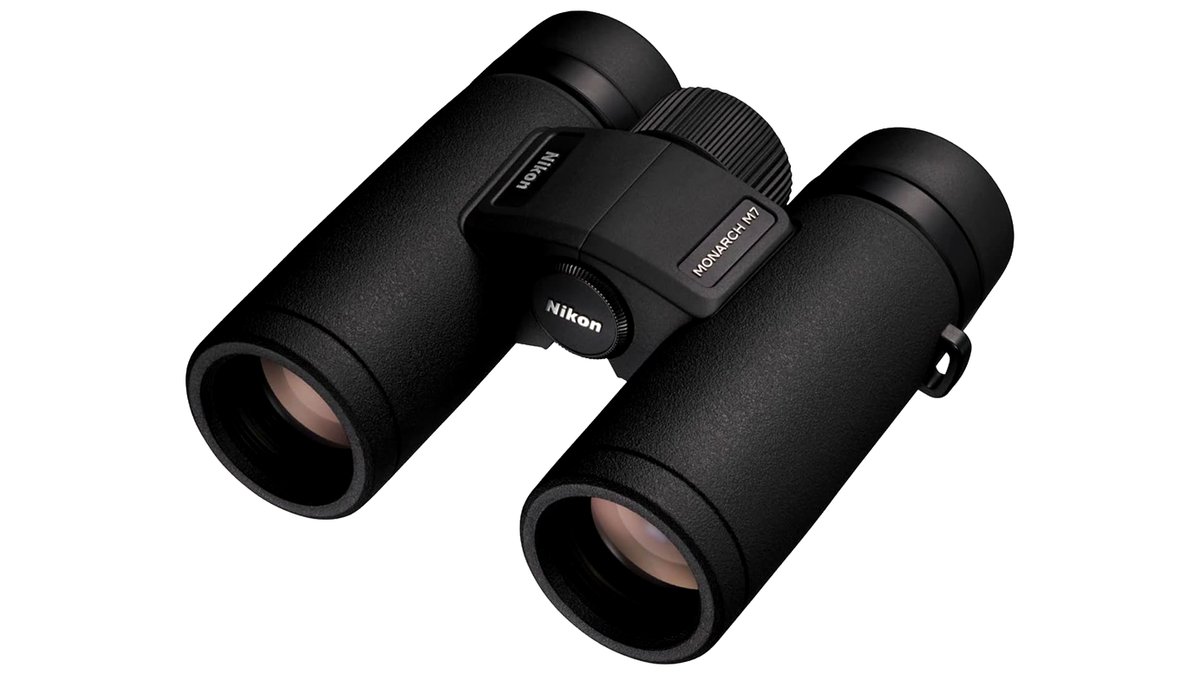
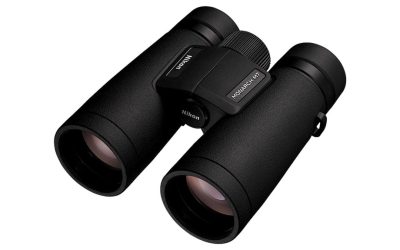
Compact binoculars are generally defined by objective lens diameters in the 20-32mm range, smaller than the 40-50mm lenses on full-size binoculars. That smaller lens size is what makes them light enough to carry in a jacket pocket or small bag, but it also means less light reaches the eye compared to full-size models, which matters most in dim conditions. This guide breaks compact binoculars into the common configurations and explains the specs that actually affect image quality and comfort, since “8x” or “10x” alone does not tell the whole story.
Compact Binocular Categories
8×25 and 10×25 ultra-compact models
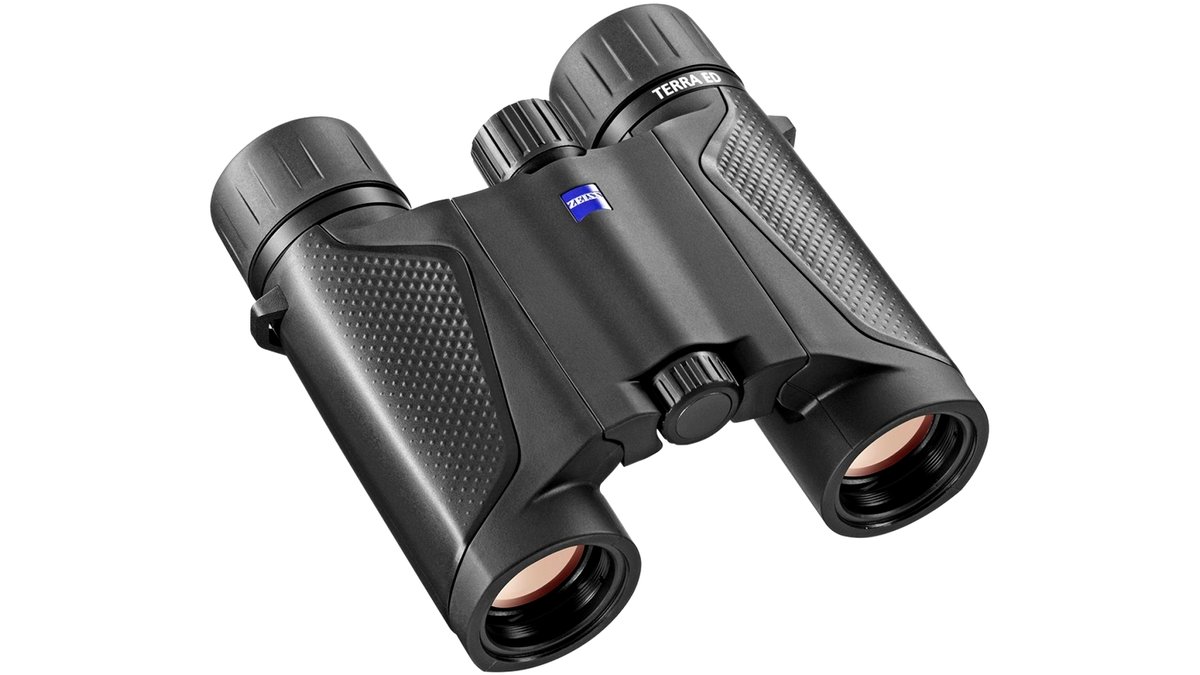
These are among the smallest and lightest binoculars generally sold, often folding down small enough to fit in a coat pocket. The maker lists these as suited to travel, concerts, sporting events, and casual daytime wildlife viewing where portability matters more than maximum image brightness. The 25mm objective lens limits light-gathering compared to larger compacts, which becomes noticeable in low light such as early morning, dusk, or shaded forest.
8×32 and 10×32 mid-compact models
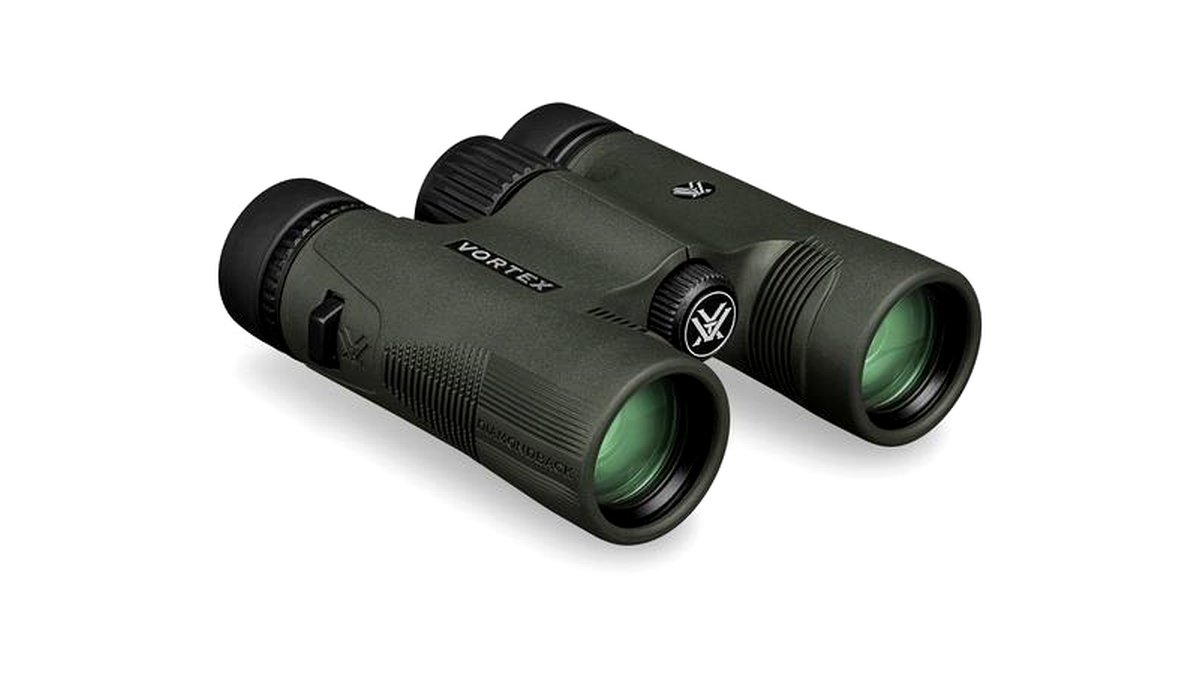
Stepping up to a 32mm objective lens keeps the binoculars reasonably light and pocketable in a larger jacket pocket or small bag, while noticeably improving brightness and field of view compared to 25mm models. Reviewers covering birding and nature-watching gear frequently point to this size range as a practical middle ground for people who want better low-light performance than an ultra-compact model but still want to avoid the bulk of full-size binoculars.
8x and 10x magnification tradeoffs
Within either lens-size category, 8x magnification generally offers a wider field of view and a more stable, easier-to-hold image, since higher magnification amplifies hand shake. 10x magnification brings distant subjects closer but narrows the field of view and makes handheld shake more noticeable, which matters more for compact binoculars than for larger, heavier ones that naturally dampen some hand movement through their own weight.
At a Glance: Compact Binocular Configurations Compared
| Configuration | Best for | Key stated features | Limits |
|---|---|---|---|
| 8×25 | Travel, events, lightest possible carry | Wider field of view than 10×25, very compact fold | Limited low-light performance from the small 25mm lens |
| 10×25 | Travel and events wanting closer reach | Higher magnification in the same compact body size | Narrower field of view, more noticeable hand shake at 10x |
| 8×32 | Birding and nature viewing wanting better brightness | Larger 32mm lens improves low-light image, still pocketable | Slightly larger and heavier than 25mm models |
| 10×32 | Birding and nature viewing wanting more reach | Combines decent low-light gain with higher magnification | Heavier than 8×25/10×25; more shake sensitivity than 8×32 |
What to Check Before Buying
Exit pupil and low-light performance
Exit pupil, calculated by dividing the objective lens diameter by the magnification, is a useful shorthand for low-light capability: a larger exit pupil generally produces a brighter image in dim conditions. An 8×25 binocular has a smaller exit pupil than an 8×32, which is the main reason the larger-lens model performs noticeably better at dawn, dusk, or in shaded woods.
Field of view
Field of view, usually stated in feet at 1,000 yards or degrees, determines how much of the surrounding scene is visible at once. A wider field of view makes it easier to initially locate and track fast-moving subjects like birds in flight, which is part of why many birding-focused reviewers favor 8x magnification over 10x in a compact body.
Eye relief for glasses wearers
Eye relief is the distance the eye can sit from the eyepiece while still seeing the full image, and it matters specifically for anyone who wears glasses while using binoculars. The maker’s stated eye relief figure, generally in millimeters, should be checked against glasses-wearing comfort; longer eye relief, combined with twist-up or fold-down eyecups, generally accommodates glasses more comfortably.
Prism type and lens coatings
Compact binoculars generally use either roof prisms or porro prisms; roof-prism designs are more common in compact models because they allow a slimmer, straighter body shape. Lens coatings described as “fully multi-coated” are generally associated with better light transmission and color accuracy than single-coated or partially coated lenses, according to manufacturer specification sheets and optics reviewers.
Waterproofing and fogproofing
Many compact binoculars marketed for outdoor use list a waterproof rating along with nitrogen or argon purging to prevent internal fogging in temperature swings. Checking the maker’s specific stated rating, rather than assuming all “weather-resistant” binoculars offer the same protection, matters for anyone planning to use them in rain or significant humidity and temperature changes.
Pick X If… Decision Table
| If your situation is… | Consider… |
|---|---|
| Traveling light, mainly daytime use at events or sightseeing | An 8×25 or 10×25 ultra-compact model |
| Birding or nature watching, want better brightness and field of view | An 8×32 model |
| Want more magnification reach while staying fairly compact | A 10×32 model, accepting slightly more handheld shake |
| Frequently viewing at dawn, dusk, or in shaded areas | A compact model with the largest practical objective lens, such as 8×32 over 8×25 |
| Wear glasses regularly while using binoculars | A model with longer stated eye relief and adjustable eyecups |
Fit and Comfort Notes
Hand size and grip comfort vary by body shape; some compact binoculars use a straight-barrel design while others taper or curve for a more ergonomic grip, and trying a model in person when possible helps confirm comfortable hold for longer viewing sessions. Interpupillary distance adjustment, which sets how far apart the two eyepieces sit to match the user’s own eye spacing, is adjustable on nearly all binoculars but has a minimum setting that may not suit every face width, particularly for children or some adults with a narrower interpupillary distance; checking the stated minimum IPD range is worth doing for anyone who has had fit issues with binoculars before.
Alternatives Worth Considering
Full-size binoculars (8×42, 10×42): For anyone who does not need maximum portability and wants the best possible brightness and field of view, full-size binoculars with larger objective lenses generally outperform any compact model in low light, at the cost of more weight and bulk to carry.
Monoculars: A single-barrel monocular can be lighter and more pocketable than even an ultra-compact binocular pair, trading depth perception and some viewing comfort for an even smaller carry size.
Image-stabilized binoculars: Some manufacturers offer binoculars with built-in image stabilization, which can reduce the hand-shake issue associated with higher magnification, though these models are generally larger and heavier than typical compact binoculars and may need batteries.
Frequently Asked Questions
What does 8×25 or 10×32 actually mean?
The first number is the magnification, showing how many times closer a subject appears, and the second number is the objective lens diameter in millimeters, which affects light-gathering ability and overall size. An 8×25 model magnifies 8 times through a 25mm lens, while a 10×32 model magnifies 10 times through a larger 32mm lens.
Is higher magnification always better?
Not necessarily; higher magnification narrows the field of view and makes handheld shake more noticeable, which can make it harder to initially locate and track a moving subject. Many birding and nature-viewing guides favor 8x over 10x in a compact body specifically because of this tradeoff.
Why do compact binoculars struggle in low light compared to full-size models?
Compact binoculars use smaller objective lenses, generally 20-32mm compared to 40-50mm on full-size binoculars, which lets in less light. This is measured by the exit pupil, a smaller exit pupil producing a dimmer image in low-light conditions like dawn, dusk, or shaded areas.
Can I use compact binoculars while wearing glasses?
Yes, as long as the binoculars have adequate eye relief and adjustable eyecups, both commonly listed in the manufacturer’s specifications. Checking the stated eye relief figure and looking for twist-up or fold-down eyecups designed for glasses wearers helps ensure a comfortable fit.
Are waterproof compact binoculars necessary for casual use?
For casual indoor or fair-weather outdoor use, waterproofing is not strictly necessary, but anyone using binoculars regularly outdoors, including in rain or humid conditions, benefits from checking the maker’s specific waterproof and fogproof ratings rather than assuming all models offer the same protection.
How do I know what interpupillary distance range will fit me?
Manufacturers list a minimum and maximum interpupillary distance range for each model, and this can be checked against personal fit needs, particularly for children or anyone who has previously found binoculars uncomfortable to align. Most adjustable binoculars accommodate a wide range of face widths, but checking the specific minimum setting is worthwhile for anyone with a narrower eye spacing.