Key takeaways
- Suspension type and travel: hardtail (front only) suits smoother trails; full-suspension with more travel suits rougher, more technical terrain.
- Wheel size: 29-inch wheels generally roll over obstacles more easily and hold speed better, while 27.5-inch wheels offer quicker handling in tight, technical sections.
- Frame material: aluminum frames are common at entry and mid-range price points; carbon frames reduce weight at a higher cost.
- Drivetrain and gearing range: wider-range drivetrains help on steep climbs; checking gear range against local terrain steepness matters more than brand name.
- Brake type: hydraulic disc brakes generally offer more consistent stopping power in wet or muddy conditions than mechanical disc brakes.
- Frame size and reach: mountain bike sizing varies by brand and geometry philosophy; checking a brand’s specific size chart against rider height and inseam is more reliable than general S/M/L labels.
A hardtail mountain bike suits beginners and cross-country riders on moderate trails, a full-suspension trail bike suits riders tackling mixed technical terrain, and a long-travel enduro or downhill bike suits riders prioritizing descents over climbing efficiency; the right pick depends mainly on the terrain ridden most often, not on spending the most money possible.
As an Amazon Associate, we earn from qualifying purchases made through links on this page.
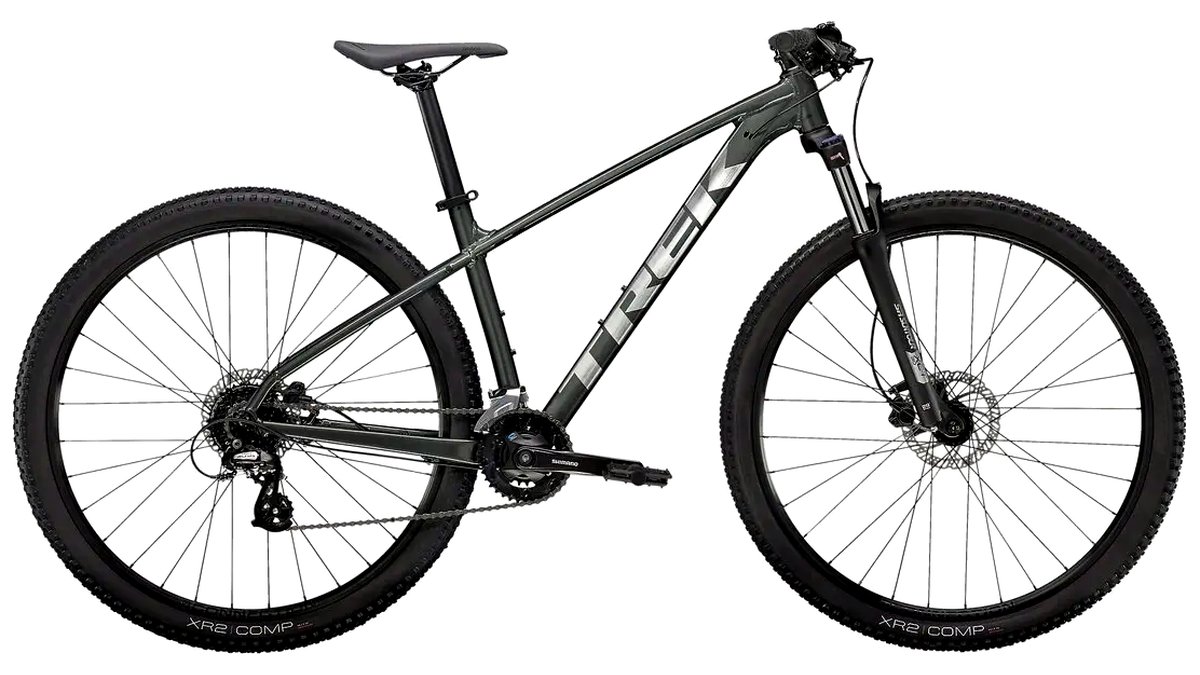
Mountain bikes split broadly by suspension type and travel amount, and those two specs do more to define how a bike rides than wheel size or frame material alone. Hardtail bikes (front suspension only) climb more efficiently and cost less to maintain, while full-suspension bikes absorb rough terrain better at the cost of added weight and more frequent maintenance. Picking the right category means being honest about the terrain ridden most: smooth singletrack and gravel favor a hardtail or short-travel trail bike, while rocky, root-heavy, or steep terrain favors more suspension travel.
Who Should Buy Which Type
Beginners and riders focused on cross-country trails benefit most from a hardtail mountain bike, which is lighter, easier to maintain, and transfers pedaling power more efficiently than a full-suspension design. Riders tackling varied terrain with rock gardens, roots, and moderate drops are typically better served by a full-suspension trail bike, which balances climbing ability with descending comfort. Riders who prioritize aggressive descents, bike parks, or enduro racing need a long-travel full-suspension bike built for durability under hard impacts, accepting reduced climbing efficiency as a tradeoff.
Key Factors Before Buying
- Suspension type and travel: hardtail (front only) suits smoother trails; full-suspension with more travel suits rougher, more technical terrain.
- Wheel size: 29-inch wheels generally roll over obstacles more easily and hold speed better, while 27.5-inch wheels offer quicker handling in tight, technical sections.
- Frame material: aluminum frames are common at entry and mid-range price points; carbon frames reduce weight at a higher cost.
- Drivetrain and gearing range: wider-range drivetrains help on steep climbs; checking gear range against local terrain steepness matters more than brand name.
- Brake type: hydraulic disc brakes generally offer more consistent stopping power in wet or muddy conditions than mechanical disc brakes.
- Frame size and reach: mountain bike sizing varies by brand and geometry philosophy; checking a brand’s specific size chart against rider height and inseam is more reliable than general S/M/L labels.
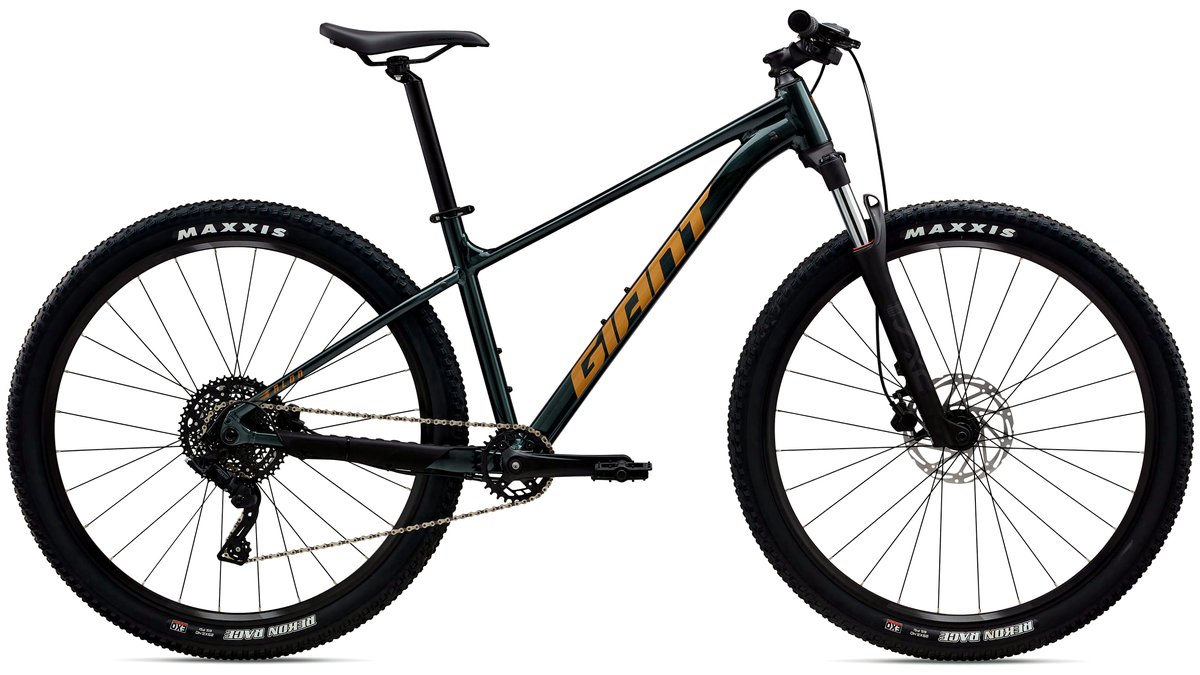
At a Glance Comparison
| Bike Type | Best For | Stated Specs/Design | Limits |
|---|---|---|---|
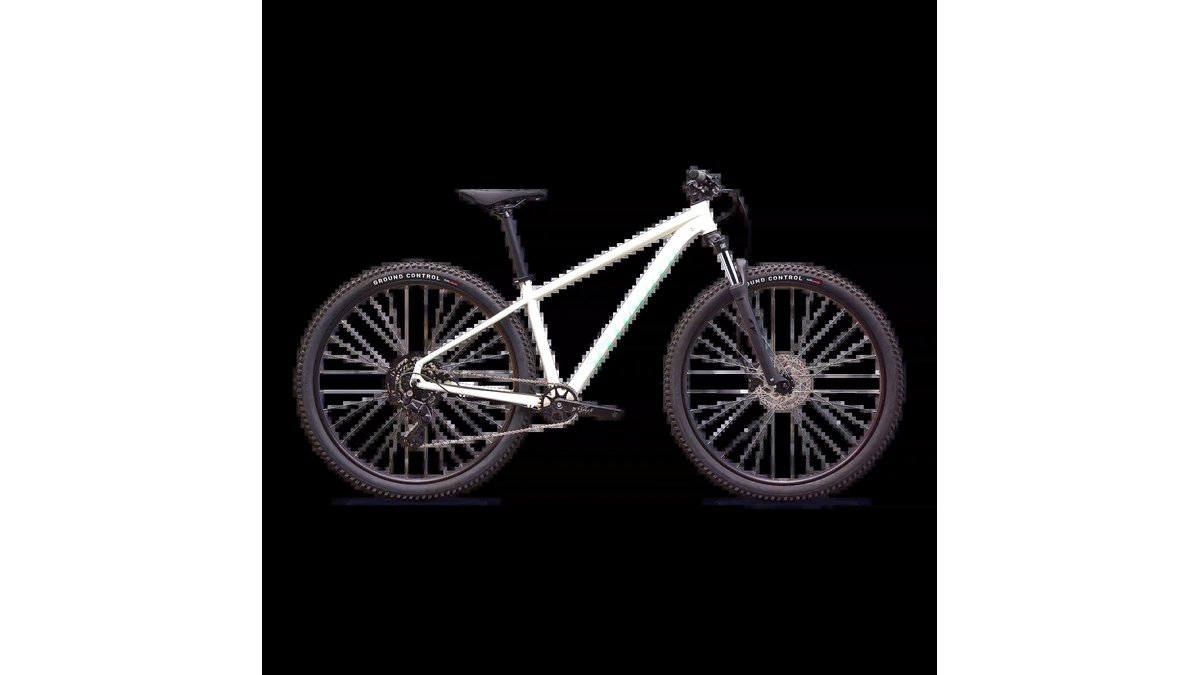
| Hardtail mountain bike | Beginners, cross-country riders, smoother trails | Front suspension only, lighter frame weight, efficient pedaling | Less comfort and control on rough, technical terrain |
| Short-travel full-suspension (XC/trail) | Mixed terrain with moderate technical sections | Front and rear suspension, moderate travel (roughly 100-130mm) | Added weight and maintenance versus a hardtail |
| Long-travel trail/enduro bike | Aggressive riders on technical, steep terrain | More suspension travel (roughly 140-170mm), reinforced frame | Heavier, less efficient on long climbs |
| Downhill bike | Bike park and lift-served downhill riding | Maximum suspension travel, reinforced frame built for repeated hard impacts | Not practical for pedaling uphill or general trail riding |
Pick X If…
| Situation | Recommended Pick |
|---|---|
| You’re new to mountain biking and ride mostly smooth trails | Aluminum hardtail mountain bike |
| You ride mixed terrain with some rock gardens and roots | Short-travel full-suspension trail bike |
| You ride steep, technical terrain or race enduro | Long-travel full-suspension enduro bike |
| You mainly ride lift-served bike parks | A dedicated downhill bike over a trail or enduro bike |
| Budget is tight and climbing efficiency matters | Hardtail over full-suspension, even on moderately technical trails |
Sizing and Fit Notes
Mountain bike sizing has shifted in recent years toward reach and geometry-based sizing rather than simple frame height, and two brands’ “medium” frames can fit noticeably differently as a result. Checking a specific brand’s size chart against rider height and, where available, inseam measurement is more reliable than assuming sizes are standardized across brands. Dropper seatposts, now common on trail and enduro bikes, also factor into fit since they allow seat height to adjust on the fly for climbs versus descents, which changes how a frame size feels in practice compared to a fixed seatpost.
Maintenance and Durability Considerations
Full-suspension bikes require more regular maintenance than hardtails, since rear shocks and additional pivot bearings need periodic service to maintain performance. Reviewers commonly note that hydraulic disc brakes need occasional bleeding and pad replacement, while mechanical disc brakes are simpler to maintain but can lose some stopping consistency in wet conditions. Tubeless tire setups, increasingly common on mid-range and higher bikes, reduce flat risk from punctures but require sealant top-ups and occasional retaping, which is worth factoring into ongoing maintenance expectations.
Alternatives Worth Considering
- Gravel bikes: a better fit for riders mixing pavement, gravel roads, and light singletrack rather than technical mountain trails.
- Electric mountain bikes: add motor assistance for climbing, worth considering for riders prioritizing longer rides or who want to keep pace with faster riding partners, at a higher cost and added weight.
- Fat bikes: oversized tires suited to sand or snow riding, a niche alternative outside typical dirt trail riding.
Common Mistakes When Buying a Mountain Bike
A frequent mistake is buying based on suspension travel or wheel size specs without first being honest about the terrain actually ridden, since a long-travel enduro bike bought for mostly flat, smooth trails adds unnecessary weight and reduces pedaling efficiency without a corresponding benefit. Buyers new to the sport sometimes also skip proper sizing entirely, relying on a generic height chart rather than the specific brand’s reach and geometry numbers, which can lead to a bike that feels cramped or stretched out compared to expectations. Another common error is underestimating ongoing maintenance costs when choosing full-suspension over a hardtail, since the added pivot bearings, shock service intervals, and more complex drivetrain interactions all add to long-term upkeep that isn’t obvious at the time of purchase.
Skipping a test ride, where possible, before committing to a specific geometry is also a missed opportunity, since two bikes with similar specs on paper can feel very different in handling due to differences in head angle, chainstay length, and overall weight distribution. Finally, buying tires or components not rated for the terrain actually ridden, for example, fitting lightweight cross-country tires on a bike that will see rocky, root-heavy trails, is a common way riders end up with more flats and less control than expected from an otherwise capable bike.
Buying New vs. Used
A well-maintained used mountain bike from a reputable brand can be a reasonable way to access a higher component tier than a new budget-constrained purchase would allow, particularly for frame materials like carbon that hold value differently than aluminum. Checking for frame cracks, excessive play in the suspension pivots, and overall drivetrain wear is worthwhile before buying used, since these issues can be costly to repair and aren’t always obvious without a careful inspection or a trusted mechanic’s opinion. Buying new generally comes with a warranty on the frame and sometimes components, which is a meaningful consideration for riders planning to ride hard and often, since warranty claims on a used bike typically don’t transfer to a second owner.
Frequently Asked Questions
Is a hardtail or full-suspension mountain bike better for beginners?
Hardtails are generally recommended for beginners because they’re lighter, less expensive, and easier to maintain, while still being capable on moderate trails. Full-suspension becomes more valuable once a rider is regularly tackling rougher, more technical terrain where the added comfort and control outweigh the extra weight and maintenance.
What wheel size is best for mountain biking?
29-inch wheels generally roll over obstacles more smoothly and hold momentum better, which suits cross-country and trail riding, while 27.5-inch wheels offer quicker, more agile handling in tight technical terrain. Some bikes use a mixed setup with a larger front wheel and smaller rear wheel, which the maker typically markets as a handling compromise between the two.
How much suspension travel do I actually need?
Travel needs scale with terrain difficulty: smoother trails are well served by 100-130mm of travel, while steep, rocky, or jump-heavy terrain benefits from 140mm or more. More travel than needed adds weight and reduces pedaling efficiency without a corresponding benefit on milder trails.
Is carbon fiber worth the extra cost over aluminum?
Carbon frames are generally lighter and can be tuned for specific flex characteristics, which some riders notice as improved comfort or responsiveness. Aluminum frames are heavier but more resistant to catastrophic damage from hard impacts and typically cost less, making them a practical choice for riders newer to the sport or those riding rough, rocky trails often.
How often does a mountain bike need maintenance?
Basic maintenance like chain lubrication and tire pressure checks should happen regularly, while suspension service, brake bleeds, and bearing checks are typically needed on a periodic schedule based on riding frequency and conditions, as specified in the manufacturer’s manual. Riders in wet or muddy conditions generally need more frequent maintenance than those riding in dry climates.
Can a mountain bike be used for commuting or pavement riding?
Mountain bikes can be ridden on pavement, but their wider, knobbier tires and suspension add rolling resistance and weight compared to a bike designed for pavement, making them less efficient for that use. Riders who split time between trails and pavement sometimes swap to smoother, faster-rolling tires for road sections, within the limits the tire and rim manufacturer specify.