Key takeaways
- Continuous LED panel lighting: Useful for video-heavy wedding coverage or reception lighting that needs to stay on continuously, though less powerful than flash for freezing motion in bright conditions.
- On-camera flash with a bounce diffuser: A simpler, lower-cost backup for tight spaces like a small getting-ready room where positioning off-camera lights is impractical.
- Venue or reception uplighting rented separately: For ambient reception lighting rather than photography-specific flash, some photographers rely on the venue’s own lighting rather than adding more flash units.
A solo wedding photographer covering a single location is best served by a two-to-three-light wireless flash kit built around one camera-mount trigger and a couple of compact speedlights, while a photographer or small team covering a large venue with a reception needs a system with longer wireless range, more simultaneous groups/channels, and at least one higher-output flash for bouncing light off distant ceilings.
As an Amazon Associate, we earn from qualifying purchases made through links on this page.
Why Wireless Matters More at Weddings Than Other Shoots
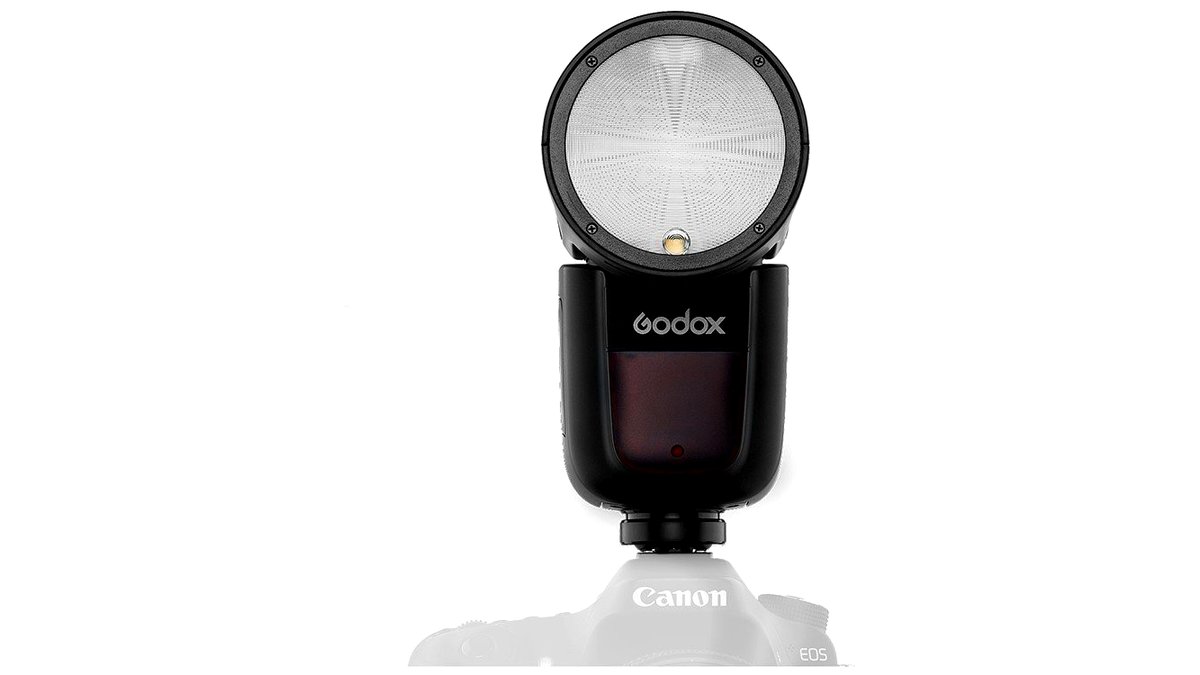
Wedding coverage moves fast and across varied spaces: a dim ceremony room, a bright outdoor portrait session, a dance floor at night. A wireless flash system lets a photographer move lights off-camera to create more natural, directional light instead of flat on-camera flash, and it lets the same lights be repositioned quickly between a ceremony, formal portraits, and reception without re-cabling anything. The core components are a transmitter (usually mounted on the camera’s hot shoe), one or more receivers or flashes with built-in wireless receivers, and the flashes themselves, which range from compact speedlights to larger battery-powered strobes.
TTL vs. Manual Wireless Flash Control
TTL (through-the-lens) wireless flash lets the camera and flash communicate so exposure adjusts automatically as the photographer moves or as subjects change distance, which suits fast-moving, unpredictable moments like a ceremony processional or candid reception shots where there is no time to manually recalculate power. Manual wireless control means the photographer sets each flash’s power level directly, which gives more consistent, repeatable results for posed portraits and formal group shots where lighting conditions are not changing shot to shot. Many current systems support both modes and let the photographer switch between them, which is worth confirming since some budget triggers only support one mode reliably.
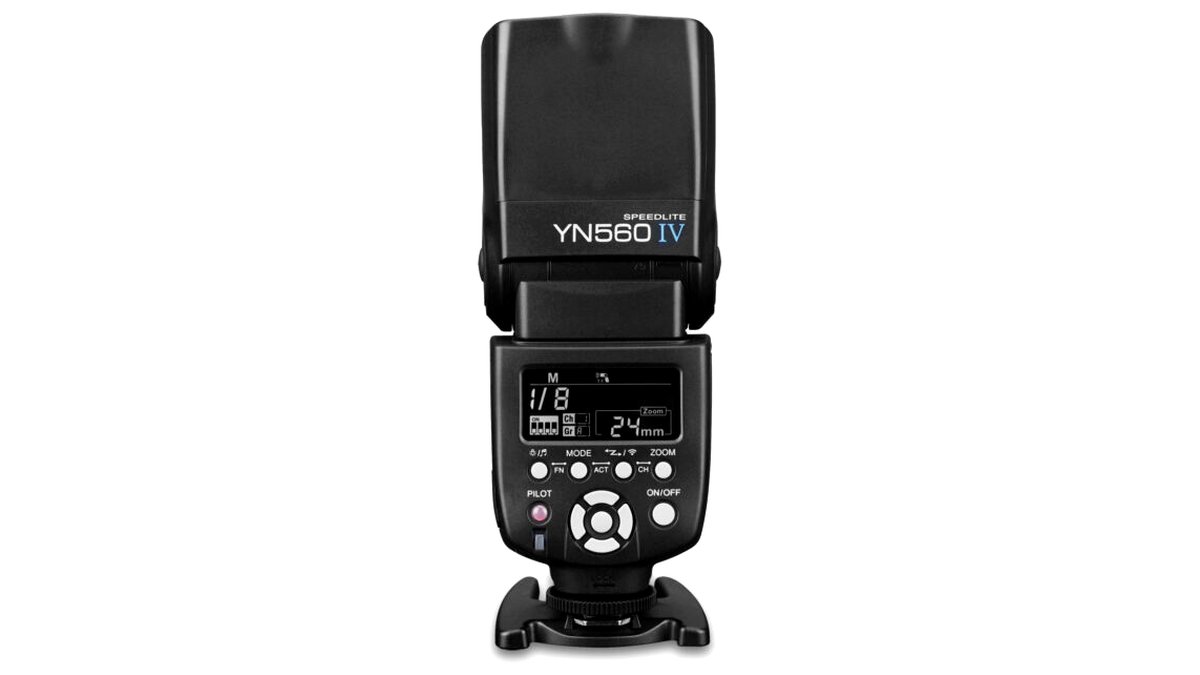
At a Glance: Wireless Flash System Types
| Type | Best for | Key stated specs | Limits |
|---|---|---|---|
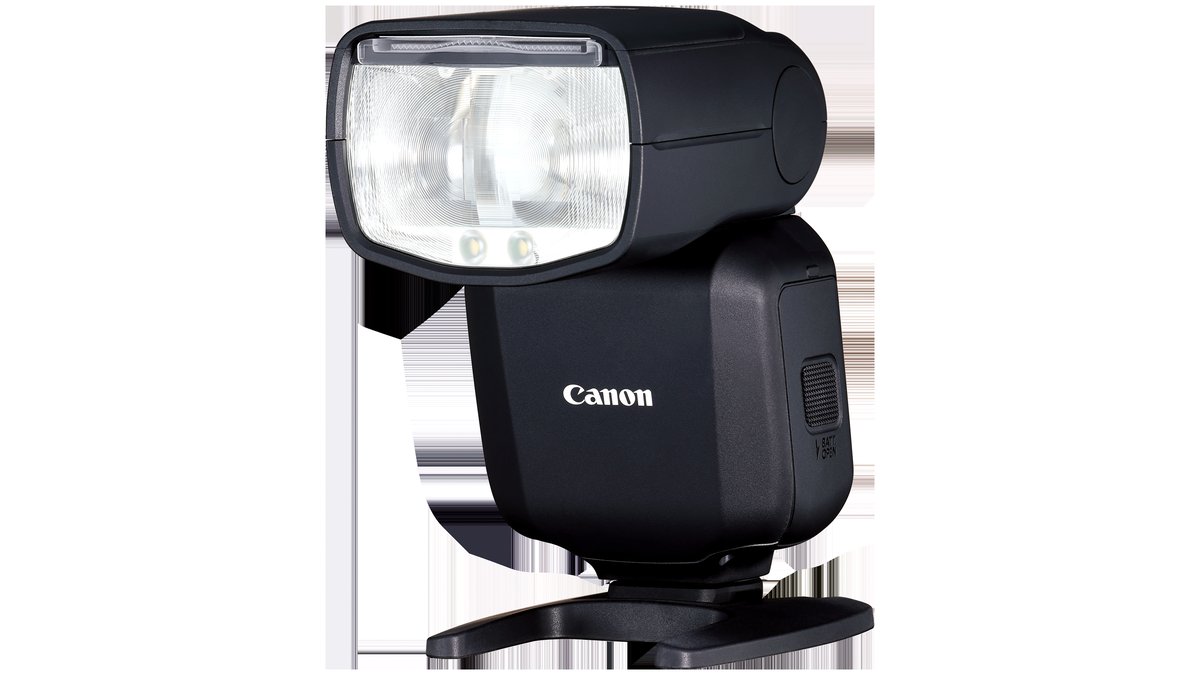
| Camera-brand TTL speedlight + trigger system | Photographers wanting the tightest camera integration | Full TTL support, high-speed sync, often group/channel control from the trigger | Usually the most expensive per-light option; locked to one camera brand |
| Third-party TTL speedlight + trigger system | Budget-conscious photographers wanting TTL without brand pricing | TTL support for specific camera mounts, radio triggering built in | Feature parity with camera-brand systems varies by model and firmware |
| Manual radio-triggered speedlights | Photographers comfortable setting power manually, prioritizing reliability | Simple radio trigger, manual power dial on each flash | No TTL convenience; slower to adjust in fast-changing scenes |
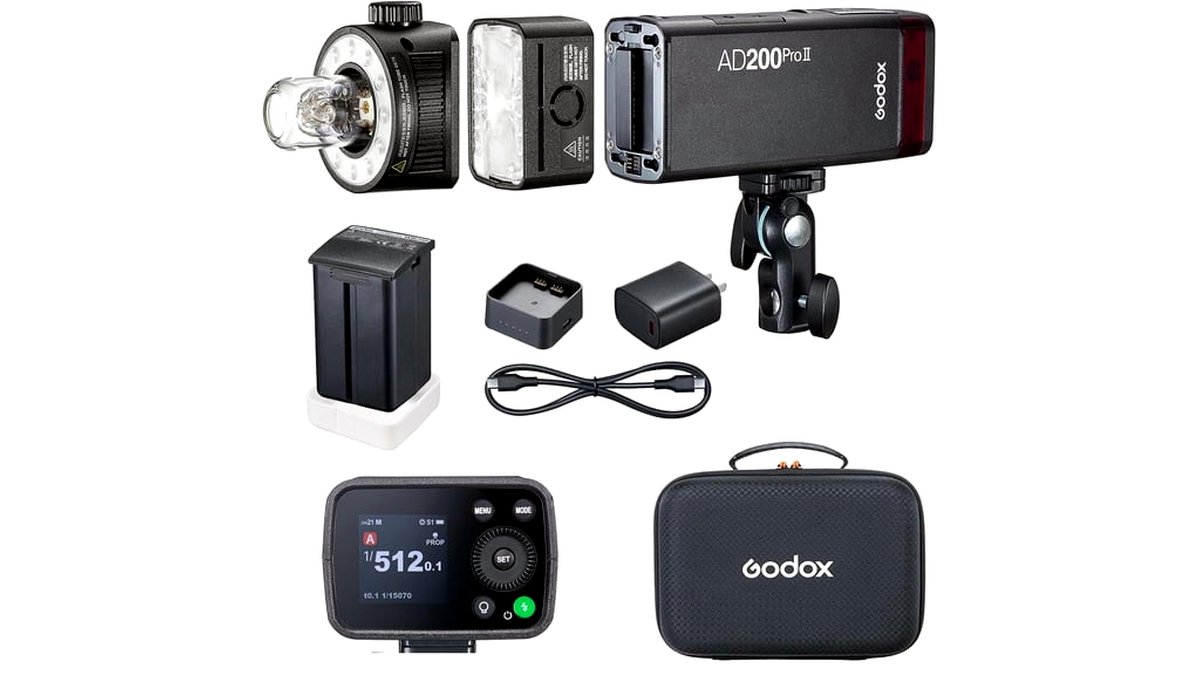
| Battery-powered monolights/strobes | Larger venues, bouncing light off high or distant ceilings | Higher maximum output than speedlights, often with its own battery pack | Bulkier and heavier to carry and position quickly between venues |
| On-camera bounce flash (wired, no wireless) | Backup or simple single-light setups, tight spaces | Direct hot-shoe mount, no wireless range limits | Lacks the directional, off-camera look wireless setups provide |
Range, Channels, and Reliability in Real Venues
Makers list a maximum wireless range for their triggers, often in the 100-plus-meter range in open conditions, but real wedding venues include stone walls, metal structures, and other radio interference sources that commonly cut effective range well below the stated figure. Multiple-channel or group support matters when working near other photographers also using wireless flash at the same event (common at larger venues with a videographer or second shooter), since overlapping channels can cause misfires or dropped triggers. Testing the system at the actual venue during a walkthrough, rather than assuming the spec sheet range will hold, avoids surprises during the real event.
Battery and Recycle Time Considerations
A wedding day often runs eight or more hours with bursts of rapid shooting during key moments like the first dance or cake cutting, so battery life and flash recycle time (how quickly the flash is ready to fire again at full power) matter as much as raw output. Speedlights running on standard AA batteries recycle more slowly at full power than models with a high-capacity lithium battery pack, and carrying charged spares or a pack-based power source reduces the risk of a flash falling behind during a fast sequence. Cold venues, common for winter or early-morning outdoor ceremonies, can also reduce battery performance, which is worth testing ahead of time with the specific batteries planned for use.
Pick-X-If Decision Table
| Situation | Pick this type |
|---|---|
| Solo shooter, fast-moving ceremony and candid coverage | Camera-brand or third-party TTL speedlight system |
| Tight budget, comfortable with manual exposure control | Manual radio-triggered speedlights |
| Large venue, high or distant ceilings for bounce lighting | Battery-powered monolights/strobes |
| Second shooter or videographer also using wireless flash nearby | System with confirmed multi-channel/group support |
| Simple, low-risk backup setup | Wired on-camera bounce flash as a fallback |
Compatibility Notes
Wireless flash triggers and receivers are generally camera-brand specific or sold in brand-matched versions, so a trigger built for one camera mount will not provide full TTL functionality on a different brand’s body, even if the radio signal itself is compatible. Photographers shooting with two different camera brands (common for a main and backup body) should confirm the trigger line offers a version for both mounts rather than assuming one trigger works universally. Firmware updates from the flash or trigger maker can also add or fix compatibility with newer camera bodies, so checking the maker’s support page for the specific camera model is worth doing before a wedding season begins.
Modifiers and Light Shaping for Wedding Work
A bare flash head, even off-camera, produces a harsh, directional light that rarely flatters skin or formalwear, so most wedding photographers pair wireless flashes with some form of modifier. A small softbox or shoot-through umbrella mounted on a lightweight stand softens light for posed portraits and bridal party shots, while a smaller bounce card or diffuser dome suits faster-moving candid coverage where a full light stand setup is impractical between moments. Weight and setup speed matter as much as light quality here, since a wedding day leaves little time to fully rebuild a lighting setup between the ceremony, the formals, and the reception; many photographers standardize on one or two compact modifiers that collapse quickly rather than carrying a full studio-style kit.
Second-Shooter and Assistant Coordination
Many wedding photographers work with a second shooter or an assistant specifically to help position and trigger off-camera lights during key moments, since one person juggling a camera and multiple light stands during a fast-moving reception entrance or first dance is difficult. Systems that allow one trigger to control multiple flash groups independently let an assistant adjust one light’s power without affecting others, which is useful when, for example, a background light needs to stay constant while a key light’s power is adjusted between a wide shot and a close portrait. Clear communication and a quick pre-event walkthrough of which light is assigned to which group reduces confusion when working with an assistant unfamiliar with a specific couple’s venue.
Alternatives Worth Comparing
- Continuous LED panel lighting: Useful for video-heavy wedding coverage or reception lighting that needs to stay on continuously, though less powerful than flash for freezing motion in bright conditions.
- On-camera flash with a bounce diffuser: A simpler, lower-cost backup for tight spaces like a small getting-ready room where positioning off-camera lights is impractical.
- Venue or reception uplighting rented separately: For ambient reception lighting rather than photography-specific flash, some photographers rely on the venue’s own lighting rather than adding more flash units.
Frequently Asked Questions
Do I need TTL flash for wedding photography, or is manual enough?
Both approaches are used successfully; TTL helps in fast-changing, unpredictable moments like a ceremony processional, while manual control gives more consistency for planned portrait sessions. Many wedding photographers use TTL for candid coverage and switch to manual for posed portrait sequences.
How much wireless range do I actually need at a wedding venue?
Effective range is usually much shorter than a trigger’s stated maximum once walls, metal structures, and other radio interference are factored in. Testing the system at the actual venue, or choosing a trigger with a generous stated range margin, reduces the risk of dropped signals during the event.
Will my flash system work if another photographer is also using wireless flash nearby?
It depends on whether both systems can be set to different channels or groups; many current triggers support multiple channels specifically to avoid this conflict. Confirming channel settings with any second shooter or videographer ahead of time avoids misfires during the event.
How many flashes do I really need for wedding coverage?
Many solo wedding photographers work effectively with two to three off-camera flashes covering key portrait and reception moments, adding more only for larger venues or more elaborate reception lighting setups. Starting with a smaller kit and adding lights as specific venue needs arise is a common approach.
Do wireless flash systems work well outdoors in bright daylight?
Flash output and high-speed sync capability both matter more outdoors in bright light, since overpowering ambient sunlight requires more light output than typical indoor bounce flash use. Checking a flash’s stated maximum output and high-speed sync support is important for outdoor ceremony or portrait coverage.
What happens if a wireless trigger or flash fails mid-event?
Most experienced wedding photographers carry backup flashes, batteries, and sometimes a backup trigger specifically because wireless systems can fail unpredictably during a long event. Testing the full kit, including backups, before the wedding day and carrying fresh or fully charged batteries reduces this risk substantially.