Key takeaways
- Households doing large, mixed loads of bedding and bulky items with an eye on water and energy use are the best fit for a front-loading washer, while anyone who needs to add a forgotten sock mid-cycle or prefers not to…
Households doing large, mixed loads of bedding and bulky items with an eye on water and energy use are the best fit for a front-loading washer, while anyone who needs to add a forgotten sock mid-cycle or prefers not to bend down to load laundry may be happier with a top-loading machine instead. Front loaders generally win on capacity-to-footprint ratio, energy and water efficiency, and spin speed, at the cost of a lower door opening and, on some models, a stronger need for routine gasket and seal maintenance.
As an Amazon Associate, we earn from qualifying purchases made through links on this page.
Why front load at all
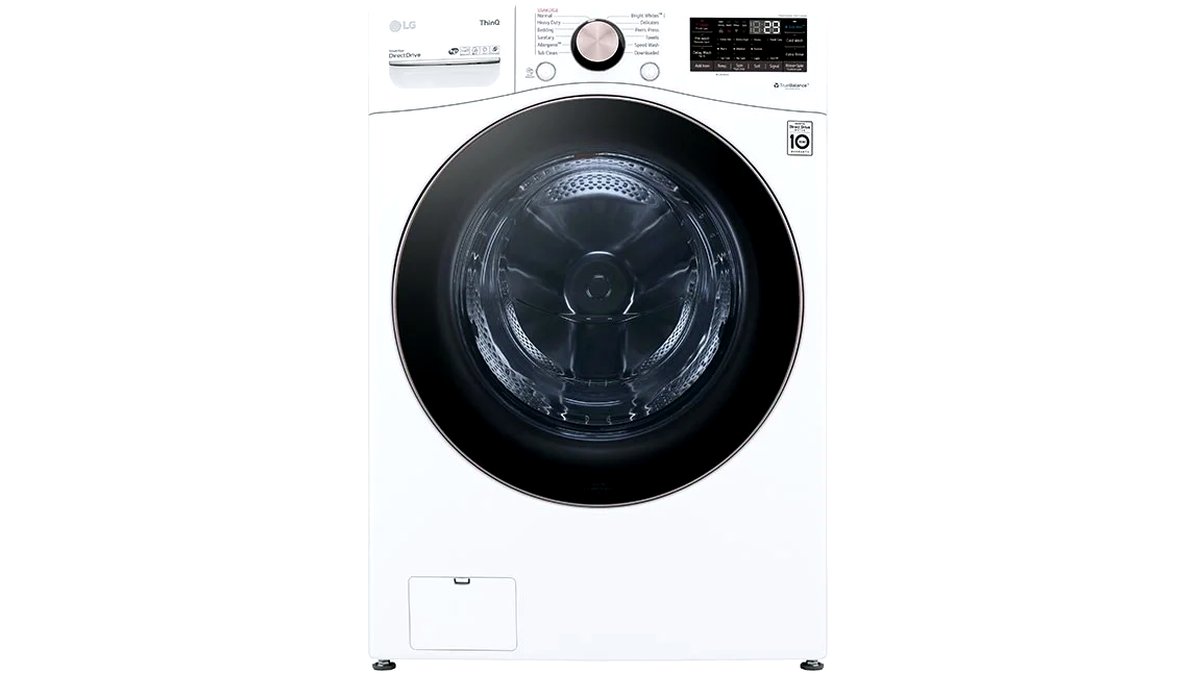
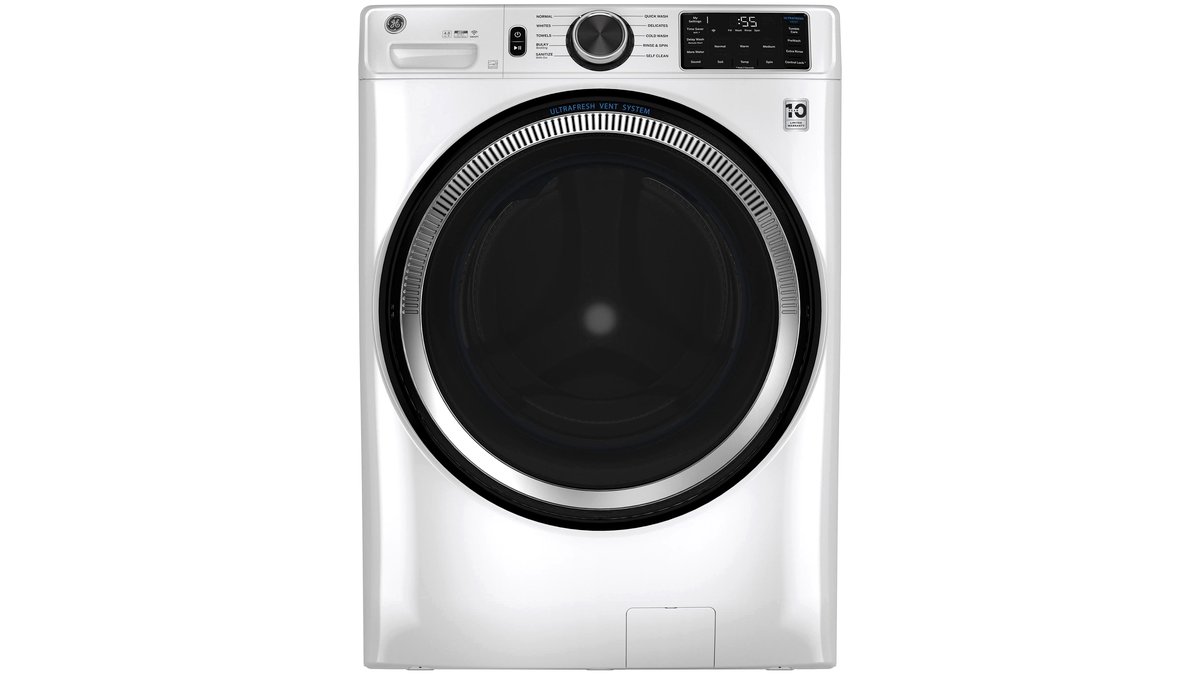
Front-loading washers clean clothes by tumbling them through a shallow pool of water rather than fully submerging them the way a traditional top loader does, which is the main reason they use noticeably less water per load. That tumbling action is also gentler in some respects and more aggressive in others compared to an agitator-style top loader, and most current front loaders pair it with much higher spin speeds, often in the 1,200 to 1,600 RPM range depending on the model, which pulls more water out of clothes before they go into the dryer and shortens overall drying time. The combination of water efficiency and high spin speed is the main reason front loaders tend to carry better energy-efficiency ratings than comparable top-loading machines.
The tradeoff is ergonomic: front loaders sit lower to the ground, so loading and unloading means bending down unless the household adds a pedestal or stacking riser, which several makers sell as an accessory specifically to raise the door to a more comfortable height and, in the case of stacking pedestals, add drawer storage underneath.
Capacity, stacking, and fitting the laundry space
Front loaders generally offer larger drum capacity for a given footprint than top loaders, which matters for households regularly washing comforters, sleeping bags, or large towel loads. Many front-load washers are also designed to be stacked with a matching dryer using a stacking kit, which is a meaningful space-saver in smaller laundry closets or apartments where a side-by-side pair won’t fit. Before buying, it’s worth measuring the door swing clearance and water/drain hookup locations in the laundry space, since front-load doors open outward and need room to swing fully open for loading.
Cycle options, smart features, and noise
Most current mid-range and premium front loaders include a broad set of preset cycles (bedding, delicates, sanitize or allergen cycles using higher heat, steam-assisted cycles, and quick-wash options), along with an extra-rinse option that’s useful for households with sensitive skin or heavy detergent residue concerns. Many models now include smart connectivity through a maker’s app, which can send a notification when a cycle finishes or allow starting a cycle remotely, though this is a convenience feature rather than something that changes wash performance. Noise and vibration levels vary meaningfully between budget and premium tiers; raised front-load drums and better suspension systems in higher-tier machines generally run quieter on high-speed spin cycles, which matters more in homes where the laundry room sits near a bedroom or living space.
Maintenance front loaders need that top loaders mostly don’t
The rubber door gasket on a front loader can trap moisture and lint, so most makers recommend wiping it out after cycles and running a periodic cleaning cycle (often using a tub-cleaner tablet or a maker-specified method) to prevent musty odors and mold buildup. Leaving the door cracked open between loads, when the household setup allows it, also helps the drum interior dry out. This is a known tradeoff reviewers and owners discuss often, and it’s a fair consideration for anyone who wants the lowest-maintenance machine rather than the most efficient one.
| Tier | Best for | Key stated specs | Limits |
|---|---|---|---|
| Budget front loader | Smaller households wanting efficiency without premium features | Moderate capacity, basic cycle selection, standard spin speeds | Fewer specialty cycles, usually no smart connectivity |
| Mid-range front loader | Most families needing larger capacity and more cycle variety | Larger drum capacity, steam-assist options, higher spin speeds, some smart features | Pricier accessories (pedestal, stacking kit) often sold separately |
| Premium front loader | Households wanting the quietest operation and most automation | Largest capacity tiers, advanced stain/soil sensors, strongest noise dampening, full app integration | Highest upfront cost tier; still needs gasket maintenance |
| Compact/ventless-pairing front loader | Apartments and small laundry closets | Narrower body width, designed to pair with ventless or heat-pump dryers | Smaller max capacity than full-size models |
Pick this if…
| If you… | Choose |
|---|---|
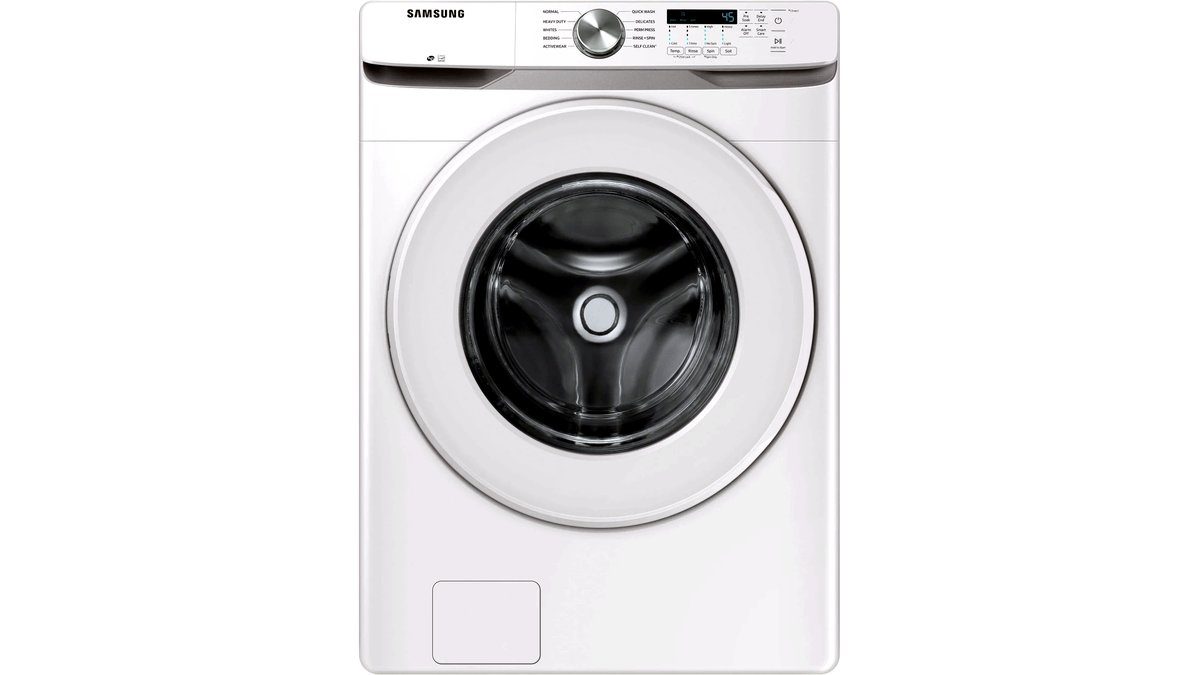
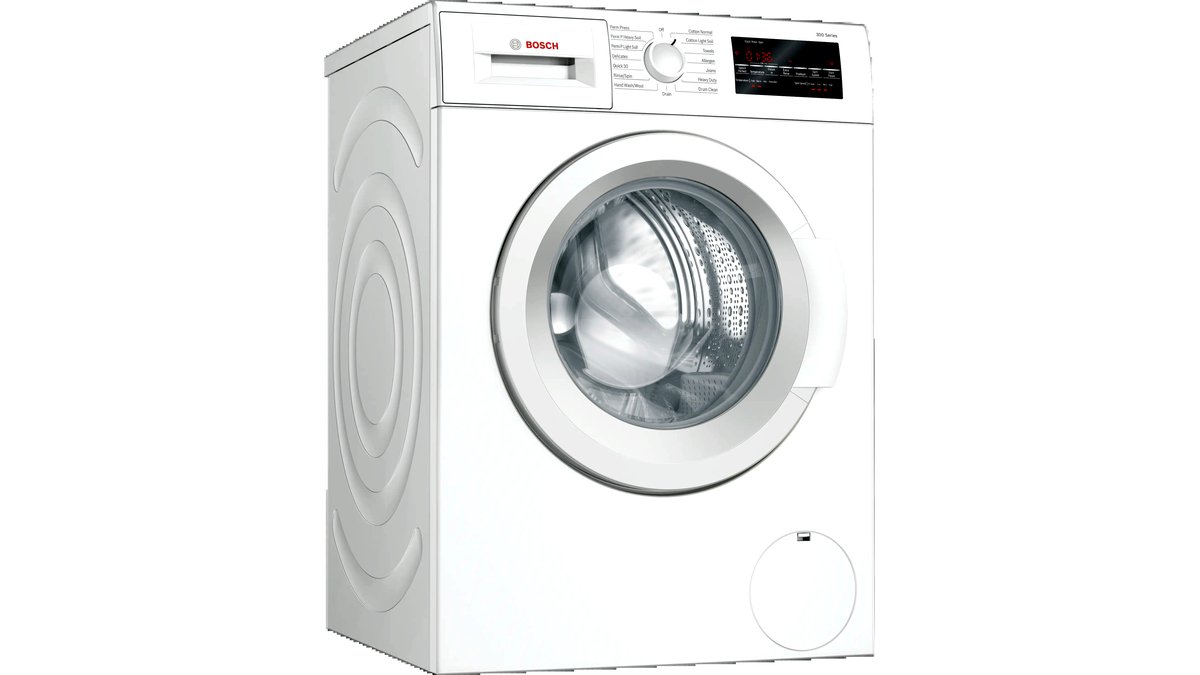
| Wash large loads like comforters often | A mid-range or premium front loader with the largest stated drum capacity |
| Have a small laundry closet or apartment | A compact front loader sized for stacking with a matching dryer |
| Want the shortest dry times afterward | A front loader with a higher stated maximum spin speed |
| Have a bad back or mobility concerns | A front loader paired with a riser pedestal, or consider a top loader instead |
| Want the lowest-maintenance option | A top loader, or a front loader with a self-clean/tub-clean cycle you’ll actually run regularly |
Alternatives worth considering
A high-efficiency top-loading washer without a center agitator captures much of the water-efficiency benefit of a front loader while keeping the easier top-loading ergonomics and the ability to add a forgotten item mid-cycle, though spin speeds and capacity-per-footprint are usually a step behind comparable front loaders. An all-in-one washer-dryer combo unit, which washes and dries in a single ventless drum, suits very tight spaces where even a stacked pair won’t fit, at the cost of longer cycle times and generally smaller load capacity per cycle. A traditional agitator top loader remains the least expensive entry point and the simplest to maintain, trading away efficiency and gentleness for straightforward operation.
Detergent, water temperature, and getting the best wash results
Front loaders are designed around low-sudsing, high-efficiency (HE) detergent, and using a regular, high-foam detergent formulated for a fully submerged top-load wash can leave excess suds that interfere with the tumbling action and, over time, contribute to the gasket odor issues discussed above. Most current machines offer an auto-dispense or pre-measured detergent reservoir on higher-tier models, which can reduce the guesswork of manual dosing. Water temperature options also matter more than many buyers expect; a sanitize or allergen-focused cycle generally heats water well above what a cold or warm setting reaches, which is useful for bedding, workout clothes, or households managing allergies, though it also uses more energy than a standard warm or cold cycle.
Frequently Asked Questions
Why do front-loading washers smell musty sometimes?
Trapped moisture and lint in the door gasket and detergent drawer is the most common cause, especially when the door stays fully closed between loads. Wiping the gasket dry after use, leaving the door cracked when possible, and running the maker-recommended cleaning cycle on a regular schedule largely prevents this.
Can I add a missed item after the cycle starts?
Most front loaders lock the door once water has entered the drum and will not reopen until the cycle finishes or is fully drained, which is a meaningful difference from most top loaders. Some current models include a brief pause-and-add window early in the cycle, but check the specific model’s stated feature list rather than assuming it’s available.
Do front loaders really use less water than top loaders?
Yes, by design, since they tumble clothes through a shallow water pool rather than fully submerging them in a full tub. This is one of the main reasons front loaders typically carry stronger efficiency ratings than traditional top loaders of similar capacity.
Is a pedestal necessary, or just nice to have?
It’s optional but genuinely helpful for anyone who finds bending to a low front-load door uncomfortable, and stacking/storage pedestals also add drawer space underneath. Households without back or mobility concerns can skip it without affecting wash performance.
How loud are front-loading washers during the spin cycle?
This varies a lot by tier; budget models with simpler suspension systems tend to vibrate and sound louder at high spin speeds than mid-range or premium machines with reinforced drums and better dampening. If the laundry area is near a bedroom or living space, it’s worth checking a model’s stated noise level or sound rating before buying.
What size front loader do I need for a family of four?
Needs vary with how often the household does laundry, but many families of four land in the mid-range capacity tier, which comfortably handles regular clothing loads and the occasional bedding load. Households that do fewer, larger loads per week may prefer the largest capacity tier available to reduce the number of loads needed.