Key takeaways
- Standard ceiling height rooms generally use a fan with a downrod for proper blade clearance from the ceiling; very low ceilings need a flush-mount or low-profile model instead, which may limit seeded glass shade style options.
- Light kit bulb type and maximum wattage are set by the fixture and should be checked against the bulbs on hand, since some seeded glass shades are sized for a specific bulb shape to sit correctly inside the shade.
- Downrod length is often adjustable or sold separately for taller or vaulted ceilings; confirm the included downrod suits the actual ceiling height before installation.
- Reversible motors need correct wiring at the wall switch or remote receiver to enable the seasonal direction change; this is usually automatic on current remote-controlled models but worth confirming on simpler pull-chain versions.
A buyer furnishing a farmhouse, cottage, or traditional-style room should look at a ceiling fan with amber or clear seeded glass shades on a bronze or black finish, someone outfitting a coastal or cottage-style bathroom or porch should prioritize a damp- or wet-rated version with seeded glass, and anyone mainly after airflow performance over the decorative glass detail should weigh a plainer fan with better stated airflow specs instead, since seeded glass is primarily a style choice rather than a performance feature.
As an Amazon Associate, we earn from qualifying purchases made through links on this page.
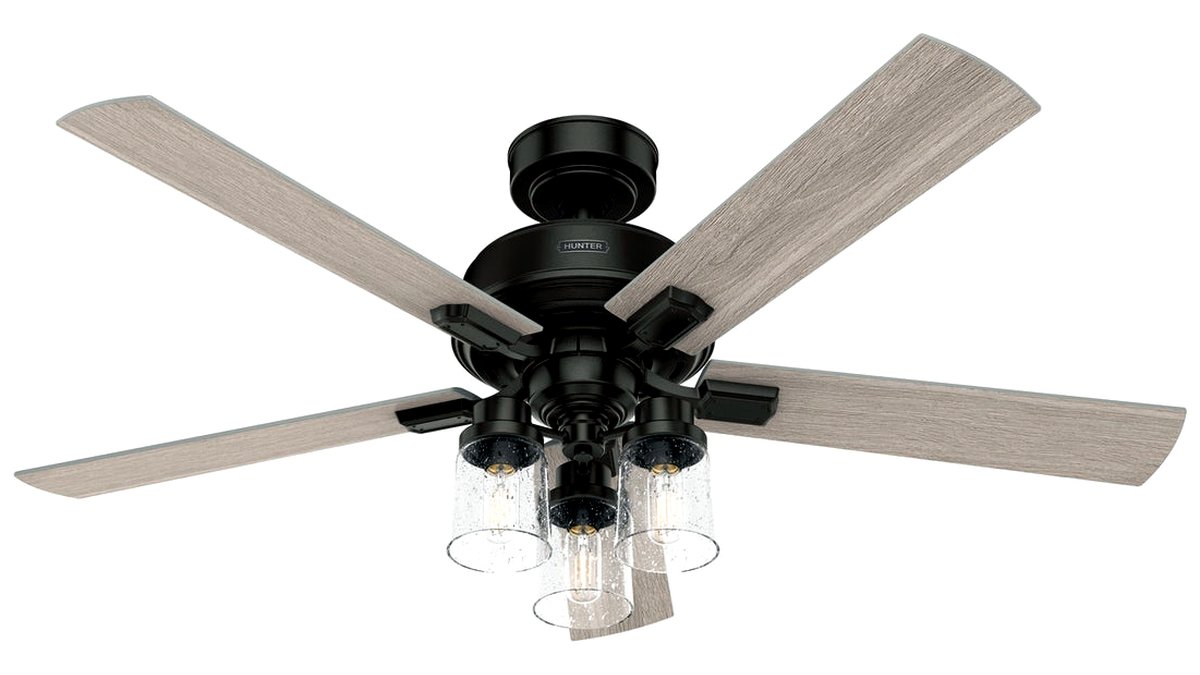
Seeded glass gets its name from the small air bubbles, or “seeds,” trapped in the glass during manufacturing, giving light fixtures a slightly textured, vintage look that pairs naturally with farmhouse, industrial, and traditional decor styles. On a ceiling fan, this glass typically appears on the light kit shades rather than the blades themselves, which means the decorative choice is largely separate from the fan’s airflow performance and should be evaluated against the motor and blade specifications independently.
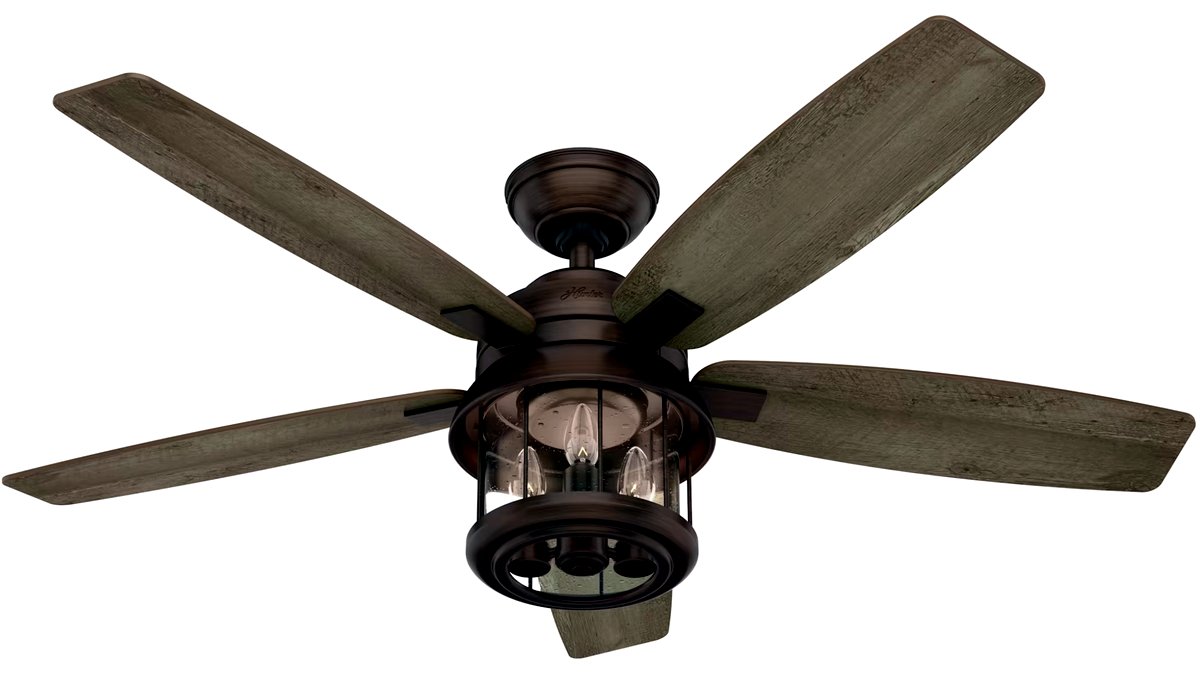
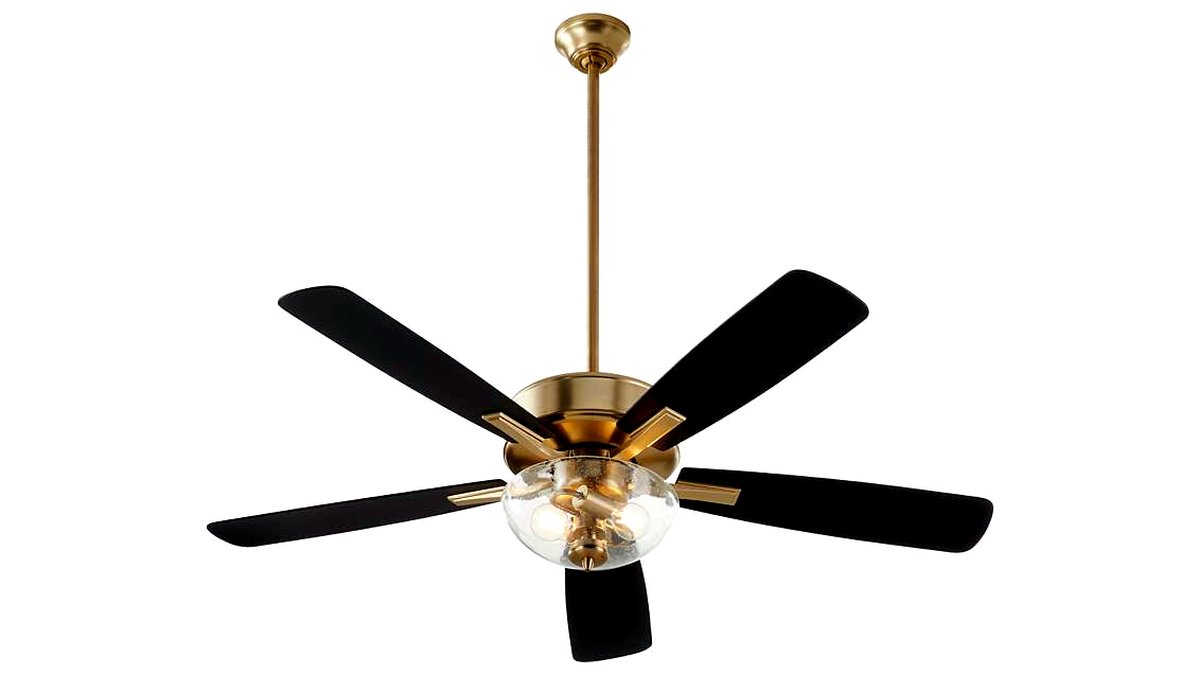
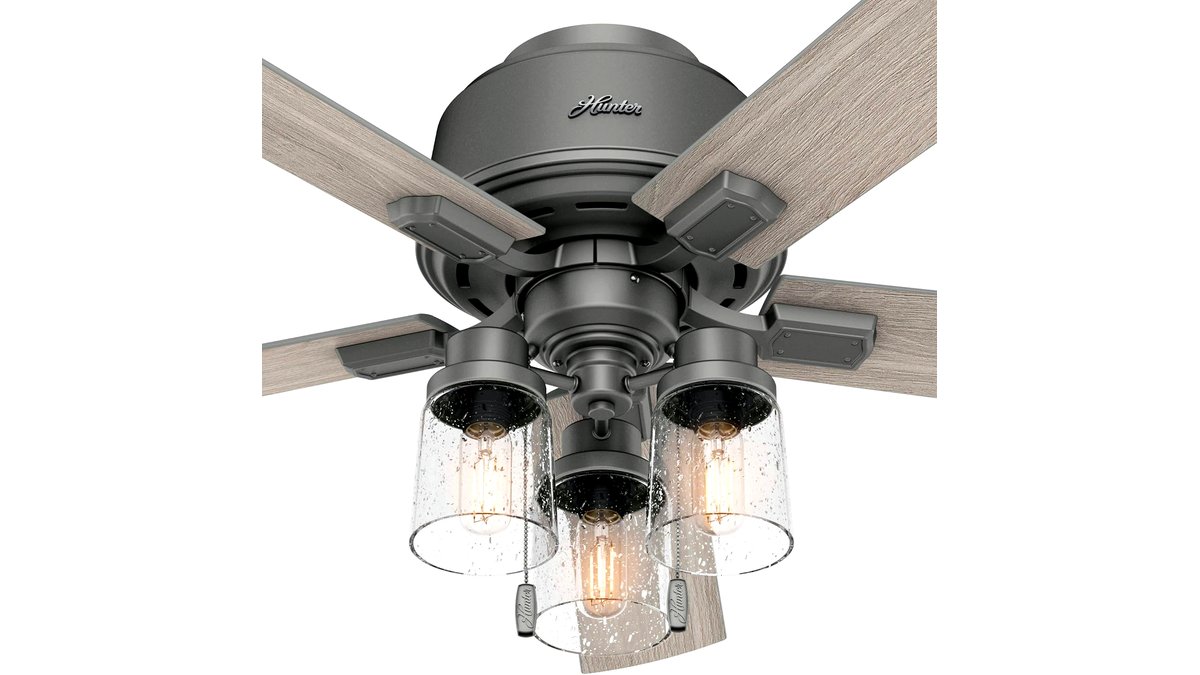
Quick picks at a glance
| Fan type | Best for | Key stated specs | Limits |
|---|---|---|---|
| Standard indoor fan with seeded glass light kit | Living rooms, bedrooms, farmhouse or traditional decor | Multiple wood or composite blades, bowl or cylinder seeded glass shade, standard indoor motor rating | Not rated for bathrooms, porches, or outdoor use |
| Damp-rated fan with seeded glass | Covered porches, bathrooms with adequate ventilation, enclosed sunrooms | Damp-rated motor housing, moisture-resistant finish | Not rated for direct rain or exposed outdoor installation |
| Wet-rated outdoor fan with seeded glass | Exposed patios and open-air porches | Wet-rated sealed motor, weather-resistant blade material | Fewer seeded-glass style options at this rating than indoor fans |
| Small or low-profile seeded glass fan | Low ceilings, small rooms, closets or nooks | Compact blade span, flush or low-profile mount | Lower airflow output than larger-span fans |
| Fan with remote and reversible motor | Buyers wanting seasonal reverse airflow and easy speed control | Multi-speed reversible motor, included remote or wall control | Remote adds another battery-powered component to maintain |
Balancing style against airflow performance
Because seeded glass is a decorative detail on the light shade, it has little direct effect on how well a fan moves air. The factors that actually determine airflow performance are blade span, blade pitch, and motor size, all of which the maker lists separately from the glass style. A buyer who falls in love with a particular seeded glass shade design should still check that the specific model’s blade span suits the room size, since manufacturers often offer the same decorative shade across several fan sizes with different airflow ratings.
Room size is the main sizing guide: smaller rooms are generally well served by a fan with a more compact blade span, while larger open rooms need a wider blade span or, in some cases, two smaller fans rather than one oversized unit. The maker’s sizing chart, usually based on square footage, is the most reliable starting point rather than guessing from the room’s general feel.
Damp versus wet ratings for porches and bathrooms
Any seeded glass fan intended for a porch, bathroom, or other humid or weather-exposed space needs to carry the correct safety rating, not just an indoor-rated fan installed in a borderline space. Damp-rated fans are built to resist humidity and occasional moisture but are not designed for direct exposure to rain or sprinkler spray, making them suitable for covered porches and well-ventilated bathrooms. Wet-rated fans are sealed more thoroughly and are the only safe choice for open, exposed outdoor locations where rain or direct weather can reach the fixture. Using an indoor-rated fan in any of these locations is a safety and durability risk regardless of how good the glass looks, and the rating should always be confirmed against the specific installation location before buying.
Fit and compatibility notes
- Standard ceiling height rooms generally use a fan with a downrod for proper blade clearance from the ceiling; very low ceilings need a flush-mount or low-profile model instead, which may limit seeded glass shade style options.
- Light kit bulb type and maximum wattage are set by the fixture and should be checked against the bulbs on hand, since some seeded glass shades are sized for a specific bulb shape to sit correctly inside the shade.
- Downrod length is often adjustable or sold separately for taller or vaulted ceilings; confirm the included downrod suits the actual ceiling height before installation.
- Reversible motors need correct wiring at the wall switch or remote receiver to enable the seasonal direction change; this is usually automatic on current remote-controlled models but worth confirming on simpler pull-chain versions.
Pick this if…
| Situation | Recommended option |
|---|---|
| Farmhouse or traditional living room or bedroom | Standard indoor fan with seeded glass light kit |
| Covered porch or well-ventilated bathroom | Damp-rated fan with seeded glass |
| Open, exposed outdoor patio | Wet-rated outdoor fan (seeded glass options more limited) |
| Small room, low ceiling, or nook | Small or low-profile seeded glass fan |
| Want seasonal reverse airflow and easy speed changes | Fan with remote and reversible motor |
Alternatives worth considering
Buyers who like the vintage glass look but need stronger airflow performance than most decorative fans offer should look at fans marketed primarily for airflow that still offer an alabaster or frosted glass light kit option, since plain glass styles are sometimes available across a wider range of high-airflow motor sizes than seeded glass specifically. For bathrooms where humidity is a bigger concern than style, a simpler damp-rated fan without a decorative glass shade, paired with a separate wall sconce for ambient lighting, avoids any moisture risk to a textured glass shade over time. Buyers furnishing a whole-home consistent look might also consider matching a seeded glass ceiling fan to a seeded glass pendant or sconce line from the same maker, where available, for a coordinated look across rooms.
Installation and safety notes
Ceiling fans are heavier than typical light fixtures and need a ceiling box rated for fan weight and the motion load of a spinning fan, not a standard light-only electrical box. Buyers replacing a light fixture with a fan for the first time should confirm the existing ceiling box is fan-rated or have an electrician install a proper fan-rated box before mounting. Glass shades, including seeded glass, should be seated and secured exactly as the manufacturer’s instructions describe, since a loose or improperly seated shade can vibrate and crack during fan operation.
Frequently Asked Questions
Does seeded glass affect how well the fan cools a room?
No, the glass is a decorative element on the light kit shade and has no meaningful effect on airflow. Airflow performance comes from blade span, blade pitch, and motor size, which should be checked separately from the glass style.
Can I use a seeded glass ceiling fan in a bathroom?
Only if the specific model carries a damp rating appropriate for the bathroom’s ventilation and moisture level; a standard indoor-rated fan is not a safe substitute. Check the maker’s stated rating before installing in any bathroom.
What size seeded glass fan do I need for my room?
Sizing is based on blade span relative to room square footage, following the manufacturer’s sizing chart rather than appearance alone. Larger rooms generally need a wider blade span or, for very large open spaces, more than one fan.
Can seeded glass shades be replaced if they break?
Many ceiling fan light kits use a standard shade mounting size, but seeded glass shades are sometimes sold as part of a specific collection, so replacement availability depends on the maker and model. Checking whether the manufacturer sells matching replacement shades separately before buying is a reasonable precaution for anyone concerned about long-term replacement.
Is a reversible motor necessary, or just a nice extra?
It is a common and useful feature rather than a strict necessity: running the fan in reverse at low speed in cooler months can help redistribute warm air that collects near the ceiling. It is not required for basic cooling use in warmer months.
Do I need an electrician to install a seeded glass ceiling fan?
If replacing an existing ceiling fan with a similar wiring setup, many homeowners handle installation themselves following the manufacturer’s manual. If replacing a light-only fixture or if the existing ceiling box is not rated for fan weight and motion, a licensed electrician should install or upgrade the box first.